
Finding the right swimming goggles is the key to a comfortable, distraction-free swim. The decision comes down to matching the lens type to your swimming environment, achieving a watertight seal that fits your facial structure, and understanding how to maintain the anti-fog properties. In the tropical climate of the Philippines, where bright outdoor sunshine and humid indoor pools present very different visibility challenges, choosing the right swimming accessories is essential for a comfortable swim. Instead of buying the most expensive pair, focus on how the eye cups sit on your face, how the lenses handle glare, and how to protect the delicate inner coating from degrading.
Understanding Lens Types for Different Swimming Environments
Indoor pools with standard overhead lighting benefit from clear or lightly tinted lenses, such as blue or yellow, which maximize light transmission and keep your vision bright. Outdoor environments, such as open-water beaches or sunny outdoor resort pools, require dark tinted or mirrored lenses to reduce glare and squinting. Choosing the wrong tint can either leave you struggling to see in a dimly lit indoor pool or squinting against intense outdoor sunlight.
Lens shape also plays a significant role in how you perceive your surroundings underwater. Flat lenses provide a direct, undistorted view straight ahead, making them ideal for lane swimming where you look mostly at the pool bottom. Curved lenses expand your peripheral vision, which is highly beneficial for open-water swimmers who need to spot navigation buoys or track other swimmers beside them. However, curved lenses can sometimes cause slight visual distortion at the outer edges, which may require some adjustment.
Products mentioned in this guide
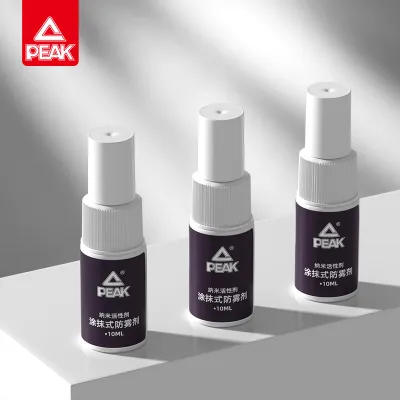
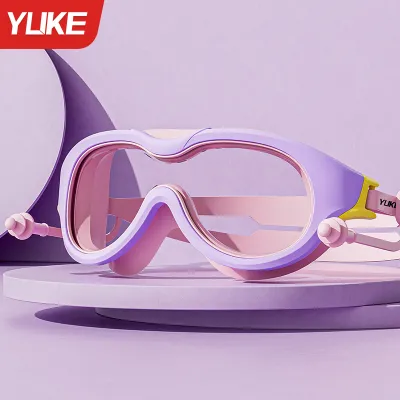
Prices are valid at publication and may change. Please refer to the product page for the latest price.
When swimming outdoors under intense tropical sunlight, UV protection is a critical safety feature to protect your eyes from harmful radiation. Look for packaging labels that explicitly state UV protection or UV absorption ratings. You can verify this by checking the manufacturer’s product specifications or looking for certification marks on the packaging before purchasing.
Achieving the Right Fit and Seal Without Discomfort
Eye cup volume is a major factor in both comfort and performance. Low-profile racing cups sit deep inside the eye socket to minimize hydrodynamic drag, which is preferred by competitive swimmers but can feel tight or press hard against the orbital bone. Standard fitness cups or mask-style goggles have larger silicone gaskets that sit on the outer edge of the eye socket, distributing pressure more evenly for long, comfortable training sessions.

The distance between your eyes dictates how well the gaskets seal against your skin. Many goggles come with interchangeable nose bridges of varying lengths or an adjustable slide-and-lock strap. If the nose bridge is too wide, water will leak through the inner corners of the eyes; if it is too narrow, the eye cups will pinch the bridge of your nose. Customizing this distance is the most effective way to prevent leaks without over-tightening the head strap.
The strap’s job is to hold the goggles in place, not to squeeze them onto your face. Split-strap designs distribute tension across the back of your head, preventing the goggles from slipping down during dives, starts, or rapid flip turns. Position the split straps with one strand angled slightly upward and the other resting lower on the crown of your head for the most secure hold.
Evaluating Anti-Fog and Durability Features
Almost all modern swimming goggles come with a factory-applied anti-fog coating on the inside of the lenses. This chemical layer works by preventing water vapor from condensing into tiny droplets that obscure your vision. However, these coatings are highly delicate and naturally degrade over time due to exposure to chlorine, salt water, and sweat.
To preserve the anti-fog layer, never touch or wipe the inside of the lenses with your fingers, towels, or shirts. After swimming, gently rinse the goggles in clean, cold tap water to wash away chlorine or salt, then let them air-dry completely in a shaded area. Avoid leaving them in direct sunlight or inside a hot gear bag, as extreme heat can warp the silicone seals and crack the plastic frame.
Once the factory coating wears off, you do not need to discard the goggles. You can restore visibility by applying aftermarket anti-fog sprays or drops before your swim. Alternatively, checking the manufacturer’s instructions for compatible anti-fog solutions ensures you do not use harsh chemicals that could damage the lens material or irritate your eyes.
Matching Goggles to Your Swimming Profile
Competitive swimmers should prioritize low-profile designs, rigid nose bridges, and secure double straps to minimize drag and prevent movement during high-speed starts. Fitness and recreational swimmers, on the other hand, should prioritize comfort, wider silicone gaskets, and easy-to-adjust strap systems that allow for quick adjustments during a workout.
Open-water swimmers need to navigate changing currents and spot landmarks, making wide-angle curved lenses with mirrored coatings highly advantageous. Pool swimmers can generally opt for flat, clear, or lightly tinted lenses since the swimming environment is controlled, predictable, and free from natural glare.
Casual swimmers can safely ignore highly specialized, premium features such as extreme hydrodynamic shaping, ultra-thin racing gaskets, or integrated digital trackers. These features often add significant cost without improving the comfort or utility of the goggles for everyday recreational use. Spending thousands of ₱ on specialized racing gear is unnecessary when a standard, well-fitting pair of fitness goggles will serve you perfectly.
Frequently Asked Questions (FAQ)
How do I test if swimming goggles fit my face before buying?
To test the fit without using the strap, press the eye cups firmly against your eye sockets and release your hands. If the goggles stick to your face for a few seconds through gentle suction alone, the shape matches your facial structure and will provide a watertight seal. If they fall off immediately, air is leaking in, meaning water will likely do the same when you swim.
Can I wear swimming goggles over prescription glasses?
No, you cannot wear standard swimming goggles over regular prescription glasses because the temples of the glasses prevent the goggle gaskets from forming a watertight seal against your skin. Instead, look for optical swimming goggles, which feature corrective diopter lenses built directly into the eye cups. Many brands offer these off-the-shelf in standard prescription strengths, allowing you to see clearly under water.
Community discussion
Share your experience or ask a question. Comments are reviewed before publication.