
Finding the right swimming goggles for your child is the difference between an afternoon of splash-filled fun and a frustrating session spent clearing out water and wiping away tears. While many parents rely on the age recommendations printed on packaging, these guidelines are only starting points. The secret to a leak-free swim lies in understanding your child’s unique facial structure and verifying the physical seal before they ever jump into the water.
To achieve a proper fit, you must focus on how the goggle gasket interacts with the orbital bones surrounding your child’s eyes. A well-fitting pair relies on a natural, gentle vacuum seal rather than tight, painful straps. Remember that swimming goggles are designed solely to assist with vision and comfort; they are not safety devices and cannot replace proper water safety training and active adult supervision. By learning how to evaluate eye cup shapes, adjust nose bridges, and perform simple home fit tests, you can ensure your young swimmer stays comfortable and focused.
Quick Answer: How to Verify Goggle Fit in 3 Steps
Before heading to the pool or finalizing a purchase, you can verify the fit of any pair of kids’ swimming goggles using three straightforward checks. These steps ensure the goggles will perform reliably without causing discomfort during swim sessions.
Products mentioned in this guide
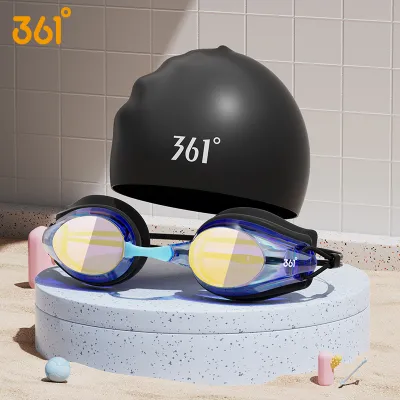
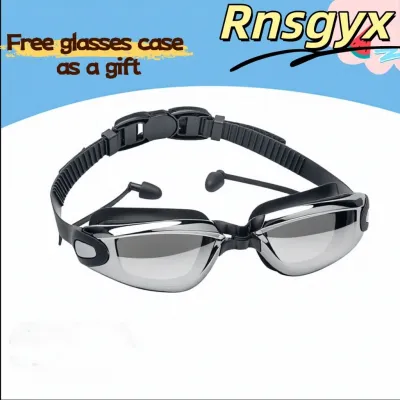
Prices are valid at publication and may change. Please refer to the product page for the latest price.
First, perform the strapless suction test. Gently press the goggle lenses against your child’s eyes without placing the strap over their head. If the goggles stick to the face for a few seconds through natural suction alone, the frame shape is a good match for their facial structure.
Second, evaluate the seal perimeter. Look closely at where the silicone gasket contacts the skin. The seal should rest evenly on the outer bones of the eye socket, avoiding any direct pressure on the sensitive soft tissue of the eyelids or the eyeballs themselves.
Third, set the correct strap tension. The head strap should only exert enough pressure to keep the goggles from shifting when your child moves. If you must pull the straps tight to stop water from entering, the goggles do not fit properly, and the excessive tension will likely cause headaches or deep red marks.
Decoding Goggle Sizes: Why Face Shape Matters More Than Age
When browsing the aisles of a sports store or scrolling through online marketplaces, you will notice that most kids’ goggles are categorized by age brackets, such as “toddler” (typically ages 2 to 5) or “junior” (typically ages 6 to 12). While these categories offer a helpful starting point, they do not account for the vast diversity in children’s facial growth patterns. Two seven-year-olds can have completely different facial widths, nose bridge heights, and eye socket depths, meaning a standard junior goggle might fit one perfectly while leaking constantly on the other.

Toddler goggles are engineered with highly flexible, oversized frames and incredibly soft gaskets. These design elements are intended to distribute pressure across a wider surface area, accommodating the rounder, softer facial features of very young children. Junior goggles, on the other hand, feature narrower profiles, more defined nose bridges, and firmer structural support to match the developing bone structure of older kids. If your child has a particularly petite face, they may continue to find a toddler-sized goggle more comfortable even after they reach school age. Conversely, older children with broader features or a more prominent nasal bridge might transition into adult-sized small frames sooner than expected.
To make an informed choice, you can estimate your child’s facial dimensions at home. Use a soft, flexible measuring tape to measure the distance between the outer temples, right where the goggle frame would sit. Additionally, observe the depth of their eye sockets and the height of their nose bridge. Children with flatter nasal bridges often require goggles with flexible, self-adjusting nose pieces or specialized low-profile frames that sit closer to the face. Those with high, prominent nose bridges will benefit from frames that offer interchangeable nose pieces of varying widths to prevent the plastic center from pinching the skin.
Choosing the Right Seal: Eye Cup Shapes and Silicone Types
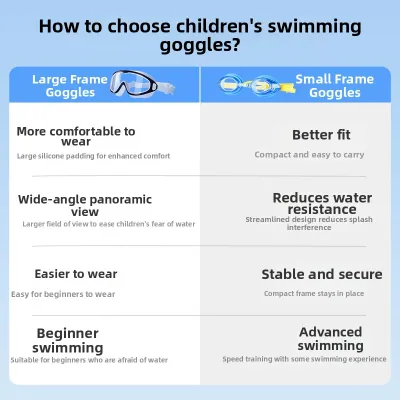
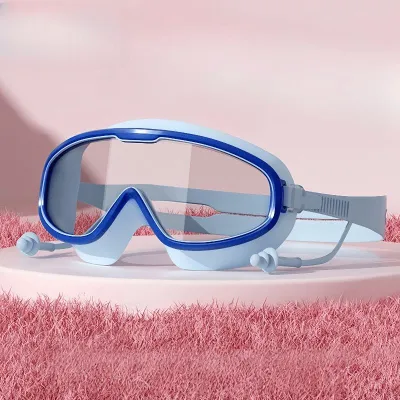
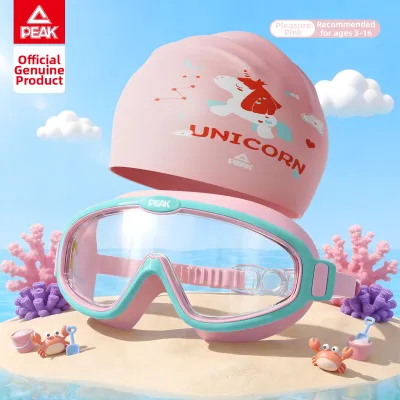
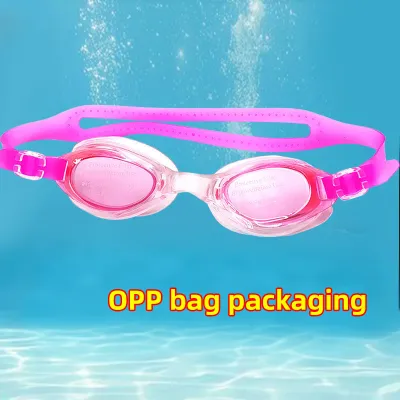
The gasket—the soft material that makes direct contact with your child’s face—is the most critical component for preventing leaks and ensuring long-term comfort. Gaskets generally fall into two design categories: flat, low-profile eye cups and curved, wider eye cups. Low-profile designs sit deep within the eye socket, which reduces water resistance and is highly favored by competitive youth swimmers. However, because they sit closer to the eye, they require a highly precise fit to avoid pressing against the eyelashes or eyelids. Wider, curved eye cups sit on the outer orbital bone, offering a more forgiving fit, a broader field of vision, and a less restrictive feel that is ideal for recreational swimming and beach play.
The material of the gasket also plays a vital role in performance, especially in tropical climates like the Philippines. High-quality, hypoallergenic liquid silicone is the industry standard for kids’ goggles. This material remains incredibly soft and flexible even when exposed to intense tropical sun, chlorine, and saltwater. Cheaper goggles may use plastic-heavy compounds or low-grade rubber gaskets, which tend to stiffen, crack, and lose their sealing properties quickly when stored in warm, humid environments. Soft silicone gaskets conform gently to the skin’s natural contours, minimizing the risk of skin irritation and allergic reactions during extended swimming sessions.
When evaluating the eye cups, always check for proper clearance inside the lens. Have your child put the goggles on and blink several times. If their eyelashes brush against the inner surface of the lens, the eye cups are too shallow. This constant contact will not only distract your child but will also transfer natural oils from their eyelashes onto the lens, quickly ruining any anti-fog coating and impairing their underwater vision. Finally, match the lens type to your swimming venue: clear or light-colored lenses are best for indoor pools, while tinted or mirrored lenses help reduce glare during bright outdoor sessions at the beach or open-air pools.
Fine-Tuning the Fit: Straps and Nose Bridge Adjustments
Even a perfectly sized goggle frame will leak if the straps and nose bridge are not adjusted correctly. Goggle straps generally come in two configurations: single-strap designs and split-strap designs. Single straps are simple to put on but can easily slide down the back of the head during active play. Split straps divide into two bands that cradle the crown of the head, providing superior stability. For the best results, position the lower band just below the widest part of the back of the head and the upper band slightly higher on the crown. This dual-point anchor prevents the goggles from slipping down or riding up when your child dives or swims.
Adjusting the strap tension requires a gentle, incremental approach. Many parents make the mistake of pulling the straps as tight as possible to guarantee a waterproof seal. However, over-tightening actually distorts the flexible silicone gasket, pulling it away from the face and creating new gaps for water to seep through. It also places unnecessary pressure on the delicate blood vessels around the eyes, leading to discomfort and red rings. Teach your child that the strap’s job is simply to hold the goggles in place, while the suction of the eye cups does the actual work of keeping the water out.
The nose bridge is another critical adjustment point that is frequently overlooked. Many high-quality kids’ goggles come with interchangeable nose bridges in small, medium, and large sizes, or feature a flexible, notched bridge that can be adjusted manually. If the nose bridge is too wide, the eye cups will sit too far apart, creating gaps near the inner corners of the eyes where water will immediately enter. If the nose bridge is too narrow, the goggles will pinch the sides of the nose and pull the outer edges of the eye cups away from the temples. Taking the time to swap out or adjust the nose piece until the eye cups sit squarely over each eye is essential for a customized, leak-free fit.
Step-by-Step Guide to Testing the Goggles on Your Child
To ensure a successful fit before your child takes their first splash, follow this systematic testing process at home or in the store.
First, prepare your child’s face. Ensure their skin is clean, dry, and free of heavy sunscreens, moisturizers, or natural oils, as these substances can prevent the silicone gasket from forming a secure vacuum. If they have long hair, pull it back into a ponytail or tuck it into a swim cap to keep stray strands away from the forehead and temples.
Second, conduct the suction test. Have your child look slightly downward. Press the goggle frames gently against their eye sockets without using the head strap. Instruct them to release their hands. The goggles should remain suctioned to their face for at least two to three seconds. While the goggles are suctioned, ask your child to smile, talk, or wiggle their jaw. If the suction breaks immediately during these facial movements, it indicates that the frame shape does not match their natural facial contours, and you should try a different model.
Third, secure the straps and perform a wear test. Once a pair passes the suction test, place the straps over your child’s head, adjusting them to a comfortable, snug tension. Let them wear the goggles for three to five minutes while they walk around, play, or read. This brief trial period allows any slow-developing pressure points to become apparent. After removing the goggles, inspect their face. Light, temporary marks are normal and will fade quickly, but deep red indentations or complaints of pain mean the goggles are either too tight or the wrong shape.
Troubleshooting Leaks and Discomfort After Fitting
If your child’s goggles fit perfectly during the dry test but begin to leak once they enter the water, you can resolve most issues with a few quick adjustments.
The most common culprit behind sudden leaks is trapped hair or gear. Even a single strand of hair, a portion of an eyebrow, or the edge of a silicone swim cap caught beneath the gasket will break the vacuum seal and allow water to slowly trickle in. Always double-check the perimeter of the seal after your child puts their goggles on, smoothing away any stray hairs and ensuring the gasket rests directly on clean skin.
If you notice water consistently entering near the inner corners of the eyes, the issue is almost always related to the nose bridge. Try swapping to a narrower nose bridge size to pull the eye cups closer together, or adjust the angle of the head strap. Raising the strap slightly higher on the back of the head can change the angle of pull, helping to press the inner edges of the goggles more firmly against the nasal cavity.
Finally, recognize when to stop tightening. If a pair of goggles continues to leak despite adjusting the nose bridge and clearing away hair, do not attempt to solve the problem by pulling the straps tighter. Over-tightening can cause bruising, eye strain, and a strong dislike of swimming altogether. If a comfortable strap tension cannot stop the leaks, it is a clear sign that the frame size or shape is incorrect, and it is time to size up, size down, or try a different style of gasket.
Frequently Asked Questions (FAQ)
Should I buy prescription goggles for my child?
If your child wears corrective glasses daily and struggles to see clearly in the pool, prescription swimming goggles can significantly improve their confidence and safety. Signs that your child might need optical lenses include squinting to see the pool edge, difficulty recognizing coaches or parents from a distance, or swimming off-course in a lane. You should always consult an eye care professional to obtain an accurate diopter measurement before purchasing. Many sports retailers and online marketplaces offer affordable, pre-made step-diopter goggles (ranging from ₱600 to ₱1,500) that match standard prescriptions in simple increments, while custom-made lenses are available for children with complex prescriptions or astigmatism.
How often do kids need to replace their swimming goggles?
Children’s swimming goggles generally need to be replaced every six to twelve months, depending on how frequently they are used and how they are stored. Over time, exposure to chlorine, saltwater, and intense tropical heat will degrade the silicone gaskets, causing them to become stiff, brittle, or yellowed, which ruins their ability to form a seal. You should also regularly inspect the head straps for a loss of elasticity or visible cracking. Additionally, keep in mind that children experience rapid growth spurts; a pair of goggles that fit perfectly at the start of the summer may become too narrow or pinch the nose bridge just a few months later, requiring a size upgrade to maintain comfort and safety.
Community discussion
Share your experience or ask a question. Comments are reviewed before publication.