
Selecting the right 5kg dumbbell pair for your home workouts is one of the most practical steps you can take to establish a consistent fitness routine. A 5kg weight is highly versatile, serving as an excellent baseline for upper-body exercises, high-repetition endurance training, and lower-body isolation movements. However, because home workout environments differ significantly from commercial gyms, making the right choice requires looking beyond just the weight number. In the Philippines, factors such as high tropical humidity, limited apartment floor space, and the type of flooring in your home play a critical role in determining which dumbbell design will serve you best over the long term.
By understanding how different materials, shapes, and coatings perform under daily use, you can avoid common purchasing mistakes and select a pair that matches your physical space and training style. This guide breaks down the essential criteria, material differences, and practical considerations to help you make an informed decision.
Quick Criteria for Choosing Your 5kg Dumbbell Pair
Before browsing online marketplaces, you must assess your immediate workout environment and physical needs. The space you have available for both exercise and storage should dictate the physical size and shape of the dumbbells you choose. If you live in a compact condominium or a shared apartment, space-saving designs that can be easily tucked under a bed or stacked in a closet are highly beneficial. Fixed-weight dumbbells do not require assembly, but they do occupy permanent physical space, so choosing a shape that does not roll away is a primary safety consideration.
Products mentioned in this guide
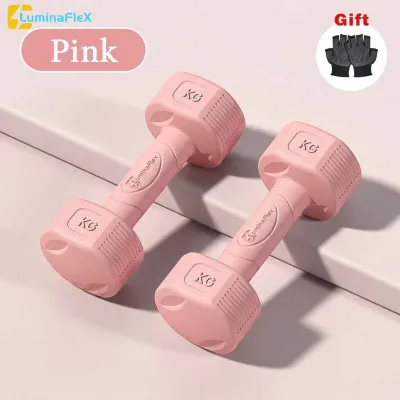
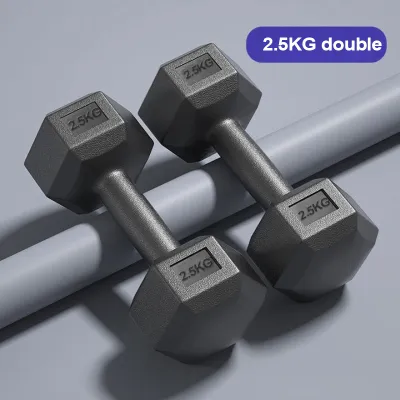
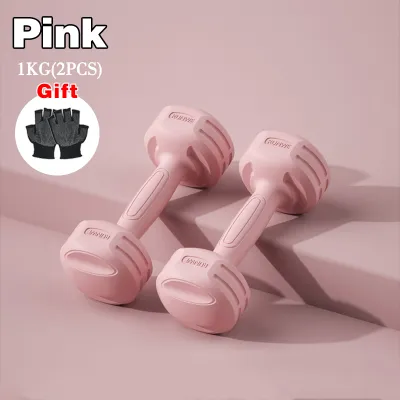
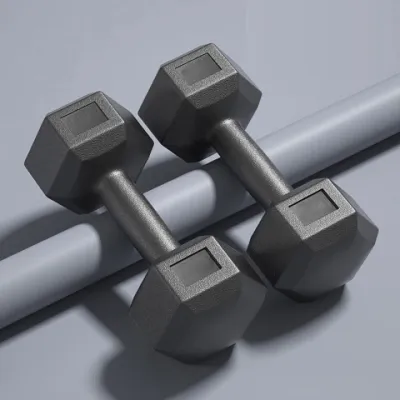
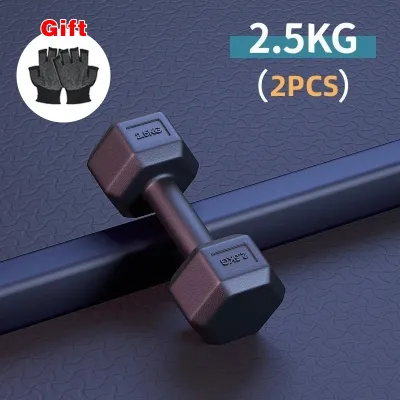
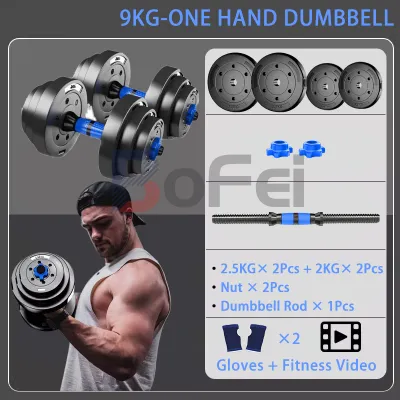
Prices are valid at publication and may change. Please refer to the product page for the latest price.
Your physical hand size and grip strength are equally important when selecting a 5kg pair. Dumbbell handles vary in diameter and texture; a handle that is too thick can cause premature forearm fatigue, while one that is too thin may lead to hand cramping during high-repetition sets. For most users, a handle diameter between 25mm and 30mm offers a comfortable, secure hold that allows you to focus on form rather than grip strain.
Finally, consider your flooring and living situation. Dropping bare metal weights on ceramic tiles, marble, or laminate flooring—which are common in many Philippine homes—can cause costly structural damage and create significant noise. If you train in a shared space or an upper-level apartment, prioritizing floor protection and noise reduction is essential. Coated dumbbells or those paired with dedicated protective mats are highly recommended to cushion impacts and keep your workouts quiet.
Key Features to Evaluate Before Buying
When evaluating different 5kg dumbbell options, the handle texture and knurling depth are critical for safety and comfort. Knurling refers to the crosshatch pattern cut into metal handles to increase friction and prevent slipping. For a 5kg weight, which is frequently used for high-rep movements like lateral raises or shoulder presses, a medium or light knurling is ideal. It provides a secure grip even when your hands are sweaty, without being so aggressive that it tears your skin or causes painful calluses. If you prefer a softer feel, non-slip textured coatings like neoprene offer a comfortable alternative to bare metal knurling.

Weight distribution and balance are also vital for maintaining proper exercise mechanics. A well-constructed dumbbell distributes its weight evenly between both heads. If a dumbbell is poorly balanced, it can twist in your hand during movement, putting unnecessary strain on your wrists and elbows. When purchasing online, look for solid-cast designs where the handle and heads are integrated as a single piece, as these are far less likely to suffer from loose, rattling heads over time.
In the Philippines, the tropical climate and high relative humidity present a unique challenge for fitness equipment. Sweat and moisture in the air can quickly cause exposed iron to rust, leading to peeling paint and a rough, degraded surface. The outer coating of your dumbbells acts as the primary barrier against this environmental wear. High-quality coatings such as urethane, thick rubber, or dense neoprene completely seal the inner core, protecting the metal from oxidation and ensuring the dumbbells remain hygienic and smooth to the touch for years.
Comparing Dumbbell Shapes and Core Materials
The physical shape of a dumbbell head directly impacts its safety and utility during a workout. Hexagonal (six-sided) dumbbells are highly favored for home gyms because they cannot roll across the floor. This stability is a crucial safety feature if your home has slightly uneven floors, and it also allows you to use the dumbbells as stable handles for floor-based exercises like push-ups, plank rows, or mountain climbers. Round dumbbells, while classic, will roll freely if placed on an uneven surface, which can pose a hazard to pets, children, or nearby furniture.
The core material of the dumbbell determines its overall size, density, and long-term durability. Solid cast iron cores are highly dense, resulting in a compact dumbbell that is easy to maneuver through a full range of motion. Because the material is solid, these dumbbells are incredibly durable and virtually indestructible under normal home use. In contrast, cement-filled or sand-filled dumbbells, which are typically encased in a plastic or PVC shell, are much less dense. This means a 5kg cement-filled dumbbell will be significantly larger and bulkier than a 5kg cast iron counterpart.
This difference in physical size is not just aesthetic; it directly affects your exercise form. A bulky, oversized dumbbell can restrict your movement, bumping against your body or the other dumbbell during exercises like bicep curls or chest presses. Furthermore, cement-filled options are prone to cracking or leaking if dropped repeatedly, as the outer plastic shell can split over time. While cement-filled dumbbells are often highly budget-friendly, solid cast iron cores offer superior longevity and a more streamlined workout experience.
When shopping online, it is also crucial to watch out for misleading product descriptions. Some listings may advertise a “5kg Dumbbell Pair” but actually ship two 2.5kg weights that total 5kg together. Always read the product specifications carefully to verify whether the weight rating is “per piece” or “per pair” to avoid receiving weights that are too light for your training needs.
Coating and Finish Comparison Matrix
To help you visualize the practical differences between various dumbbell finishes, the table below compares the most common coatings based on grip feel, floor safety, humidity resistance, and ideal user profiles.
| Coating/Material | Grip Feel | Floor Safety | Humidity Resistance | Ideal User |
|---|---|---|---|---|
| Bare Cast Iron | Textured (if knurled) or smooth; can be slippery when wet | Low; can easily scratch or crack tiles | Low; prone to rust without regular maintenance | Users with dedicated gym flooring who prefer a traditional feel |
| Neoprene | Soft, matte, and slightly textured; excellent grip when sweaty | Medium; cushions minor impacts | High; completely seals the core from moisture | Beginners and those performing high-rep cardio or toning workouts |
| Rubber | Firm and grippy; may have a strong initial odor | High; excellent impact absorption | High; protects well against sweat and humidity | General home fitness enthusiasts looking for durable floor protection |
| Urethane | Smooth, hard, and highly durable; odorless | High; highly resistant to chipping and scuffing | Very High; premium protection against moisture | Long-term lifters wanting commercial-grade durability for home use |
| Cement-filled (PVC) | Smooth plastic; can become slippery with sweat | Medium; soft outer shell but bulky | High; plastic shell does not rust | Budget-conscious buyers looking for an entry-level option |
Pre-Purchase Checklist for Online Orders
Ordering heavy fitness equipment online in the Philippines requires extra diligence to ensure a smooth delivery and avoid return hassles. Because shipping fees are calculated by weight, returning a defective or incorrect 10kg package (a pair of 5kg dumbbells) can be costly and inconvenient. Use this checklist to verify your purchase before checking out:
- Verify the Weight Specification: Confirm that the listing is for a pair of 5kg dumbbells (10kg total shipping weight) and not a single 5kg dumbbell or a pair of 2.5kg weights.
- Check the Weight Tolerance: Mass-produced weights can vary slightly from their stated weight. Check the product description or seller Q&A to see if they specify a weight tolerance (e.g., within 3% of 5kg). Reading customer reviews where buyers have weighed the items on digital scales can provide realistic expectations.
- Review the Seller's Return and Warranty Policy: Ensure the seller offers a clear return policy for items that arrive damaged, cracked, or with uneven weights. Look for shops that provide local warranty support or hassle-free replacements for shipping damage.
- Calculate the Total Shipping Cost: Heavy items can incur substantial shipping surcharges, especially if you live outside Metro Manila or in provincial areas across Luzon, Visayas, or Mindanao. Compare the total landed cost (price plus shipping) across different sellers before making your final choice.
- Inspect Customer Photos for Quality Control: Look closely at user-uploaded photos in the review section. Check for signs of poor manufacturing, such as peeling coatings, exposed metal seams, uneven handles, or leaking sand/cement from PVC models.
Frequently Asked Questions (FAQ)
Is a 5kg dumbbell pair heavy enough for building muscle?
Yes, a 5kg dumbbell pair can absolutely be used to build muscle, particularly if you focus on specific training strategies designed for moderate loads. While heavy weights are traditionally associated with rapid muscle hypertrophy, you can achieve significant muscle stimulation with 5kg weights by increasing your time under tension, performing higher repetition ranges (such as 15 to 25 reps per set), and shortening your rest periods between sets.
To maximize the effectiveness of a 5kg pair, focus on unilateral (one-sided) movements and isolation exercises. Exercises like single-arm overhead presses, lateral raises, rear delt flies, and bicep curls are highly effective with 5kg weights because these smaller muscle groups do not require massive loads to reach fatigue. For lower-body exercises, you can increase the difficulty by performing single-leg Romanian deadlifts or Bulgarian split squats, which place a greater demand on your balance and target muscles without needing heavier external resistance.
How do I clean and maintain rubber or neoprene dumbbells?
Maintaining your dumbbells is essential for preserving their grip and preventing the buildup of sweat, oils, and bacteria, especially in the humid Philippine climate. To clean rubber or neoprene dumbbells, wipe them down after every workout with a damp microfiber cloth. For a deeper clean, use a mild solution of warm water and a few drops of gentle dish soap. Avoid using harsh chemical cleaners, bleach, or alcohol-based sanitizers, as these can dry out and degrade rubber or cause neoprene to peel and lose its soft texture.
After cleaning, always dry your dumbbells thoroughly with a clean towel and leave them in a well-ventilated area away from direct sunlight. Storing coated dumbbells in direct sunlight can cause the colors to fade and the materials to break down or become sticky. To prevent mold, mildew, or unpleasant odors from developing, avoid storing your dumbbells in damp, enclosed spaces like unventilated closets or plastic storage bins immediately after a sweaty workout.
Community discussion
Share your experience or ask a question. Comments are reviewed before publication.