
Finding the ideal adjustable dumbbell, locally referred to as a dambel, for a home gym in the Philippines requires balancing space efficiency, durability, and your specific fitness goals. Because tropical humidity can accelerate rust and residential spaces in metropolitan areas are often compact, a single set of adjustable weights offers an excellent alternative to a full rack of fixed dumbbells. The right choice depends on whether you prioritize rapid weight transitions for high-intensity interval training or rugged durability for heavy strength lifts. By evaluating the adjustment mechanisms, weight increments, and material builds, you can select a system that safely supports your progressive overload journey without cluttering your living room.
Assessing Your Home Gym Space and Training Goals
Before purchasing a dambel set, you must measure your designated workout area to ensure both safe storage and sufficient clearance during exercise. A standard adjustable dumbbell set requires a flat, stable surface for its cradle or storage tray, but the actual space needed during a workout is much larger. You must account for your full arm span and the physical path of the weights during dynamic movements like lateral raises, chest presses, and overhead extensions. Bumping into walls, furniture, or low ceilings not only risks damaging your home but can also cause severe loss of balance and physical injury during a lift.
Your primary training style dictates the weight increments and total capacity your set must support. If your routine focuses on isolation movements like bicep curls, tricep extensions, or lateral raises, you will need smaller weight increments, such as 1 kg to 2 kg steps, to progress safely. Conversely, compound movements like squats, deadlifts, and lunges require heavier total weight capacities but can tolerate larger increment jumps. Choosing a set that does not match your training style can stall your progress, either because the minimum weight is too heavy for delicate shoulder exercises or the maximum weight is too light to challenge your lower body.
Products mentioned in this guide
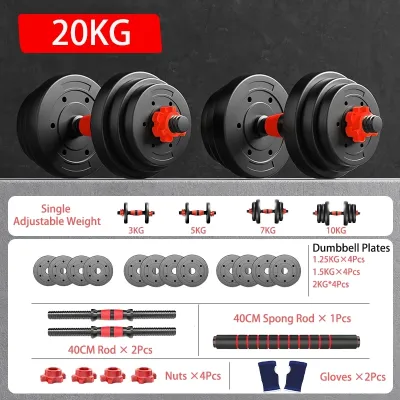
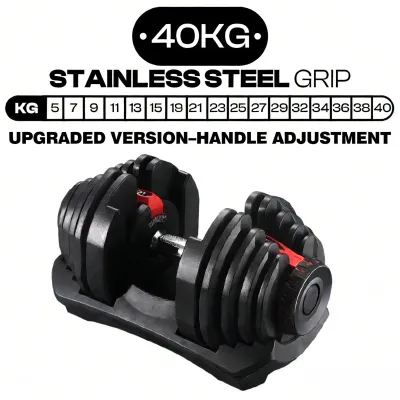
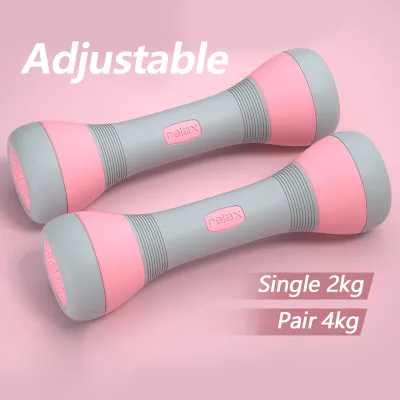
Prices are valid at publication and may change. Please refer to the product page for the latest price.
Setting a realistic budget in ₱ is the final step in your initial assessment, and it must account for more than just the sticker price. High-quality adjustable dumbbells are heavy, which means shipping fees to provinces outside Metro Manila can add a significant premium to your total cost. It is wise to allocate a portion of your budget to safety accessories, such as a rubberized floor mat to protect your tiles or wood flooring from accidental impacts. Investing in a slightly more expensive set with a verified local warranty often saves money in the long run compared to cheap, unbranded alternatives that may fail after a few months of heavy use.
Comparing Adjustable Dumbbell Mechanisms
Adjustable dumbbells generally fall into two main categories: dial-selector systems and traditional spin-lock designs, each offering distinct trade-offs in speed and durability. Dial and selector pin systems allow you to change weights in seconds by simply turning a dial or moving a pin while the handle rests in its cradle. This rapid transition is highly beneficial for supersets, drop sets, and fast-paced circuit training where keeping your heart rate elevated is a priority. However, these systems rely on complex internal gears, plastic selector discs, and precise alignments, making them highly vulnerable to damage if they are dropped or struck against each other.

In contrast, spin-lock and plate-loaded designs utilize threaded steel bars and spin-on collars to secure individual weight plates. While changing weights on a spin-lock dambel takes significantly longer—requiring you to manually unscrew the collar, slide plates on or off, and tighten the collar back down—this mechanism is incredibly robust. With fewer moving parts to break, plate-loaded systems can withstand much rougher handling and are generally more affordable. The trade-off is a larger physical footprint, as the threaded ends of the bar remain long regardless of how little weight you are lifting, which can restrict your range of motion on certain exercises.
Regardless of the mechanism you choose, performing routine safety checks on the handle and locking system is critical to prevent catastrophic plate disengagement. Before lifting any adjustable dumbbell over your face or body, verify that the locking pins are fully seated or that the spin-lock collars are completely tightened against the plates. For dial systems, lift the handle slightly within the cradle to ensure no loose plates are clinging to the sides before initiating your set. If you hear clicking, rattling, or feel any shifting of the plates during a practice lift, stop the exercise immediately and inspect the mechanism for wear or debris.
Selecting the Right Weight Range and Increments
Selecting the correct weight spectrum is vital for ensuring your dambel set remains useful as your strength develops over time. For beginners, a set that starts as low as 2 kg to 4 kg per dumbbell allows for proper form mastery on complex movements without straining joints and tendons. Intermediate lifters should look for sets that top out at 20 kg to 24 kg per hand, which provides ample resistance for upper-body pressing and rowing movements. If you are already accustomed to heavy strength training, you may need to seek out heavy-duty sets that reach 32 kg to 40 kg per dumbbell to avoid outgrowing the equipment within your first year.
The size of the weight increments is just as important as the maximum capacity, especially when practicing progressive overload. Large jumps of 5 kg per step can be incredibly difficult to overcome on isolation exercises like overhead tricep extensions or rear delt flies, where a 5 kg increase represents a massive percentage jump in resistance. Look for systems that offer smaller, micro-adjustments of 1 kg to 2.5 kg, which allow for smooth, incremental strength gains and reduce the risk of injury. Some advanced dial systems even feature half-weight settings, allowing you to offset the weight on either side of the handle for highly precise progression.
If you are uncertain about your long-term strength potential or are working with a limited initial budget, expandable dumbbell sets are an excellent option. These systems allow you to purchase a lighter base set first and then buy add-on weight plates or longer handle kits later as your strength increases. When evaluating expandable options, verify the availability of these upgrade kits from local distributors in the Philippines, as importing heavy steel plates independently can be prohibitively expensive. Ensure that the base handle is structurally rated to support the maximum expanded weight specified by the manufacturer before adding extra plates.
Evaluating Build Quality, Grip, and Ergonomics
The physical connection between your hand and the dumbbell determines both your safety and your comfort during high-rep or heavy lifting sessions. Inspecting the handle knurling—the cross-hatched pattern cut into the metal—is essential for maintaining a secure grip when your hands become sweaty in warm tropical weather. A knurling pattern that is too shallow can become slippery, while a pattern that is too aggressive can tear your skin during high-volume workouts. Additionally, check the handle diameter; standard handles are typically around 28 mm to 32 mm, but individuals with smaller hands may find thicker handles fatigue their grip prematurely.
Beyond the handle, you must evaluate the housing materials of the weight plates and the storage trays to gauge long-term durability. High-quality plates are typically made of solid cast iron or steel, often coated in urethane or heavy-duty rubber to dampen noise and prevent rust. Avoid sets that rely heavily on thin ABS plastic casings filled with sand or concrete, as these are prone to cracking, leaking, and shifting weight over time. The storage tray or cradle should also be constructed from impact-resistant composite materials or reinforced steel, as it must bear the full weight of the set every time you re-rack the dumbbells.
Finally, always verify the manufacturer’s warranty terms and the presence of local after-sales support before finalizing your purchase. Because adjustable dumbbells contain proprietary mechanical parts, a broken dial or a cracked selector plate cannot easily be repaired with generic hardware store components. A reliable brand should offer at least a one-year warranty that covers mechanical failures under normal usage conditions. Confirming that the seller has a physical service center or a responsive customer support channel in the Philippines ensures you can source replacement parts or execute a warranty claim without shipping the heavy items back overseas.
Maximizing Space Efficiency in Compact Living Areas
One of the primary reasons fitness enthusiasts choose an adjustable dambel set is to save valuable floor space in apartments, condominiums, or shared rooms. An all-in-one dial system with a dedicated cradle typically occupies a footprint no larger than a pair of shoeboxes, replacing up to fifteen individual pairs of fixed dumbbells. When planning your layout, place the cradles on a dedicated, low-profile dumbbell stand or a sturdy shelf rather than directly on the floor. This elevated position makes it much easier to lift and re-rack the weights using proper lifting mechanics, reducing strain on your lower back.
In the humid tropical climate of the Philippines, choosing the right storage location is critical to protecting the internal metal gears and preventing rust. Avoid storing your adjustable dumbbells on open balconies, near laundry areas, or in rooms prone to high humidity and direct sunlight, as moisture can quickly degrade lubricants and corrode locking pins. If you must store your equipment in a non-air-conditioned space, consider placing silica gel packets inside the storage trays and wiping down the metal components regularly. Keeping the dumbbells in a dry, well-ventilated corner of your living room or bedroom will significantly extend their operational lifespan.
For those utilizing plate-loaded spin-lock systems, managing loose plates requires a bit of organizational planning to prevent clutter and tripping hazards. Utilize vertical plate trees or compact under-bed storage containers with heavy-duty casters to keep extra plates organized and out of sight when not in use. Labeling your storage bins or organizing plates by weight class ensures you can quickly find the correct plates during your workout transitions. By keeping your training space organized and free of loose equipment, you create a safer, more inviting environment that encourages consistent home workouts.
Frequently Asked Questions (FAQ)
Can I drop adjustable dumbbells on the floor during a workout?
No, you should never drop adjustable dumbbells, especially those utilizing dial or selector pin mechanisms. The internal gears, selector discs, and alignment pins are precision-engineered components that can easily crack, bend, or misalign under the force of an impact. Even a short drop onto a carpeted floor can ruin the locking mechanism, rendering the entire set unusable or, worse, causing plates to fall off unexpectedly during a future lift. To protect your investment and ensure your safety, always lower the weights to the floor in a controlled manner, or perform your heavy lifts over thick rubber gym tiles that can absorb minor impacts.
How do I clean and maintain the adjustment mechanism?
Maintaining your adjustable dambel set involves keeping the moving parts free of sweat, dust, and debris without using damaging chemicals. After every workout, wipe down the handles, plates, and cradles with a clean, dry microfiber cloth to remove sweat, which contains corrosive salts. For deeper cleaning, use a slightly damp cloth with mild soap, but avoid spraying water or liquid cleaners directly into the dial mechanisms. Never apply heavy automotive grease or liquid lubricants like WD-40 to the selector gears, as these substances attract dust and hair, which will eventually clog the mechanism and cause it to jam.
Are adjustable dumbbells suitable for heavy powerlifting?
While adjustable dumbbells are excellent for general strength training, bodybuilding, and fitness conditioning, they are generally not designed for extreme powerlifting. Most consumer-grade adjustable sets have a maximum weight limit of around 24 kg to 40 kg per hand, which may not be sufficient for advanced lifters performing heavy compound presses or rows. Additionally, the physical length of adjustable dumbbells remains constant regardless of the weight selected, resulting in bulky ends that can collide or restrict your range of motion during tight movements. For competitive powerlifting preparation, a combination of a heavy barbell and heavy-duty fixed dumbbells remains the standard choice.
Community discussion
Share your experience or ask a question. Comments are reviewed before publication.