
Finding the right bike for an adult woman is not about finding a pink frame; it is about matching your specific riding goals and physical proportions to the correct frame geometry and component setup. Whether you are navigating the bustling streets of Metro Manila, cruising along coastal roads, or tackling weekend fitness trails, the right bicycle must support your body’s natural alignment. By analyzing your daily routes, flexibility, and physical measurements, you can confidently select a ride that prevents joint strain and maximizes your pedaling efficiency.
Identify Your Primary Riding Purpose
In the Philippines, daily commuting often means dealing with unpredictable road conditions, sudden tropical downpours, and heavy traffic. If your primary goal is to bypass gridlock on your way to work, you will need a bicycle designed for efficiency, visibility, and durability. These rides typically require mounting points for mudguards to protect your clothes from muddy splashes and rear racks to carry your office bag or groceries.
For those focused on weekend leisure or fitness, the requirements shift toward comfort and versatility. You might find yourself riding on a mix of paved park paths and unpaved gravel roads. A bike that can handle multiple surfaces without losing speed or stability will keep your weekend adventures enjoyable.
Products mentioned in this guide

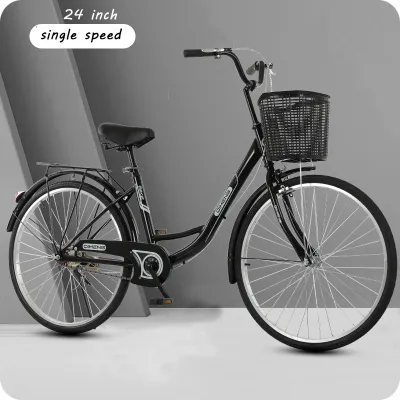
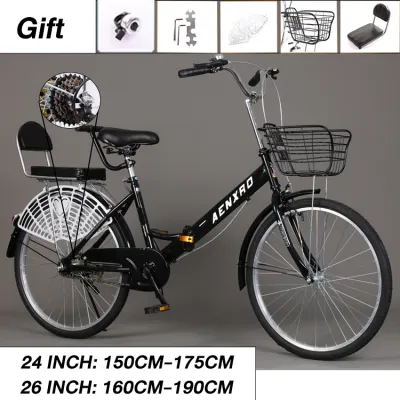
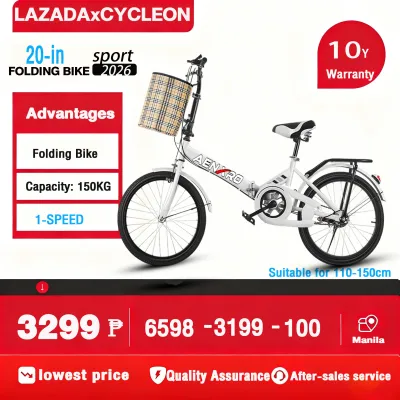
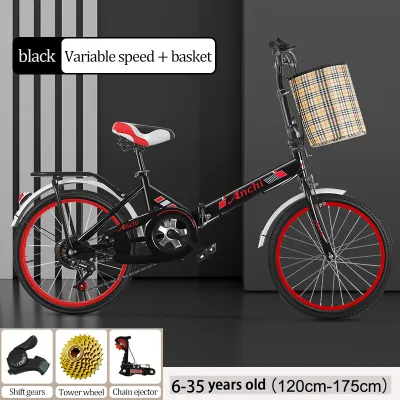
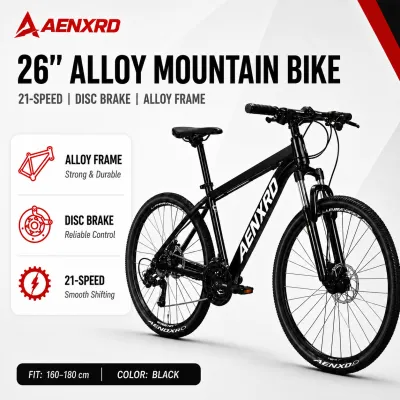
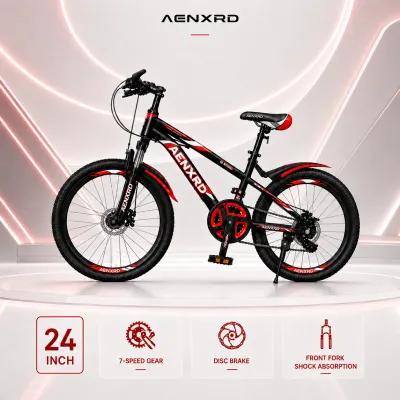
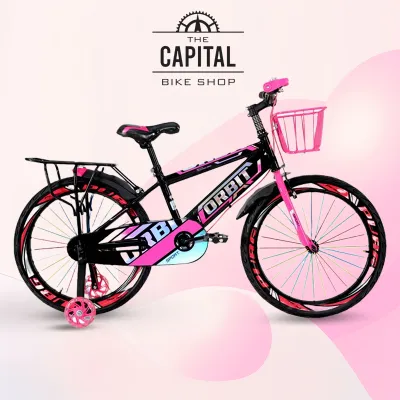
Prices are valid at publication and may change. Please refer to the product page for the latest price.
Your riding frequency also dictates how much you should invest in durable components. A daily commuter needs robust, low-maintenance parts that can withstand high humidity and frequent rain, whereas an occasional weekend rider might prioritize comfort features like a plush saddle and upright handlebars.
Setting a realistic budget in Philippine Pesos (₱) is an essential first step. Entry-level recreational options often start around ₱5,000 to ₱10,000, while durable daily commuters and versatile multi-surface hybrids with quality gear systems typically range from ₱12,000 to ₱25,000 or more. Allocating a portion of your budget for essential safety gear, such as a well-ventilated helmet and bright lights, ensures you are fully prepared for local road conditions.
Assess Your Body Type and Comfort Needs
Physical proportions vary greatly, and standard bike sizing based solely on height often overlooks critical differences in torso and limb length. Women frequently have relatively longer legs and shorter torsos compared to men of the same height. This anatomical difference means a standard unisex frame might feel too long, forcing you to stretch uncomfortably to reach the handlebars.

Measuring your inseam—the distance from your crotch to the floor—is far more accurate than relying on your overall height. A longer inseam relative to your torso requires a bike with a shorter top tube or a shorter stem to prevent overreaching, which can cause neck, shoulder, and lower back fatigue over time.
Flexibility and joint health are equally important when evaluating frame geometry. If you experience lower back stiffness or knee sensitivity, an aggressive, forward-leaning riding position will likely cause discomfort. An upright riding posture distributes your weight more evenly across your sit bones and reduces the strain on your wrists and lower back.
The choice between a step-through and a step-over frame is often a matter of mobility and convenience. Step-through frames feature a low top tube, allowing you to mount and dismount the bike without swinging your leg high over the rear wheel. This design is highly beneficial if you have limited hip flexibility, carry heavy cargo on a rear rack, or prefer wearing skirts and dresses during your commute.
Handlebar reach and width should match your shoulder span to ensure precise steering control and prevent shoulder tension. Handlebars that are too wide can force your arms into an awkward, flared position, while those that are too narrow can restrict your chest and make breathing more difficult during climbs.
Match Your Profile to the Right Bike Category
Once you understand your riding goals and physical proportions, you can match them to a specific bicycle category. The way a frame is shaped and the components chosen for it directly affect how the bike handles, how comfortable it feels over long distances, and how well it copes with different terrains.
City and Commuter Bikes
City and commuter bikes are engineered specifically for urban utility, offering an upright riding posture that keeps your head high and your eyes on the traffic ahead. This position maximizes visibility, which is crucial when navigating busy streets and crowded intersections.
These bikes are highly practical, featuring built-in mounting points for front and rear racks, baskets, and full-coverage fenders. Fenders are particularly valuable during the monsoon season, preventing dirty road water from spraying onto your back and legs.
The tires on city bikes are typically medium-width, designed to roll smoothly on asphalt while providing enough air volume to cushion the impact of potholes, road cracks, and uneven pavement. This balance of speed and shock absorption makes them highly efficient for daily point-to-point travel.
Hybrid Bikes
Hybrid bikes combine the speed of a road bike with the rugged durability of a mountain bike, making them a versatile choice for riders who want a single, do-it-all bicycle. They feature flat handlebars that offer steady steering control and a comfortable, semi-upright posture.
When choosing a hybrid, you must decide between a front suspension fork and a rigid fork. A suspension fork absorbs bumps on rough gravel paths and broken pavement, but it adds weight and requires more maintenance; a rigid fork is lighter and more efficient on smooth roads.
Hybrids typically offer a wide gear range, allowing you to climb steep hills with ease while maintaining good speed on flat stretches. This versatility is ideal if your routes include a mix of flat coastal roads and hilly inland terrain.
Cruiser Bikes
Cruiser bikes are designed purely for relaxed, low-speed leisure rides over short distances. They feature swept-back handlebars that allow you to sit completely upright, taking all pressure off your wrists and lower back.
These bikes are equipped with wide, heavily cushioned saddles that support your sit bones comfortably during casual rides. However, because cruisers are built with heavy steel or aluminum frames and wide, low-pressure tires, they require more physical effort to pedal up hills or over long distances.
While classic cruisers are single-speed with coaster brakes (activated by pedaling backward), multi-speed options are available and highly recommended if your local park or neighborhood has gentle inclines.
Step-Through Frames
Step-through frames, once categorized strictly as utility or vintage designs, are now available across city, hybrid, and even electric bike categories. Their primary advantage is the ease of mounting and dismounting, making them highly accessible for riders of all ages and physical abilities.
While older step-through designs sometimes suffered from frame flex due to the lack of a traditional top tube, modern engineering uses reinforced tubing to ensure reliable structural rigidity and stability.
Choosing a step-through frame does not mean sacrificing performance; it simply provides a safer, more convenient way to manage your bike, especially when stopping frequently at traffic lights or carrying heavy pannier bags.
Test Ride and Final Fit Checklist
Before finalizing your purchase at a local bike shop, a hands-on test ride is essential to verify that the bike fits your body comfortably. Start by checking the standover height: when standing flat-footed over the top tube, you should have at least an inch of clearance for a road or city bike, and more for a hybrid.
Next, evaluate the saddle height and position. When your foot is at the bottom of the pedal stroke, your knee should have a slight bend of about 80 to 90 percent extension; if your hips rock side to side while pedaling, the saddle is too high.
Pay close attention to your reach to the handlebars and brake levers. Your elbows should be slightly bent, not locked out, and you must be able to comfortably wrap your fingers around the brake levers to apply full stopping power without straining.
Finally, test the gear shifting mechanism while riding. The shifters should be easy to operate with your thumbs or fingers, allowing you to change gears smoothly without losing your grip on the handlebars or distracting you from the road ahead.
Frequently Asked Questions (FAQ)
Do I need a women-specific bike frame?
You do not strictly need a women-specific frame, as many women find a comfortable fit on unisex frames with minor component adjustments. Women-specific bikes often feature a shorter top tube to accommodate a shorter torso, narrower handlebars to match narrower shoulders, and smaller brake levers for smaller hands. However, if a unisex frame fits your height and inseam, you can easily customize it by swapping out the saddle, stem, or handlebars to achieve the same level of comfort.
How do I know if my bike saddle is the right width?
A saddle is the correct width when it fully supports your sit bones (the ischial tuberosities) rather than your soft tissues. If a saddle is too narrow, you will feel pressure and soreness in your soft tissues; if it is too wide, it can cause chafing on your inner thighs as you pedal. Keep in mind that heavy padding cannot compensate for a saddle that is the wrong width, as excessive cushioning can actually increase pressure on sensitive areas over longer rides.
Community discussion
Share your experience or ask a question. Comments are reviewed before publication.