
Starting a new sport like baseball in the Philippines is an exciting journey, but stepping up to the plate with the wrong equipment can quickly dampen your enthusiasm. If you are drawn to the sleek, commanding look of a black baseball bat, you are not alone, as this aesthetic is highly popular among players of all levels. However, choosing the right bat involves looking past the surface color to evaluate critical specifications like length, weight, material, and league certifications. By understanding how these factors interact with your physical build and local playing conditions, you can select a black bat that not only looks sharp but also helps you develop a clean, powerful swing.
Quick Guide to Selecting Your First Black Baseball Bat
Selecting your first bat requires balancing physical dimensions, league rules, and cosmetic preferences. For beginners, the primary metrics to consider are length, weight, and the resulting drop weight. A bat that is too heavy will slow down your swing and ruin your mechanics, while one that is too light might limit your power potential.
Beyond physical sizing, you must verify that the bat carries the correct certification stamp required by your local league or tournament organizers. A beautiful black bat is useless if a referee or umpire bans it from the game before your first at-bat.
Products mentioned in this guide
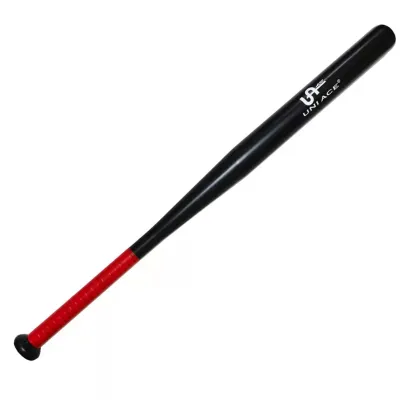
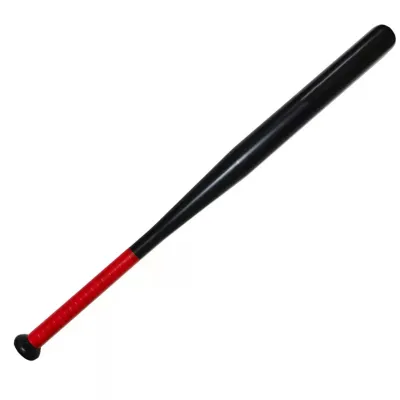
Prices are valid at publication and may change. Please refer to the product page for the latest price.
Finally, keep in mind the trade-off between aesthetics and durability. While a matte or glossy black finish looks incredibly striking when brand new, it is highly susceptible to showing scuffs, ball marks, and paint chips over time. Understanding this cosmetic reality beforehand will help you set realistic expectations for your gear’s appearance after a few intense practice sessions in the batting cages.
Key Specifications to Evaluate Before Buying
To narrow down your options, you must understand the technical labels printed on the barrel of every baseball bat. The most critical number for a beginner is the drop weight, which is calculated by subtracting the bat’s weight in ounces from its length in inches. For example, a bat that is 30 inches long and weighs 20 ounces has a drop weight of minus ten (-10). A larger negative number indicates a lighter bat relative to its length. Beginners generally benefit from a higher drop weight (such as -10 or -11) because a lighter bat allows for better control and faster swing speeds as you learn the fundamentals of contact.

Another key specification is the barrel diameter, which typically ranges from 2 1/4 inches to 2 5/8 inches or even 2 3/4 inches. A larger barrel diameter provides a wider hitting surface and a larger sweet spot, which is the optimal area on the bat for solid contact. However, larger barrels also add overall weight and may not be permitted in all youth or amateur leagues. For most beginners, starting with a standard barrel size approved by your league ensures you develop precise hand-eye coordination without relying solely on an oversized hitting surface.
You must also choose between a balanced and an end-loaded swing weight. Balanced bats distribute weight evenly throughout the entire length of the frame, allowing for a smooth, controlled, and fast swing. End-loaded bats, on the other hand, have extra weight concentrated near the end of the barrel, which can generate more power but requires significant strength and established mechanics to control. For anyone new to the sport, a balanced bat is highly recommended to prevent casting the hands and to help build a consistent, repeatable swing path.
Bat Materials and Black Finish Durability
Baseball bats are primarily constructed from alloy, composite materials, or traditional wood, each offering distinct characteristics for beginners. Alloy bats are highly durable, ready to use straight out of the box, and generally more affordable, making them an excellent starting point for new players. Composite bats, made from carbon fiber materials, offer a larger sweet spot and reduced vibration in the hands, but they require a break-in period of several hundred hits and can crack in cold weather, though the latter is rarely an issue in the warm climate of the Philippines. Wood bats offer the most classic feel and are excellent for training, but they have a much smaller sweet spot and can break easily on mis-hits near the handle.
When it comes to a black bat, the method used to apply the color significantly impacts how well the finish holds up. Anodized finishes, common on aluminum alloy bats, chemically bond the color to the metal, making them highly resistant to deep chipping, though they will still show surface scratches. Painted finishes, often found on both alloy and wood bats, offer a deep, rich color but are much more prone to chipping and flaking when they make contact with hard baseballs or dirt. Composite bats often feature a black composite weave or a specialized outer coating that holds color well but can still suffer from cosmetic scuffing.
When browsing product descriptions, look closely at how manufacturers describe the finish and what their warranties cover. Most bat warranties cover structural damage, such as dents or cracks, but explicitly exclude cosmetic wear like paint chips, scratches, or fading. If maintaining a pristine black look is highly important to you, prioritize bats that mention scratch-resistant coatings or anodized aluminum, and accept that some level of battle damage is an inevitable sign of a well-used bat.
Sizing the Bat to the Player's Body and League
Finding the right bat size is a highly individualized process that depends on your height, weight, and physical strength. A general rule of thumb for adults and older teens is to start with a bat length between 31 and 33 inches, while younger players will need something much shorter. To perform a quick physical fit test at home or in a local sporting goods store, place the knob of the bat in the center of your chest and extend your arm straight out parallel to the bat. If your fingertips can comfortably reach the end of the barrel, the length is likely appropriate for your reach.
Another reliable test is the arm-extension method. Hold the bat by the handle with one hand and extend your arm straight out to your side, parallel to the ground. If you can hold the bat completely steady for 30 seconds without your wrist dipping or your arm shaking, the weight is manageable for your current strength level. If your arm begins to sag immediately, the bat is too heavy, and you should look for a lighter model or a higher drop weight to avoid developing poor swing habits.
Before making any purchase, you must verify the specific certification stamps required by the league you plan to join in the Philippines. The three most common certifications are USA Baseball, USSSA, and BBCOR. Each certification governs how much pop or trampoline effect a bat can legally have. Playing with an uncertified or incorrectly certified bat can result in immediate disqualification from games, so always consult your league’s rulebook or ask your coach before buying.
Purchasing Channels and Authenticity Checks
In the Philippines, aspiring baseball players can source bats through physical sporting goods stores in major metropolitan areas or via reputable online marketplaces. Prices for beginner-friendly black bats can vary widely, typically starting around ₱2,500 for basic alloy models and climbing to ₱8,000 or more for mid-range composite options. While online shopping offers convenience and a wider selection of designs, it also introduces the risk of purchasing counterfeit or non-compliant equipment that may fail safety standards.
To protect yourself from counterfeit products, watch out for common red flags when browsing online listings. Suspiciously low prices, such as a premium composite bat listed for a fraction of its standard retail value, are a primary indicator of a fake. Inspect product photos carefully for blurry or missing certification stamps, misspelled brand names, and poor-quality packaging. Authentic bats will always feature crisp, clear graphics and official holographic decals or serial numbers from the manufacturer.
Additionally, always verify the seller’s return and exchange policies before finalizing your purchase. Because physical fit is so critical to your success as a hitter, you want the flexibility to return or exchange the bat if you realize the weight or length is incorrect once you hold it in your hands. Ensure the policy allows for returns of unused items in their original packaging, and avoid removing any protective plastic wrap from the barrel until you are absolutely certain the bat is the correct size and fully compliant with your league’s regulations.
Care and Maintenance for Black Baseball Bats
Proper care and maintenance are essential to preserve both the structural integrity and the sleek appearance of your black baseball bat. The tropical climate of the Philippines, characterized by high humidity and sudden rain showers, presents unique challenges for sports gear. Store your bat in a cool, dry indoor location rather than leaving it in the trunk of a hot car or in a damp outdoor utility closet. Extreme heat can weaken the adhesives used in composite bats, while high humidity can cause wood bats to absorb moisture, increasing their weight and making them prone to rotting or warping.
When cleaning your bat to remove dirt, mud, or ball marks, avoid using harsh chemical solvents, abrasive scrubbers, or heavy sanding, as these can easily strip away the black paint or anodized protective layers. Instead, wipe the barrel down with a soft, damp microfiber cloth and a small amount of mild dish soap, then dry it immediately with a clean towel. For stubborn scuff marks left by synthetic leather baseballs, a gentle rub with a specialized cleaning sponge can help restore the finish without damaging the underlying material.
Finally, establish a routine to inspect your bat regularly for signs of structural compromise. Run your hands along the barrel to feel for flat spots, dents, or subtle cracks, which are more common in alloy and composite bats after heavy use. If you notice any deep cracks, a loose end cap, or a rattling sound inside the barrel when you shake the bat, it has reached the end of its lifespan. Continuing to use a structurally compromised bat is highly discouraged, as it can shatter or break upon contact, posing a safety hazard to you and everyone on the field.
Frequently Asked Questions (FAQ)
Do black baseball bats perform differently than silver or white ones?
No, the color of a baseball bat is purely cosmetic and does not affect its core performance metrics, such as the trampoline effect, swing weight, or balance. A black bat made of the same alloy or composite material as a silver or white model will perform identically on the field. While some specialized matte black coatings might offer a slightly different surface texture, any difference in ball spin or friction is completely negligible, especially for beginners who are focusing on mastering basic swing mechanics.
Can I use a black bat in official youth leagues?
Yes, bat color is generally not restricted by major baseball governing bodies or youth leagues. The legality of a bat is determined solely by its official certification stamp (such as USA Baseball, USSSA, or BBCOR) and its physical dimensions, not its colorway. As long as your black bat features the correct, legible certification mark required by your specific league and meets the length and weight limits, you can legally use it in official games.
How do I handle chipped paint on a black aluminum bat?
Chipped paint on an aluminum bat is a normal cosmetic consequence of regular play and does not affect the bat’s structural integrity or performance. You should avoid using harsh chemical paint strippers or heavy sandpaper to fix it, as these methods can alter the bat’s weight distribution or thin out the metal walls, which can ruin the bat and violate league rules. If the chips bother you aesthetically, you can apply a tiny amount of matching black touch-up paint or outdoor enamel strictly to the affected spots, or simply embrace the scuffs as a sign of your dedication and hard work on the field.
Community discussion
Share your experience or ask a question. Comments are reviewed before publication.