
Finding the right court tape for marking a badminton court in the Philippines depends heavily on your specific playing surface and the local climate. For most indoor wooden or synthetic courts, a premium PVC court tape with a non-slip texture offers the ideal balance of durability, clean removal, and high visibility. If you are setting up a temporary court on concrete or in a non-air-conditioned barangay gym, a heavy-duty PE or cloth-backed tape may be necessary to withstand the intense heat and humidity.
Selecting the wrong adhesive can lead to peeling lines, sticky residue that ruins expensive flooring, or slipping hazards for players. By matching the tape material to your venue’s environmental conditions and floor type, you can ensure a safe, long-lasting, and visually clear playing area.
Quick Guide: Core Selection Criteria for Court Tape
The primary role of court tape in badminton is to provide clear, unmistakable boundary markings that ensure fair play while maintaining player safety. Because badminton involves rapid footwork, sudden stops, and lunges, the tape must lie perfectly flat and offer enough surface traction to prevent players from slipping when they step on the lines. A secondary but equally important role is protecting the underlying floor from damage during both application and eventual removal.
Products mentioned in this guide
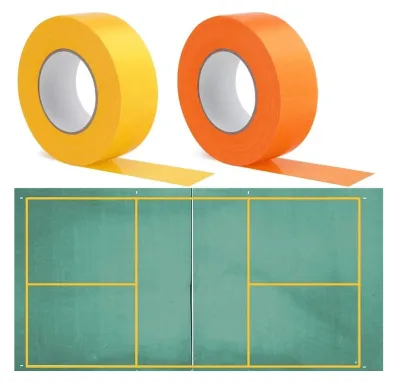
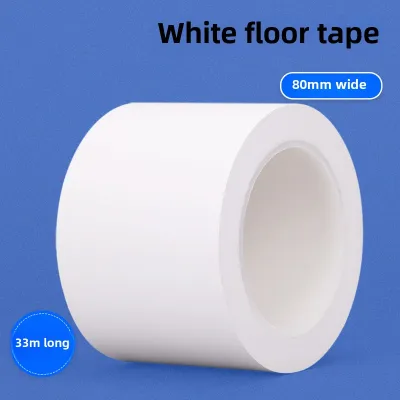
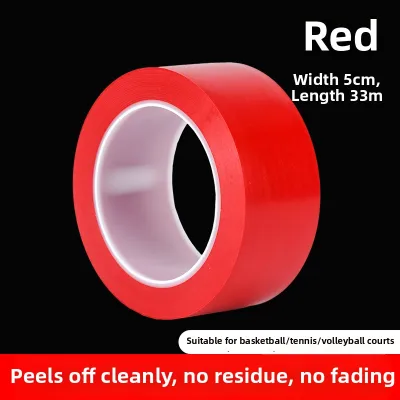
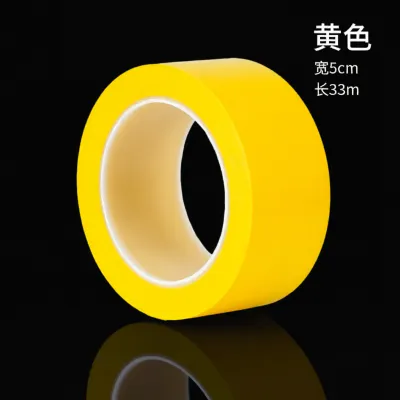
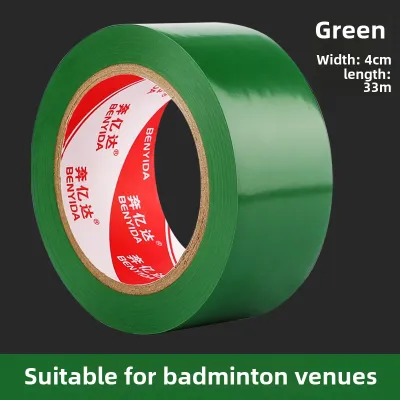
Prices are valid at publication and may change. Please refer to the product page for the latest price.
When evaluating different options, you should prioritize three non-negotiable criteria:
- Strong Adhesion Without Residue: The tape must bond firmly to the floor to prevent edges from curling during intense rallies, yet peel off cleanly when the court layout needs to be changed or refreshed.
- High Visibility: The lines must stand out sharply against standard court colors, allowing players, referees, and line judges to make quick, accurate boundary decisions.
- Standard Width: To comply with official playing dimensions, the tape should measure exactly 40mm wide.
The ideal choice for your setup ultimately depends on the floor material and whether the court is located in a climate-controlled indoor facility, an open-air covered court, or an outdoor concrete space. While a delicate wooden floor requires a tape with a gentle, specialized adhesive, a rough concrete surface demands a high-tack, heavy-duty backing that can grip uneven textures.
Adapting to Philippine Climate: Heat, Humidity, and Adhesion
The tropical climate of the Philippines presents unique challenges for adhesive products. High ambient temperatures and elevated humidity levels can severely impact how court tape performs over time. In non-air-conditioned venues, such as local barangay covered courts or multi-purpose school gyms, moisture in the air can seep under the edges of the tape, causing the adhesive bond to break down and the lines to peel prematurely.

Furthermore, intense heat can cause standard adhesives to soften or melt. When players perform high-impact movements on a softened adhesive, the lateral force can cause the tape to slide out of alignment, leaving a sticky, dirt-attracting residue on the floor. This sticky residue not only ruins the appearance of the court but also creates inconsistent traction, which can lead to ankle sprains or other player injuries.
To combat these environmental factors, you must select tapes specifically engineered with temperature-resistant adhesives and moisture-repellent backings. If you are setting up a court in a venue without climate control, look for products rated for high-humidity environments. These specialized tapes use synthetic rubber or acrylic adhesives that maintain their structural integrity and grip even when exposed to ambient moisture and sweat drippings from players.
Comparing Court Tape Materials: PVC, PE, and Cloth-Backed Options
Understanding the physical properties of different tape materials allows you to choose a product that matches your court’s surface, usage frequency, and budget. The table below outlines how the three most common court tape materials compare across key performance dimensions.
| Material | Durability | Slip Resistance | Residue Risk | Best Use Case | Cost Band |
|---|---|---|---|---|---|
| PVC (Polyvinyl Chloride) | High | Moderate to High (Textured) | Low to Medium | Indoor synthetic or wooden courts | Mid-Range |
| PE (Polyethylene) | Moderate | Low (Smooth surface) | Low | Temporary outdoor or concrete courts | Budget-Friendly |
| Cloth-Backed / Fabric | Very High | High (Natural texture) | Very Low | Premium wooden or multi-purpose courts | Premium |
PVC (Polyvinyl Chloride) Court Tape
PVC is the most widely used material for marking indoor badminton courts due to its excellent balance of flexibility, durability, and vibrant color retention. It stretches slightly during application, allowing you to lay down perfectly straight lines even on slightly uneven sports floors. PVC tape works exceptionally well on smooth synthetic surfaces (such as Taraflex mats) and sealed wooden floors.
When choosing PVC court tape, it is highly recommended to verify that the product has a matte or lightly textured surface. Glossy PVC tapes can become incredibly slippery when wet with sweat or condensation, posing a safety risk to players. A matte finish ensures consistent foot traction during fast-paced games.
PE (Polyethylene) Court Tape
PE court tape is a cost-effective, highly moisture-resistant option that is well-suited for temporary setups or outdoor play. Because polyethylene naturally repels water, this tape does not degrade quickly when exposed to rain, heavy dew, or high humidity. It is commonly used to mark temporary courts on outdoor concrete surfaces or multi-purpose asphalt play areas.
However, PE tape has physical limitations. It is generally less elastic than PVC, making it more prone to cracking or tearing under heavy wear. Its smooth surface can also become very slippery when wet, meaning it is not ideal for high-intensity tournament play where player safety and maximum grip are paramount.
Cloth-Backed or Fabric Court Tape
Cloth-backed tape, often referred to as premium gaffer or sports floor tape, represents the highest grade of court marking available. The woven fabric backing provides exceptional tensile strength, making it virtually impossible to tear during a match. Additionally, the natural texture of the fabric offers superior slip resistance, ensuring players maintain their footing even if they step directly on the line.
Another major benefit of cloth-backed tape is its clean removal. The specialized synthetic rubber adhesives used on premium fabric tapes are designed to release cleanly from delicate wooden surfaces without leaving any sticky residue behind. While this option sits in a higher price band, it is the preferred choice for dedicated, well-maintained indoor wooden courts and high-end sports clubs.
Meeting Visibility and Dimension Standards for Badminton
To ensure fair play and prevent boundary disputes, your court markings must align with official badminton specifications. According to standard court guidelines, all boundary lines must measure exactly 40mm (approximately 1.57 inches) in width. Using tape that is too narrow or too wide alters the legal playing area, which can disrupt a player’s spatial awareness and muscle memory.
When shopping for court tape, avoid generic multi-purpose tapes that are typically sold in standard utility widths like 48mm (2 inches) or 24mm (1 inch). Always verify the product specifications to confirm the roll width is exactly 40mm. Using the correct width ensures that your court dimensions remain accurate and consistent with professional standards.
Color contrast is another critical factor for visibility. Standard professional badminton court mats are typically dark green or blue, meaning your tape must provide a sharp visual contrast. Bright yellow and solid white are the standard colors used for court lines because they remain highly visible under various lighting conditions.
In many local Philippine gyms, overhead lighting can be uneven or dim. In these environments, using a high-contrast, vibrant yellow tape is highly recommended, as it remains visible to both players and line judges even in poorly lit corners of the hall. Avoid using semi-transparent, pastel, or dark-colored tapes that can easily blend into the floor finish.
Sourcing and Verifying Court Tape in the Philippines
Finding reliable court tape in the local market requires knowing where to look and what details to check before finalizing your purchase. High-quality sports tapes can be sourced through specialized sporting goods stores in major metropolitan areas, dedicated badminton equipment distributors, or reputable sellers on major online marketplaces.
To ensure you receive a genuine, high-performing product, use this pre-purchase checklist:
- Confirm the Width: Double-check that the listing or product label explicitly states a width of 40mm.
- Check the Manufacturing Date: Adhesives have a limited shelf life, especially when stored in warm warehouse environments. Avoid buying old stock, as the adhesive may have already degraded, leading to poor bonding or excessive residue.
- Read Customer Reviews: Look for feedback from buyers who have used the tape on similar floor types. Pay close attention to comments regarding adhesive residue, edge curling, and slip resistance.
For a full-court setup, it is highly recommended to purchase your tape in bulk rolls or multi-pack bundles. A standard singles and doubles badminton court requires approximately 100 to 120 meters of tape, including a small margin for error during installation. Buying bulk rolls from the same manufacturing batch ensures complete color consistency across all lines and typically reduces your overall cost per meter. Always check the seller’s return policy in case you receive a batch with defective adhesive.
Installation and Maintenance for Long-Lasting Court Lines
Proper installation and regular maintenance are essential to maximize the lifespan of your court lines and protect the underlying floor. Even the highest-quality tape will fail prematurely if applied to a poorly prepared surface.
Surface Preparation
Before applying any tape, the floor must be meticulously cleaned. Sweep the area thoroughly to remove all dust, dirt, and loose debris. Follow this by mopping the floor with clean water or a mild, floor-safe cleaner to remove sweat, body oils, and grease. Allow the floor to dry completely; any trapped moisture under the tape will prevent the adhesive from bonding, causing the lines to peel within days.
Application Technique
When laying down the tape, use a measuring tape and chalk to mark straight guidelines beforehand. Apply the court tape slowly along these guidelines, pressing it down firmly as you go.
- Do Not Stretch: Avoid pulling or stretching the tape during application. Stretching creates internal tension, which eventually causes the tape to contract, pull away from the floor, and curl at the ends.
- Secure the Edges: Once the tape is laid down, walk over the lines or use a heavy roller or a clean cloth to apply firm pressure along the entire length, paying extra attention to the overlapping joints and corners.
Maintenance and Removal
To keep your court lines in good condition, avoid heavy wet-mopping with harsh chemical detergents, as these can dissolve the adhesive backing. Instead, use a damp microfiber mop for routine cleaning. If a section of tape becomes damaged or begins to lift, replace that specific segment immediately to prevent players from tripping.
Safety Boundary
Before applying adhesive tape to any sports surface, always check the flooring manufacturer’s care instructions and warranty guidelines. If you are dealing with a specialized polyurethane, lacquered wood, or synthetic court surface, test a small, inconspicuous area with a short piece of tape first. Leave it on for 24 hours, then peel it off to check for any finish damage or adhesive transfer. If the floor manufacturer’s instructions conflict with the tape’s usage directions, stop immediately and consult a professional flooring contractor.
Frequently Asked Questions (FAQ)
Can I use regular masking or duct tape for temporary court lines?
Using regular household masking or duct tape for badminton courts is highly discouraged. Masking tape is made of thin paper that lacks the necessary tensile strength and durability to withstand the friction of athletic footwork; it will quickly tear, shred, and wear away during play. Furthermore, masking tape does not offer slip resistance, creating a safety hazard when players step on the lines.
Duct tape poses a different, more severe risk. The heavy-duty adhesive on duct tape is designed for permanent bonding and will leave a thick, sticky residue when removed. On wooden or synthetic sports floors, pulling up duct tape can strip away the protective polyurethane coating or tear the synthetic surface, resulting in extremely expensive repairs. Specialized court tape is always the safer and more cost-effective choice.
How do I safely remove old court tape without damaging the floor?
To remove old court tape safely, start at one end of a line and peel the tape back slowly at a low angle (nearly flat against the floor) rather than pulling it straight up. Pulling the tape up at a 90-degree angle increases the risk of lifting the wood finish or damaging the synthetic floor membrane.
If any adhesive residue remains on the floor, do not use abrasive scrubbers, steel wool, or harsh solvents like acetone, as these will permanently dull or strip the floor’s protective finish. Instead, apply a mild, floor-safe adhesive remover or warm soapy water to the sticky spots, let it sit for a few minutes to soften the residue, and gently wipe it away with a soft microfiber cloth. If the tape has been bonded to a delicate, aging, or damaged wooden floor for a long period, stop and consult a professional flooring specialist to prevent surface damage.
Community discussion
Share your experience or ask a question. Comments are reviewed before publication.