
Finding the best detachable roller skates in the Philippines requires balancing convenience, safety, and suitability for local tropical environments. Detachable skates—which allow you to separate the wheels or the entire frame from the boot—offer a unique solution for commuters, recreational skaters, and multi-sport enthusiasts who want to transition from rolling to walking without carrying a second pair of shoes. To make the right choice, you must evaluate the locking mechanisms, frame materials, and wheel specifications against the specific pavements and humid conditions you will encounter.
Unlike traditional fixed skates, detachable models are engineered with specialized coupling systems that let you transition between modes in seconds. This convenience makes them highly appealing for navigating busy urban centers, but it also introduces mechanical variables that require careful inspection. By understanding the different designs available and matching them to your skill level and local skating routes, you can enjoy a seamless, safe, and highly portable skating experience.
Understanding Detachable Roller Skate Designs
Detachable roller skates generally fall into two primary design categories, each serving distinct user needs and skating styles. The first design features a detachable chassis or frame, where a specialized boot or a binding system connects to a rolling frame. This setup allows you to completely remove the wheel frame, leaving you with a wearable walking shoe or a lightweight boot. Some advanced convertible systems even allow you to swap between an inline wheel frame and a quad wheel frame on the same boot, offering excellent multi-sport versatility.
Products mentioned in this guide
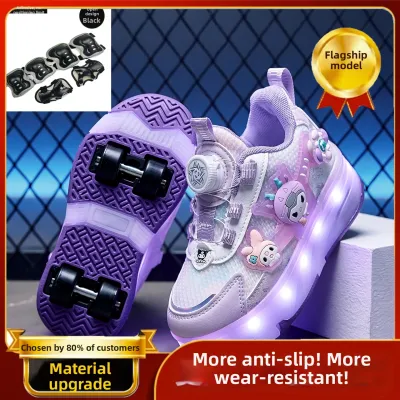
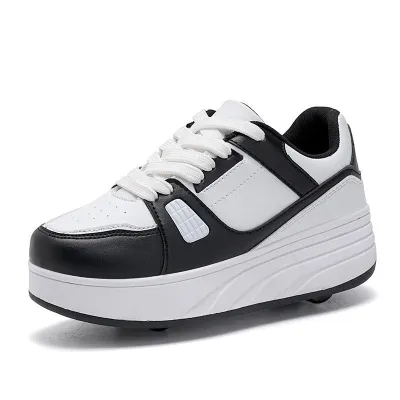
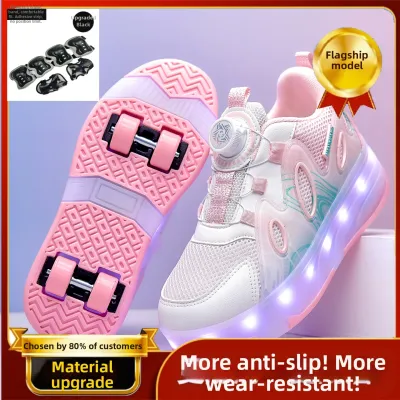
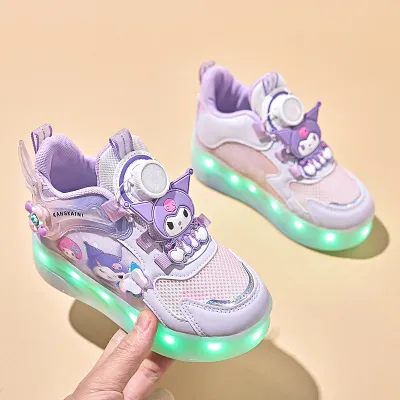
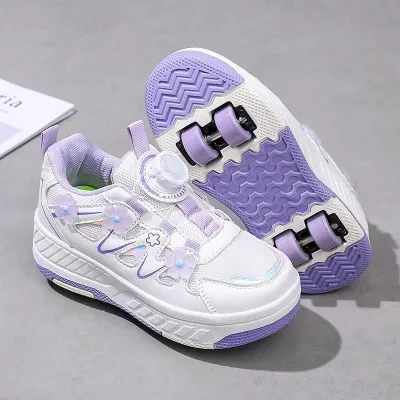
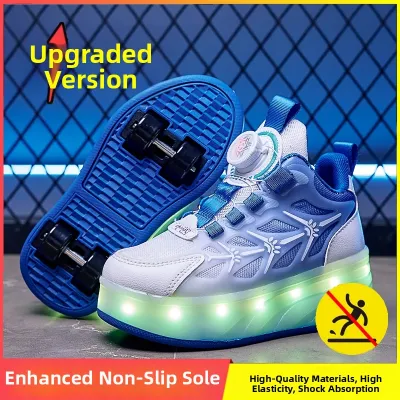
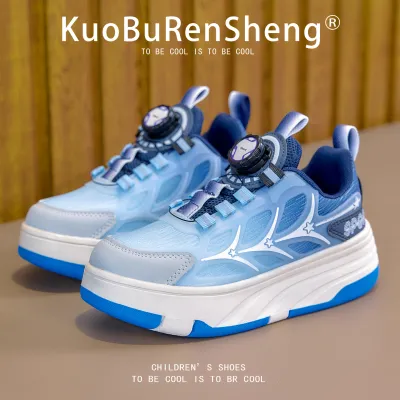
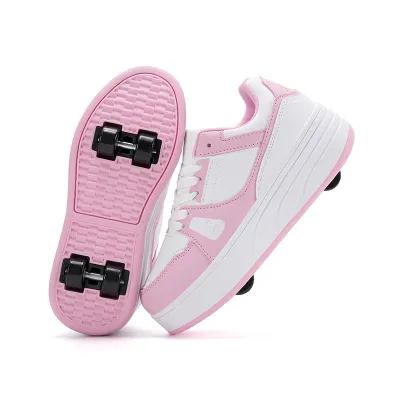
Prices are valid at publication and may change. Please refer to the product page for the latest price.
The second design utilizes detachable or retractable wheels integrated directly into the sole of a casual-looking shoe. With these, the wheels can either be popped out via a spring-loaded button on the heel or manually unclipped using a small tool. While retractable wheel shoes are highly convenient for casual, short-distance rolling in indoor spaces like malls, they generally lack the structural support and wheel size required for serious outdoor skating or long-distance commuting.
Choosing between these designs involves weighing several mechanical trade-offs. Detachable frame systems offer superior structural rigidity and ankle support, making them safer and more efficient for outdoor pavements, but they are heavier and require you to carry the detached frames when walking. Retractable wheel shoes are incredibly lightweight and easy to transition, but their small wheels and minimal ankle support limit their use to smooth, flat surfaces. Additionally, any detachable mechanism introduces joint points that require regular cleaning and maintenance to prevent wear and play over time.
Core Selection Criteria for Your Skating Needs
When selecting detachable skates in the Philippines, local terrain is one of the most critical factors to consider. Urban pavements in Philippine cities vary widely, ranging from the smooth concrete paths of Bonifacio Global City (BGC) and the CCP Complex to rough, cracked asphalt and brick-paved plazas in older districts. For rougher roads, look for skates compatible with softer wheels (typically rated between 78A and 82A on the durometer scale) to absorb road vibrations and maintain grip. Harder wheels (85A and above) are better suited for polished indoor rinks or smooth concrete but will deliver a harsh, unstable ride on uneven outdoor streets.

Frame material also plays a vital role in how the skates handle local road conditions. CNC-machined aluminum frames offer the best combination of strength, power transfer, and durability against road impacts, making them ideal for heavier skaters or daily commuters. Composite or plastic frames are lighter and provide natural shock absorption on bumpy surfaces, but they can flex under heavy loads, which reduces rolling efficiency and can compromise the stability of the detachable joint.
Your skill level should dictate the amount of ankle support you prioritize in a detachable skate. Beginners require a stiff, high-cut boot with a supportive plastic cuff to prevent the ankles from rolling outward, especially since detachable mechanisms often raise your center of gravity higher than traditional skates. If you opt for a step-in detachable system where you wear your own sneakers inside a binding, ensure your shoes have flat, rigid soles and high-top ankle support; soft running shoes with thick foam midsoles will compress unevenly, leading to poor balance and potential injury.
Finally, consider your specific portability and commuting needs. If you plan to use your skates for multi-modal commuting—such as skating to an LRT or MRT station, detaching the wheels to ride the train, and then skating to your office—the speed and ease of the detachment mechanism are paramount. A toolless quick-release lever system is highly practical for these scenarios, whereas a system requiring hex keys or specialized tools is better suited for recreational weekend skaters who only transition once or twice per session.
Essential Specifications and Safety Checks
Before purchasing any detachable roller skates, a thorough inspection of the locking mechanism is essential to ensure your safety on the road. Look for robust, metal-on-metal locking interfaces rather than plastic latches, as plastic components can degrade rapidly under the intense heat and high humidity of the Philippine climate. Check for physical wear indicators, such as loose play or wobbling when the frame is locked into the boot, and ensure that spring-loaded pins or quick-release levers seat fully and securely into their designated slots without forcing.
Boot materials and ventilation are equally important, particularly for tropical skating sessions where heat and sweat buildup can cause discomfort and blisters. Prioritize boots constructed with breathable mesh panels, perforated liners, or moisture-wicking fabrics to keep your feet cool and dry. The closure system must provide a secure, locked-in fit; a reliable setup typically combines traditional laces on the lower boot, a 45-degree power strap over the instep to prevent heel lift, and a micro-adjustable ratchet buckle at the ankle cuff for lateral stability.
Always review the manufacturer’s official specifications for weight limits and bearing ratings before making a decision. Detachable joints bear concentrated structural stress, so staying well within the recommended weight capacity is crucial for preventing mechanical failure. Pay attention to the bearing ratings, usually designated by ABEC numbers (such as ABEC-5, ABEC-7, or ABEC-9); while higher ratings offer a smoother, faster roll, they also feature tighter tolerances that require meticulous cleaning to prevent damage from fine road dust and tropical rain moisture.
Navigating Purchase Channels and Authenticity
To ensure you are buying genuine, high-quality detachable skates that meet safety standards, prioritize official brand stores, authorized local sporting goods retailers, and verified flagship stores on major online marketplaces. Avoid purchasing from unverified third-party sellers or discount listings that lack clear brand identification. Genuine detachable skates require precise engineering and high-grade materials, meaning they carry higher manufacturing costs that are reflected in their retail price.
In the Philippine market, reliable entry-level detachable skate systems typically range from ₱4,000 to ₱8,000, while premium, high-performance commuter setups can exceed ₱15,000. Be highly skeptical of listings priced significantly lower, such as those under ₱2,000, as these products often utilize low-grade plastics, weak locking pins, and sub-standard bearings that can fail catastrophically during use. Investing in a reputable brand ensures that the locking mechanism has undergone rigorous safety testing.
When browsing product listings, watch out for red flags such as missing technical specifications, vague descriptions of the locking mechanism, or a lack of real customer reviews with photos. A reputable seller or brand will also offer clear after-sales support and make replacement parts readily available. Because wheels, bearings, brake pads, and locking pins are wear-and-tear items, choosing a brand that sells official replacement parts locally will significantly extend the lifespan of your detachable skates.
Frequently Asked Questions (FAQ)
Can I use detachable roller skates for daily commuting?
Yes, detachable roller skates can be highly effective for daily commuting, provided you choose a model with a durable, toolless quick-release mechanism. These systems allow you to transition from skating to walking in under a minute, making it easy to enter office buildings, malls, or public transportation. However, because outdoor roads can transfer dirt, water, and road grime to your wheels, you must carry a dedicated, heavy-duty carrying bag or backpack with external straps to store the detached frames safely without dirtying your clothes or personal items.
How do I maintain the locking mechanisms on detachable skates?
Maintaining the locking mechanism is vital for ensuring both your safety and the longevity of the skates, especially in humid or dusty environments. After every few skating sessions, use a soft brush, toothbrush, or compressed air to clean out any dust, sand, or road debris from the locking joints, spring pins, and receiver plates. Periodically check all mounting screws and bolts for tightness using the manufacturer-provided hex keys, and apply a light, dry silicone-based lubricant to the moving parts of the lock only if specifically recommended in the product manual.
Are detachable skates safe for beginners learning to balance?
Detachable skates are safe for beginners as long as the locking mechanism is fully engaged, regularly inspected, and maintained according to the manufacturer’s guidelines. However, because some detachable designs have a slightly higher ride height or offer less ankle support than traditional molded hard-shell skates, beginners should take extra safety precautions. Always wear a certified helmet, knee pads, elbow pads, and wrist guards, and practice locking and unlocking the mechanism on a flat, grassy surface to build confidence before attempting to roll on hard pavement.
Community discussion
Share your experience or ask a question. Comments are reviewed before publication.