
Finding the best doorway pull-up bar for a home gym in the Philippines requires matching the equipment to your home’s architecture and training demands. In many Filipino households, door frames vary widely—ranging from solid hardwood in older homes to lightweight medium-density fiberboard (MDF) or hollow PVC in modern condominiums. High tropical humidity also plays a critical role, as moisture can affect grip traction, foam durability, and the friction required to keep certain bars securely in place. To make a safe choice, you must evaluate your door frame’s structural integrity, choose the correct mounting mechanism, and verify the bar’s physical specifications before performing your first repetition.
Understanding Doorway Pull-Up Bar Types
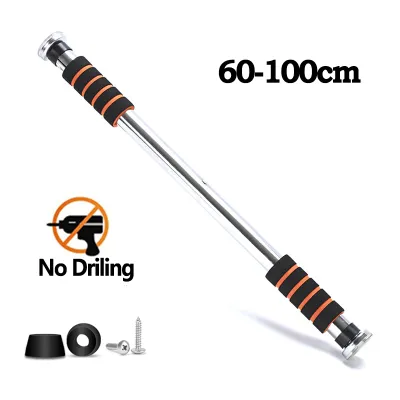
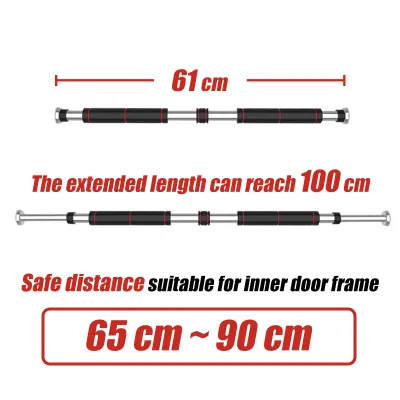
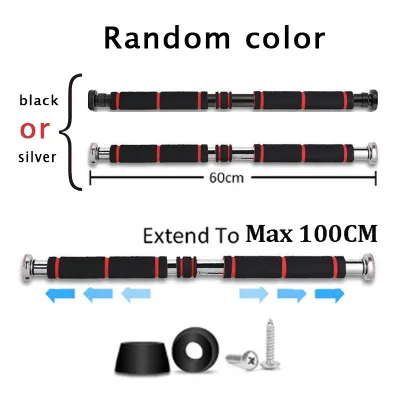
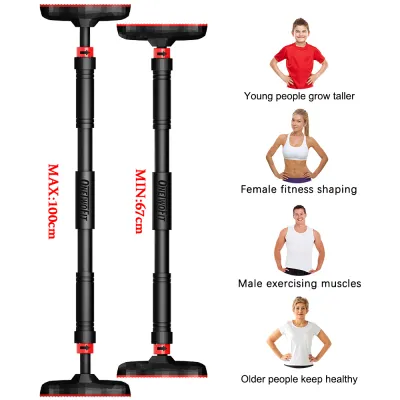
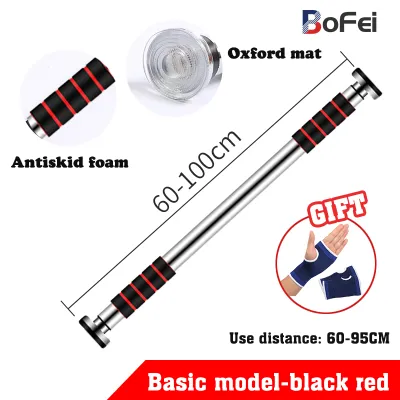
Telescopic bars rely on a threaded internal rod that expands outward when rotated, pressing rubber end caps directly against the inner surfaces of the door frame. They are highly valued for their minimalist design and because they do not require any protruding trim to stay in place. The primary holding force is friction, which means the stability of the bar depends entirely on how tightly you wedge it between the jambs and the grip of the rubber pads. Some models feature additional safety brackets that screw into the frame for a permanent, mechanical hold. Without these screws, telescopic bars are highly sensitive to frame flexing and moisture, making them best suited for solid wood or concrete-backed door frames where the sides cannot bow outward under pressure.
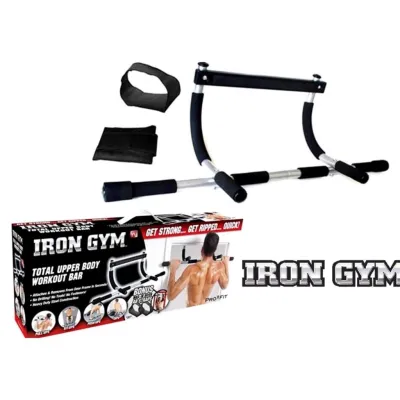
Leveraged bars utilize a cantilever design that wraps around the door frame, resting a plastic or foam-padded bar against the top of the trim on one side while using two curved arms to press against the front of the frame on the opposite side. When you hang from the bar, your body weight pulls down on the handles, which translates into horizontal force that clamps the unit securely against the wall and trim. This design requires no screws or permanent alterations, making it highly popular for renters. However, it relies completely on the presence of a sturdy, protruding top trim (usually at least 1 to 2 centimeters deep) to hook onto, and the wall itself must be strong enough to withstand the clamping pressure.
Products mentioned in this guide
Prices are valid at publication and may change. Please refer to the product page for the latest price.
Multi-grip bars feature additional parallel and angled handles extending outward from the main frame. This structural variety allows you to perform wide-grip pull-ups, close-grip chin-ups, and neutral-grip variations that target different muscle groups in the back, shoulders, and arms. Because of their extended frame and multiple steel components, multi-grip bars are heavier and bulkier than standard leveraged bars. They require a wider clearance around the doorway and a highly robust trim setup to support the offset weight distribution. If your home has narrow corridors or doors placed flush against adjacent walls, a multi-grip bar may not fit due to the lateral space required by the wide handles.
Key Selection Criteria for Safe and Effective Use
When reading product specifications, the stated weight limit represents static weight under ideal laboratory conditions. In practice, your body does not exert a static load; dynamic movements—such as pulling up quickly, shifting your weight, or dropping down—significantly increase the instantaneous force applied to the bar. To ensure a safe margin of error, choose a bar with a rated weight capacity that is at least 1.5 times your actual body weight. If you plan to perform weighted pull-ups using a dip belt or weighted vest, you must add that extra load to your calculations before comparing it to the manufacturer’s limit.

Before purchasing, use a tape measure to record the exact width of your door opening, the thickness of the wall, and the height of the top trim. Leveraged and multi-grip bars typically require a wall depth of 10 to 20 centimeters and a door width of 60 to 90 centimeters to hook securely. Material compatibility is even more critical. Solid wood frames (such as yakal, tanguile, or narra found in older Filipino homes) provide excellent structural support. Conversely, modern door frames made of MDF, thin plywood, or hollow PVC can easily crush, warp, or split under the intense pressure of a pull-up bar. If your door frame is surrounded by hollow drywall rather than solid concrete or brick, the clamping force of a leveraged bar can punch holes directly through the wall.
The tropical climate of the Philippines introduces high humidity and sweat, which can turn a workout into a safety hazard if your hands slip. Look for bars equipped with high-density, non-absorbent foam or textured rubber grips. Low-quality foam tends to absorb sweat, leading to rapid degradation, unpleasant odors, and a slippery surface over time. The grip diameter should comfortably fit your hand span; a bar that is too thick will prematurely fatigue your forearm muscles, while a bar that is too thin can cause hand cramping. Additionally, inspect the end pads of telescopic bars: they should be made of non-marking, high-friction silicone or vulcanized rubber rather than cheap, hard plastic, which slides easily on painted wood.
Matching the Bar to Your Workout Goals
If your fitness routine consists of controlled, strict pull-ups and chin-ups, a standard telescopic or leveraged bar will serve you well. However, if your goals include advanced calisthenics, such as kipping pull-ups, toes-to-bar, or front levers, a doorway bar is generally not suitable. These dynamic movements involve significant lateral momentum, which can easily dislodge a friction-based telescopic bar or cause a leveraged bar to bounce off the trim. For dynamic training, you require a wall-mounted or ceiling-mounted pull-up bar anchored directly into solid concrete or structural steel studs, rather than a temporary doorway solution.
A successful pull-up requires your head to clear the bar at the top of the movement and your arms to reach full extension at the bottom. In many Filipino homes, door frames are relatively low, or the ceiling immediately behind the door is dropped for air conditioning ducts or decorative lighting. Measure the vertical clearance above your door trim; leveraged bars often position the main pull-up bar several inches higher than the top of the door frame, which can cause you to hit your head on the ceiling if space is limited. Conversely, telescopic bars sit inside the frame, reducing your vertical clearance but giving you more overhead space at the expense of having to bend your knees more deeply to achieve a full dead-hang.
If you live in a compact condominium, a studio apartment, or a shared family home, space is at a premium. A leveraged bar can be taken down in seconds and slid under a bed or stored in a closet when not in use, keeping your living area clutter-free. Telescopic bars can also be removed, but frequent installation and removal can wear down the threads and damage the paint on your door frame. If you prefer a permanent setup that does not interfere with closing the door, a telescopic bar can often be left in place high up in the frame, allowing the door to open and close freely beneath it, provided the bar’s diameter does not block the door stop.
Installation and Safety Verification Checklist
Before mounting any equipment, thoroughly inspect the door frame. Check if the trim is securely nailed or screwed to the wall studs; if you can wiggle the trim with your hands, it will not support a leveraged bar. For telescopic bars, tap the side jambs to ensure they are solid wood and not hollow panels that will cave inward when the bar is tightened. Clean the contact points on both the frame and the bar’s rubber pads with a dry microfiber cloth to remove dust, oil, or moisture, which drastically reduces friction.
When installing a telescopic bar, rotate the center tube in the direction indicated by the manufacturer to extend the ends. Apply firm torque until the bar is tightly wedged, but do not over-tighten to the point of cracking the wood frame. If your bar features a safety locking mechanism—such as a metal collar, gear lock, or spring-loaded pin—ensure it is fully engaged to prevent the bar from self-rotating and loosening during your workout. If using screw-in safety cups, pre-drill small pilot holes into the solid wood frame to prevent splitting, and use the provided heavy-duty screws to anchor the cups securely.
Never jump onto a newly installed pull-up bar. Perform a progressive load test by standing beneath the bar, grasping it firmly, and slowly transferring your weight from your feet to your hands. Listen carefully for any creaking, cracking, or popping sounds from the door frame, and watch the bar’s contact points for any signs of slipping or shifting. If the bar moves even a millimeter, or if the frame flexes visibly, immediately stop the test, remove the bar, and re-evaluate your setup. Repeat this weight-bearing check before every single workout session to account for any changes in humidity or frame settling.
Navigating Online Retailers and Verifying Product Claims
When browsing local e-commerce platforms in the Philippines, do not rely solely on the overall star rating or the promotional images provided by the seller. Filter the reviews to show those with photos and videos, and search specifically for keywords like “door frame,” “wood,” “concrete,” or “slip.” Look for feedback from buyers who describe their specific installation setup, as this will give you a realistic idea of how the bar performs on door frames similar to yours. Pay close attention to reviews that mention the quality of the rubber pads and whether the foam grips began to tear after a few weeks of use in tropical humidity.
Because door frame dimensions and wall thicknesses vary so widely, there is always a risk that a doorway pull-up bar will not fit your home despite careful measurements. Before finalizing your purchase, verify the seller’s return and exchange policy. Ensure that the platform allows returns for change-of-mind or compatibility issues, and keep the original packaging intact during unboxing. Buying from official brand stores or preferred local sellers often provides a more reliable return process if you discover that your door trim is too thick or your walls are too deep for the bar’s dimensions.
Be highly skeptical of listings that claim universal compatibility, absolute safety, or unrealistic weight capacities (such as 300 kilograms or more for a simple friction bar) without any structural evidence. If a product description lacks detailed measurements of the bar’s adjustable range, tube thickness, or the required door frame depth, it is best to look elsewhere. Reliable manufacturers provide clear, annotated diagrams showing the exact dimensions required for safe installation. Avoid sellers that use generic, highly edited stock photos that do not show the actual welding quality, locking mechanisms, or material specifications of the product you will receive.
Frequently Asked Questions (FAQ)
Can I use a doorway pull-up bar on a hollow core door?
No, you should never install a doorway pull-up bar directly onto a hollow core door or its frame if the frame itself is made of thin, hollow materials. Hollow core doors are constructed with a cardboard honeycomb interior sandwiched between thin sheets of plywood or fiberboard, and their matching frames are often lightweight and lack structural framing studs. The intense clamping force of a leveraged bar or the outward expansion pressure of a telescopic bar will easily crush these materials, leading to structural failure and potential injury. If you only have hollow doors available, you must look for alternative mounting solutions, such as installing a heavy-duty pull-up bar onto a solid concrete wall using expansion bolts, or utilizing a free-standing power tower that does not rely on your home’s woodwork for support.
Will a leveraged pull-up bar damage my door trim?
A leveraged pull-up bar can damage your door trim if the trim is made of soft wood, MDF, or is not securely fastened to the wall. Because these bars distribute your body weight by pressing a plastic or foam-covered bar directly against the top of the trim, they can leave deep indentations, scuff marks, or even pull the trim completely away from the wall over time. To mitigate cosmetic and structural damage, you can place thick microfiber cloths, heavy-duty socks, or silicone pads between the bar’s contact points and your painted trim. Additionally, ensure that the top trim is securely nailed to the wall studs. If your trim is exceptionally delicate, decorative, or made of soft pine, it is safer to choose a telescopic bar with screw-in safety cups mounted inside the jamb, or a free-standing workout station.
Community discussion
Share your experience or ask a question. Comments are reviewed before publication.