
Selecting the right dumbbells for men’s strength training in the Philippines requires balancing your fitness goals with the realities of your living space and the local climate. High humidity and tropical temperatures can accelerate wear on fitness equipment, making material choice just as important as the weight range. Whether you are aiming to build muscle, increase functional strength, or maintain conditioning, the ideal dumbbell setup must support progressive overload while fitting seamlessly into your home. This guide breaks down the essential factors to evaluate so you can invest in equipment that lasts.
To build a sustainable home workout routine, you must first understand how different dumbbell designs impact your training flow. The market offers a wide variety of options, from traditional cast iron weights to highly engineered selectorized systems. By analyzing your specific training style, space constraints, and budget, you can avoid common purchasing mistakes and select a setup that matches your long-term fitness progression.
Matching Dumbbell Types to Your Strength Training Goals
When planning your strength training setup, the first major decision is choosing between fixed-weight and adjustable dumbbells. Fixed-weight dumbbells are the standard choice in commercial gyms because of their unmatched durability and simplicity. Since they have no moving parts, they can withstand heavy use and the occasional accidental drop without risk of mechanical failure. If your training routine involves rapid supersets or drop sets where you need to switch weights instantly, a rack of fixed dumbbells is highly efficient. However, this setup requires a significant amount of dedicated floor space, which may not be practical for every home.
Products mentioned in this guide
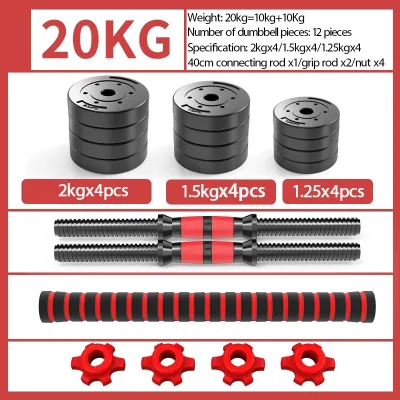
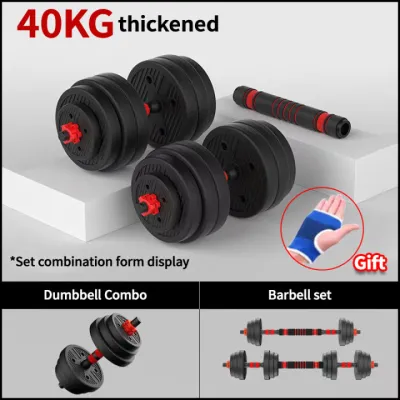
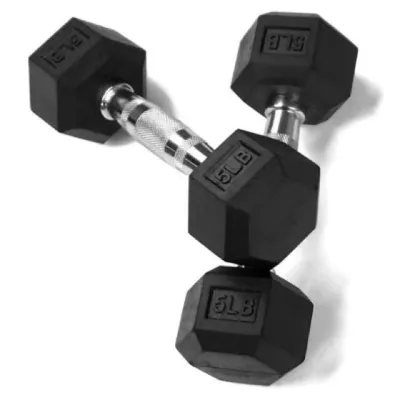
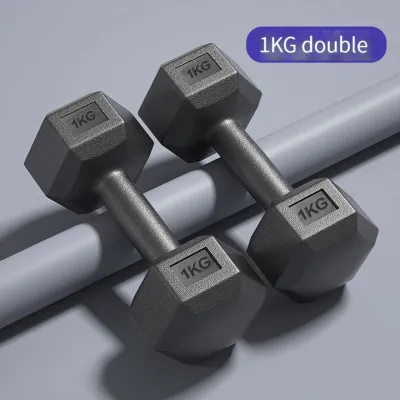
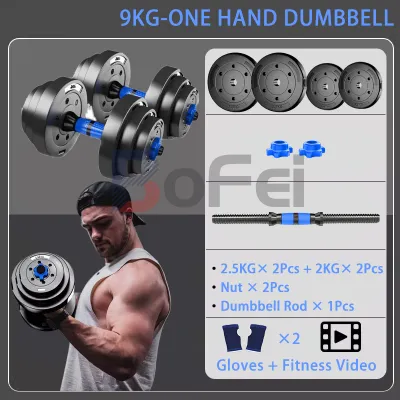
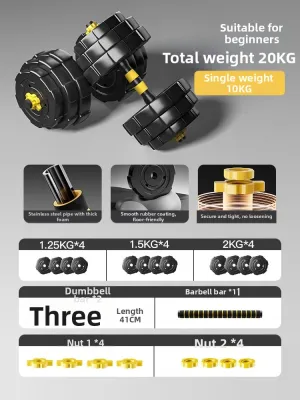
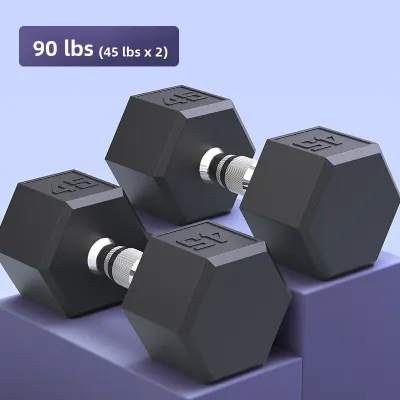
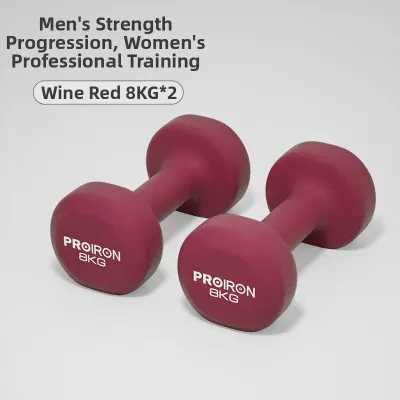
Prices are valid at publication and may change. Please refer to the product page for the latest price.
Adjustable dumbbells, on the other hand, are designed specifically to maximize utility in a compact footprint. A single pair of adjustable dumbbells can replace an entire rack of individual weights, making them the ideal solution for home gyms, apartments, or condominiums where space is limited. They allow you to perform a wide range of exercises, from light lateral raises to heavy chest presses, by simply changing the weight configuration on a single handle. This versatility is essential for progressive overload, as it allows you to make incremental weight increases as your strength improves over time.
The shape of the dumbbell head also plays a crucial role in your workouts. Hexagonal (hex) dumbbells feature flat, six-sided heads that prevent the weights from rolling when placed on the floor. This design is highly beneficial for safety, especially if your workout area has a slight incline or if you perform floor-based exercises like dumbbell push-ups, renegade rows, or planks. Round dumbbells are a classic alternative, but they are prone to rolling if not placed on a flat surface or stored in a dedicated rack with cradles. If you plan to store your weights on a flat shelf or directly on the floor, hex-shaped designs offer superior stability and safety.
Within the adjustable category, you must also choose between selectorized and plate-loaded mechanisms. Selectorized dumbbells use a dial, pin, or sliding key system to change weights in seconds. This mechanism is incredibly convenient for fast-paced workouts, but it relies on complex internal parts that must be handled with care and kept free of dust and moisture. Plate-loaded dumbbells use a threaded bar and spinlock collars to secure individual weight plates. While changing weights takes longer with this system, it is highly durable, virtually maintenance-free, and allows you to expand your weight capacity over time by purchasing additional standard plates.
Essential Specifications to Check for Heavy Lifting
Before purchasing any dumbbell set, you must carefully evaluate the physical specifications to ensure they meet the demands of heavy lifting. The handle diameter is a critical factor that directly affects your grip strength and overall comfort during exercises. Standard dumbbell handles typically range from 25mm to 35mm in diameter. Men with larger hands or those focusing on heavy pulling movements, such as dumbbell rows or deadlifts, often benefit from thicker handles, which help distribute the weight more evenly across the palm. Conversely, a handle that is too thick can prematurely fatigue your grip during high-rep sets.

The knurling pattern on the handle is another essential specification to check. Knurling refers to the cross-hatched metal pattern that provides friction between your hand and the bar. A medium-to-coarse knurling pattern is highly recommended for heavy lifting, as it ensures a secure, non-slip grip even when your hands get sweaty. In the warm and humid climate of the Philippines, maintaining a dry grip can be challenging, making a well-designed knurling pattern crucial for safety during overhead presses or dynamic movements. Check manufacturer specifications or user feedback to ensure the knurling is pronounced enough to provide grip without being excessively sharp or painful.
Material and coating options significantly impact both the durability of the dumbbells and your workout environment. Uncoated cast iron dumbbells are highly durable but are prone to rusting when exposed to sweat and high humidity. To protect your investment, look for coated options. Rubber-coated dumbbells are widely popular because they protect your floors from scratches and reduce noise when placing the weights down. However, new rubber can emit a strong chemical odor that may persist in enclosed spaces. Urethane-coated dumbbells are a premium, highly durable alternative that is virtually odorless and highly resistant to tearing, making them excellent for indoor home gyms if your budget allows.
Weight increment steps are another vital consideration for progressive overload. When evaluating adjustable dumbbells, check the specific weight steps available. Some models adjust in large increments, such as 4 kg or 10 lbs, which can make progressing on smaller muscle groups like the shoulders or biceps extremely difficult. Look for systems that offer smaller micro-loading increments, such as 1 kg to 2 kg (or 2.5 lbs to 5 lbs). These smaller steps allow you to make gradual, safe progress without stalling or risking injury due to excessive weight jumps.
Finally, inspect the locking mechanism specifications on any adjustable or plate-loaded model. For plate-loaded dumbbells, threaded spinlock collars must fit tightly against the plates to prevent them from sliding or rattling during movement. For selectorized models, the locking pins or dials must engage fully and securely. Any play or movement between the plates can throw off your balance and pose a safety hazard during explosive exercises like cleans or snatches. Always verify that the locking system is robust and rated for the maximum weight capacity of the dumbbell.
Balancing Space, Budget, and Home Gym Setup
Planning your home gym setup requires a realistic assessment of your available space and your long-term budget. A full set of fixed dumbbells requires a dedicated storage rack, which can take up a significant portion of a room. If you have a spacious garage or a dedicated spare room, a multi-tier rack of fixed dumbbells offers a professional gym feel and maximum convenience. However, if you are working out in a bedroom, living room, or a compact condominium, a single pair of adjustable dumbbells is far more practical, as they can be easily tucked away under a bed or in a closet when not in use.
While high-quality adjustable dumbbells often require a larger upfront investment, they are generally much more cost-effective in the long run compared to buying multiple pairs of fixed dumbbells. As your strength increases, you will inevitably need heavier weights. Buying individual pairs of fixed dumbbells as you progress can quickly become more expensive than investing in a single, high-capacity adjustable set from the start. Calculate your current strength levels and your realistic training goals to determine which option aligns best with your budget over a one- to two-year period.
Floor protection is another critical aspect of setting up a home gym, especially in residential buildings. Dropping heavy dumbbells can easily crack ceramic tiles, dent wooden floors, or damage concrete. To prevent costly damage and reduce noise, plan to install high-density rubber floor mats or interlocking foam tiles in your workout area. This is particularly important in high-rise apartments or condominiums in urban areas, where impact noise can easily travel through the floor and disturb neighbors. A dedicated lifting mat provides a stable, non-slip surface while protecting both your equipment and your home.
Additionally, factor in the logistics and shipping costs of purchasing heavy fitness equipment. Dumbbells are exceptionally heavy items, and shipping fees can add a substantial amount to your total purchase price, especially if you are ordering from online marketplaces for delivery outside major metropolitan areas. Some local fitness distributors offer warehouse pickup options or specialized freight delivery services that can help minimize these costs. Always check the shipping terms and calculate the total landed cost of the equipment before finalizing your purchase.
Buying Checklist and Delivery Verification
To ensure a smooth purchasing experience and verify the quality of your dumbbells, follow a structured verification process before and after your purchase. When shopping on ecommerce platforms or local distributor websites, carefully review the seller’s credentials, customer ratings, and warranty terms. Ensure the warranty explicitly covers structural defects, welding failures, or mechanism malfunctions for a reasonable period. Because returning heavy freight items can be extremely difficult and costly, choosing a reputable seller with clear customer service policies is essential.
Once your dumbbells are delivered, perform a thorough physical inspection immediately upon unboxing. Check the cast iron or steel components for any casting defects, sharp edges, or cracks that could cause injury or damage your clothing. Inspect the coating—whether rubber, urethane, or neoprene—for uniformity, bubbles, or peeling. If you purchased fixed dumbbells, pay close attention to the weld joint between the handle and the weight head, ensuring it is seamless, robust, and free of visible gaps.
For adjustable or selectorized dumbbells, test the adjustment mechanism thoroughly before attempting any heavy lifts. Set the dumbbells to their lightest setting and gradually increase the weight, ensuring the dial, pin, or slider moves smoothly and locks into place with a distinct click. Gently shake the dumbbell at a low height over a soft surface to verify that all plates are held securely and that there is no excessive play or rattling. If you notice any sticking, misalignment, or loose plates, do not attempt to lift the weights overhead.
Finally, document the entire unboxing and testing process. Take clear photos or videos of the packaging, the product condition, and the functionality of the adjustment mechanisms. If you discover any manufacturing defects, shipping damage, or missing components, having immediate visual evidence will significantly speed up the claims and return process with the retailer or manufacturer. Taking these precautionary steps ensures that your investment is safe, functional, and ready for years of consistent use.
Frequently Asked Questions (FAQ)
How heavy should my starting dumbbells be for muscle building?
To determine your ideal starting weight, perform a Repetition Maximum (RM) test using a basic compound movement like a dumbbell chest press or a dumbbell row. Choose a weight that allows you to perform 8 to 12 repetitions with proper form, where the last two repetitions feel highly challenging but still manageable. This range is widely recognized as optimal for hypertrophy (muscle building). It is also highly recommended to check the manufacturer’s recommended weight guidelines for specific exercises and skill levels. Always ensure you have lighter weights available for warm-ups and isolation exercises, such as lateral raises, alongside heavier weights for compound lifts to prevent injury and ensure balanced development.
Are rubber-coated dumbbells safe for indoor home gyms?
Yes, rubber-coated dumbbells are safe for indoor use, but they require some initial precautions. New rubber products often emit a strong chemical odor due to the manufacturing process, which can be unpleasant in enclosed or poorly ventilated residential spaces. To mitigate this, place new dumbbells in a well-ventilated area or near an open window for a few days to allow the odor to dissipate. If you are highly sensitive to smells, check product labels for low-odor or virgin rubber specifications, which emit significantly less odor than recycled rubber. Alternatively, consider urethane-coated dumbbells; though they generally require a higher investment, they are virtually odorless, highly durable, and excellent for indoor home environments.
Community discussion
Share your experience or ask a question. Comments are reviewed before publication.