
Selecting the ideal foam massage roller for yoga recovery in the Philippines requires balancing your specific yoga style with the unique demands of a tropical climate. Because yoga focuses on flexibility, alignment, and mindfulness, your post-session recovery should support these goals by releasing deep-seated muscular tension without causing unnecessary tissue trauma. A high-quality foam roller acts as an accessible tool for self-myofascial release, helping to restore muscle elasticity and prepare your body for the next flow. However, because local humidity can cause cheap materials to degrade, warp, or harbor bacteria, you must evaluate density, material composition, and portability before making a purchase.
The Role of Foam Massage in Yoga Recovery
To understand why a foam massage roller is a vital companion to your yoga practice, it helps to examine the physiology of recovery. During a vigorous Vinyasa or Ashtanga session, your muscles undergo repetitive contractions, while Yin or Hatha yoga subjects your body to prolonged static holds. Both types of practice can lead to micro-tears in muscle fibers and the accumulation of metabolic waste, resulting in delayed onset muscle soreness (DOMS). While traditional yoga poses provide excellent static stretching, stretching alone cannot always break up localized physical knots or adhesions within the myofascial network—the connective tissue wrapping around your muscles.
Self-myofascial release (SMR) via foam rolling addresses these fascial restrictions directly. By applying localized pressure to specific muscle groups, you stimulate sensory receptors that signal the central nervous system to relax the targeted muscle. This mechanical pressure also helps to mobilize interstitial fluids, promoting better local blood circulation and accelerating the delivery of oxygen and nutrients to fatigued tissues.
Products mentioned in this guide
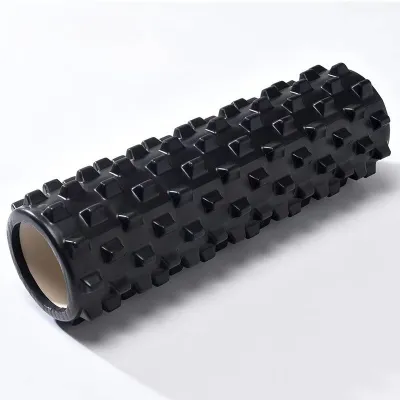
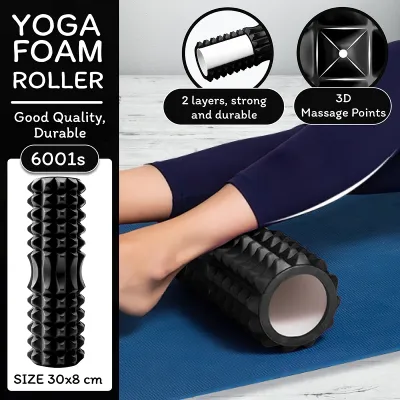
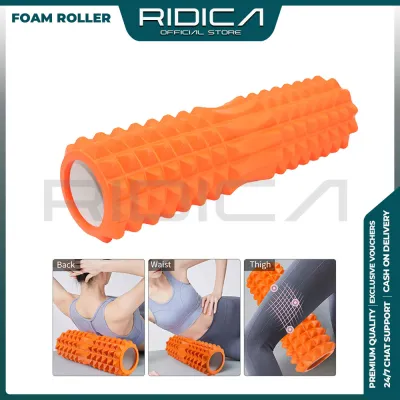
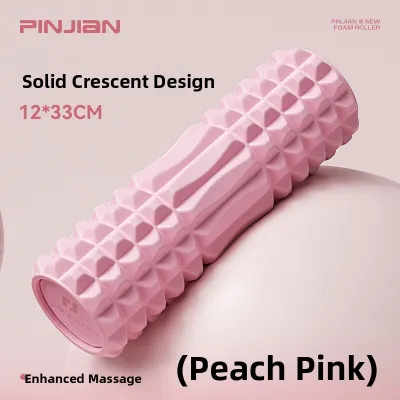
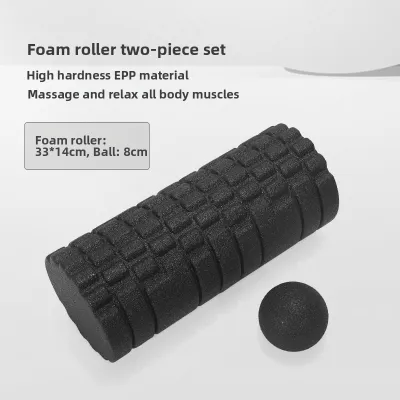
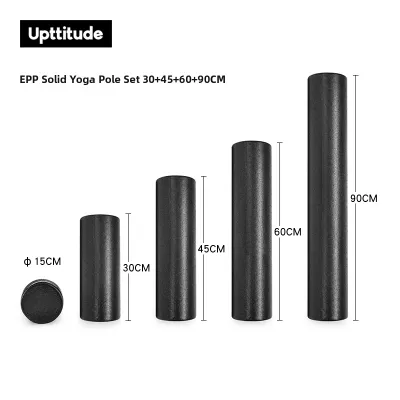
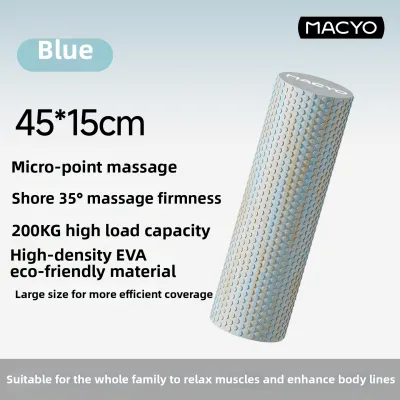
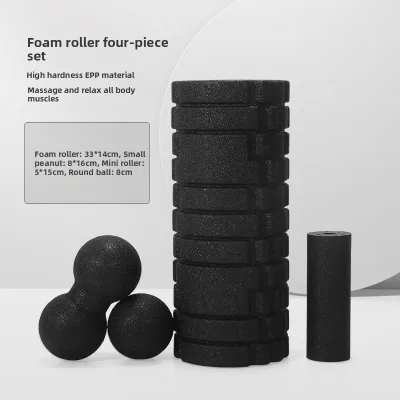
Prices are valid at publication and may change. Please refer to the product page for the latest price.
Furthermore, restoring tissue elasticity is crucial for maintaining a safe and progressive yoga practice. When fascia becomes tight or restricted, it limits your joint range of motion, which can compromise your alignment in complex poses like downward dog or camel pose. Integrating a foam roller into your cool-down routine helps ensure that your muscles return to their optimal resting length, reducing the risk of compensatory strain and enhancing your overall flexibility for subsequent studio sessions.
Key Features to Evaluate When Choosing a Foam Roller
When shopping for a foam roller in the Philippines, several technical specifications dictate how effectively the tool will support your recovery. Understanding these variables prevents you from purchasing an unsuitable model that either causes excessive pain or fails to provide adequate pressure.

Density and Firmness The density of a foam roller determines how deeply the pressure penetrates your muscle tissue. Low-density or soft rollers compress easily under body weight, offering a gentle, superficial massage that is highly suitable for active recovery or sensitive areas. Medium-density rollers provide a balanced compromise, offering enough structural support to address mild tension without causing bruising. High-density rollers, often characterized by a rigid inner core, do not compress under heavy loads, allowing you to target deep, stubborn knots. If you are new to rolling, starting with a softer density prevents protective muscle guarding, which occurs when the body tenses up in response to excessive pain.
Surface Texture The exterior texture of a roller influences how pressure is distributed across your skin and fascia. Smooth rollers distribute your body weight evenly across a broad surface area, making them highly effective for general flushing of metabolic waste from large muscle groups like the quadriceps and hamstrings. Conversely, textured or grid rollers feature raised bumps, ridges, or channels. These patterns are designed to mimic a massage therapist’s hands, with flat zones representing the palms and high ridges mimicking the fingers or thumbs. Textured rollers are exceptionally efficient at targeting localized trigger points, but they require a higher pain tolerance and controlled movement.
Size and Portability The physical dimensions of your roller should align with your primary usage venue and carrying method. Full-length rollers, typically measuring approximately 36 inches (90 cm), are ideal for home use. Their generous width allows you to perform full-body sweeps, such as rolling out the entire upper back or both legs simultaneously, without slipping off the sides. However, these long rollers are highly impractical to transport if you regularly commute to yoga studios in congested urban centers like Metro Manila. For practitioners on the move, compact rollers measuring 12 to 18 inches (30 to 45 cm) fit easily into standard gym bags or backpack straps, making them the preferred choice for post-class recovery at the studio.
Material Durability The choice of material directly impacts the lifespan, hygiene, and performance of your roller, especially under tropical conditions. Expanded Polypropylene (EPP) is a lightweight, eco-friendly molded foam that offers high rigidity and excellent shape retention. However, EPP can sometimes feel overly hard and can chip if subjected to rough handling. Ethylene-Vinyl Acetate (EVA) is a premium, closed-cell foam known for its excellent shock absorption, springy responsiveness, and superior durability. Closed-cell EVA does not absorb sweat, moisture, or bacteria, which is a critical consideration in hot and humid climates where open-cell foams quickly become breeding grounds for mold and unpleasant odors.
Best Foam Roller Types for Specific Yoga Practices
Different styles of yoga place distinct physical demands on your body, meaning a roller that works perfectly for a power yoga enthusiast might be counterproductive for a restorative practitioner. Matching your roller type to your specific discipline ensures optimal recovery.
Smooth and Soft Rollers for Beginners and Restorative Yoga
For practitioners of Yin, Hatha, or Restorative yoga, recovery is centered on down-regulating the nervous system and encouraging deep relaxation. Beginners who are unaccustomed to myofascial release also benefit from a gentler introduction. Smooth, low-to-medium density foam rollers are the ideal choice here.
Because these rollers lack aggressive ridges, they apply a uniform, soothing pressure that stimulates local blood flow without triggering a pain response. This gentle stimulation helps to release superficial fascial tension while keeping your heart rate low and your breathing steady. Using a soft roller after a restorative session reinforces the practice’s meditative benefits, helping you transition smoothly into a state of rest.
Textured and Firm Rollers for Deep Tissue and Power Yoga
Vinyasa, Ashtanga, and Power yoga are physically intense practices that require significant muscular endurance, core strength, and explosive power. Practitioners of these styles often experience deep muscular fatigue and stubborn knots in the glutes, IT bands, and calves.
To address this level of tension, a high-density, textured roller is highly recommended. The firm core ensures the roller does not collapse under full body weight, while the textured grid pattern penetrates deep into the muscle fibers to break up dense adhesions. This targeted pressure helps restore muscle sliding surfaces, allowing your joints to move freely and reducing post-workout stiffness after demanding sequences.
Vibrating Foam Rollers for Advanced Recovery
Vibrating foam rollers represent a modern, motorized approach to myofascial release, combining mechanical pressure with rapid oscillations. The addition of vibration therapy helps to desensitize pain receptors, allowing you to roll tight areas with less discomfort while rapidly increasing local blood flow.
Before investing in a vibrating model, you must verify several key specifications. Check the manufacturer’s stated battery life to ensure it can withstand multiple sessions between charges, especially if you plan to use it away from home. Additionally, evaluate the motor noise level to avoid disrupting quiet studio environments, and verify the weight capacity to ensure the internal motor can operate smoothly under your body weight.
Safe Usage Guidelines and Body Areas to Avoid
While foam rolling is generally a safe and highly effective recovery tool, improper technique can lead to tissue bruising, joint strain, or nerve irritation. Adhering to established safety guidelines protects your body and maximizes the benefits of your recovery routine.
Target Areas The safest and most effective areas to target with a foam roller are large, well-padded muscle groups. These include your calves (gastrocnemius and soleus), hamstrings, quadriceps, glutes, and the upper back (thoracic spine). When rolling these areas, keep your core engaged to support your body weight and maintain control over your movements.
Danger Zones You must strictly avoid rolling certain vulnerable areas of the body to prevent serious injury.
- Lower Back (Lumbar Spine): Rolling the lower back can cause the lumbar spine to hyperextend, placing dangerous pressure on the vertebrae and discs without the protective support of the rib cage. It can also cause the surrounding muscles to spasm defensively.
- Neck (Cervical Spine): The neck contains delicate cervical vertebrae, major blood vessels, and sensitive nerve pathways. Applying direct rolling pressure here can lead to nerve compression or arterial strain.
- Joints: Never roll directly over your knees, elbows, or ankles. Doing so can strain the ligaments and tendons that stabilize these joints.
- Bony Prominences: Avoid rolling directly over bones, such as the hip bones or shins, as this can cause painful bruising and inflammation of the periosteum (the outer membrane of the bone).
Technique and Limits To get the most out of your session, focus on slow, deliberate movements. Roll at a pace of about one inch per second, breathing deeply and continuously to encourage muscle relaxation. When you locate a tender spot or “trigger point,” pause and hold the roller in place for 20 to 30 seconds while focusing on deep belly breaths.
Always listen to your body’s signals. You should experience a tolerable “good hurt”—a sensation of tension releasing. However, if you feel sharp, shooting, or radiating pain, or if you experience numbness or tingling, stop immediately. Limit your rolling sessions to a maximum of 10 to 15 minutes in total, and avoid spending more than two minutes on any single muscle group to prevent localized tissue inflammation.
How to Find and Verify Quality Rollers in the Philippines
Navigating the local market in the Philippines requires a discerning eye to ensure you invest in a durable, hygienic product. With numerous options available across physical retail stores and online marketplaces, verifying product specifications is essential.
First, examine the product label or online specifications for material composition. Prioritize closed-cell EVA or high-density EPP foam over cheap, open-cell polyurethane foam. Closed-cell materials are highly resistant to moisture absorption, which is critical given the high humidity levels in the Philippines. This prevents your roller from absorbing sweat, developing mold, or emitting unpleasant chemical odors (off-gassing) over time.
Second, verify the manufacturer’s stated weight capacity and care instructions. A quality roller should clearly state its maximum user weight, typically ranging from 100 kg to over 150 kg for premium models. If shopping on online marketplaces, carefully read verified customer reviews, paying close attention to comments regarding shape retention. A common issue with low-quality, inexpensive rollers (often priced under ₱300) is that they permanently deform or flatten after only a few weeks of regular use.
Finally, consider your purchasing venue. Visiting local sports retail chains allows you to physically test the firmness and texture of the roller before buying. If purchasing online, stick to official brand stores or highly rated sellers who offer clear return policies and product warranties. While a premium foam roller may cost between ₱800 and ₱2,500, its longevity, hygiene, and structural integrity make it a far more cost-effective investment for your long-term yoga recovery.
Frequently Asked Questions (FAQ)
How often should I use a foam massage roller after yoga?
The ideal frequency of foam rolling depends on the intensity of your yoga practice and your individual recovery rate. For gentle, restorative, or Hatha yoga, light rolling once or twice a week is generally sufficient to maintain tissue elasticity. However, if you practice high-intensity Vinyasa, Ashtanga, or Power yoga several times a week, integrating a short, 5-to-10-minute rolling session immediately after your practice or during your evening wind-down can significantly reduce muscle soreness. Always allow your muscles at least 24 hours of rest if a specific area feels bruised or excessively tender from a previous rolling session.
Can foam rolling replace stretching in my yoga cool-down?
Foam rolling should not replace stretching, as the two techniques serve complementary physiological functions. Traditional yoga stretching helps to increase muscle length and improve joint range of motion by targeting the nervous system’s stretch reflex. Foam rolling, or self-myofascial release, physically addresses localized knots, adhesions, and restrictions within the fascial tissue that stretching alone cannot resolve. By combining both practices—rolling first to release localized tension and improve blood flow, followed by gentle stretching—you achieve a more comprehensive and effective cool-down that maximizes your recovery.
Community discussion
Share your experience or ask a question. Comments are reviewed before publication.