
A successful yoga practice is built from the ground up, starting with the feet. In Sanskrit, this foundational engagement is known as Pada Bandha, or the foot lock, which establishes stability, balance, and energy flow throughout your entire body. When you spend an hour gripping the mat in balancing postures or sinking deep into standing poses, the tiny muscles and dense connective tissues in your feet work overtime. To prevent fatigue from setting in and to maintain your flexibility, adding a dedicated feet massager roller to your yoga recovery kit is one of the most effective upgrades you can make.
Choosing the right roller requires looking beyond basic designs to find a tool that aligns with your specific practice, physical sensitivity, and environment. The ideal foot roller acts as a targeted myofascial release tool, smoothing out tension in the plantar fascia and restoring elasticity to the arches. By selecting a model with the appropriate material, texture, and density, you can transform a simple post-practice routine into a deep, restorative ritual that keeps you grounded and ready for your next session on the mat.
Why Your Yoga Accessory Kit Needs a Foot Massager Roller
Your feet contain 26 bones, 33 joints, and more than a hundred muscles, tendons, and ligaments that form the structural foundation for every standing yoga posture. During active sequences like the Warrior series, Triangle pose, or balancing postures like Tree pose, your feet constantly micro-adjust to distribute your body weight and maintain equilibrium. This continuous muscular engagement can lead to tightness in the plantar fascia, the thick band of tissue running along the bottom of the foot. Over time, unresolved tension in the feet can travel up the kinetic chain, restricting ankle mobility and altering the alignment of your knees, hips, and lower back.
Products mentioned in this guide
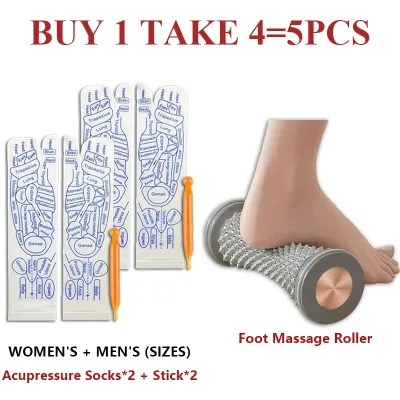
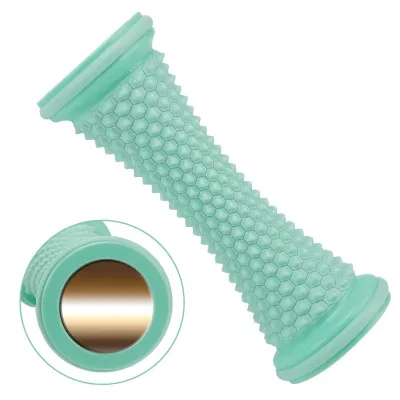
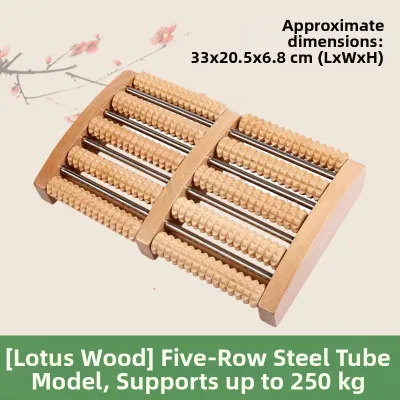
Prices are valid at publication and may change. Please refer to the product page for the latest price.
Integrating a feet massager roller into your post-yoga routine helps release this accumulated tension through targeted myofascial self-release. When you apply controlled pressure to the soles of your feet, you stimulate local blood circulation, which delivers oxygen and essential nutrients to fatigued tissues. This mechanical stimulation helps break up minor fascial adhesions—small knots where connective tissue has become tight or restricted—and encourages the fibers to return to a pliable, healthy state. Improved tissue elasticity in the arches directly translates to better ankle mobility and a more stable, comfortable foundation when executing deep stretches like Downward-Facing Dog.
While standard yoga accessories like foam rollers and massage balls are excellent for larger muscle groups, they often lack the precision needed to navigate the intricate contours of the foot. A dedicated foot roller is specifically engineered to cradle the arch, heel, and ball of the foot simultaneously, providing a more balanced and comfortable rolling experience. By filling this specific recovery gap, a foot roller rounds out your wellness kit, ensuring that your recovery routine is just as comprehensive and mindful as your physical practice on the mat.
What to Look for When Buying a Foot Roller for Yoga
Selecting the perfect foot roller involves evaluating several key design characteristics to ensure the tool meets your physical needs and withstands daily use. Because yoga recovery is highly personal, a roller that works perfectly for one practitioner might feel too intense or ineffective for another. By understanding the core specifications of these tools, you can make an informed decision that enhances your post-practice recovery.

Material and Durability The material of your foot roller dictates its grip, weight, hygiene, and overall lifespan. Common materials include ethylene-vinyl acetate (EVA) foam, thermoplastic elastomers (TPE), silicone, and natural cork. EVA foam is lightweight and budget-friendly, but it can compress permanently over time with heavy use. TPE and silicone offer excellent durability, a non-slip grip on polished floors, and a non-porous surface that is easy to sanitize. Natural cork is a highly sustainable, eco-friendly option that provides a firm, grounding sensation, though it requires more mindful maintenance to preserve its structural integrity.
Texture and Intensity The surface texture of a roller directly influences the intensity of the massage. Smooth rollers provide a gentle, even pressure that is ideal for warming up the feet before a session or for individuals with highly sensitive soles. In contrast, nodular or spiked rollers feature raised bumps designed to mimic the fingertips of a massage therapist. These textured surfaces are engineered for deep tissue trigger point release, allowing you to target specific, stubborn knots in the arch or heel. If you are new to myofascial release, starting with a smoother or mildly textured surface is generally recommended to avoid overstimulating the nerves in your feet.
Size and Portability A practical foot roller must fit seamlessly into your existing yoga lifestyle. Compact, travel-sized rollers are typically between 10 to 15 centimeters in length, making them incredibly portable and easy to slip into the side pocket of a standard yoga mat bag. These smaller rollers are perfect for quick recovery sessions at a local studio or while traveling. Larger, dual-foot rollers allow you to roll both feet simultaneously or perform broader, more stable strokes, but their bulkier design makes them better suited for a dedicated home recovery station.
Firmness and Density The density of the roller determines how much it yields under your body weight. A roller that is too soft will bottom out, failing to apply enough pressure to release deep tension in the dense plantar fascia. Conversely, an excessively hard roller, such as one made of solid wood or hard plastic, can cause bruising or trigger a protective tensing reflex in your muscles if your body weight is applied too quickly. A medium-to-firm density is widely considered the sweet spot for yoga recovery, offering enough structural resistance to compress the fascia effectively while still providing a slight, protective yield.
Environmental Care in Tropical Climates If you practice yoga in a warm, humid environment like the Philippines, environmental factors play a major role in equipment longevity. High humidity and sweat can quickly turn porous materials like natural cork or open-cell foam into breeding grounds for mold, mildew, and bacteria. When selecting a roller, consider how easy it is to clean and dry. Non-porous materials like silicone or closed-cell TPE are highly resistant to moisture absorption, making them exceptionally low-maintenance in tropical climates. If you prefer natural materials like cork, you must commit to storing the roller in a well-ventilated, dry area away from direct sunlight to prevent cracking or rot.
Comparing the Main Types of Foot Massager Rollers
To help you find the best match for your yoga recovery kit, it is helpful to categorize foot rollers by their design and material properties. Each type offers a distinct sensory experience and pressure profile, catering to different levels of practice and physical sensitivity.
Smooth Foam and Silicone Rollers Smooth rollers made of high-density EVA foam or medical-grade silicone are the gentlest options available. They distribute your body weight evenly across the entire sole, minimizing localized discomfort and making them highly accessible for beginners or those recovering from mild muscle fatigue. Silicone models are particularly favored for their hygienic properties, as their completely non-porous surface can be washed with simple soap and water. These rollers are excellent for a soft pre-yoga warm-up to awaken the sensory receptors in your feet before balance-heavy sequences.
Textured and Nodular Rollers Textured rollers feature ridges, grooves, or pointed nodules designed to penetrate deep into the muscular layers of the foot. By concentrating pressure onto smaller surface areas, these rollers can effectively release stubborn fascial adhesions and target trigger points near the heel and ball of the foot. While highly effective for deep tissue release, they carry a steeper learning curve. Beginners may find the sensation intense or slightly uncomfortable at first, requiring a gradual acclimatization period and careful control of body weight during use.
Cork and Natural Material Rollers Cork rollers appeal directly to eco-conscious yogis who prefer natural, sustainable materials that align with the holistic philosophy of yoga. Cork provides a firm, solid pressure that does not yield under heavy body weight, offering an intense, grounding massage. The natural texture of cork also provides an inherent grip, preventing the roller from sliding across your yoga mat or floor. However, because cork is a natural, semi-porous material, it requires diligent care—especially in humid regions—to prevent sweat absorption and subsequent odor or structural degradation.
| Roller Type | Best For | Pressure Level | Maintenance Needs |
|---|---|---|---|
| Smooth Foam/Silicone | Beginners, warm-ups, sensitive feet | Mild to Moderate | Very low; simple wipe-down |
| Textured/Nodular | Deep tissue release, stubborn knots | Moderate to Intense | Low; wash textured grooves regularly |
| Cork/Natural Wood | Eco-conscious yogis, firm pressure | Intense | Moderate; air-dry thoroughly, avoid damp storage |
How to Safely Use a Foot Roller After Yoga Practice
Integrating a foot roller into your post-yoga routine is a straightforward process, but executing the movements with proper form and mindfulness is crucial to avoid injury. Just as you honor your body’s limits during a yoga flow, you should approach myofascial release with patience and awareness, allowing your muscles to relax into the pressure rather than fighting against it.
Step-by-Step Rolling Technique To begin, choose between a seated or standing position based on your desired intensity. If you are new to foot rolling or have sensitive feet, start by sitting comfortably in a chair with your feet flat on the floor. Place the roller under one foot and gradually apply downward pressure. For a deeper, more intense massage, stand up and hold onto a wall or a sturdy piece of furniture for balance.
- Step 1: Place the arch of your foot directly on top of the roller.
- Step 2: Slowly roll your foot forward and backward, moving from the base of your toes down to the front of your heel. Take about 10 to 15 seconds to complete one full pass.
- Step 3: When you encounter a tender spot or trigger point, pause. Hold the roller in place and take three to five deep, slow diaphragmatic breaths, allowing your foot to melt over the roller.
- Step 4: Gently flex and extend your toes while maintaining pressure on the tender spot to help release the underlying tissue.
- Step 5: Repeat the process on the other foot, noting any differences in tightness between your left and right sides.
Time and Frequency Guidelines For optimal recovery, consistency is far more effective than long, aggressive sessions. Spend approximately 1 to 2 minutes rolling each foot after your yoga practice or at the end of a long day. Limit your rolling sessions to once or twice daily. Overworking the delicate tissues of the feet can lead to localized inflammation, soreness, or bruising, which can temporarily hinder your balance and comfort during your next yoga class.
Safety Boundaries and Contraindications While a foot roller is an excellent tool for general muscle maintenance, it is vital to recognize when rolling is unsafe. Stop using the roller immediately if you experience sharp, shooting pain, sudden numbness, or a tingling sensation, as these symptoms can indicate nerve compression or acute tissue damage. Never roll directly over open wounds, skin infections, swollen or inflamed joints, or suspected stress fractures. If you are recovering from a recent, severe foot injury, allow the tissues to heal completely and seek professional clearance before introducing self-massage tools.
When to Seek Professional Consultation It is important to remember that a foot massager roller is designed for muscle maintenance, relaxation, and minor tension relief; it is not a medical treatment. If you suffer from chronic, severe foot pain, persistent morning stiffness, or a diagnosed structural issue, a roller should not replace professional medical advice. Always consult a licensed physical therapist, podiatrist, or medical professional to receive a comprehensive diagnosis and a tailored treatment plan designed specifically for your body’s needs.
Frequently Asked Questions (FAQ)
Can I use a foot massager roller if I have plantar fasciitis?
If you have chronic tightness or mild discomfort from plantar fasciitis, gentle rolling can be a highly effective way to maintain tissue elasticity and relieve daily tension. However, you should avoid aggressive rolling during acute flare-ups when you are experiencing sharp, stabbing pain or active inflammation. Applying heavy pressure directly to an inflamed plantar fascia can worsen the micro-tears in the tissue and delay your healing process. For diagnosed conditions like plantar fasciitis, always consult a physical therapist or medical professional to establish a safe, personalized recovery protocol before using any self-massage tools.
How do I clean and maintain my foot roller in a humid climate?
In a humid tropical environment like the Philippines, keeping your yoga gear clean and dry is essential to prevent the growth of mold and bacteria. After every use, wipe down your foot roller with a clean, damp cloth and a few drops of mild, organic soap to remove sweat and oils. Avoid submerging the roller in water, especially if it is made of natural cork or wood. Once cleaned, place the roller in a well-ventilated, shaded indoor area and allow it to air dry completely before storing it in your yoga bag or closet. Storing a damp roller in a sealed, dark space will rapidly encourage mold growth and degrade the material.
Is a lacrosse ball a good alternative to a foot roller?
A lacrosse ball can serve as an excellent complementary tool, but it offers a very different massage experience than a cylindrical foot roller. Because a lacrosse ball is spherical, it provides highly targeted, deep, and localized pressure to a single point, making it exceptional for pinpointing stubborn knots. A cylindrical foot roller, on the other hand, offers a broader, more stable contact surface that is much easier to control and roll smoothly across the entire sole. Many yoga practitioners find that having both tools in their recovery kit provides the perfect balance of broad, soothing relief and precise trigger-point therapy.
Community discussion
Share your experience or ask a question. Comments are reviewed before publication.