
Quick Answer: Core Criteria for Athlete Lumbar Support
Selecting the right lumbar back support requires balancing the physical demands of your sport with the specific level of stabilization your lower back needs. The core decision matrix lies between flexible compression sleeves, which offer mild warmth and unrestricted movement, and rigid stabilization braces, which use built-in stays to limit harmful ranges of motion. For athletes training in the tropical climate of the Philippines, managing heat and humidity is just as critical as structural support. High-performance gear must feature breathable, moisture-wicking fabrics to prevent skin irritation and heat buildup during intense workouts.
While a lumbar back support is an excellent supplementary tool for managing fatigue and maintaining form, it is not a cure for underlying injuries. Persistent, sharp, or worsening lower back pain requires a comprehensive evaluation by a sports physiotherapist or medical professional to address the root cause of the discomfort.
Assessing Your Athletic Needs and Required Support Level
Understanding your physical condition and training goals is the first step in choosing an appropriate lumbar back support. Athletic back supports generally fall into two categories: preventative compression gear and rigid stabilization braces. Preventative compression sleeves are typically made of elastic or neoprene-free materials designed to retain therapeutic heat, promote blood flow, and provide mild sensory feedback. This feedback, known as proprioception, helps you remain aware of your posture and core engagement during dynamic movements. These flexible sleeves are ideal for athletes who do not have structural injuries but want to keep their lower back muscles warm and supported during long training sessions.
Products mentioned in this guide
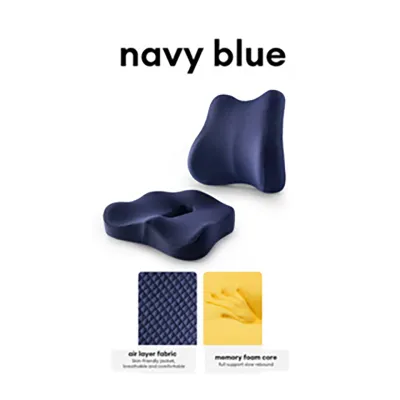
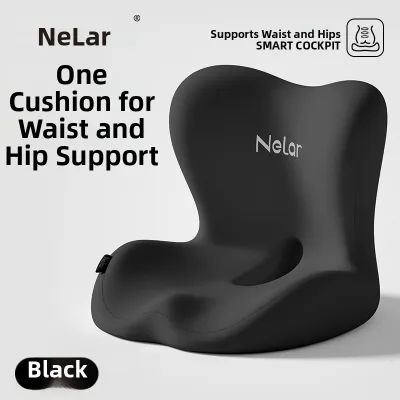
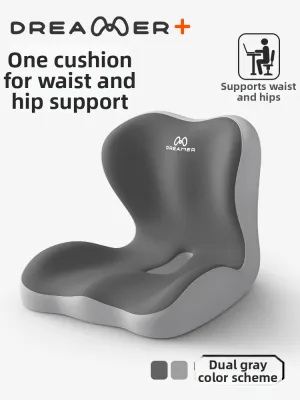
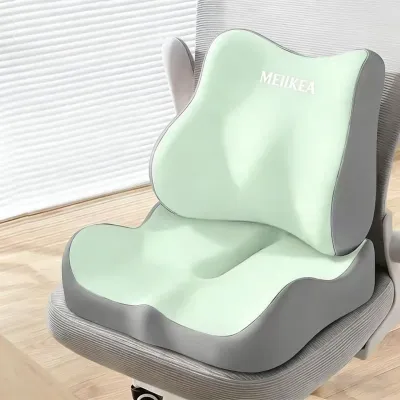
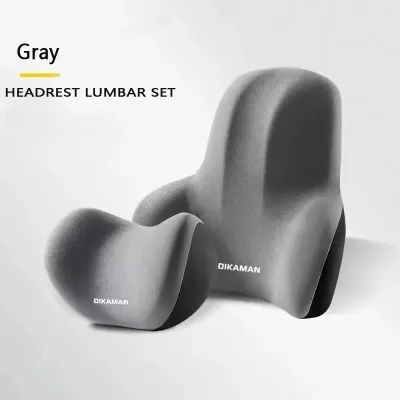
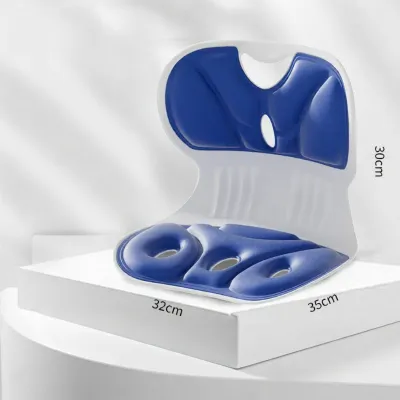
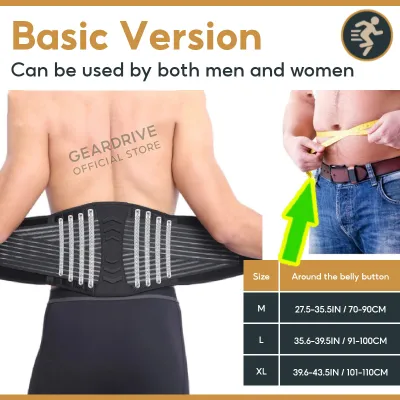
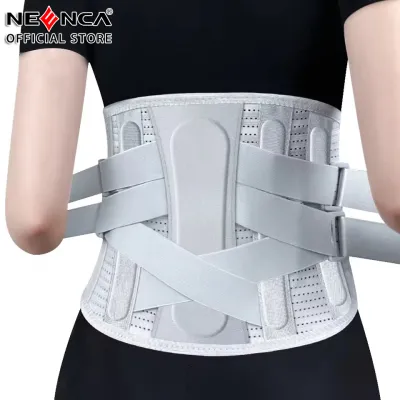
Prices are valid at publication and may change. Please refer to the product page for the latest price.

In contrast, rigid stabilization braces feature vertical plastic or metal stays positioned along the spine. These stays physically limit excessive twisting, bending, and hyperextension, making them suitable for post-injury rehabilitation or acute flare-ups. By restricting movement, these braces protect healing tissues and reduce the load on your lumbar vertebrae. However, this restriction can alter your natural biomechanics, potentially shifting stress to other joints like your hips or thoracic spine.
Because of these biomechanical shifts, relying on a highly restrictive brace without a clear medical reason can impact your athletic performance and long-term joint health. If you experience chronic, sharp, or radiating pain that travels down your glutes or legs, do not attempt to self-treat with a brace. These symptoms often point to nerve compression or disc issues that require professional medical diagnosis and a structured rehabilitation plan before you resume high-intensity training.
Essential Features for Intense Sports and Tropical Climates
Training in a warm, humid environment presents unique challenges for athletic gear. When selecting a lumbar back support, the materials and construction must be suited to tropical conditions to ensure comfort and compliance.
Breathable and Moisture-Wicking Fabrics
Standard neoprene braces often trap sweat, leading to rapid heat buildup, skin chafing, and a high risk of fungal or bacterial skin infections. Look for advanced technical fabrics such as 3D knit, perforated neoprene alternatives, or lightweight mesh panels. These materials facilitate continuous airflow and pull sweat away from your skin, keeping your core cool and dry even during intense midday training sessions.
Adjustable Strap Systems and Dual-Pull Mechanisms
A single elastic band rarely provides the targeted pressure required for athletic movements. High-quality sports braces utilize dual-pull tensioning systems, which feature a primary closure band supplemented by secondary adjustable straps. This design allows you to customize the compression level across different zones of your lower back. It also ensures you can tighten the support during heavy lifts or high-impact sets and quickly loosen it during rest periods, allowing for unrestricted diaphragmatic breathing and natural lung expansion.
Anti-Slip Technology and Ergonomic Contouring
An athletic brace is useless if it shifts out of place during movement. Look for supports equipped with internal silicone grip strips or wave patterns along the borders. These elements help anchor the brace against your athletic wear or skin, preventing it from riding up during overhead reaches or sliding down during deep squats. Additionally, anatomically contoured designs that taper at the hips and abdomen offer a secure fit that conforms to your body shape without bunching or restricting your natural stride.
Matching Support Types to Specific Athletic Activities
Different sports place distinct physical demands on your lower back. Matching the structural features of your lumbar support to the specific biomechanics of your activity ensures both safety and performance.
High-Impact and Rotational Sports
Sports like golf, tennis, badminton, and martial arts require rapid torso rotation, lateral bending, and sudden changes of direction. For these activities, a highly rigid brace is counterproductive as it blocks the rotation needed to generate power. Instead, opt for a flexible lumbar support equipped with lightweight, flexible plastic stays. This setup provides a physical boundary to prevent extreme over-rotation while allowing the fluid, natural twisting required to swing a racket, club, or throw a kick.
Heavy Lifting and Strength Training
Weightlifting, powerlifting, and CrossFit involve moving heavy external loads that place immense compressive forces on the spine. In these scenarios, the primary goal of a support is to maximize intra-abdominal pressure, which acts as an internal airbag protecting your lumbar discs. Look for wide, rigid lifting belts or heavy-duty lumbar braces with wide back panels and robust fastening systems. These supports give your abdominal muscles a solid wall to push against, stabilizing your entire midsection during squats, deadlifts, and overhead presses.
Endurance and Repetitive Motion Sports
Running, cycling, and long-distance hiking subject the lower back to low-intensity, repetitive vibrations over extended periods. Fatigue in the deep stabilizing muscles of the core often leads to poor posture and dull aching late in a session. For endurance athletes, a lightweight, low-profile compression belt is the most effective choice. These designs fit comfortably under or over running shirts, minimize friction to prevent painful chafing, and provide just enough compression to delay muscle fatigue without adding unnecessary bulk or weight.
Sizing, Fitting, and Safe Wear Guidelines
An improperly fitted lumbar support can worsen your discomfort or fail to provide any therapeutic benefit. Taking accurate measurements and using the brace responsibly are vital for maintaining core strength and spinal health.
Step-by-Step Measuring Guide
Never guess your size based on your standard pants or waist size, as athletic braces often sit higher or lower than your waistband.
- Locate the measurement zone: Use a flexible measuring tape to measure the circumference around your torso, typically aligned with your belly button or the widest part of your hips, depending on the manufacturer's instructions.
- Keep a relaxed posture: Stand up straight, relax your abdomen, and avoid pulling the tape too tight or sucking in your stomach.
- Consult the sizing chart: Compare your measurement to the specific brand's sizing guide. If your measurement falls between two sizes, opt for the larger size if you prefer adjustable layering, or the smaller size if you require maximum compression.
Indicators of a Proper Fit
When you put on the brace, it should feel snug and secure, providing even pressure across your lower back and abdomen. You should be able to take deep, full diaphragmatic breaths without feeling restricted or choked at your ribs. Check for any localized pinching, red marks, or numbness in your hips or thighs, which indicate the brace is too tight or positioned incorrectly. Your hips should be able to flex naturally, allowing you to sit, bend, and run without the edges of the brace digging into your groin or ribs.
Safe Wear Duration and Core Preservation
A lumbar brace is designed to assist your muscles, not replace them. Wearing a supportive brace continuously during non-training hours can lead to muscle dependency, where your deep core and abdominal muscles begin to weaken or atrophy because the brace is doing the work for them. To prevent this, limit your brace wear to active training sessions, heavy lifting sets, or acute pain flare-ups. Avoid wearing the support while resting, sleeping, or performing light daily activities unless specifically instructed by your doctor or physical therapist. Incorporate regular core-strengthening and mobility exercises into your routine to build a natural muscular corset.
Purchasing and Verifying Products in the Philippines
Sourcing a genuine, high-quality lumbar back support in the Philippines requires careful selection to avoid low-grade counterfeits that offer poor support and degrade quickly.
When shopping on major e-commerce platforms and online marketplaces, prioritize official brand stores, authorized distributors, or shops with verified medical-grade ratings. Look for detailed customer reviews that mention the durability of the velcro, the flexibility of the stays, and how the material holds up after multiple washes in local humidity. Avoid generic, unbranded listings that use stock photos and make unrealistic therapeutic claims at unusually low prices.
Before finalizing your purchase, carefully review the seller’s return and exchange policies. Because precise sizing is critical for athletic braces, you need a clear pathway to exchange the product if the initial fit is too loose or restrictive. Check if the seller offers a hassle-free exchange window and look for warranty terms that cover manufacturing defects in the stitching, elastic fibers, or fastening systems.
For those who prefer a hands-on approach, visiting local sports pharmacies, orthopedic specialty shops, or major medical supply stores in urban centers is highly beneficial. Shopping in person allows you to feel the weight and breathability of the fabrics, test the strength of the adjustable straps, and receive professional fitting assistance from trained staff. This hands-on evaluation ensures you invest in a durable, effective lumbar support tailored to your athletic pursuits.
Frequently Asked Questions (FAQ)
Can I wear a lumbar back support all day while working or resting?
No, you should avoid wearing a lumbar back support all day while resting or working at a desk unless a healthcare professional has prescribed this specific routine. Continuous wear can cause your core and back muscles to rely on the external support, leading to muscle weakness and increased vulnerability to injury over time. Keep the brace’s use limited to active training sessions, heavy lifting, or brief periods of acute discomfort.
How do I clean and maintain my lumbar brace to prevent odors?
To prevent sweat odors and preserve the elasticity of your brace, hand-wash it in cool water using a mild, bleach-free detergent. Gently squeeze out excess water without twisting or wringing the fabric, as this can warp the internal stays and damage the elastic fibers. Lay the brace flat to air-dry in a well-ventilated indoor area away from direct sunlight and high heat sources, which can degrade the synthetic materials and velcro. Never use a washing machine or tumble dryer.
Should I wear the lumbar support over or under my athletic clothing?
This depends on your personal comfort and the design of the brace. Wearing the support over a thin, moisture-wicking base layer is highly recommended because it protects your skin from friction, prevents chafing, and absorbs sweat, which keeps the brace cleaner for longer. However, if the manufacturer specifies that the brace features hypoallergenic, skin-friendly materials designed for direct contact, you can wear it under your clothing, provided it does not cause irritation during movement.
Community discussion
Share your experience or ask a question. Comments are reviewed before publication.