
Selecting the ideal pilates roller requires a careful evaluation of your current physical fitness level, your body’s structural dimensions, and your personal pain tolerance. Unlike generic gym equipment, a pilates roller acts as a direct extension of your spine during core sequences, balance work, and restorative stretching. Choosing a roller with the wrong density, length, or surface texture can lead to muscle guarding, poor alignment, or even physical strain. By matching your specific physiological needs to the correct roller specifications, you can safely unlock the benefits of spinal decompression, deep core recruitment, and targeted myofascial release.
To make an informed decision, you must understand how different materials and dimensions interact with your body. A roller that is too firm may trigger a defensive tensing of your muscles, while one that is too soft will fail to provide the structural support needed for advanced balance exercises. This guide breaks down the essential differences between roller types, explains how to assess your physical limits, and provides tailored recommendations to help you select a tool that supports your long-term movement practice.
Understanding Pilates Rollers: Soft Cylinders vs. Standard Foam Rollers
To the untrained eye, all foam cylinders look identical, but traditional Pilates rollers and standard gym foam rollers serve entirely different athletic purposes. Traditional Pilates rollers are typically constructed from soft, closed-cell Ethylene-Vinyl Acetate (EVA) foam. This material is designed to yield slightly under your body weight, mimicking the gentle pressure of a manual therapist’s hands. The primary goal of a Pilates roller is to facilitate spinal alignment, challenge deep stabilizing muscles, and support gentle chest-opening stretches.
Products mentioned in this guide
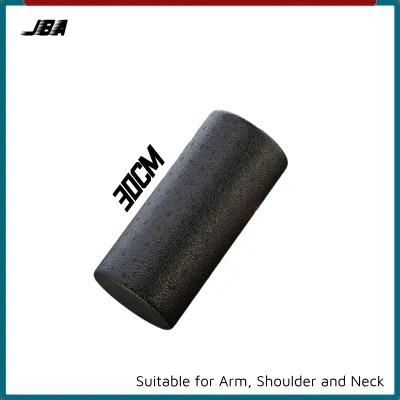
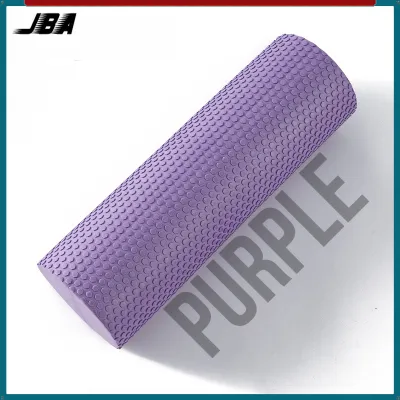
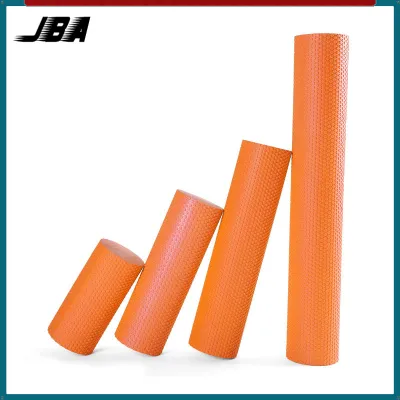
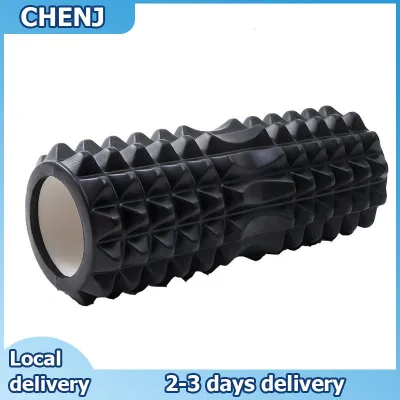
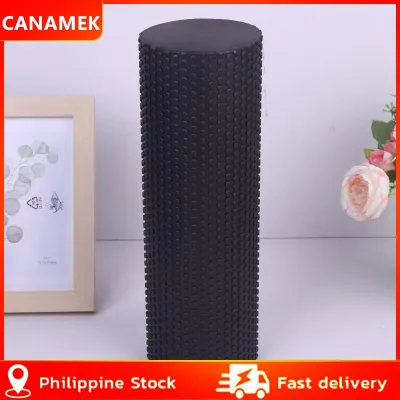
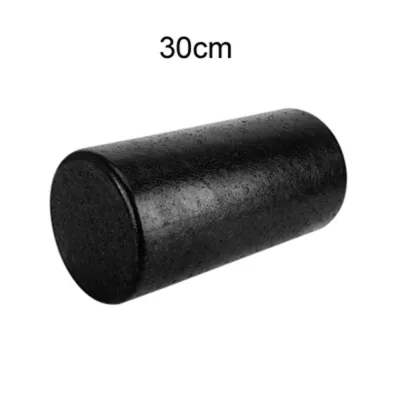
![[Local Stock] Yoga Foam Roller Yoga Roller Massage Roller Fitness Gym Exercise Roller Muscle Relax](https://img.lazcdn.com/g/p/cf0e298c5771cbd3b49d3905ea7eec54.jpg_400x400q80.jpg_.webp)
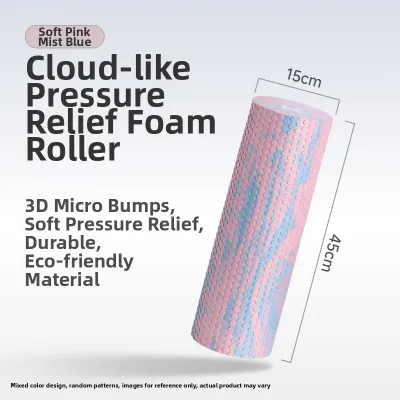
Prices are valid at publication and may change. Please refer to the product page for the latest price.
In contrast, standard gym foam rollers are engineered for self-myofascial release (SMR) and aggressive muscle recovery. These rollers are often made from high-density Expanded Polypropylene (EPP) or feature a rigid hollow core made of Acrylonitrile Butadiene Styrene (ABS) plastic wrapped in a thin layer of foam. Gym rollers are built to withstand high pressure and are designed to break up dense muscle adhesions, particularly in large muscle groups like the quadriceps, glutes, and calves.
Using a highly rigid gym roller for spine-centric Pilates exercises can be counterproductive and potentially unsafe. When you lie longitudinally along a hard, unyielding cylinder, your nervous system often perceives the intense pressure as a threat, causing your back muscles to contract defensively. A softer EVA Pilates roller allows your vertebrae to settle gently onto the surface, promoting muscle relaxation and safe thoracic extension. Always check the manufacturer’s material specifications to ensure you are purchasing the correct density for your intended exercises.
| Feature | Traditional Pilates Roller | Standard Gym Foam Roller |
|---|---|---|
| Primary Material | Closed-cell EVA foam | High-density EPP or ABS plastic core |
| Density Level | Soft to medium-soft | Firm to extra-firm |
| Primary Purpose | Spinal alignment, core stability, gentle stretching | Self-myofascial release, deep tissue massage |
| Spinal Compatibility | Highly safe for prolonged longitudinal use | Limited; can cause muscle guarding on the spine |
| Durability Under Load | Moderate compression; resilient shape recovery | High weight capacity; zero compression in rigid models |
| Typical Price Band | Mid-range to Premium (₱800 – ₱1,800+) | Budget to Mid-range (Under ₱800 – ₱1,500) |
Matching Roller Firmness and Texture to Your Pain Tolerance
Your personal pain tolerance and the sensitivity of your nervous system should dictate the firmness and texture of your roller. Choosing a tool that is too aggressive for your current physical state can lead to bruising, localized inflammation, or heightened muscle tension.

Soft and Smooth Surfaces
Smooth, low-density foam rollers are the safest starting point for beginners, older adults, or individuals recovering from minor back stiffness. Because the surface is entirely flat and yielding, your body weight is distributed evenly across a broad surface area. This prevents localized pressure spikes that can pinch the skin or bruise sensitive tissues. Smooth rollers are highly recommended for restorative sessions, breathing exercises, and prolonged spinal alignment work where comfort is paramount to achieving a relaxed state.
Medium-Density with Mild Texture
Intermediate users who want to combine core stability work with light muscle mobilization often benefit from medium-density rollers featuring subtle, low-profile textures. These mild ridges or wave patterns gently stimulate superficial blood flow and target minor muscular knots without overwhelming your sensory receptors. The material provides a stable, supportive base for dynamic core movements while offering enough flexibility to massage the muscles surrounding the shoulder blades safely.
Firm and Deep-Textured (Grid or Knobby)
High-density, deeply textured rollers are specialized tools designed for advanced practitioners and athletes who require deep tissue stimulation. These rollers feature prominent grids, knobs, or finger-like projections designed to penetrate deep into dense muscle layers. However, these aggressive textures must never be used directly on the spine, neck, or other bony prominences. The concentrated pressure can irritate the spinous processes of your vertebrae or compress delicate nerves, leading to acute pain or numbness.
Pressure Sensitivity Self-Assessment
Before purchasing a specific roller texture, you can perform a simple pressure sensitivity test at home. Take a standard tennis ball and place it under your upper back or your thigh while lying on a carpeted floor. Gently lower your body weight onto the ball. If this localized pressure feels intensely painful or causes you to hold your breath, your nervous system is highly sensitive, and you should select a soft, smooth EVA roller. If the pressure feels like a satisfying, manageable release, you can safely opt for a medium-density or mildly textured model.
Choosing the Right Size and Shape for Your Body Type
An ill-fitting roller can compromise your form and limit the effectiveness of your Pilates routine. To ensure proper support, you must match the length, diameter, and shape of the roller to your height, shoulder width, and balance capabilities.
Length Considerations
- Full-Length Rollers (36 inches / 90 cm): This is the standard length required for classic Pilates mat work. A 36-inch roller is long enough to support your entire spine simultaneously, from the base of your skull (occiput) down to your tailbone (sacrum), when lying on it longitudinally. This full back support is crucial for executing safe chest expansion, pelvic tilts, and core stabilization exercises without leaving your head or lower back hanging unsupported.
- Shorter Rollers (12 to 18 inches / 30 to 45 cm): While highly portable and convenient for travel or small living spaces, shorter rollers cannot support your full spine longitudinally. They are strictly limited to horizontal placement under specific body segments, such as the pelvis for hip flexor stretches, or under the limbs for targeted calf, hamstring, or lateral thigh work.
Diameter and Profile
- Standard Diameter (5 to 6 inches / 12 to 15 cm): This is the most versatile profile for general core stability and spinal work. It lifts your torso high enough off the floor to allow your shoulders to drop open completely, facilitating a deep chest stretch. However, it requires a moderate level of core strength to maintain balance on this elevated cylinder.
- Smaller Diameter (3 to 4 inches / 7 to 10 cm): A low-profile roller positions your body closer to the floor, which significantly reduces the balance challenge and makes it less intimidating for beginners or individuals with compromised mobility. It is also highly effective for targeted neck work and upper back alignment for smaller body frames.
- Half-Round Rollers (Semi-Circular): These rollers feature one flat side and one rounded side. Placing the flat side on the floor provides an exceptionally stable, non-slip base, making it an excellent choice for balance-challenged individuals, rehabilitation patients, or those performing standing ankle stabilization exercises.
To verify the correct fit, sit on one end of a full-length roller and slowly lie back. If your head hangs off the top edge or your tailbone slips off the bottom, the roller is too short for your torso length. Additionally, measure your shoulder width; if your shoulders feel uncomfortably shrugged or compressed inward when resting your arms on the floor beside the roller, consider a wider, low-profile model or a half-round alternative to allow your chest to open naturally.
Top Pilates Roller Types Recommended by Fitness Level
To help you navigate the wide variety of options available in specialty fitness stores and online marketplaces, we have categorized the most reliable roller designs by user experience level. Each category highlights specific physical requirements, material benefits, and potential limitations.
Best for Beginners: Soft, Smooth EVA Cylinders
First-time Pilates practitioners, individuals recovering from general back stiffness, and those focusing on breathwork and gentle alignment should begin their journey with a soft, smooth EVA cylinder. This tool is designed primarily to introduce the body to the sensation of spinal instability without causing discomfort.
- Applicable Scenarios: Ideal for home-based restorative routines, introductory Pilates classes, daily spinal decompression after long hours of sitting, and gentle chest-opening stretches.
- Reasons for Recommendation: High-quality EVA foam is a closed-cell material that yields slightly under your body weight. This subtle compression prevents the defensive muscle guarding that often occurs when a beginner lies on a hard surface. The smooth, seamless texture ensures there are no painful pressure points, allowing you to focus entirely on your breathing and core activation.
- Limitations: Because of its soft composition, this roller does not provide the intense pressure required for deep tissue massage or myofascial release. Over time and under heavy, localized loads, low-density EVA may compress permanently, making it less suitable for heavier individuals who require rigid structural support.
- Pre-Purchase Checks: Always verify the foam density rating on the product label, looking specifically for "soft," "low-density," or "restorative" designations. Ensure the surface has a fine, slip-resistant texture to maintain grip when your hands or back become sweaty during warm-weather sessions.
Best for Intermediate Users: Medium-Density Textured Rollers
For regular fitness enthusiasts and Pilates practitioners who have mastered basic spinal alignment, a medium-density textured roller offers a highly versatile, dual-purpose solution. This design bridges the gap between core support and active muscle recovery.
- Applicable Scenarios: Suitable for individuals attending weekly Pilates classes, runners or cyclists looking for moderate muscle recovery, and those incorporating dynamic core stabilization exercises into their daily routines.
- Reasons for Recommendation: Medium-density foam provides a firm, supportive base that will not collapse under dynamic movements, such as single-leg lifts or planks with your feet elevated on the roller. At the same time, the mild, low-profile surface texture provides a therapeutic massage to the thoracic spine and shoulder blades without causing bruising.
- Limitations: The textured surface can become uncomfortable during prolonged, static longitudinal holds along the spine. It is also not firm enough to perform deep trigger-point therapy on dense, highly tight muscle groups like the glutes or IT band.
- Pre-Purchase Checks: Inspect the texture pattern closely before buying; look for rounded, shallow ridges rather than sharp, high-profile spikes. Check the manufacturer's maximum weight capacity to ensure the roller is rated to support your body weight during high-pressure, single-limb exercises.
Best for Advanced Practitioners: Firm, High-Density Grid Rollers
Advanced Pilates practitioners, competitive athletes, and individuals who require maximum stability for complex balance sequences should opt for a firm, high-density grid roller. This category is built for durability and intense tissue mobilization.
- Applicable Scenarios: Advanced core stabilization training, intense post-workout myofascial release, and high-instability balance exercises where a softer roller would compress unevenly and compromise form.
- Reasons for Recommendation: Constructed with a rigid, hollow ABS plastic core wrapped in a high-density EVA outer shell, these rollers maintain their perfect cylindrical shape under heavy loads. This structural integrity provides an unyielding, highly stable surface that challenges your deep stabilizing muscles to their absolute limit during advanced balance exercises.
- Limitations: These rollers are far too hard for direct, prolonged spinal extension exercises and can cause bruising or nerve compression if used incorrectly on bony areas. They are completely unsuitable for beginners, individuals with acute back pain, or anyone with osteopenia or osteoporosis.
- Pre-Purchase Checks: Ensure the roller features a solid or reinforced hollow core to prevent cracking over time. Read user reviews specifically regarding the hardness level, as subjective ratings of "firm" can vary significantly between brands. Verify that the manufacturer offers a warranty against core bending or foam peeling under regular athletic use.
Safety Guidelines and Usage Tips for Spinal and Core Work
While using a Pilates roller is generally a low-risk activity, performing exercises incorrectly on an unstable cylinder can lead to injury, particularly along the delicate structures of your spine and nervous system. Adhering to strict safety boundaries is essential for a productive practice.
Spinal Safety Zones
Never roll your body weight directly over your cervical spine (neck) or your lumbar spine (lower back) using a firm roller. These two areas lack the structural protection of the rib cage, and direct, unsupported rolling can force the joints into hyperextension or compress the delicate nerves of the lower back. Instead, focus your active rolling movements on your thoracic spine (mid-to-upper back, spanning from the base of your neck to the bottom of your shoulder blades). When supporting your head or lower back on the roller, always ensure your pelvis is grounded or your hands are supporting your head to eliminate unnecessary strain.
Distinguishing Pain from Discomfort
It is vital to learn how to interpret the signals your body sends during a session. You should easily distinguish between “good discomfort” and “bad pain.”
- Good Discomfort: A dull, satisfying ache, a sensation of muscular release, or a deep, warm stretch. You should be able to maintain slow, deep diaphragmatic breathing throughout the movement.
- Bad Pain: Any sharp, shooting, burning, or electrical pain, as well as localized joint pain. If you feel your muscles tensing up or find yourself holding your breath, the pressure is too intense.
Stopping Conditions
Stop your exercise immediately if you experience any of the following symptoms:
- Numbness or a "pins and needles" sensation in your arms, hands, legs, or feet.
- Dizziness, lightheadedness, or nausea, which can occur if a roller is pressed too firmly against the suboccipital muscles at the base of the skull.
- Sharp, localized joint pain in your shoulders, hips, or knees.
- A sudden loss of muscular control or balance that could cause a fall.
Professional Consultation
If you have a pre-existing medical condition—such as a herniated disc, spinal stenosis, osteoporosis, spondylolisthesis, or if you are pregnant—always consult a physical therapist or a certified Pilates instructor before using a roller. For example, individuals with osteoporosis must avoid deep spinal flexion and certain extension movements on a roller due to an increased risk of compression fractures. A qualified professional can provide personalized modifications tailored to your specific clinical history.
Environmental Safety
Always place your roller on a stable, non-slip yoga mat rather than directly on bare tile, hardwood, or polished concrete floors. In warm, humid tropical environments, sweat can quickly accumulate on both your skin and the roller’s surface, significantly reducing grip. A high-quality mat prevents the roller from slipping out from under you during high-plank or bridge exercises. Ensure your workout space is clear of sharp objects, furniture corners, or uneven floor transitions that could cause injury if you lose your balance.
Frequently Asked Questions (FAQ)
Can I use a standard gym foam roller for Pilates spine exercises?
While you can physically perform some Pilates movements on a standard gym foam roller, it is generally not recommended for spine-centric exercises. The high-density EPP foam or rigid ABS plastic core of a gym roller does not yield to the spinous processes of your vertebrae. This intense, unyielding pressure often triggers a defensive nervous system response, causing your back muscles to contract and tighten rather than relax and lengthen. For safe, comfortable, and effective spinal alignment and chest opening, it is highly recommended to invest in a softer, dedicated EVA Pilates roller, reserving your firm gym roller for lower-limb muscle recovery.
How should I store and clean my foam roller in a humid environment?
In highly humid tropical climates, sweat and ambient moisture can quickly turn a foam roller into a breeding ground for bacteria, mold, and mildew. After every session, wipe down your roller using a soft cloth dampened with a mild, non-abrasive soap and warm water solution. Avoid harsh chemical solvents, bleach, or concentrated alcohol sprays, as these substances can break down the cellular structure of EVA or EPP foam, causing it to harden, crack, or become permanently sticky. Always allow the roller to air-dry completely in a well-ventilated indoor space. Store it in a cool, dry place away from direct sunlight, which can warp the material and cause premature degradation.
Is a longer roller always better for back support?
Although a full-length 36-inch roller is highly recommended because it supports your entire head and spine simultaneously during supine exercises, longer is not universally better for every body type or scenario. For individuals with very petite frames or narrow shoulders, a wide 6-inch diameter, 36-inch long roller can feel cumbersome and may force the arms into an awkward, uncomfortable position when resting on the floor. Additionally, a long roller is difficult to transport. If you have limited space or primarily focus on seated balance work, hip stretches, and limb mobilization, a medium-length roller (approximately 24 inches) or a low-profile, smaller-diameter roller may provide a more comfortable and practical fit.
Community discussion
Share your experience or ask a question. Comments are reviewed before publication.