
When preparing for a day of water play or swimming lessons, selecting the right pool noodle foam tubes can significantly impact your child’s safety, comfort, and confidence in the water. These versatile foam cylinders serve as excellent swimming aids and recreational toys, helping young swimmers explore the water while building essential motor skills. However, choosing the perfect pool noodle foam tubes requires looking beyond vibrant colors. You must carefully evaluate the tube’s physical dimensions, foam density, and material safety to ensure it matches your child’s developmental stage and swimming ability.
While pool noodle foam tubes are invaluable tools for building water confidence, they are strictly classified as water toys and swimming aids rather than certified life-saving equipment. They do not replace personal flotation devices (PFDs) like life jackets, and they must always be used under direct, uninterrupted adult supervision. By focusing on key features such as length, diameter, foam composition, and structural integrity, you can select a safe, durable, and highly functional swimming companion for your child.
How Size and Density Affect Buoyancy and Control
The physical dimensions and material density of pool noodle foam tubes directly dictate how they behave in the water and how easily a child can maneuver them. Understanding the relationship between these physical properties and a child’s body size is the first step toward making an informed purchase.
Products mentioned in this guide

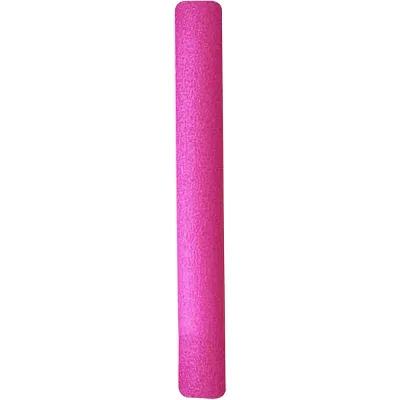
![Pomely [COD&Local] Floating Pool Noodle Foam Tube Kid Float Swim Rods Solid Kindergarten Gymnastics Sponge Stick](https://img.lazcdn.com/g/p/5fc14c675ae182ed1469f01c1bb2a36c.jpg_400x400q80.jpg_.webp)
Prices are valid at publication and may change. Please refer to the product page for the latest price.
Choosing the Right Length and Diameter
Matching the length and diameter of a pool noodle to your child’s physical build is crucial for both comfort and safety. A pool noodle that is too long—such as standard adult-sized models that measure 1.5 meters or more—can easily overwhelm a small child. Excessively long tubes are difficult for little arms to coordinate, and they can wrap around a child’s torso or limbs, creating a potential tangling hazard in deep water. Conversely, a noodle that is too short will fail to provide adequate buoyancy, leaving the child struggling to keep their chin and shoulders above the water line.
Diameter is equally important because it determines both the overall lift of the noodle and how securely a child can grip it. Toddlers and young children have smaller hands and weaker grip strength, meaning they cannot securely hold a thick, heavy-duty noodle with an 8-centimeter diameter. For these younger swimmers, a narrower diameter of approximately 6 centimeters is ideal, as it allows them to wrap their fingers completely around the tube for a firm, slip-free hold. As children grow and develop stronger grips, they can transition to wider noodles that offer greater flotation capacity. To ensure a proper match, always check the manufacturer’s packaging for specific age, height, and weight recommendations rather than relying on generic size categories.
Understanding Foam Density and Buoyancy
Foam density refers to how tightly packed the material’s cells are, which directly influences the weight, firmness, and overall buoyancy of the pool noodle. Most pool noodle foam tubes are made from polyethylene, but the manufacturing process can result in vastly different densities. High-density foam is characterized by a firm, rigid structure with microscopic, closed air cells. This closed-cell structure prevents water absorption, ensuring the noodle remains highly buoyant and retains its shape even under significant weight. High-density noodles are the superior choice for beginners and swimming students who require consistent, stable support to keep their bodies horizontal in the water.
Low-density foam, on the other hand, features larger, more flexible air cells. This makes the noodle incredibly soft, lightweight, and easy to bend, which is perfect for creative pool games and active play. However, low-density foam provides less flotation support and can compress easily under pressure, making it less reliable for non-swimmers. When shopping, you can identify high-density options by looking for terms like “high-buoyancy,” “closed-cell,” or “heavy-duty” in product descriptions. If you are purchasing in-store, perform a simple physical test: press your thumb firmly into the side of the noodle. If the foam resists compression and springs back instantly without leaving an indentation, it is a high-density, high-buoyancy tube. Always align the foam’s density with your child’s swimming proficiency to ensure their safety and progress during water practice.
Safety Checks for Pool Noodle Foam Tubes: Materials and Design
Before introducing any new pool noodle foam tubes to your child’s swim routine, conducting a thorough safety inspection is essential. Children naturally interact with pool toys in ways that can expose them to chemical and physical hazards, making proactive checks a non-negotiable step for parents.

Non-Toxic Materials and Certifications to Verify
Chemical safety is a primary concern when selecting foam toys for children. During active water play, kids frequently bite or chew on pool noodles, and they often swallow water that has run along the surface of the foam. Therefore, you must verify that the pool noodle foam tubes are manufactured from non-toxic, food-grade materials. Ensure the product is explicitly labeled as BPA-free, phthalate-free, and lead-free.
To guarantee these standards, look for recognized toy safety certifications printed on the packaging, such as ASTM F963 or EN 71. In the local market, check for compliance with Department of Trade and Industry (DTI) toy safety standards. Never assume that bright, cheerful colors indicate a safe product. When you first unbox or unwrap a new pool noodle, perform a quick smell test. A strong, pungent chemical odor indicates off-gassing, which is the release of volatile organic compounds (VOCs) used during the manufacturing process. If you detect a harsh chemical smell, place the noodle in a well-ventilated, shaded outdoor area for several days until the odor completely dissipates, or return the product in favor of a certified non-toxic alternative.
Design Safety: Holes, Connectors, and Choking Hazards
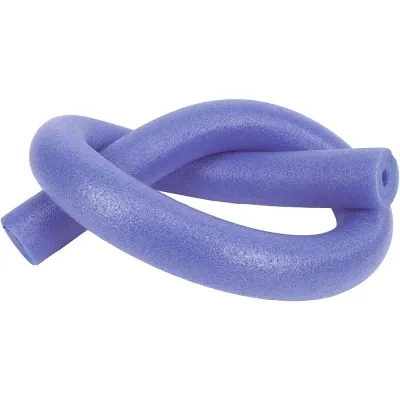
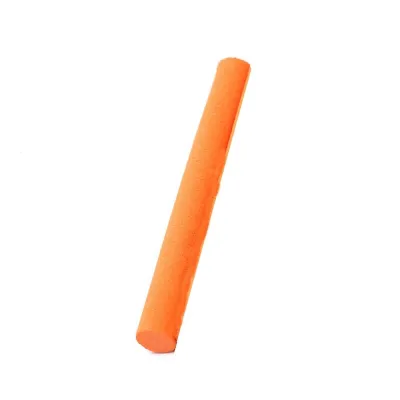
The physical design of a pool noodle also plays a major role in hygiene and safety. Pool noodles generally fall into two categories: hollow-core (featuring a hole running through the center) and solid-core (solid foam throughout). While hollow noodles are popular because they are lightweight and can be used to squirt water, they present a distinct hygiene risk in hot, humid, and tropical climates like the Philippines. The inner chamber of a hollow noodle easily traps stagnant, chlorinated water. If the noodle is not drained and dried thoroughly after use, this dark, damp environment becomes an ideal breeding ground for black mold, mildew, and harmful bacteria. Solid-core noodles, although slightly heavier and less flexible, are far more hygienic because they completely eliminate the internal space where water can pool and stagnate.
Additionally, you must evaluate any plastic connectors, joints, or decorative end caps that may come with the noodle. While these accessories allow children to build rafts or fortresses, they can easily become detached during vigorous play. Small plastic parts and removable caps represent immediate choking hazards, particularly for toddlers who tend to put objects in their mouths. Finally, inspect the structural integrity of the foam itself. High-quality closed-cell foam should feel cohesive and tough. Avoid low-quality, cheap foam noodles that show signs of pre-existing flaking or crumbling, as children can easily bite off or swallow small pieces of the loose foam, leading to choking or digestive blockages.
Recommended Pool Noodle Types by Age and Skill Level
To help you select the ideal pool noodle foam tubes, we have categorized the most suitable options based on your child’s age, swimming ability, and intended water activities. Matching the noodle’s specific design features to these profiles ensures a safer and more productive experience.
Best for Toddlers and Beginners (High Buoyancy)
For toddlers and young children who are just beginning to explore the water, the primary goal is to build comfort and eliminate fear. Beginners require maximum flotation support to help them feel secure as they practice basic water movements.
- Design Profile: Shorter lengths (ranging from 90 to 100 centimeters) to prevent the tube from wrapping around their small bodies, wider diameters (around 7 to 8 centimeters) to provide a substantial surface area to rest their chests on, and solid, high-density closed-cell foam for maximum, unyielding buoyancy.
- Ideal Use Case: Shallow-water familiarization, parent-assisted floating exercises, and gentle kicking practice where the child rests their upper body over the noodle.
- Before You Buy Checklist:
- Check the manufacturer's weight limit to ensure the noodle can easily support your child's weight.
- Look for a highly textured, ribbed, or embossed outer surface that provides a secure, non-slip grip for small, wet hands.
- Verify that the noodle is a solid-core design to prevent water from collecting inside and to maximize the foam's structural lifting capacity.
Best for Swimming Practice and Skill Building (Medium Density)
Children who are enrolled in structured swim lessons or are actively practicing their strokes need a pool noodle that assists their buoyancy without lifting them too high out of the water. Excessive buoyancy can distort a child’s natural swimming posture, making it harder for them to learn proper horizontal body alignment.
- Design Profile: Standard lengths (120 to 140 centimeters) that allow for versatile positioning, medium-density foam that offers balanced support, and ergonomic shapes. Some specialized training noodles feature molded hand grips or slightly flattened, contoured profiles that fit comfortably under the armpits or chest.
- Ideal Use Case: Structured swimming lessons, independent kicking drills, practicing arm strokes, and learning breath control while maintaining a horizontal position.
- Before You Buy Checklist:
- Measure your child's hand span to ensure they can comfortably grip the noodle's diameter without straining their fingers.
- Ensure the length of the noodle matches your child's arm reach, allowing them to hold both ends of the tube comfortably in front of them during kicking exercises.
- Select a medium-density foam that yields slightly to pressure, allowing the child to practice natural body movements and weight distribution in the water.
Best for Water Play, Games, and Crafts (Standard/Lightweight)
Older children, strong swimmers, and families looking for pure recreational fun can benefit from highly flexible, lightweight noodles designed for active play and creative DIY projects.
- Design Profile: Standard or thinner diameters (5 to 6 centimeters), lower-density foam, and hollow-core designs. These characteristics make the pool noodle foam tubes exceptionally lightweight, highly flexible, and easy to bend into various shapes.
- Ideal Use Case: Pool games such as water polo, noodle jousting, creating floating target hoops, and constructing backyard obstacle courses or DIY water sprinklers.
- Before You Buy Checklist:
- Verify that the foam is easy to cut cleanly with a standard utility knife without crumbling into small, messy particles that can clog pool filters or pose ingestion risks.
- Ensure the outer surface is smooth and easy to wipe down, dry, and store compactly in a toy bin.
- Confirm if the hollow core's inner diameter is compatible with standard plastic connectors if you plan to build arches, rafts, or other play structures.
Inspecting and Maintaining Foam Tubes for Safe Use
Proper maintenance and regular safety checks are vital to extending the lifespan of your pool noodle foam tubes and ensuring they remain safe for your children to use. Over time, exposure to pool chemicals, salt water, and harsh environmental elements can degrade the foam, compromising both its safety and buoyancy.
To maintain a safe swimming environment, establish a quick pre-swim inspection routine before every pool session. Physically examine each noodle for deep cracks, peeling outer layers, or signs of crumbling. Gently bend the noodle into a soft curve; it should flex smoothly and return to its original shape without cracking. If the noodle feels unusually heavy when completely dry, it has likely become waterlogged. Waterlogging indicates that the closed-cell structure has broken down, allowing water to fill the microscopic air pockets, which drastically reduces the noodle’s buoyancy and makes it unsafe for swimming practice.
Cleaning your pool noodles after every use is essential to remove residual chlorine, salt, sunscreen oils, and sweat, all of which can accelerate foam degradation. Wash the noodles with a mixture of mild dish soap and fresh water, using a soft sponge to wipe down the exterior. If you are cleaning hollow-core noodles, run fresh tap water directly through the center chamber to flush out any trapped pool water or debris.
Once cleaned, proper drying and storage are critical, especially in a tropical climate. Always air-dry your pool noodles in a well-ventilated, shaded outdoor area. Never leave pool noodles in direct, intense sunlight for extended periods. The powerful ultraviolet (UV) rays will rapidly break down the polyethylene foam, causing the colors to fade and the material to become brittle, dry, and flaky. Brittle foam sheds small, dusty particles into the water, which can irritate a child’s eyes and skin and clog your pool’s filtration system. Store the dried noodles horizontally or vertically in a cool, dry toy bin away from direct sunlight. Generally, high-quality noodles range from ₱150 to ₱400, and taking care of them ensures you get multiple seasons of use.
Knowing when to discard a pool noodle is just as important as maintaining it. You must immediately retire and replace any pool noodle that exhibits the following warning signs:
- Visible Mold: Black mold or mildew spots inside the hollow core or on the surface that cannot be washed away with soap.
- Waterlogging: A mushy, soft texture that fails to spring back when squeezed, indicating the closed-cell structure has failed.
- Material Degradation: Flaking, peeling, or crumbling foam that easily sheds small pieces when handled.
- Structural Damage: Deep cracks, tears, or splits that compromise the structural integrity and buoyancy of the tube.
Frequently Asked Questions (FAQ)
Can pool noodles be used as life-saving flotation devices?
No, pool noodle foam tubes must never be used as life-saving flotation devices. They are classified strictly as water toys and recreational swimming aids. Unlike certified personal flotation devices (PFDs) or life jackets, pool noodles do not undergo rigorous safety testing for emergency flotation, and they do not feature secure straps to keep them attached to a child’s body. If a child panics, loses grip, or becomes unconscious, a pool noodle will easily slip away, offering zero protection. For safety in deep water or open water settings, children who cannot swim confidently must always wear a government-certified life jacket or PFD, and they must remain within arm’s reach of a supervising adult at all times.
How do I clean a pool noodle that has been left outside?
If a pool noodle has been left outdoors and has accumulated dirt, pollen, or light mildew, you can clean it using a simple household solution. Mix one part white vinegar with three parts warm water, or use a few drops of mild dish soap in a bucket of water. Dip a soft sponge or microfiber cloth into the solution and gently scrub the outer surface of the noodle to remove stains and grime. For hollow-core noodles, pour the vinegar solution directly through the center hole, let it sit for a few minutes to kill any lingering mold spores, and then flush it thoroughly with clean water from a garden hose. Stand the noodle upright in a well-ventilated, shaded outdoor area to allow all water to drain and dry completely. However, if you notice deep, black mold spots embedded within the foam or if the noodle has become mushy and sheds particles, it cannot be safely salvaged and should be discarded immediately.
Community discussion
Share your experience or ask a question. Comments are reviewed before publication.