
Choosing the best rubber resistance bands for your home workouts in the Philippines requires matching the band’s physical design to your specific training goals, verifying the material’s resistance to tropical humidity, and selecting a tension level that allows for progressive overload. Because local environmental factors like heat and moisture can accelerate rubber degradation, understanding how to inspect and maintain these tools is just as important as the initial purchase. By focusing on quality construction and proper usage, you can build a highly effective, space-saving home gym that delivers consistent results.
Quick Selection Guide for Rubber Resistance Bands
Selecting the right rubber training exercise equipment starts with defining your primary fitness objectives. If your goal is heavy strength building or pull-up assistance, thick continuous loop bands offer the structural integrity needed for high-load movements. For those focusing on targeted upper-body sculpting, chest presses, and mimicking cable machine exercises, tube bands with detachable handles and door anchors provide the most versatile setup. If you are recovering from an injury, practicing Pilates, or focusing on joint mobility, flat therapy bands offer gentle, linear tension that is easy to control.
Your current fitness capacity and the principle of progressive overload should dictate the resistance levels you choose. Beginners should look for multi-band sets that start at very light tensions, allowing your muscles and joints to adapt to the unique dynamic resistance of rubber. Intermediate and advanced trainers will benefit from heavier bands or stackable tube systems that let you increase the load as your strength improves. Always prioritize sets that offer a clear progression path so you do not outgrow your equipment within a few weeks.
Products mentioned in this guide
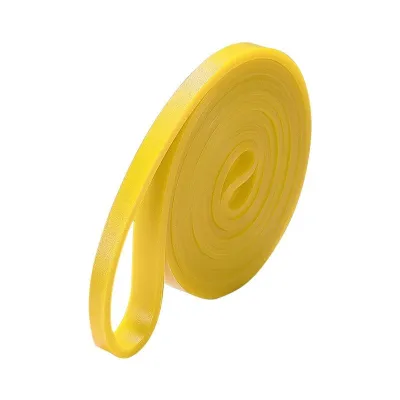
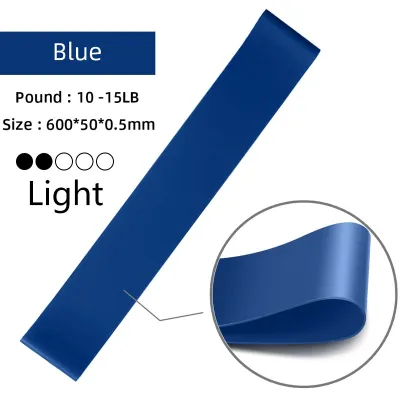
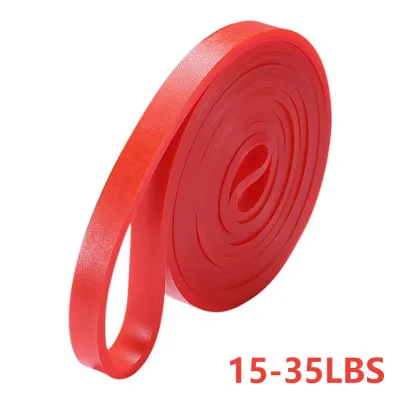
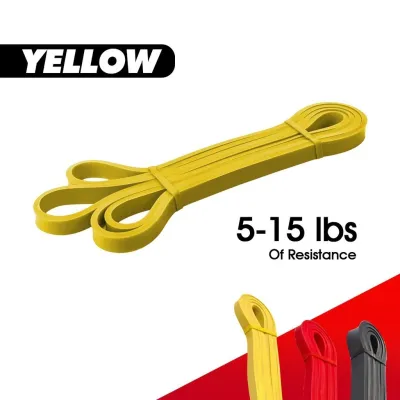
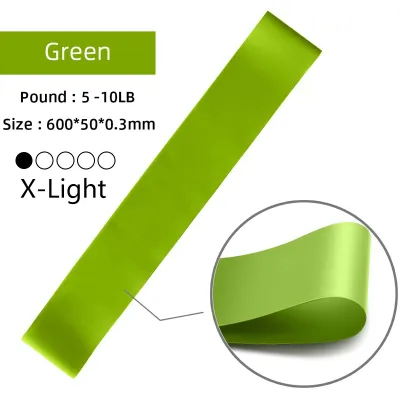
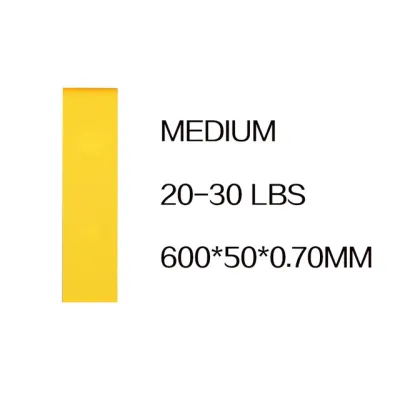

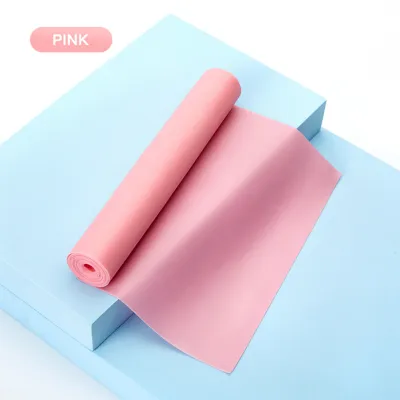
Prices are valid at publication and may change. Please refer to the product page for the latest price.
When selecting bands for a home setup in the Philippines, consider your workout venue and carrying habits. If you plan to transition your workouts between a humid home garage, an air-conditioned bedroom, or an outdoor park, lightweight loop bands are highly portable and resist environmental wear better than complex tube setups. Ensuring your bands match your physical height and limb length is also crucial, as overstretching a band beyond its intended limit significantly increases the risk of sudden snapping.
Understanding Band Types for Your Home Training
Continuous Loop Bands
Continuous loop bands, often referred to as power bands, are thick, unbroken circles of rubber. These bands are highly favored for compound movements because they can withstand significant tension and are easily anchored under your feet or around heavy furniture. They are the standard choice for adding resistance to squats, deadlifts, and bicep curls, as well as providing reliable assistance for pull-ups and dips. Because they are manufactured in layers, they tend to wear out gradually rather than snapping suddenly, making them a highly durable option for intense home training.

Tube Bands with Handles
Tube bands consist of hollow rubber cylinders equipped with metal D-rings or clips at each end, allowing you to attach foam handles, ankle straps, or door anchors. This design is exceptionally well-suited for upper-body exercises, as the handles provide a comfortable, natural grip that reduces wrist strain during chest flies, shoulder presses, and lat pulldowns. By utilizing a door anchor, you can easily transform any standard home door into a functional cable machine, allowing you to work your muscles from multiple angles that are difficult to target with free weights alone.
Flat Therapy Bands
Flat therapy bands are thin, wide, non-loop sheets of rubber or latex that are commonly used in physical therapy, yoga, and Pilates. These bands do not have handles or loops; instead, you simply wrap the ends around your hands or feet to adjust the working length and tension. They provide a smooth, gentle resistance profile that is perfect for isolating small stabilizer muscles, improving ankle and wrist mobility, and performing controlled stretching routines. Their flat surface area distributes pressure evenly across your limbs, preventing the material from digging into your skin during deep stretches.
Matching Resistance Levels to Your Fitness Goals
Navigating Color-Coding and Tension Ratings
One of the most common points of confusion when buying rubber training exercise bands is the color-coding system. Because there is no universal industry standard, a red band from one manufacturer might represent a medium resistance of 15 to 25 pounds, while a red band from another brand could represent a heavy resistance of 30 to 40 pounds. Before making a purchase, always ignore the colors initially and look closely at the manufacturer’s specification chart, which should list the estimated tension range in pounds or kilograms.
The Value of Multi-Band Sets
Investing in a multi-band set is highly recommended over purchasing a single, isolated band. Different muscle groups require vastly different levels of tension to stimulate growth and strength; your legs and back can handle significantly more resistance than your shoulders and triceps. A complete set allows you to seamlessly transition from a heavy band for squats to a light band for lateral raises. Furthermore, having multiple bands enables you to practice progressive overload by incrementally increasing the resistance as your body adapts to your workout routine.
Testing Band Tension Safely
Before committing to a full workout session with a new band, it is essential to perform a controlled tension test. Secure the band under your feet or to a stable anchor and perform a slow, single repetition of your intended exercise through the full range of motion. Pay close attention to how the resistance feels at the peak of the movement; rubber bands provide dynamic resistance, meaning the tension increases the further the band is stretched. Ensure the band does not bottom out or feel excessively tight at the end of the movement, which can place dangerous stress on your joints.
Evaluating Material Quality and Safety Features
Comparing Natural Latex, Synthetic Rubber, and Fabric Blends
When evaluating rubber training exercise bands, the base material plays a critical role in durability, comfort, and safety. Natural latex offers the most consistent, linear stretch profile and superior elasticity, but it can trigger allergies in sensitive individuals and degrades faster when exposed to sweat and tropical humidity. Synthetic rubber, such as Thermoplastic Elastomer (TPE), is hypoallergenic and highly resistant to body oils, though it can feel slightly stiffer at the end of its stretch range. Fabric-blended bands, which weave elastic fibers into a cotton or polyester sleeve, offer excellent comfort and do not roll up during leg exercises, but they have a limited stretch range and are generally unsuitable for long-extension upper-body movements.
Inspecting Connection Points and Hardware
For tube bands, the connection points where the rubber meets the metal hardware are the most common failure zones. Inspect the carabiners, D-rings, and plastic grommets to ensure they are made of solid, heavy-duty materials rather than cheap, thin plastics or weak aluminum. The nylon webbing that holds the metal rings should be double-stitched or cross-stitched with thick, heavy-duty thread. Any signs of loose threads, frayed webbing, or bent metal clips are immediate indicators of poor quality and present a serious safety risk during high-tension exercises.
Safety Sleeves and Anti-Snap Technology
To protect yourself from the painful recoil of a snapped band, look for products that incorporate safety sleeves or anti-snap technology. Some premium tube bands feature an internal safety cord made of high-strength nylon that prevents the band from overstretching beyond its elastic limit. Others are encased in a woven fabric sleeve that not only protects the inner rubber from UV rays, dirt, and friction against rough surfaces but also completely contains the rubber pieces if the band happens to break during an exercise.
Sourcing and Verifying Bands in the Philippines
Navigating Local E-Commerce Platforms
When shopping for fitness equipment on local e-commerce platforms and online marketplaces, it is easy to be overwhelmed by thousands of unbranded, low-cost options. To ensure you are buying genuine, high-quality rubber training exercise bands, prioritize official flagship stores or authorized sporting goods distributors. Avoid generic listings that offer complete multi-band sets at suspiciously low prices, as these products often use low-grade recycled rubber that loses its elasticity rapidly and is highly prone to premature snapping.
Analyzing Customer Reviews for Quality Indicators
Before adding a band set to your cart, spend time analyzing the customer reviews, focusing specifically on feedback from buyers in the Philippines. Filter the reviews to look at the one-star and two-star ratings first, as these often reveal the true durability of the product. Look for recurring complaints regarding a strong, toxic chemical odor, which indicates poor curing processes during manufacturing. Pay close attention to reviews that mention the bands snapping within the first few weeks of use or losing their tension after only a few workout sessions.
Verifying Warranties and Return Policies
Because rubber is a natural material subject to manufacturing variances, always verify the seller’s return policy and local warranty terms before purchasing. Reputable fitness brands in the Philippines typically offer a clear return window for manufacturing defects, such as micro-tears or faulty connection points discovered upon unboxing. A responsive seller who actively answers customer inquiries and provides a clear path for replacements is a strong indicator of a reliable product that you can purchase with confidence.
Maintaining Your Bands for Safe, Long-Term Use
Proper Anchoring Techniques
To prevent premature wear and tear, always anchor your bands to smooth, rounded surfaces. Never loop your bands around sharp metal door hinges, rough wooden posts, or threaded pipes, as the friction will create micro-abrasions that quickly lead to structural failure. When using a door anchor, always place it on the hinge side of the door and ensure the door closes away from you. This setup ensures that your pulling force pulls the door firmly shut against the frame, rather than pulling it open, which could cause the anchor to slip and snap back toward you.
Simple Cleaning Routines
Sweat, body oils, and moisturizers contain acids and chemicals that gradually degrade rubber molecules over time, leading to dry rot and stickiness. After every workout, take a few moments to wipe down your bands with a clean, damp cloth dipped in mild, soapy water. Avoid using harsh chemical cleaners, alcohol-based sanitizers, or dishwashing liquids, as these can strip the protective oils from the rubber. Allow the bands to air dry completely in a shaded, well-ventilated indoor area before storing them away.
Ideal Storage Conditions in Tropical Climates
The high humidity and ambient temperatures in the Philippines can severely shorten the lifespan of rubber fitness equipment if stored incorrectly. Never leave your bands in direct sunlight, hot car trunks, or humid balconies, as UV rays and extreme heat cause natural latex to become brittle and crack. Store your bands in a cool, dry drawer, closet, or dedicated storage bag. To prevent the rubber from sticking to itself and tearing when unfolded, apply a light dusting of cornstarch or unscented talcum powder to the bands every few weeks.
Frequently Asked Questions (FAQ)
Can I combine multiple rubber bands to increase resistance?
Yes, you can safely stack multiple bands to increase the resistance load, provided you follow strict safety guidelines. Ensure that all the bands you are combining are of identical length and are made of similar material compositions to ensure even tension distribution. When using tube bands, clip both bands securely to the same handle and anchor point, making sure they do not twist or rub against each other during the exercise. Avoid stacking bands of different lengths, as this creates uneven tension that can overload the shorter band, significantly increasing the risk of a sudden snap.
How do I know when it is time to replace my rubber resistance bands?
You should perform a quick visual and tactile inspection of your bands before every single workout session. Look closely for tiny cracks, discoloration, white stress marks where the rubber has been stretched thin, or a sticky, gummy surface texture. If you feel any nicks or uneven thinning along the length of the band when running your fingers over it, discard the band immediately. On average, with regular home use and proper storage, high-quality rubber bands should be replaced every 10 to 12 months to ensure your safety during workouts.
Community discussion
Share your experience or ask a question. Comments are reviewed before publication.