
Selecting the right sports water bottle depends entirely on your specific workout environment and how you move. A bottle that keeps your water ice-cold on a humid outdoor trail will feel heavy and awkward during a fast-paced road run. Identifying your primary activity allows you to prioritize the right balance of weight, insulation, and lid design.
Quick Match: Key Bottle Features for Every Workout
To help you quickly identify your primary needs, here is a scannable summary mapping specific workout activities to their most critical bottle features:
- Gym and Weightlifting: Wide-mouth opening, one-handed lid mechanism, sweat-proof exterior.
- Running and Cardio: Ultra-lightweight build, ergonomic grip, spill-proof bite valve or straw.
- Cycling and Commuting: Squeezable body, cage-compatible outer diameter, easy-pull nozzle.
- Hiking and Trail Sports: High capacity (1L or more), rugged drop protection, double-wall insulation, integrated carabiner loop.
Core Features to Evaluate Before You Buy
Understanding the fundamental decision dimensions of sports water bottles helps you read product labels and specifications with confidence.
Products mentioned in this guide
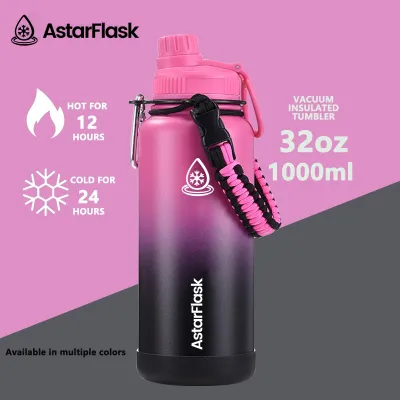
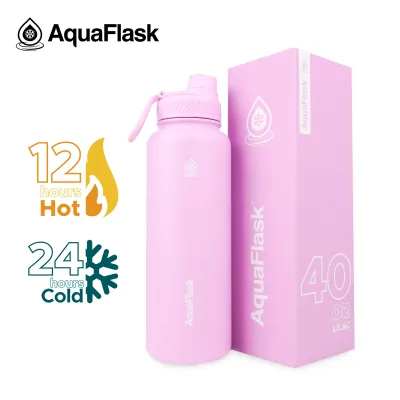
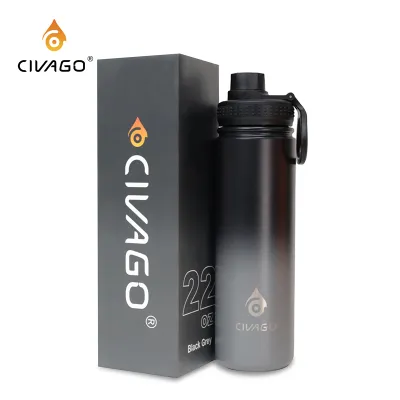
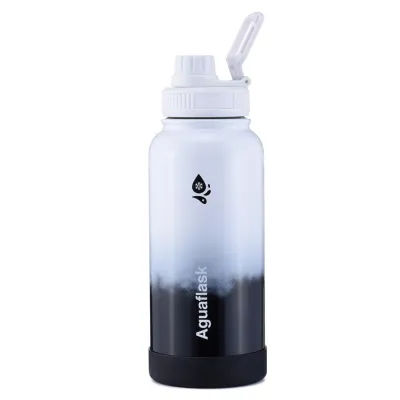
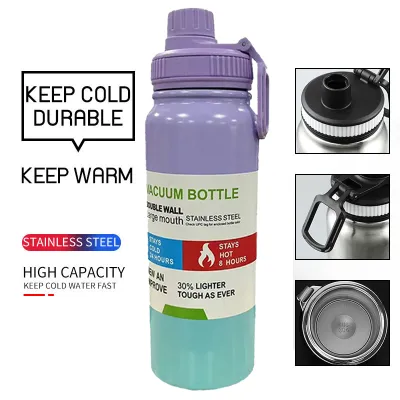
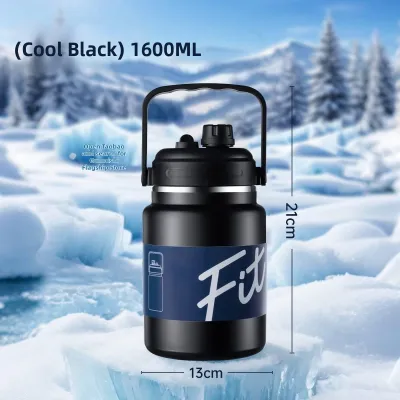
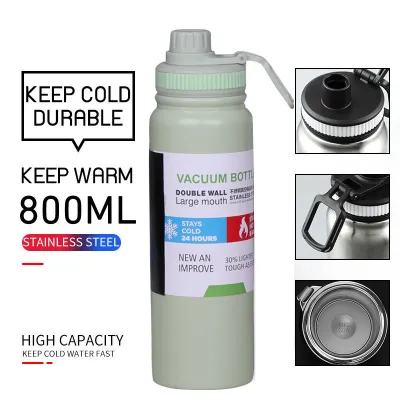
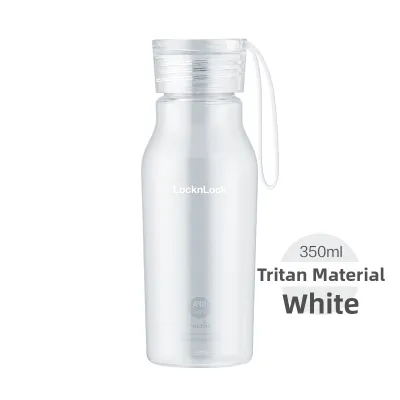
Prices are valid at publication and may change. Please refer to the product page for the latest price.

Materials
The choice between stainless steel and plastic involves a direct trade-off between weight and temperature control. Food-grade stainless steel (often labeled as 18/8 or 304 stainless steel) is highly durable and supports vacuum insulation, but it adds noticeable weight to your gear. Tritan and other BPA-free plastics are exceptionally lightweight, shatter-resistant, and budget-friendly, making them ideal for high-movement sports where weight is a primary concern. Always check product labels for material safety certifications rather than assuming performance based on the material name alone.
Insulation
Double-wall vacuum insulation blocks heat transfer by creating a vacuum zone between two layers of stainless steel. In the humid, tropical climate of the Philippines, non-insulated bottles sweat heavily, causing condensation that can ruin your grip and wet your belongings. Insulated options prevent this condensation completely and keep beverages cold for hours. However, you should always verify the manufacturer’s specifications for cold retention times, as actual performance varies based on ambient temperatures and usage patterns.
Lid Mechanisms
The lid determines how quickly and safely you can drink during an activity. Straw lids allow you to sip without tilting your head, which is highly beneficial for maintaining forward vision. Chug caps provide a high-flow stream for rapid hydration but require two hands to unscrew or open safely. Screw-tops offer the most secure, leak-proof seal for transport but are slow to operate. Bite valves offer hands-free or low-effort operation, making them a favorite for runners and cyclists.
Capacity and Portability
Balancing your hydration requirements with the physical burden of carrying extra weight is critical. Water weighs exactly one kilogram per liter. While a massive 1.5-liter bottle ensures you will not run out of water, carrying that weight on a run or a long bike climb can lead to early fatigue. Consider your access to refill stations when choosing your bottle’s capacity.
Best Features for Gym Sessions and Weightlifting
Gym environments demand convenience, hygiene, and equipment safety.
One-Handed Operation
When you are moving between weight machines or finishing an intense set, you need quick access to water. Bottles with push-button lids or integrated straw mechanisms allow you to drink using only one hand. This design ensures you do not have to put down your weights or break your focus to unscrew a cap.
Wide-Mouth Utility
A wide-mouth opening is highly practical for gym-goers who use supplements. It allows you to scoop protein powder, pre-workout, or branched-chain amino acids directly into the bottle without creating a mess. It also makes it easy to drop in large ice cubes from a freezer or ice dispenser before you head to your workout.
Sweat-Proof Exteriors
In humid local fitness centers, single-wall bottles quickly cover themselves in condensation. This sweat can drip onto gym benches, wooden floors, and electronic cardio consoles, creating safety hazards. Opting for a double-wall insulated bottle with a powder-coated exterior prevents condensation entirely, keeping your hands dry and your grip secure.
Base Dimensions
Before purchasing a bottle for gym use, check its base diameter. Standard cardio machine cup holders on treadmills, stationary bikes, and ellipticals typically accommodate bottles with a base diameter of 7 to 8 centimeters. Selecting a bottle within this range ensures it remains secure and within arm’s reach during your workout.
Best Features for Running and Cardio
High-movement activities introduce unique physical constraints where bottle weight, balance, and spill prevention are paramount.
Weight and Ergonomics
Heavy, rigid bottles disrupt your running gait and cause muscle strain over long distances. For road and trail running, look for lightweight, flexible flasks or slim plastic bottles designed to fit snugly into running belts, hydration vests, or handheld grips. Ergonomic contours or integrated hand straps help reduce hand fatigue during extended cardio sessions.
Spill-Proof Mechanisms
The bouncing motion of running makes spills highly likely. To prevent water from splashing onto your face or clothes while in mid-stride, select bottles equipped with secure locking lids, self-sealing bite valves, or push-button straws. These mechanisms seal automatically when not in use, protecting your gear from leaks.
Capacity Trade-offs
To minimize bounce and arm fatigue, experienced runners typically select smaller capacities, such as 400ml to 600ml. Carrying less water keeps your load light and manageable. If your run extends beyond an hour, it is wiser to plan a route that passes public parks, convenience stores, or water stations where you can quickly refill, rather than carrying a heavy 1-liter bottle from the start.
Visual and Tactile Checks
When shopping for a running bottle, inspect the surface texture. Matte finishes, rubberized grips, or textured silicone sleeves provide a reliable, non-slip surface when your hands are wet with sweat. Avoid smooth, polished plastics that can easily slip from your grasp while running.
Best Features for Cycling and Bike Commutes
Hydration on a bicycle requires compatibility with bike hardware and safe, intuitive handling.
Cage Compatibility
Standard bicycle bottle cages are designed to hold bottles with a diameter of approximately 73 to 74 millimeters. Before buying a sports bottle for your bike, measure its outer diameter to ensure a snug fit. A bottle that is too slim will rattle loose and fall out on rough roads, while an oversized bottle will not fit into the cage at all.
Material Flexibility
Traditional squeezable plastic bottles remain the standard for cycling because they allow you to squirt water quickly into your mouth with a simple squeeze of one hand. Rigid insulated metal bottles keep your water much colder in the tropical heat, but they require you to tilt your head back to drink, which can momentarily block your view of the road. Weigh the benefit of ice-cold water against the ease of a squeezable plastic bottle.
Nozzle Design
Look for easy-pull rubber nozzles or magnetic bite valves that can be opened using your teeth. This design allows you to drink safely without taking your eyes off the road or removing both hands from the handlebars, reducing the risk of accidents during commutes or group rides.
Best Features for Hiking and Trail Activities
Trail environments require self-sufficiency, high capacity, and exceptional gear resilience.
High Capacity and Refills
Because trail hikes often last several hours without reliable access to clean drinking water, high-capacity bottles of 1 liter or more are highly recommended. While this adds weight to your backpack, it ensures you remain hydrated throughout your journey. Always balance your total water volume against your physical carrying capacity.
Rugged Durability
Trail environments expose your gear to rough surfaces and accidental drops on rocks. Look for stainless steel bottles with reinforced bases or protective silicone boots that absorb impact. Always check the manufacturer’s guidelines regarding impact resistance and drop testing to ensure the bottle can withstand rugged outdoor use.
Attachment Points
Integrated loops, heavy-duty carry handles, or paracord straps are incredibly useful for hiking. These features allow you to clip your bottle to the exterior of your backpack using a carabiner, keeping your hydration easily accessible and saving valuable space inside your main pack compartment.
Wide Mouths for Filtration
A wide-mouth opening is highly practical for backcountry trail use. It allows you to easily insert portable water purification filters, UV purifiers, or drop-in purification tablets when sourcing water from natural streams. Additionally, wide openings make the bottle much easier to clean thoroughly once you return home.
Cross-Activity Compatibility: Do You Need More Than One?
If you participate in multiple sports, you may wonder whether to invest in a single versatile bottle or build a specialized collection.
The "Middle Ground" Bottle
A versatile hybrid bottle can handle multiple activities reasonably well. A 750ml double-wall insulated stainless steel bottle equipped with interchangeable lids—such as a chug lid for daily use and a straw lid for light workouts—offers an excellent compromise. This setup transitions smoothly from your office desk to a gym session or a casual weekend hike.
When to Specialize
Dedicated athletes will find that specialization is often necessary. A rigid, insulated steel bottle is dangerous and highly impractical for long-distance trail running, where a flexible soft flask is required to fit into a hydration vest. Conversely, a soft flask will rattle and fall out of a bicycle bottle cage. If your sports require highly specific gear configurations, investing in specialized bottles is the safest and most efficient choice.
Cost vs. Utility
Evaluate your primary weekly activities and allocate your budget accordingly. Basic plastic sports bottles typically cost under ₱500 on local ecommerce platforms, while premium insulated vacuum flasks can range from ₱1,200 to over ₱2,500. Spend more on the bottle that supports your most frequent and demanding workouts, and choose budget-friendly options for casual, secondary activities.
Frequently Asked Questions (FAQ)
How do I properly clean a sports water bottle with a straw lid?
To prevent mold and unpleasant odors, disassemble all removable parts, including the straw, bite valve, and silicone gaskets. Use a specialized narrow cleaning brush to scrub the inside of the straw and the small crevices of the lid. Wash the components with warm, soapy water, and always check the manufacturer’s care instructions regarding dishwasher safety, as high temperatures can warp plastic parts and degrade silicone seals.
Are insulated stainless steel bottles too heavy for long-distance running?
Yes, for most long-distance runners, insulated stainless steel bottles are too heavy and rigid. The empty weight of a steel bottle, combined with its rigid structure, can cause discomfort, muscle strain, and excessive bouncing in running vests or belts. For long-distance running, lightweight, BPA-free plastics or flexible soft flasks are highly recommended to minimize weight and physical fatigue.
Can I put hot drinks in my plastic sports bottle?
You should avoid putting boiling or extremely hot liquids into single-wall plastic or non-insulated sports bottles. High temperatures can cause single-wall plastics to warp, degrade, or build up internal pressure, leading to leaks or severe burns. Always check the temperature thresholds printed on the product label or the manufacturer’s official specifications before using your bottle for hot beverages.
Community discussion
Share your experience or ask a question. Comments are reviewed before publication.