
Selecting the right swimming goggles depends entirely on where and how you swim. A pair designed for sprinting in an indoor pool will feel uncomfortable and lack the necessary visibility for a long open-water swim, while bulky recreational goggles will create too much drag for lap training. To find the right pair, you must evaluate the lens tint, gasket material, and overall frame profile against your primary swimming environment. Matching these features to your specific water conditions ensures clear vision, a leak-free seal, and long-lasting comfort during your swim sessions.
Key Features to Match Your Swimming Environment
Choosing swimming goggles requires balancing three primary design elements: lens tint, gasket size, and the field of vision. Each of these features directly impacts how well you can see and how comfortable you will remain in different aquatic settings.
Lens tint and ultraviolet (UV) protection are critical considerations that depend heavily on your swimming venue. For indoor pools with consistent overhead lighting, clear or lightly colored lenses offer optimal visibility without distorting your surroundings. Conversely, outdoor swimming under the intense tropical sun requires mirrored or dark-tinted lenses to block harsh glare and protect your eyes from UV radiation. Always check the manufacturer’s packaging to verify that the lenses provide certified UV protection, especially when swimming outdoors during peak daylight hours.
Products mentioned in this guide
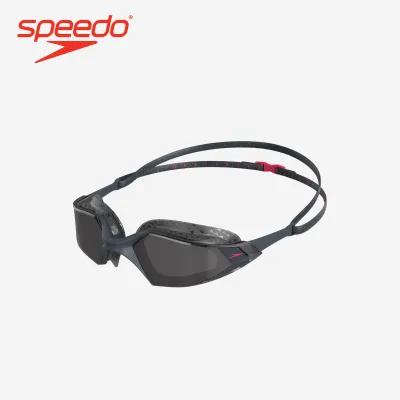
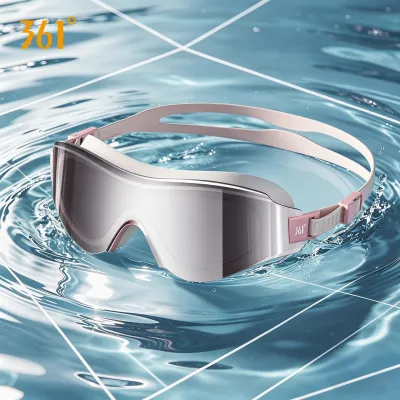
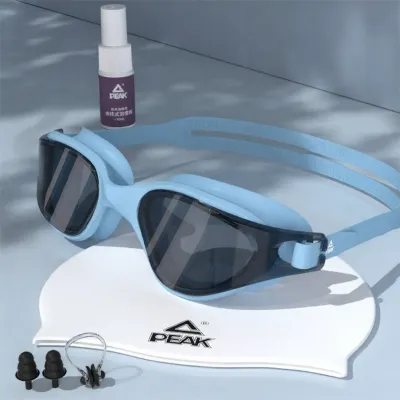
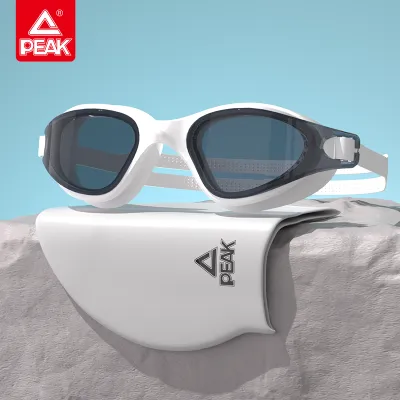
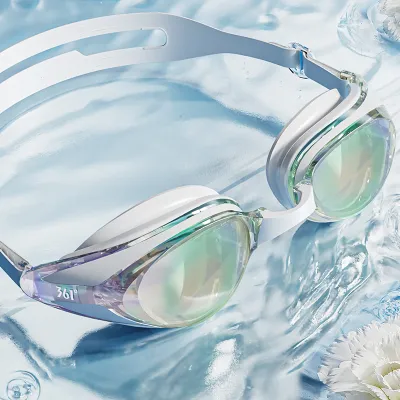
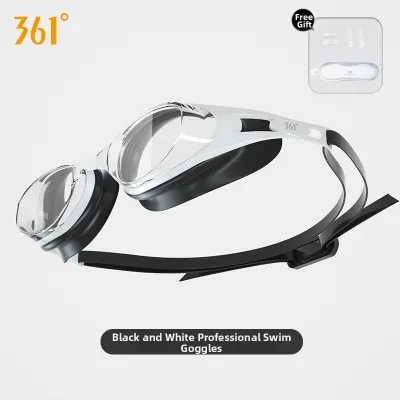
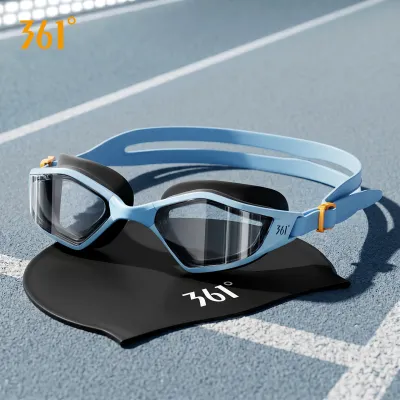
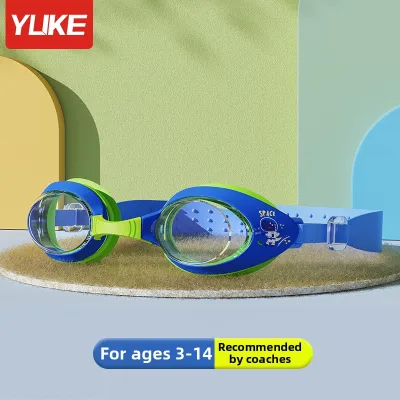
Prices are valid at publication and may change. Please refer to the product page for the latest price.
The gasket, which is the seal that rests against your eye socket, determines both comfort and hydrodynamic drag. Small, low-profile gaskets made of hard silicone or foam sit deep inside the eye socket to minimize water resistance, making them ideal for fast-paced training. Larger, softer silicone gaskets sit on the outer bone structure of the face, distributing pressure more evenly to prevent discomfort during extended swimming sessions.
Field of vision is another key differentiator between goggle designs. Streamlined, low-profile frames prioritize a forward-facing view to help you maintain a correct head position in the lane. Wide-angle or curved lenses expand your peripheral vision, allowing you to spot navigation markers, safety personnel, or other swimmers in open water.
Goggles for Lap Swimming and Pool Training
Lap swimming and structured pool training demand goggles that can withstand rapid head movements, high-speed push-offs, and frequent flip turns. In these environments, minimizing drag and maintaining a secure, leak-free fit are the top priorities for consistent performance.

To maintain a streamlined head position, look for low-profile goggles with compact gaskets or hard-seal designs. These minimalist frames sit close to the face, reducing the water resistance that can cause larger goggles to shift or leak during aggressive swimming. While these tight-fitting designs may feel less cushioned than recreational models, they provide the stability needed for high-intensity workouts.
A secure fit relies heavily on strap tension and nose bridge adjustability. Many training goggles feature a dual-strap design that distributes tension across the back of the head, preventing the goggles from slipping during dives or turns. Additionally, models with interchangeable or adjustable nose bridges allow you to customize the distance between the eye cups, ensuring the gaskets align perfectly with your facial structure.
Frequent indoor pool use exposes your goggles to chlorine and humidity, which can quickly degrade anti-fog treatments. Most training goggles come with a factory-applied anti-fog coating on the inner lens, but this layer is delicate and temporary. To preserve this coating, avoid touching or wiping the inside of the lenses, and establish a routine of rinsing them with cool, fresh water immediately after every pool session.
Goggles for Open Water Swimming
Swimming in open water, such as lakes, rivers, or the ocean, introduces unpredictable environmental factors like shifting sunlight, waves, and debris. Goggles designed for these conditions must prioritize visibility, eye protection, and long-term comfort over absolute drag reduction. However, remember that high-quality equipment cannot replace proper open-water safety training, navigation skills, or situational awareness. Always check local water conditions, weather forecasts, and safety warnings before entering open water.
Reducing surface glare is essential when swimming outdoors, as bright sunlight reflecting off the water can cause severe eye fatigue and obscure your path. Polarized or mirrored lenses are highly effective in these conditions, as they filter out horizontal light waves to provide a clearer view of the horizon and navigation buoys. If you frequently swim during overcast mornings or late afternoons, photochromic lenses that adjust their tint based on ambient light levels are a versatile option.
Prolonged outdoor exposure makes UV protection non-negotiable. When purchasing open-water goggles, verify the UV protection labels on the manufacturer’s packaging to ensure they block both UVA and UVB rays. This protection helps safeguard your eyes from long-term sun damage during extended training swims or triathlons.
Comfort is paramount during long-distance swims, where minor pressure points can become painful over time. Opt for goggles with wider peripheral vision and softer, larger silicone gaskets that distribute pressure across a broader area of your face. These larger frames also offer better protection against accidental contact from other swimmers during crowded race starts.
Goggles for Recreational Pool Use
For casual swimmers, family pool days, or relaxed water workouts, high-performance features like low-drag profiles are less important than sheer comfort and ease of use. Recreational goggles focus on providing a pleasant, hassle-free experience for occasional or moderate swimming.
Plush, oversized gaskets made of soft liquid silicone are the hallmark of recreational goggles. These wide frames sit comfortably on the outer edges of the eye sockets, reducing the “goggle eyes” red marks often left by tighter training models. The larger lens size also provides a broad, natural underwater view, making it easier to keep an eye on children or enjoy your surroundings.
Adjustability should be simple and intuitive, especially for families sharing gear or casual swimmers who want a quick setup. Look for goggles featuring quick-adjust strap mechanisms, such as side buttons or rear buckles, which allow you to tighten or loosen the fit with a single pull. Durable, scratch-resistant polycarbonate lenses are also beneficial, as they can withstand being tossed into a beach bag or dropped on concrete pool decks.
While budget-friendly recreational goggles may not feature advanced optical technologies, they should still offer basic anti-fog and leak-prevention features. Checking for a flexible, one-piece frame design can help the goggles conform to various face shapes, reducing the likelihood of leaks during casual play.
Fit Testing and Maintenance Checklist
Regardless of the type of goggles you choose, a proper fit and consistent maintenance are essential to ensure they perform reliably and last for multiple seasons. You can easily verify the fit at home before entering the water and follow a simple care routine to protect your investment.
To perform the suction test, press the goggle eye cups firmly against your eyes without putting the strap over your head. If the goggles stick to your face for a few seconds before releasing, the gaskets match your facial contours and will likely create a watertight seal in the pool. If they fall off immediately, air is escaping, indicating that the frame shape or nose bridge width is not a good match for your face.
Proper post-swim care is the most effective way to extend the lifespan of your gear. After every swim, rinse your goggles thoroughly with clean, fresh water to remove chlorine, salt, or sand. Allow them to air-dry completely in a shaded, well-ventilated area, keeping them away from direct sunlight, which can dry out and crack the silicone straps and gaskets.
Over time, all swimming goggles will show signs of wear and tear that affect their performance. Inspect your gear regularly for degraded or sticky silicone seals, stretched-out straps that no longer hold tension, or deeply scratched lenses that impair your vision. When these physical signs appear, or if the goggles begin to leak consistently despite adjustments, it is time to replace them to maintain safety and comfort in the water.
Frequently Asked Questions (FAQ)
Can I use the same goggles for both lap swimming and open water?
Yes, you can use a single pair of goggles for both environments, but you will have to accept certain trade-offs. A low-profile lap goggle may feel too tight and restrict your peripheral vision during a long open-water swim, while a wide-view open-water goggle will create noticeable drag during fast pool training. Additionally, you must consider lens tint; a dark, mirrored lens ideal for bright open water may make it difficult to see in a dimly lit indoor pool, whereas clear lenses will cause you to squint in outdoor sunlight. If you choose to use one pair, a medium-tinted goggle with a moderately soft gasket offers a balanced compromise.
Community discussion
Share your experience or ask a question. Comments are reviewed before publication.