
Choosing the right towel grip for your badminton racket in the Philippines comes down to managing intense tropical humidity and heavy perspiration. A high-quality towel grip provides unmatched moisture absorption compared to synthetic alternatives, ensuring your racket does not slip during high-intensity rallies. To find the ideal match, you must evaluate fabric density, material composition, thickness, and adhesive quality against your personal playing style and hand size.
Understanding Towel Grips: Who They Are Best For
To choose the right badminton racket grip, you must first understand how your playing environment and physical tendencies affect your hold on the racket. In the Philippines, badminton is frequently played in covered courts that lack air conditioning. These indoor venues can trap heat and humidity, causing players to perspire heavily within just a few minutes of stepping onto the court. For players who experience drenched palms, standard synthetic grips can quickly become a liability, leading to slips, poor shot control, and even accidental racket throws.
This is where the towel grip becomes an essential piece of gear. Unlike polyurethane (PU) grips, which rely on a smooth, tacky surface to provide friction, towel grips are made of looped fabric—typically cotton or a cotton-synthetic blend. This fabric acts like a miniature towel wrapped around your handle, actively drawing moisture away from your skin. While a PU grip becomes increasingly slippery as sweat builds up, a towel grip actually maintains or even improves its slip resistance when slightly damp, offering a secure, textured hold during intense rallies.
Products mentioned in this guide
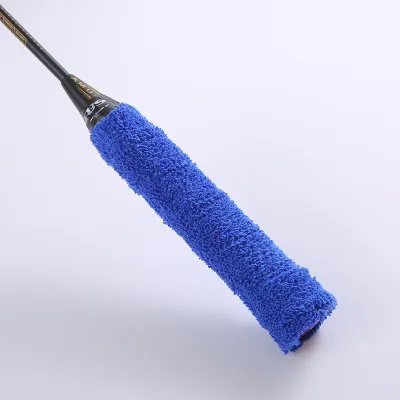
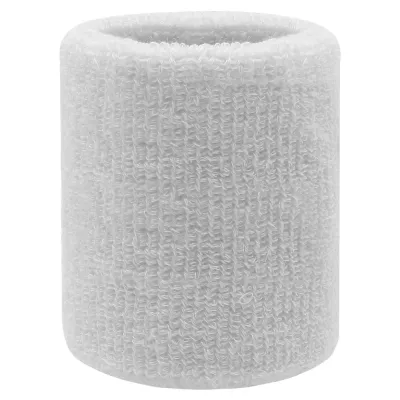
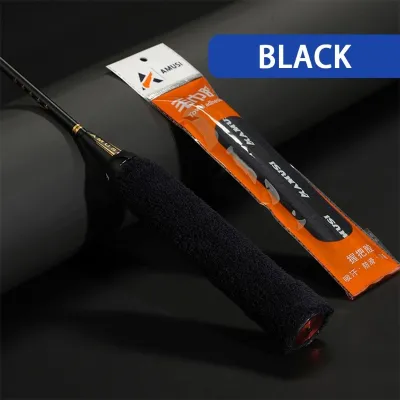
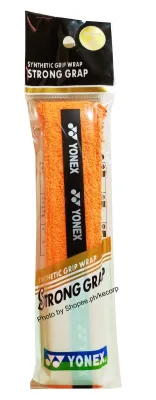
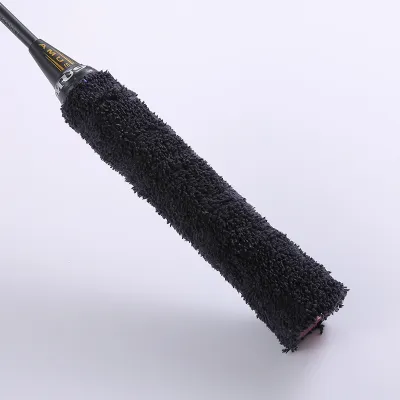
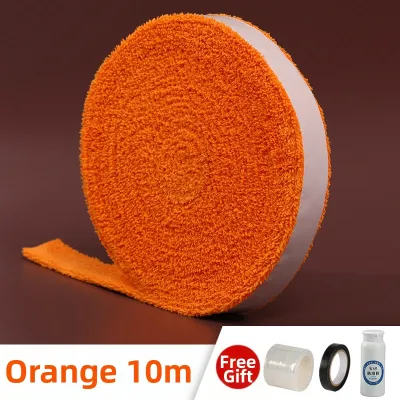
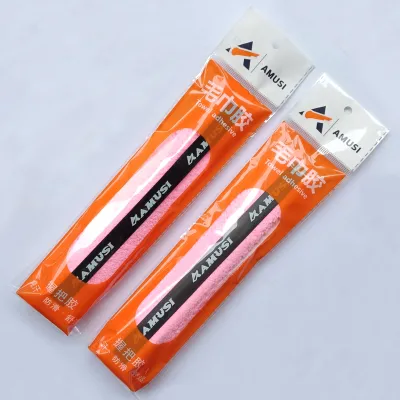
Prices are valid at publication and may change. Please refer to the product page for the latest price.
However, choosing a towel grip involves clear trade-offs that you must consider before making a purchase. Because fabric loops have physical height, towel grips are inherently thicker and heavier than thin PU overgrips. Wrapping a towel grip directly onto your racket handle will noticeably increase the handle’s circumference. This added bulk can make it difficult for players with smaller hands to wrap their fingers completely around the handle, potentially limiting wrist flexibility. Additionally, the extra weight of the fabric and the adhesive backing can slightly shift the racket’s balance point toward the handle. This shift can make a head-heavy racket feel more balanced or even head-light, which might alter the timing and power of your smashes.
Core Selection Criteria for Badminton Towel Grips
When evaluating different towel grips on the market, you should look beyond basic color choices and focus on specific performance dimensions. The first and most critical criterion is absorbency and moisture-wicking capability, which is directly determined by fabric density and pile height. Fabric density refers to how closely the cotton loops are woven together, while pile height refers to the length of those loops. A grip with a high density and a medium pile height can hold a significant volume of moisture before feeling saturated. If you are a heavy sweater, prioritizing a dense weave ensures that your grip remains functional throughout long, multi-game sessions.

Durability is another essential factor to analyze. Because towel grips are subjected to constant friction, twisting forces, and acidic sweat, they are prone to rapid wear. Over time, the looped fibers will begin to fray, shed lint, or wear down into bald patches. Furthermore, as sweat evaporates from the fabric, it leaves behind salt, minerals, and body oils. These deposits cause the cotton fibers to stiffen and harden, turning a soft, comfortable grip into a rough, sandpaper-like surface. High-quality grips use treated fibers that resist this hardening process for longer periods, maintaining their soft texture over multiple sessions.
You must also decide between a dry feel and a tacky feel. While all towel grips absorb moisture, some manufacturers apply a light resin or adhesive treatment to the fabric during production. This treatment gives the grip a subtle, sticky tackiness when it is completely dry, which some players prefer for an extra-secure hold during aggressive, high-speed swings. Other players prefer a completely dry, natural cotton feel, which allows for smoother, faster grip transitions between forehand and backhand shots. Your choice should align with whether you prioritize maximum hold security or rapid hand maneuverability.
Finally, pay close attention to the quality of the adhesive backing. A towel grip must remain firmly anchored to the racket handle during explosive movements. Look for grips that feature a full-width adhesive strip on the underside rather than a thin, centered line of tape. A robust adhesive prevents the fabric from twisting, sliding down, or bunching up at the bottom of the handle when you apply torque during a smash. However, the adhesive must also be formulated to peel away cleanly when it is time for a replacement, without leaving a stubborn, sticky residue that can damage the underlying wooden handle.
Comparing Towel Grip Materials and Thickness Options
To find a grip that perfectly matches your hand size and playing style, you need to understand the structural variations in material composition and thickness. Towel grips are generally available in two primary material blends: pure cotton and synthetic-cotton blends. Pure cotton grips are highly favored for their superior immediate absorption capacity. Cotton fibers naturally draw in water molecules, making these grips incredibly effective at keeping your hands dry during peak perspiration. The downside is that pure cotton retains moisture for a long time, meaning the grip will stay damp long after your game has ended, requiring careful drying to prevent odors.
Synthetic blends, which typically combine cotton with polyester, nylon, or microfiber, offer a different set of advantages. While they may not absorb massive surges of sweat as rapidly as pure cotton, they dry much faster and are highly resistant to fraying and fiber shedding. The synthetic fibers also help the grip retain its shape and softness over a longer period, resisting the crusty hardening caused by salt buildup. If you play frequently but do not sweat excessively, a synthetic blend can offer a longer-lasting, low-maintenance solution.
Thickness is another variable that directly impacts your connection to the racket. Thin towel grip profiles, usually measuring between 1.3mm and 1.5mm, are designed for players who want the moisture absorption of fabric without losing the tactile feedback of the racket handle. A thinner grip allows your fingers to clearly feel the bevels (the flat octagonal sides) of the wooden handle, which is essential for precise racket face alignment and delicate net play. Conversely, thick profiles, measuring 1.8mm or more, provide excellent cushioning and shock absorption. This extra padding helps dampen the vibrations transmitted to your wrist, forearm, and elbow during hard smashes, reducing physical fatigue over long matches.
The interaction between your racket’s original handle size and your chosen grip thickness is crucial for maintaining proper racket balance. Every gram added to the handle shifts the balance point toward the grip, which can reduce the swing weight of a head-heavy power racket. If you want to preserve the racket’s original head-heavy characteristics while using a towel grip, you should opt for a thinner profile and wrap it with minimal overlap. If you prefer a more headlight, maneuverable feel for quick defensive play at the net, a thicker towel grip wrapped with more overlap can help you achieve that balance shift.
How to Evaluate and Shortlist Available Options
Navigating the wide variety of towel grips available in local sports stores and online marketplaces requires a systematic evaluation process. Start by carefully reading the product labels and manufacturer specifications. Pay close attention to the physical dimensions of the grip roll. A standard single-use grip should be at least 60 centimeters long and 3 centimeters wide to comfortably cover a standard badminton handle. If you prefer to wrap your grip high up onto the racket shaft for double-handed shots or a higher choke grip, look for extra-long rolls or consider purchasing bulk rolls, which allow you to cut custom lengths.
User reviews on online platforms are invaluable for identifying real-world performance issues that specifications do not show. When browsing reviews, look specifically for comments regarding longevity, odor retention, and adhesive quality. Be cautious of products where multiple users report that the fabric sheds excessive lint onto their hands and clothing during the first use, or that the adhesive backing fails and causes the grip to slide off the handle within a single game. Reviews that mention the grip becoming stiff and unusable after just two or three sessions are also strong indicators of low-grade cotton fibers.
Budget planning is another practical step in the selection process. In the Philippines, individual towel grips generally cost between ₱50 and ₱150, depending on the brand and material quality. While this may seem inexpensive, the cost can accumulate quickly because towel grips must be replaced much more frequently than synthetic PU grips. If you play multiple times a week, buying individual grips is rarely cost-effective. Instead, look for bulk rolls, which typically range from ₱400 to ₱1,200. These bulk rolls contain enough material to wrap 10 to 20 rackets, significantly lowering the cost per application and ensuring you always have a fresh replacement ready in your sports bag.
Finally, you must verify the authenticity of the product before finalizing your purchase. Because towel grips are simple fabric products, counterfeit versions of popular sports brands are highly prevalent on online marketplaces. Counterfeit grips often use cheap, non-absorbent synthetic fabrics that mimic the look of cotton but fail to absorb sweat, leaving your hands slippery. To protect yourself, always purchase from verified flagship stores, authorized local distributors, or well-established physical sports shops. Look for official packaging, clear branding, and holographic security labels to ensure you are getting a genuine, high-performance product.
Installation Tips and Maintenance for Longevity
Proper installation and consistent maintenance are essential to maximize the lifespan, hygiene, and performance of your towel grip. To install the grip correctly, start by stripping your racket handle down to the bare wood or the original factory grip. It is highly recommended to apply a thin layer of waterproof cushion wrap (underwrap) directly onto the wood first. This underwrap acts as a barrier, preventing acidic sweat from seeping into the wooden handle, which can cause the wood to rot, weaken, and eventually snap over time.
Once the underwrap is secure, begin wrapping the towel grip from the very bottom of the handle, starting at the butt cap. Hold the grip firmly and maintain consistent tension as you wrap upward in a spiral pattern. Overlap each turn by approximately 2 millimeters to 3 millimeters; this ensures that no gaps open up when the grip flexes during play, while also preventing excessive, uneven bulk. Once you reach the top cone of the handle, cut any excess grip material at an angle to create a clean, flush finish, and secure it tightly using the provided adhesive finishing tape.
Because towel grips absorb large amounts of sweat, post-game maintenance is critical to prevent bacterial growth, mold, and unpleasant odors. Never place a damp racket directly into a closed racket bag immediately after playing. The dark, humid environment inside a sports bag is a breeding ground for bacteria, which will quickly ruin the fabric and create a sour smell. Instead, allow your racket to air dry in a well-ventilated, shaded indoor area. Avoid exposing the grip to direct, intense sunlight, as extreme heat can dry out and degrade the adhesive backing, causing the grip to peel off prematurely.
While towel grips are generally designed to be disposable, you can extend their usability with basic hygiene practices. Some players use a light mist of diluted rubbing alcohol or a specialized fabric sanitizer spray to eliminate odor-causing bacteria between sessions. If you are using a premium, reusable towel grip, you can hand wash it gently while still on the racket using a damp cloth, a tiny amount of mild detergent, and cold water, taking care not to get the wooden handle wet. However, you must recognize when the grip has reached the end of its functional life. If the fabric becomes hard and crusty, loses its absorbency, emits a persistent odor, or shows visible fraying, it is time for an immediate replacement to maintain your playing performance and hand health.
Frequently Asked Questions (FAQ)
Can I use a towel grip over an existing replacement grip?
Applying a towel grip directly over an existing, thick replacement grip is generally not recommended. Standard replacement grips already have significant thickness and cushioning; adding a towel grip on top of them will make the handle excessively bulky and round. This extra thickness makes it difficult to feel the octagonal bevels of the racket handle, which severely limits your ability to make precise finger adjustments and control the angle of the racket face. Furthermore, double-layering adds unnecessary weight to the handle, shifting the racket’s balance point and reducing its overall maneuverability. For the best results, remove the old grip entirely, apply a thin layer of protective underwrap, and wrap the towel grip directly over it.
How often should I replace my badminton towel grip?
The replacement frequency of a towel grip depends on how often you play, how heavily you sweat, and your post-game maintenance habits. Unlike synthetic PU grips that can last for several months, towel grips have a much shorter lifespan due to hygiene and material degradation. If you play two to three times a week in a typical humid, non-air-conditioned court, you will likely need to replace your towel grip every two to four weeks. You should replace the grip immediately if you observe physical signs of wear, such as the fabric becoming stiff and rough, a noticeable loss of sweat absorbency, visible fraying along the edges, or a persistent sour odor that does not go away after air drying.
Community discussion
Share your experience or ask a question. Comments are reviewed before publication.