
Finding the right yoga mat with bag bundle in the Philippines requires balancing personal practice needs with the realities of a tropical climate and daily commuting. Whether you are navigating the humid streets of Metro Manila, heading to a studio in Cebu, or practicing on a breezy balcony, your gear must withstand moisture, heat, and frequent travel. A bundled set offers a convenient, cost-effective way to secure both a supportive surface and a compatible carrier, but not all bundles are created equal. To make a smart purchase, you must evaluate how different materials respond to sweat, how various bag designs handle tropical humidity, and how to verify product specifications before checking out your online cart.
Identifying Your Practice Style and Commuting Needs
Your yoga journey dictates the type of mat surface and cushioning you require, while your daily routine determines the style of bag that will serve you best. For restorative or yin yoga, where poses are held for extended periods close to the floor, comfort is paramount. These practices benefit from thicker mats that cushion the knees, hips, and spine from hard studio tiles. Conversely, dynamic styles like Vinyasa or Ashtanga demand a high-traction surface that prevents slipping as you transition between poses. If you practice hot yoga or sweat heavily in a non-air-conditioned room, a standard smooth mat can quickly become a slipping hazard, making moisture-wicking materials or textured surfaces essential.
Budget is another critical factor when deciding between a pre-packaged bundle and purchasing your mat and bag separately. In the local market, entry-level bundles often start around ₱500, offering basic lightweight mats with simple mesh carrying straps. Mid-range options, typically ranging from ₱1,200 to ₱2,500, generally feature more durable materials like TPE and sturdier, water-resistant bags with dedicated pockets. Premium setups can exceed ₱3,500, often pairing high-performance natural rubber or cork mats with heavy-duty canvas duffels. While buying a bundle is usually more economical than purchasing items individually, you must ensure the included bag actually meets your quality standards rather than being a flimsy afterthought.
Products mentioned in this guide
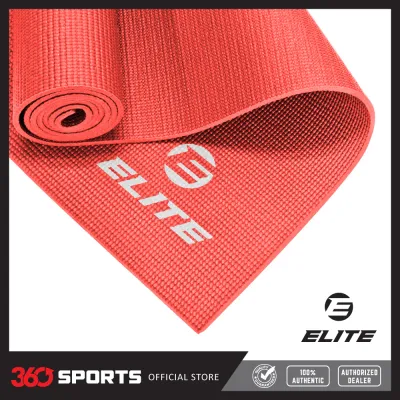
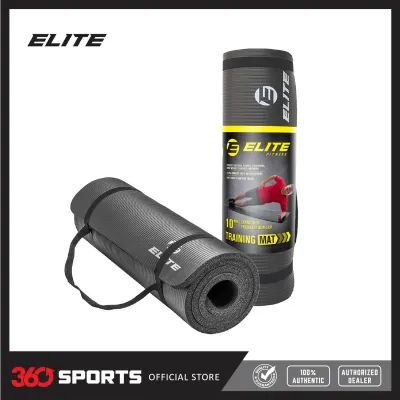
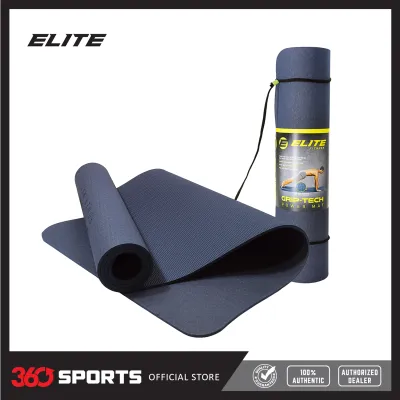
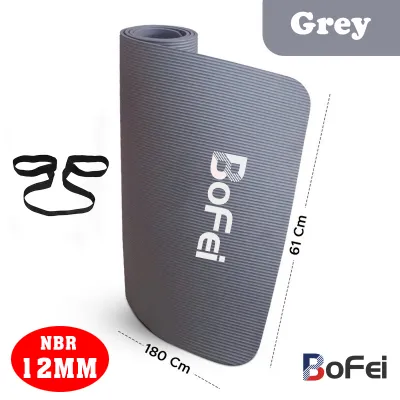
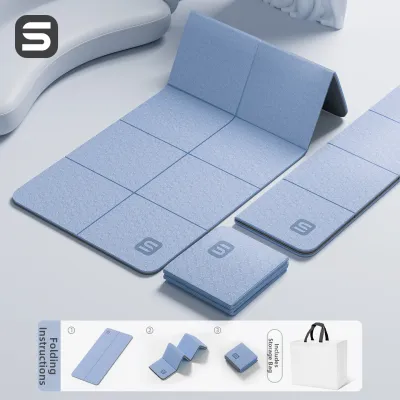
Prices are valid at publication and may change. Please refer to the product page for the latest price.
Your commuting habits should heavily influence your choice of carrying bag. If you travel to the studio by car or practice primarily at home, a simple sling strap or lightweight sleeve may be perfectly adequate. However, if you rely on public transportation like the MRT, jeepneys, or active commuting like walking and cycling, you need a bag that offers robust protection and carrying comfort. A secure, fully enclosed bag protects your mat from dust, sudden tropical downpours, and physical wear during crowded transits. Look for wide, adjustable shoulder straps that distribute weight evenly across your torso to prevent shoulder strain during long walks in the heat.
Choosing the Right Mat Material and Thickness
The material of your yoga mat dictates its grip, weight, durability, and how it behaves under humid conditions. Polyvinyl Chloride (PVC) is a common, budget-friendly option known for its durability and excellent dry grip. However, PVC is non-porous, meaning sweat can pool on the surface, making it slick unless paired with a yoga towel. Thermoplastic Elastomer (TPE) is a lighter, more eco-friendly alternative that offers good cushioning and a textured, slip-resistant surface. TPE mats are highly portable due to their low weight, making them excellent for commuters, though they may degrade faster than PVC under intense heat.

For practitioners seeking maximum grip and sustainability, natural rubber and cork are excellent choices. Natural rubber mats provide unparalleled traction, even when wet, making them ideal for sweaty, high-intensity sessions. They are, however, significantly heavier than synthetic options and carry a distinct natural scent that takes time to dissipate. Cork mats feature a natural wood-like surface that actually becomes grippier as it gets wet, making them highly suited for tropical climates. The main trade-off with cork is its rigidity; these mats must be rolled loosely to prevent the cork layer from cracking over time, requiring a slightly larger carrying bag.
Mat thickness is a balancing act between joint protection and stability. Standard mats typically range from 3mm to 8mm in thickness. A thin mat (3mm to 4mm) keeps you close to the floor, providing excellent stability for standing balance poses like Warrior III or Tree Pose, but offers minimal cushioning for sensitive joints. A medium-thickness mat (5mm to 6mm) is generally considered the sweet spot for most practitioners, offering a versatile balance of comfort and stability. Extra-thick mats (7mm to 8mm or more) provide maximum joint relief but can make balancing difficult as your feet sink into the material, and they are significantly bulkier to carry.
When shopping online, always verify the material safety claims listed on the product packaging or manufacturer description. Look for certifications indicating the absence of harmful phthalates, heavy metals, or toxic glues, especially for synthetic mats. Because you will have direct skin contact with the mat for extended periods, choosing a verified non-toxic material is essential for your long-term comfort and wellness.
Selecting a Carrying Bag for Comfort and Ventilation
A great yoga mat is only as portable as the bag that carries it, making the carrier design a crucial part of your purchase. Sling straps are the most minimalist option, consisting of adjustable loops that slip over each end of the rolled mat. While they are incredibly lightweight and allow the mat to air out completely, they offer zero protection against rain, dust, or dirt during transit. Closed-end tube bags slide over the rolled mat and usually close with a drawstring. They provide decent protection but can be frustrating to pack if the fit is tight, especially when the mat is slightly damp and sticky from a workout.
Full-zip duffel bags offer the highest level of convenience and protection. These bags feature a zipper running the entire length of the carrier, allowing you to easily place your mat inside without struggling against friction. Duffels often have extra room to accommodate a yoga towel, a change of clothes, and personal items. When choosing a duffel, pay close attention to the zipper quality; look for sturdy, smooth-gliding zippers that will not easily split under pressure or rust when exposed to humid air.
Ventilation is a non-negotiable feature for yoga bags used in tropical climates. Storing a damp, sweaty mat inside a completely sealed, non-breathable bag creates a breeding ground for bacteria, mold, and unpleasant odors. Look for bags that incorporate mesh panels, ventilation grommets, or breathable fabrics like cotton canvas or lightweight linen. These features allow air to circulate, helping to dry out residual moisture during your commute home.
Additionally, evaluate the compartment layout of the bag to ensure it can function as your primary workout gear carrier. A well-designed bag should feature secure, zippered pockets separate from the main mat compartment. These pockets are essential for keeping your keys, phone, wallet, and jewelry safe and dry. Some larger duffel bags also include external elastic mesh pockets designed to hold a water bottle, keeping your hydration close at hand without risking leaks inside the main compartment.
Building Your Shortlist: What to Verify Before Checkout
Before finalizing your purchase on any local ecommerce platform, a systematic verification process will help you avoid common buyer pitfalls. Start by thoroughly reading user reviews, paying close attention to feedback from buyers who have used the product for several months. Look for specific mentions of mat shedding, where the surface material begins to flake off during use, or rapid grip loss after a few sessions. For the carrying bag, check reviews regarding the durability of the strap attachments and zippers, as these are the most common failure points on budget-friendly bundles.
It is critical to verify the exact physical dimensions of both the mat and the bag before checking out. Do not assume that because they are sold as a bundle, the bag will comfortably fit the mat after a hasty post-class roll. Compare the mat’s rolled diameter and length with the bag’s internal dimensions. If you choose a thicker mat (such as 6mm or 8mm), it will have a much larger rolled diameter than a standard 4mm mat, requiring a wider bag. A bag that is too tight will cause frustration every time you pack up, while a bag that is too loose may allow the mat to shift uncomfortably during your commute.
Finally, review the seller’s ratings, return policies, and warranty terms on the online marketplace. Reliable sellers typically have high positive feedback scores and are responsive to customer inquiries. Check if the seller offers a straightforward return policy in case the product arrives with manufacturing defects, such as uneven thickness, strong chemical odors, or broken bag stitching. Understanding these terms beforehand ensures a smooth resolution if the bundle does not meet your expectations upon delivery.
Maintaining Your Mat and Bag for Longevity
Proper maintenance is essential to preserve the grip of your mat and the structural integrity of your carrying bag, especially in hot and humid conditions. Cleaning methods must be tailored to the specific material of your mat. For PVC and TPE mats, a mild solution of water and a few drops of gentle dish soap applied with a soft cloth is usually sufficient. Avoid using harsh chemical cleaners, bleach, or abrasive scrubs, as these can strip away the textured surface and ruin the grip. Natural rubber and cork mats require even gentler care; use a damp cloth with plain water or a specialized, highly diluted mat wash recommended by the manufacturer to prevent drying out or cracking.
Never roll up and store your mat while it is still damp from sweat or cleaning. Trapping moisture inside a rolled mat, especially within a dark carrying bag, accelerates material degradation and invites bacterial growth. After every practice, wipe down your mat and hang it to air-dry completely in a well-ventilated indoor area. Keep your mat out of direct sunlight during the drying process, as prolonged exposure to UV rays can cause synthetic materials to become brittle and natural rubber to break down rapidly.
Your carrying bag also requires regular cleaning to prevent sweat transfer and odor buildup. Check the fabric care label inside the bag before washing. Many canvas and polyester bags can be hand-washed or machine-washed on a gentle cycle with cold water and a mild detergent. If the bag features delicate mesh panels, structural inserts, or metal hardware, spot-cleaning with a damp cloth and mild soap is the safest approach. Always allow the bag to air-dry completely inside and out before packing your mat back inside.
Frequently Asked Questions (FAQ)
Can I use a standard gym bag instead of a dedicated yoga mat carrier?
While you can technically transport a yoga mat in a standard gym bag, it is rarely the most practical or protective option. Standard gym bags typically lack the elongated shape required to hold a rolled mat, forcing you to leave the bag partially unzipped with the mat sticking out, which exposes it to dirt and rain. Alternatively, cramming a mat inside a crowded gym bag can bend, crease, or permanently deform the material. Dedicated yoga mat carriers are specifically designed to support the length and rolled shape of the mat, often featuring specialized external straps or custom-fit compartments that keep the mat secure and balanced during transit.
Are thicker yoga mats always better for beginners?
Thicker yoga mats are not universally better for beginners, as they present distinct trade-offs between comfort and stability. While an extra-thick mat (6mm to 8mm) provides welcome relief for sensitive knees and wrists during floor poses, it can significantly compromise your balance during standing postures. The soft, compressible surface makes it harder to establish a stable foundation, which can lead to ankle wobbling and improper alignment. For most beginners, a medium-thickness mat of 4mm to 5mm offers the ideal compromise, providing sufficient joint cushioning without sacrificing the stability needed to learn foundational standing poses safely.
How do I prevent my natural rubber mat from degrading in the bag?
To prevent a natural rubber mat from degrading while stored in its bag, you must protect it from heat, moisture, and sunlight. Natural rubber is an organic material that is highly sensitive to environmental conditions; storing it while damp will cause the rubber to rot and develop a persistent musty odor. Always ensure the mat is completely dry before rolling it up. Additionally, avoid leaving your bagged mat in hot environments, such as the trunk of a car parked in the sun or near a hot window, as extreme heat accelerates the breakdown of natural rubber, causing it to become sticky, brittle, and unusable.

Community discussion
Share your experience or ask a question. Comments are reviewed before publication.