
To keep your treadmill running smoothly, you must use the exact type of lubricant specified by your machine’s manufacturer, which in the vast majority of modern home fitness equipment is 100% pure silicone oil. Using the wrong fluid can permanently damage the running belt, degrade the deck, and overload the motor, turning a simple maintenance task into an expensive repair. In tropical environments like the Philippines, where high humidity and ambient dust can mix with lubricants to form a sticky paste, choosing and applying the correct formula is even more critical to protect your investment.
Before purchasing any product, you must verify your treadmill’s specific requirements. While silicone is the industry standard, some specialized or commercial-grade machines require proprietary wax blends, and others feature self-lubricating belts that should never be manually oiled. Taking a few minutes to identify your machine’s exact specifications will prevent costly mechanical failures and keep your workouts safe and consistent.
Why the Correct Lubricant Type Matters for Your Treadmill
Every time your foot strikes the treadmill deck, it creates immense friction between the rapidly moving running belt and the stationary deck underneath. The primary job of a treadmill oil lubricant is to form a thin, heat-resistant barrier that minimizes this friction, allowing the belt to glide smoothly over the deck. Without this protective layer, the motor has to work twice as hard to pull the belt under your weight, leading to rapid heat buildup that can burn out the motor control board or the motor itself.
Products mentioned in this guide
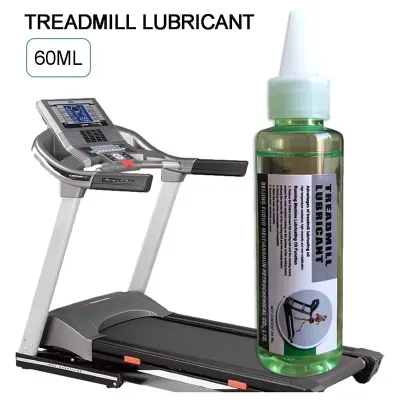
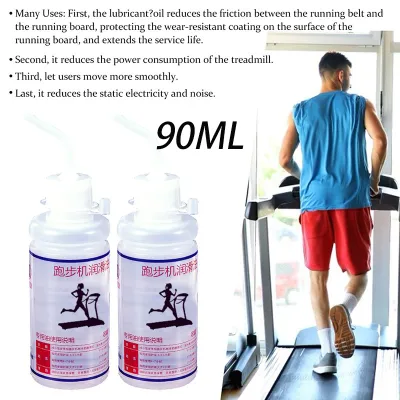
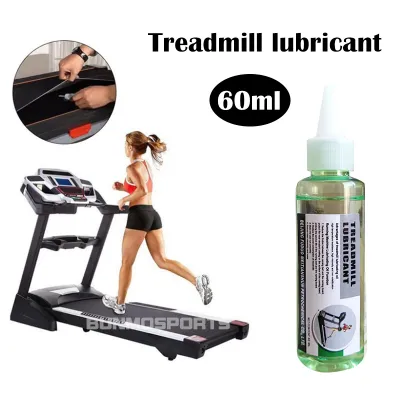
Prices are valid at publication and may change. Please refer to the product page for the latest price.
Using an incompatible lubricant, such as household WD-40, motor oil, or vegetable oil, can cause immediate and irreversible chemical damage. Most treadmill belts are constructed with a top layer of textured PVC or rubber and a bottom backing made of woven polyester, cotton, or monofilament. Petroleum-based lubricants and common household oils contain chemical solvents that attack these synthetic materials, causing the belt to swell, warp, stretch, or lose its structural integrity. Once a belt is chemically compromised, it will slip unpredictably during use, creating a serious safety hazard.
Beyond the physical damage to the machine, using an unapproved lubricant can have a severe financial impact. Treadmill manufacturers explicitly outline approved maintenance procedures in their warranty terms, and using non-specified oils almost always voids these protections. If your motor or control board fails due to friction overload or chemical degradation, a replacement can cost thousands of pesos (₱), a hefty expense that could have been easily avoided by using a few milliliters of the correct silicone fluid.
Identifying the Compatible Lubricant for Your Specific Model
The first and most reliable step in finding the correct lubricant is to locate your treadmill’s user manual. Inside, you will find a dedicated maintenance or care section that outlines the exact chemical requirements for the belt and deck. Manufacturers typically specify whether the machine requires a 100% silicone liquid, a specific viscosity of silicone spray, or a proprietary wax formulation.

During your manual search, pay close attention to whether your machine features a self-lubricating belt. Some high-end or commercial-grade treadmills are manufactured with belts pre-infused with dry lubricants or wax that release slowly over the lifespan of the machine. If your manual indicates that you have a self-lubricating system, adding external liquid silicone can ruin the pre-applied wax, causing the belt to slip off its rollers and requiring a complete belt replacement.
If you have misplaced your physical manual, do not guess the lubricant type. You can easily find a digital copy by searching the official brand website using your treadmill’s exact model number, which is usually printed on a sticker near the power switch or on the front frame. If the digital manual is unavailable, contact the manufacturer’s customer support directly to confirm the compatible lubricant type before applying any product to the deck.
Comparing Common Treadmill Lubricant Formulations
Understanding the differences between available lubricant formulations will help you make an informed decision when browsing fitness supply stores. The most common and widely compatible option is 100% silicone liquid or spray. This synthetic lubricant is highly stable, does not evaporate quickly, and can withstand the high temperatures generated by friction without breaking down or becoming sticky. It is the standard requirement for almost all residential treadmills.
Some premium fitness brands mandate the use of proprietary blends designed specifically for their deck materials. These formulas may combine silicone with specific additives to enhance longevity or reduce static buildup. While these proprietary lubricants are often more expensive, using them is highly recommended if your manufacturer specifies them, as they are chemically matched to the unique composition of your treadmill’s belt backing and deck coating.
On the other hand, petroleum-based products, mineral oils, and general household lubricants must be completely avoided. Products like multi-purpose spray lubricants, sewing machine oil, or automotive fluids are formulated for metal-on-metal contact, not plastic-on-wood or rubber-on-wood interfaces. These oils will quickly dissolve the low-friction coatings on your treadmill deck, attract dirt and dust like a magnet, and create a gummy residue that increases friction rather than reducing it.
How to Verify Product Compatibility Before Purchasing
When shopping for a treadmill oil lubricant, you must carefully evaluate the product label and description to ensure it is safe for your machine. Start by reading the ingredient list to confirm that the product is made of 100% pure silicone. Avoid any products that list “petroleum distillates,” “hydrocarbons,” or “solvents” on the label, as these additives will degrade your treadmill’s synthetic belt and deck materials.
Do not rely solely on generic marketing terms like “multi-purpose lubricant” or “all-in-one oil.” Look for products that explicitly state they are formulated for treadmills or fitness equipment. True treadmill lubricants are designed to maintain a specific viscosity that can handle the high-pressure, low-speed sliding friction characteristic of a running belt, whereas general-purpose hardware lubricants are often too thin or contain additives that can damage fitness plastics.
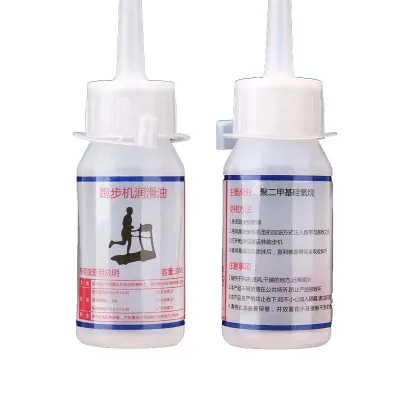
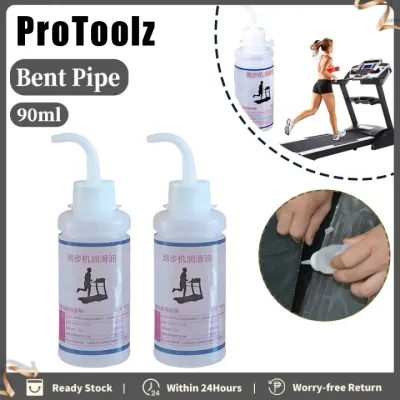
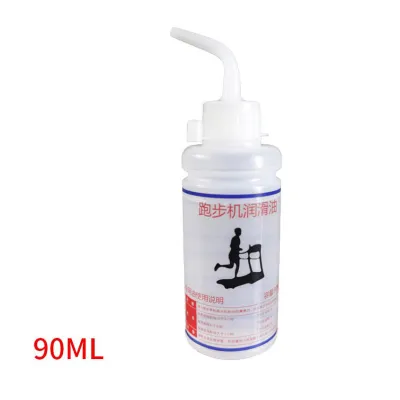
Additionally, consider the application method provided with the lubricant. Squeeze bottles equipped with a long, flexible extension tube are highly practical because they allow you to apply the oil deep under the center of the belt without loosening or removing it. Aerosol sprays can also work, but they require careful application to prevent the fine mist from settling on the top walking surface of the belt or your surrounding floor, which can create an extremely slippery and dangerous environment.
Signs Your Treadmill Needs Lubrication and When to Stop
Knowing when to lubricate your treadmill is just as important as choosing the right oil. One of the most common signs that your machine needs attention is a noticeable squeaking, squealing, or rubbing noise coming from beneath the belt during your workout. You might also feel a subtle hesitation or slipping sensation when your foot plants on the deck, which indicates that the friction has increased to the point where the belt is struggling to glide smoothly.
To confirm if lubrication is actually needed, perform a simple touch test before adding any product. Ensure the treadmill is completely powered off and unplugged, then slide your hand under the edge of the running belt toward the center of the deck. If the underside of the belt and the top of the deck feel dry to the touch, it is time to apply lubricant; if you feel a thin, wet film of oil, the machine still has sufficient lubrication, and adding more will only cause the belt to slip.
While routine lubrication is a straightforward DIY task, there are times when you must stop and seek professional assistance. If you notice that the running belt is severely frayed at the edges, has deep grooves worn into the underside, or if the motor smells hot or makes a loud humming noise even after lubrication, do not attempt to fix it yourself. In these cases, continue using the machine only after a qualified fitness equipment technician has inspected the deck, belt, and motor to ensure they are safe for operation.
Frequently Asked Questions (FAQ)
Can I use baby oil or Vaseline on my treadmill belt?
No, you should never use baby oil, Vaseline, or any other petroleum-based products on your treadmill. These substances are formulated from petroleum jelly and mineral oils, which chemically break down the rubber, PVC, and synthetic fibers of your treadmill belt. Using them will cause the belt to stretch, warp, and slip, voiding your manufacturer’s warranty and creating a serious safety hazard during your workouts.
How often should I apply treadmill oil lubricant?
The frequency of lubrication depends on your usage patterns and the manufacturer’s guidelines, but a general rule of thumb for home treadmills is to lubricate every three to six months, or after every 150 to 200 kilometers of use. In hot and dusty tropical environments, you may need to check the deck more frequently, as dust can mix with the lubricant and dry it out faster. Always consult your user manual for the recommended maintenance schedule specific to your model.
Do self-lubricating treadmills ever need extra oil?
No, self-lubricating treadmills do not require external liquid lubricants, and adding them can actually damage the machine. These specialized belts are manufactured with wax or silicone infused directly into the material, which is designed to release slowly over time. Adding liquid treadmill oil to a self-lubricating belt can disrupt this built-in system, cause the belt to slip off its rollers, and ruin the deck’s low-friction surface.

Community discussion
Share your experience or ask a question. Comments are reviewed before publication.