
Selecting a mabisang pain sa isda in the Philippines requires more than just picking a colorful package off the shelf of a local tackle shop or online marketplace. The diverse aquatic environments of the archipelago, ranging from brackish fishponds to deep marine waters, demand a strategic approach to selecting commercial baits. To consistently land a catch, you must align your bait choice with the biological preferences of your target species, the physical characteristics of the water, and your specific angling technique. By understanding how different formulations behave in tropical conditions, you can make informed purchasing decisions that maximize your time on the water.
Identify Your Target Species and Local Fishing Conditions
To narrow down your commercial bait options, you must first define the specific fish you intend to target and analyze the environmental factors of your chosen fishing spot. Freshwater environments in the Philippines, such as lakes, rivers, and managed fishponds, are home to species like tilapia, hito (catfish), bangus (milkfish), and dalag (mudfish). These species have highly distinct dietary habits; for instance, tilapia and bangus often feed on algae, plant matter, and small detritus, whereas hito and dalag are opportunistic predators drawn to strong, meaty scents. Conversely, saltwater species like lapu-lapu (grouper), talakitok (trevally), and maya-maya (snapper) are highly predatory and rely heavily on lateral line vibrations, visual cues, and marine protein scents to locate their prey.
Environmental conditions play a critical role in how effectively a commercial bait performs. Water clarity is a primary factor; in turbid or muddy waters common after heavy tropical rains, fish rely less on sight and more on their sense of smell and vibration. In these conditions, highly scented baits or those that release a cloud of particles are more effective than purely visual lures. Water temperature also influences fish metabolism and feeding activity. In the warm tropical waters of the Philippines, fish generally have a high metabolic rate, but extreme heat during the dry season can drive them to deeper, cooler zones where oxygen levels are more stable.
Products mentioned in this guide
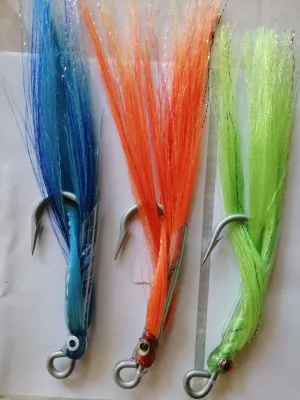


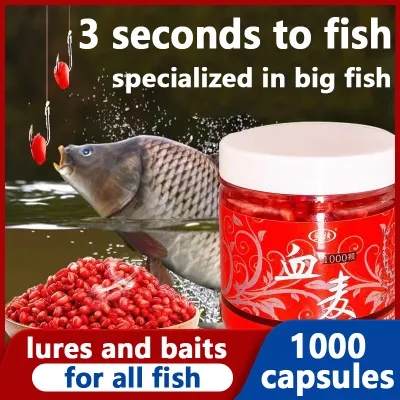
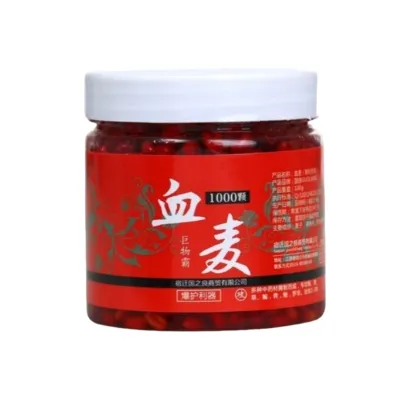
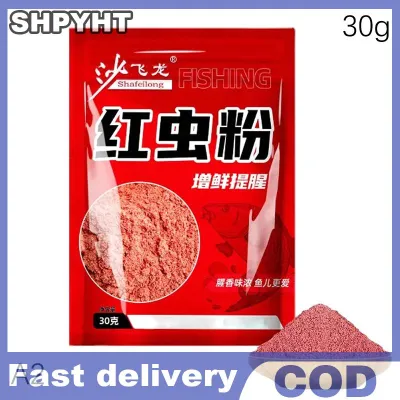
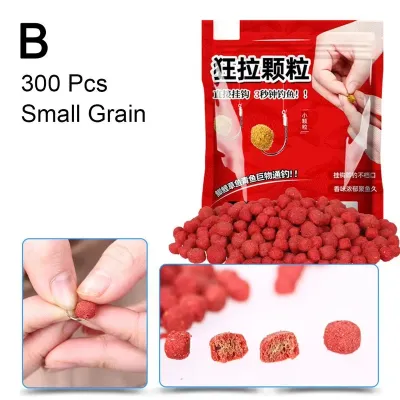
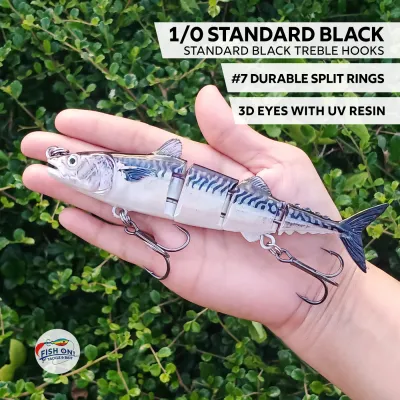
Prices are valid at publication and may change. Please refer to the product page for the latest price.
Understanding the feeding zones of your target fish is equally vital for proper bait presentation. Surface feeders require buoyant baits that remain visible on the water’s surface, while mid-water species are best targeted with slow-sinking formulations or suspended presentations. Bottom-dwelling species, such as hito or lapu-lapu, require heavy, fast-sinking baits that rest on the substrate where these fish naturally forage. Matching the buoyancy and sink rate of your commercial bait to the target zone ensures your offering remains directly in the path of feeding fish.
Decode Bait Ingredients and Attractant Formulations
Reading and understanding product labels is a crucial step in identifying a mabisang pain sa isda. Commercial baits are formulated with specific ratios of proteins, fats, and carbohydrates designed to mimic the natural diet of target species. For predatory fish, look for labels indicating high marine protein content, such as fishmeal, shrimp powder, or squid meal. For herbivorous or omnivorous species like bangus, formulations rich in plant-based proteins, grains, and yeast extracts are often more suitable.

Scent additives and amino acids serve as powerful chemical triggers that stimulate a fish’s feeding response. In low-visibility waters, water-soluble amino acids disperse rapidly, creating a scent trail that fish can follow from a distance. Oils, such as fish oil or anise oil, are also common additives; however, their dispersion rates vary depending on water temperature. In warm tropical waters, oils disperse more readily than in cold climates, making oil-based attractants highly effective for creating long-lasting scent paths in local rivers and coastal areas.
Visual attractants can significantly enhance the visibility of your bait, especially in clear water or bright sunlight. Many commercial baits incorporate bright colorants, UV-reflective particles, or fine glitter to catch the light and mimic the flashing of prey scales. When fishing in clear mountain streams or open marine waters, these visual elements can trigger aggressive strikes from predatory species. In contrast, when fishing in highly turbid waters, visual additives should be secondary to strong olfactory attractants.
Always verify the freshness of the ingredients before purchasing commercial bait. Tropical heat and high humidity can rapidly degrade organic components, causing oils to go rancid and proteins to break down prematurely. Check the packaging for manufacturing and expiration dates, and inspect the product for any signs of moisture ingress. Fresh attractants retain their chemical potency, whereas expired or poorly stored baits lose their scent throw and may even repel fish instead of attracting them.
Match Bait Formats to Your Fishing Technique
The physical format of your commercial bait must align with your fishing gear and presentation style to ensure optimal performance. Pellets, ground baits, and loose chum are excellent choices for bottom fishing and establishing a feeding zone. These formats are designed to dissolve gradually, releasing a continuous stream of fine particles and scents that draw fish to your immediate area. Anglers often use ground bait in cage feeders or disperse it by hand around their float setups to keep fish actively feeding in one spot.
Dough baits and pastes are highly versatile formats, particularly suited for float fishing or light tackle setups. These baits can be easily molded around a treble hook or a spring-loaded bait holder, allowing you to customize the size and shape of the presentation. Dough baits are highly popular for targeting tilapia and bangus in private ponds and public lakes, as they offer a soft texture that fish are hesitant to spit out once they take a bite.
For active casting, retrieving, and trolling, scented artificial baits and soft plastics are highly effective. These products combine the lifelike action of synthetic lures with the scent-releasing properties of commercial organic baits. Soft plastics infused with salt and fish attractants ensure that when a fish strikes, it holds onto the lure longer, giving you more time to set the hook. These are particularly useful when targeting predatory species in coastal estuaries or around structure like docks and reefs.
Always adjust the size and shape of your bait to match the hook size and the mouth structure of your target fish. A bait that is too large can prevent smaller species from getting the hook into their mouths, resulting in missed strikes. Conversely, a bait that is too small may be ignored by larger predators or consumed by non-target baitfish before the desired species can reach it. Selecting a balanced presentation ensures a higher hook-up ratio and a more efficient fishing session.
Evaluate Quality and Build Your Bait Shortlist
Building a reliable shortlist of commercial baits involves evaluating product quality, packaging, and overall value. Inspect the packaging integrity closely before buying; high-quality commercial baits should be sealed in heavy-duty, airtight packaging. Resealable features, such as zip-locks or screw-top tubs, are essential in the Philippines to protect the bait from the intense tropical humidity and prevent the entry of pests like ants and weevils.
When comparing prices, calculate the cost per use or cost per gram rather than focusing solely on the upfront price in ₱. A cheaper bait that dissolves too quickly or spoils after a single outing may end up costing more in the long run than a slightly more expensive, highly stable formulation. Look for products that offer a balance of durability on the hook and a steady release of attractants to get the most value out of your purchase.
Consulting local fishing communities and reading user reviews can provide valuable insights into how a specific bait performs in local waters. Anglers fishing in the same lakes or coastal regions can offer practical feedback on which scents and colors are currently producing results. However, keep in mind that bait effectiveness can vary based on seasonal changes and local fishing pressure, so it is wise to cross-reference multiple sources of feedback.
When trying a new commercial bait product, always start by purchasing smaller quantities. This allows you to test the bait’s consistency, hook retention, and local effectiveness without committing to a large bulk purchase. Once you have verified that a specific formulation works well for your target species and fishing style, you can confidently buy larger packages to save on cost and ensure you always have a reliable option in your tackle box.
Maximize Effectiveness Through Proper Preparation and Storage
To get the best results from your commercial bait, you must follow the manufacturer’s instructions for preparation and mixing. For powdered ground baits and doughs, precise water-to-powder ratios are critical for achieving the desired consistency. Using too much water can make the bait too soft, causing it to fly off the hook during casting or dissolve instantly upon hitting the water. Conversely, under-hydrating the bait can make it too hard, preventing it from releasing its scent and particles effectively.
Proper storage is essential for maintaining the texture, scent, and overall quality of your bait over time. Store all unused commercial baits in a cool, dry, and dark environment, away from direct sunlight and extreme heat. In the Philippines, leaving bait inside a hot car or exposed on a sunny boat deck can quickly ruin the product, causing dough baits to melt, oils to separate, and soft plastics to deform. Using insulated bait bags or small coolers during your trips can help preserve the bait’s integrity.
Always reseal packages tightly immediately after extracting the amount of bait you need for your immediate setup. This practice prevents moisture from entering the package, which can trigger mold growth or cause dry pellets to soften and clump together. It also prevents different scents from cross-contaminating each other in your tackle box, ensuring that each bait retains its unique attractant profile.
Regularly inspect your bait collection for signs of degradation before heading out on a fishing trip. Unusual odors, the presence of mold, discoloration, or a significant change in texture are clear indicators that the bait has spoiled. Using degraded bait can actively deter fish, as they are highly sensitive to the chemical signatures of rotting or spoiled organic matter. Discard any compromised products and replace them with fresh stock to ensure your presentation remains highly appealing.
Frequently Asked Questions (FAQ)
Can I use the same commercial bait for both freshwater and saltwater fishing?
While some highly versatile baits can attract fish in both environments, it is generally more effective to use specialized formulations. Saltwater commercial baits are typically formulated with stronger, highly concentrated marine scents and oils designed to disperse effectively in dense, moving saltwater. Freshwater baits, on the other hand, often rely on sweet, grain-based, or freshwater protein profiles that may lack the necessary scent throw or dissolve too quickly when exposed to the higher salinity and strong currents of marine environments. Always check the manufacturer’s label to verify the intended environment for the product.
How long do commercial fish baits typically last once opened?
The shelf life of opened commercial bait depends heavily on its formulation and how it is stored. Dry pellets and powdered ground baits can remain effective for several months to a year if kept in airtight containers away from moisture and heat. Moisture-rich dough baits, pastes, and preserved natural baits have a much shorter shelf life once the seal is broken, often lasting only a few weeks to a couple of months before they begin to dry out or spoil. Performing a quick visual and olfactory check before each trip is the most reliable way to determine if your bait is still viable.
Are homemade baits more effective than commercial ones?
Neither option is universally superior, as both have distinct advantages depending on your situation. Commercial baits offer unmatched consistency, convenience, and scientifically developed attractant profiles that are proven to trigger feeding responses. Homemade baits, such as mixtures of breadcrumbs, coconut milk, and local flavorings, allow for complete customization and can be highly effective when tailored to the specific habits of fish in a particular local pond. Choosing between them depends on your available preparation time, budget, and willingness to experiment with different ingredients.
Community discussion
Share your experience or ask a question. Comments are reviewed before publication.