
Selecting the right .177 pellets depends on matching the physical design of the projectile to your specific shooting activity. Whether you are aiming for clean holes on a paper target, knocking down tin cans in a backyard, or managing small garden pests, the shape of the pellet directly dictates its flight path, accuracy, and impact behavior. Using an incorrect shape can lead to frustrating misses, poor energy transfer, or erratic trajectories.
To achieve the best results, shooters must evaluate how different nose profiles interact with air resistance and target materials. By understanding the distinct roles of wadcutter, domed, pointed, and hollow point designs, you can optimize your airgun’s performance for every shot.
Understanding .177 Pellet Shapes and Aerodynamics
The aerodynamics of a .177 pellet are determined by its nose profile and skirt design. The traditional diabolo shape—featuring a pinched waist—creates drag that stabilizes the pellet in flight, much like a badminton shuttlecock. However, the nose shape determines how efficiently the pellet cuts through the air, a characteristic known as the ballistic coefficient.
Products mentioned in this guide
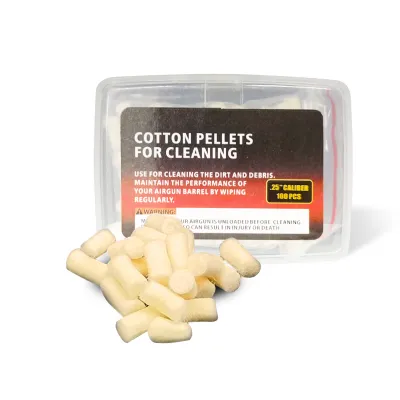
Prices are valid at publication and may change. Please refer to the product page for the latest price.
Wadcutter pellets feature a completely flat nose, which creates high aerodynamic drag. This drag causes them to lose velocity quickly, making them highly susceptible to wind drift over longer distances. In contrast, domed pellets have a rounded, aerodynamic nose that slices through the air with minimal resistance, preserving velocity and resisting wind drift far better than other shapes.
Pointed pellets are designed to concentrate impact energy onto a sharp tip, theoretically aiding penetration, though their asymmetrical tips can sometimes cause aerodynamic instability at high velocities. Hollow point pellets feature a cavity in the nose designed to expand upon impact, which increases drag in flight but maximizes energy transfer when hitting a soft target.
Matching the pellet’s shape and weight to your airgun’s power plant is crucial. Low-power spring-piston or multi-pump air rifles may struggle to propel heavy, high-drag pellets accurately, while high-velocity pre-charged pneumatic (PCP) airguns require stable shapes to prevent the pellet from tumbling. Additionally, the rifling twist rate of your barrel will favor certain weights and shapes, requiring hands-on testing to verify compatibility.
Selecting Pellet Shapes for Target Shooting and Precision
For formal paper target shooting, especially at close ranges, the wadcutter pellet is the traditional standard. The flat nose acts like a hole punch, cutting clean, easily scorable edges in paper targets. This clean cut makes scoring simple and precise, as there are no torn paper fibers to obscure the exact point of impact.

However, as the shooting distance increases or when shooting outdoors, the high drag of the wadcutter becomes a liability. For outdoor silhouette shooting or longer-range target practice, domed pellets are a highly effective choice. Their rounded profile maintains a stable trajectory through crosswinds and retains velocity over distance, ensuring consistent groupings when shooting past close-range limits.
When selecting a pellet shape for precision, shooters should utilize a systematic checklist based on their specific environment. First, assess the distance: close-range indoor shooting favors the wadcutter, while outdoor distances demand the aerodynamic stability of a domed pellet. Second, consider the target material; paper targets require the clean-cutting action of a wadcutter, whereas metal knock-down targets benefit from the momentum retention of a heavier domed pellet. Finally, evaluate environmental factors like wind and tropical humidity, which can cause lighter, high-drag pellets to drift unpredictably.
Pellet Shapes for Plinking and Casual Shooting
Plinking—the informal shooting of everyday objects like tin cans, plastic bottles, or spinning metal targets—is highly popular for backyard recreation. For this casual style of shooting, domed and pointed pellets are highly favored. Domed pellets offer reliable accuracy across various distances, providing satisfying auditory feedback when they strike metal cans.
Pointed pellets are also popular for plinking because of their penetration characteristics. When shooting hard plastic bottles or thin metal containers, the sharp tip of a pointed pellet can pierce the surface easily rather than bouncing off. However, this high penetration capability introduces safety considerations, as pointed pellets are more likely to pass completely through informal targets or ricochet off hard backing materials.
Safety must always be the primary focus during casual backyard plinking. Before taking a shot, inspect your backstop to ensure it can safely stop and contain all pellets; thick wooden boards, specialized steel pellet traps, or heavy sandbags are excellent choices. Be mindful of shooting angles, as firing at hard surfaces or water at shallow angles can cause dangerous ricochets. In tropical residential areas, ensuring that your shooting lane is completely contained and shielded from neighboring properties is essential for safe operation.
Selecting Pellet Shapes for Pest Control
When managing small garden pests, selecting a pellet that supports humane, rapid elimination is an ethical necessity. The primary goal in pest control is maximizing energy transfer to the target. Hollow point pellets are specifically engineered for this purpose; upon impact with soft tissue, the hollow cavity forces the nose to expand outward, dumping the pellet’s kinetic energy rapidly and minimizing the risk of over-penetration.
However, a hollow point pellet can only do its job if it hits the vital zone, making accuracy far more important than theoretical expansion. If your air rifle does not shoot hollow points accurately, a domed pellet is the best alternative. Domed pellets offer deep, reliable penetration and superior aerodynamic stability, allowing for the precise shot placement required to support a clean, humane result.
Before undertaking any pest control activities, shooters must run through a strict checklist of safety, legal, and ethical requirements. First, confirm the identity of the target to ensure it is not a protected species under local environmental laws. Second, verify that your backstop is entirely secure, as missing a pest can send a pellet into an unsafe area. Finally, check local municipal ordinances regarding the discharge of airguns, as urban or suburban areas often have strict regulations governing air rifle use.
Cross-Scenario Compatibility and Testing Your Airgun
For shooters who participate in multiple activities but prefer to use a single, versatile projectile, the domed pellet serves as a practical multi-purpose compromise. While it may not cut the perfectly clean holes of a wadcutter on paper, its aerodynamic efficiency, reliable accuracy, and deep penetration make it highly effective for target shooting, plinking, and pest control alike.
Because every airgun barrel has unique manufacturing tolerances and rifling characteristics, you must test different pellet shapes to find your specific rifle’s preference. Begin by securing your airgun in a stable benched position at a safe range. Shoot five-shot groups using different pellet shapes and weights, cleaning the barrel thoroughly between different brands or lead alloys to prevent lubrication cross-contamination. Record the group sizes to identify which shape consistently delivers the tightest clusters.
Always consult your airgun manufacturer’s manual before testing new pellets. The manual provides critical guidelines regarding recommended pellet weights to prevent damage to spring-piston seals or PCP valves. Following these manufacturer specifications helps keep your airgun safe, functional, and accurate for years to come.
Frequently Asked Questions (FAQ)
Can I use pointed pellets for target shooting?
Pointed pellets are generally not recommended for precision target shooting. Their asymmetrical tips can cause aerodynamic instability and spiral flight paths at longer distances, leading to larger groups. Additionally, they tend to tear paper targets rather than cutting clean holes, making scoring difficult.
Do heavier .177 pellets change the ideal shape for my activity?
Yes, weight and shape are closely linked. Heavier pellets require more driving force from your airgun to maintain a stable velocity. If you use a heavy domed or hollow point pellet in a low-power air rifle, the trajectory will loop significantly, reducing accuracy and effective range.
How should I store different pellet shapes to maintain their accuracy?
To preserve accuracy, store your pellets in a cool, dry place to prevent oxidation, which is especially important in humid tropical climates. Keep them in padded tins or organized storage cases to protect delicate wadcutter edges and hollow point cavities from bending or deforming during transport.
Community discussion
Share your experience or ask a question. Comments are reviewed before publication.