
Selecting the correct suspension fork travel for your 29er mountain bike is a balancing act between your local terrain, riding style, and frame design. The travel length—measured in millimeters—determines how much impact your front suspension can absorb, but it also dictates how your bike handles, climbs, and descends. Choosing the right setup requires matching these physical capabilities to your typical trail conditions while respecting the structural limits of your bicycle frame.
How Fork Travel Affects Your 29er's Geometry and Handling
Every mountain bike frame is engineered around a specific axle-to-crown length, which directly correlates to the travel of the fork. When you install a fork with longer travel, you increase this height, which rotates the entire frame backward. This geometric shift slackens the head tube angle and the seat tube angle, while raising the bottom bracket height off the ground.
These physical alterations create distinct handling trade-offs on the trail. A slacker head tube angle pushes the front wheel further forward, which increases high-speed stability and inspires confidence when descending steep, technical chutes. However, this same adjustment reduces steering responsiveness at slow speeds and can cause the front wheel to wander or lift when you are grinding up steep climbs. Conversely, shorter travel keeps the head angle steeper, maintaining sharp, agile steering and keeping your weight forward for efficient climbing.
Products mentioned in this guide
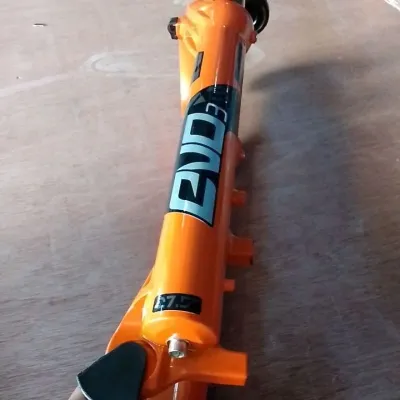
14 Lazada user ratings
Haven't fully tested it, but it looks durable...aesthetic is superb. everything fits perfectly on my 27.5 mountain pesk frame...kudos to the…Read full reviewShow less
Haven't fully tested it, but it looks durable...aesthetic is superb. everything fits perfectly on my 27.5 mountain pesk frame...kudos to the seller! Also, arrived on my end way earlier than expected...thank u!
Great value for money - highly recommended!, 🔌Compatibility:Perfect for both 27.5 and 29R bikes!,
received ko na quality boss d ako nagkamali ng inorderan salamat Boss
ganda sir legit na sagmit evo 3🥰🥰🥰
legit and responsive seller
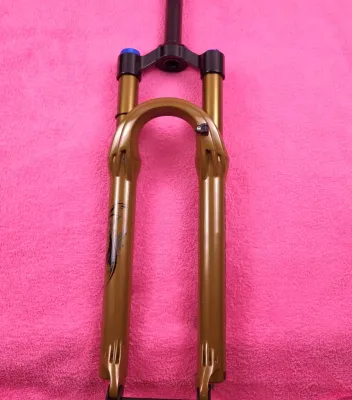
81 Lazada user ratings
Thank yous so much sa seller/shop na ito! napaka bikis nila mag response at mabilis nila naipapacked at shipped ang order 🥰 pang ilang order…Read full reviewShow less
Thank yous so much sa seller/shop na ito! napaka bikis nila mag response at mabilis nila naipapacked at shipped ang order 🥰 pang ilang order ko na sa shop na ito! Dito na kayo kumuha! at maganda ang service nila, napaka ganda ng bago kong Airfork, galing ako sa rigid pero ayus na ayus talaga ito! ang daming napapatingin sa fork na ito kasi kahawig na kahawig ng fox air fork hehe 😆 buti na lang hindi nagalit asawa ko nung nagpalit nanaman ako ng pyesa hahaha! promise last na to!, muna to! hahahaha 😆😆 thanks!! ang lakas maka pogi ng bike 😍🔥🚴♂️ ride sage everyone!
🔨Durability:10/10 🔌Compatibility:10/10 🛠️Ease of Installation:10/10 legit seller. inorder ko kahapon yumg item dumating agad ngayon at kinabi…Read full reviewShow less
🔨Durability:10/10 🔌Compatibility:10/10 🛠️Ease of Installation:10/10 legit seller. inorder ko kahapon yumg item dumating agad ngayon at kinabit ko agad ayos.!! salamat seller sa mabilis na transaction Durable and sturdy construction, Excellent shock absorption, Perfect fit for my mountain bike, Impressive color options, Lightweight aluminum alloy frame, Enhanced control on rough terrains,
🔨Durability:not sure yet 🔌Compatibility:good 🛠️Ease of Installation:easy if you know how to install very nice product, very catchy look. prod…Read full reviewShow less
🔨Durability:not sure yet 🔌Compatibility:good 🛠️Ease of Installation:easy if you know how to install very nice product, very catchy look. product arrived in good condition and was well packed. i was not expecting a fox sticker comes with it so i immediately removed the stock decals and placed the fox decals instead. looks good!
Durable and sturdy construction, Great value for the price, Improved riding experience, Lightweight aluminum alloy frame, Smooth and respons…Read full reviewShow less
Durable and sturdy construction, Great value for the price, Improved riding experience, Lightweight aluminum alloy frame, Smooth and responsive suspension, salamat sa avies seller ganda ng bounce at mgaan
angas ang pota na shock 10star to o sobra pa. d best
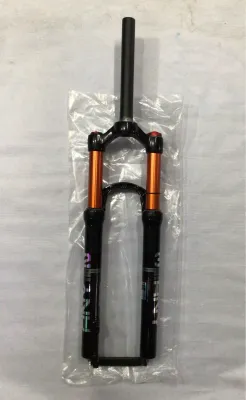
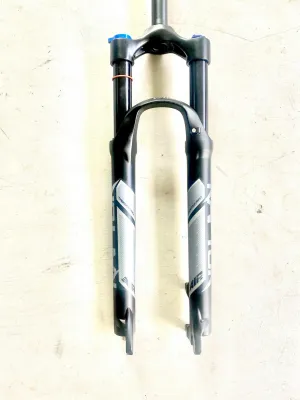
76 Lazada user ratings
rceive the item , di sya naka bubble wrap nka balot lang ng plastic at yung decalls naka angat halaos lahat pero okey lang i hope na walang …Read full reviewShow less
rceive the item , di sya naka bubble wrap nka balot lang ng plastic at yung decalls naka angat halaos lahat pero okey lang i hope na walang problema pag na ilagay na at magamit
thank you and god bless
nice solid airfork
Prices are valid at publication and may change. Please refer to the product page for the latest price.
It is critical to evaluate these geometric changes within the context of your frame’s original design intent. Modern 29er frames are highly optimized for specific travel ranges, and deviating too far from these parameters can ruin a bike’s balanced handling. A bike designed for quick, responsive cross-country riding will rarely perform well if forced into an aggressive downhill geometry by an excessively long fork.
Matching Travel Ranges to Riding Disciplines
Suspension travel is generally categorized into distinct brackets that align with specific riding styles and trail conditions. Rather than viewing these ranges as rigid rules, you should treat them as a practical decision-making framework based on where and how you ride. To find your ideal range, honestly assess your primary riding environment, whether it consists of smooth, hard-packed dirt with long climbs or wet, rocky roots and steep downhill tracks.

100mm to 120mm: Cross-Country (XC) and Light Trail
Forks featuring 100mm to 120mm of travel are the standard for cross-country racing and light trail riding. This range is optimized for pedaling efficiency, rapid acceleration, and climbing performance on smooth flow trails, fire roads, and marathon-style endurance events where saving weight is a primary concern.
From a geometric standpoint, short-travel forks keep the bike’s front end low and the head tube angle relatively steep. This configuration ensures exceptionally sharp, responsive steering for tight switchbacks, while keeping your center of gravity forward to maximize rear-wheel traction and prevent front-wheel lift on steep ascents.
However, these forks have clear physical limitations. With less travel available, they can bottom out on large drops, deep ruts, or high-speed rock gardens. Riders must rely more on precise line choice and body positioning to absorb impacts, as the fork has limited capacity to maintain traction on highly technical descents.
130mm to 150mm: Trail and All-Mountain
The 130mm to 150mm travel range represents the sweet spot for the vast majority of mountain bikers. Often referred to as trail or all-mountain forks, these components balance climbing efficiency with descending capability, making them ideal for riders who want a single bike that can handle technical descents and long climbs with equal competence.
Geometrically, this mid-travel range provides a highly balanced ride quality. The head tube angle is slack enough to offer stability on descents, yet steep enough to keep the front wheel planted during technical climbs. The extra travel provides a helpful safety margin, absorbing unexpected hits over loose, uneven terrain.
For most 29er riders, this versatility makes mid-travel forks the most logical choice. They allow you to progress your skills and tackle challenging features without sacrificing the ability to pedal back uphill. While heavier than pure cross-country forks, the trade-off in comfort, control, and descending confidence is highly beneficial.
160mm and Above: Enduro and Downhill
Forks with 160mm of travel or more are engineered for high-speed descents, massive impacts, and aggressive riding styles. This category is the domain of enduro racing, bike parks, and steep, gravity-focused trails. If your riding style involves seeking out the roughest lines and hitting large jumps, this is the travel range you require.
These long-travel forks significantly slacken the bike’s head tube angle, pushing the front axle forward to create a long, stable wheelbase. This geometry provides maximum stability at high speeds and keeps your weight centered on near-vertical descents. The robust chassis also resists twisting under heavy braking and cornering loads, ensuring predictable traction.
The trade-offs for this extreme capability are noticeable on flatter or uphill sections. Long-travel forks are heavier, and the slack geometry can cause the front wheel to wander during slow-speed climbs. While sophisticated damper adjustments or lockout mechanisms help mitigate this, these forks still require significantly more physical effort to pedal uphill.
Key Compatibility Checks Before Upgrading Your Fork
Before purchasing a new 29er suspension fork, you must perform several critical compatibility checks to ensure the upgrade is safe. The most vital step is verifying your frame manufacturer’s maximum allowable fork travel. Exceeding this limit by more than 10mm can place excessive leverage on the head tube junction, potentially causing catastrophic frame failure.
Next, verify the physical dimensions of your existing equipment. Check the steerer tube type, as modern frames almost exclusively use tapered steerers (1.5 inches to 1-1/8 inches), whereas older frames may require a straight 1-1/8 inch steerer. Additionally, confirm your front wheel’s axle standard; modern 29er forks typically use Boost spacing (15x110mm), which is incompatible with older non-Boost wheels (15x100mm) without conversion kits.
Finally, pay close attention to the fork offset, which is the distance between the steering axis and the center of the front axle. For 29er wheels, offsets typically range between 42mm and 51mm, directly influencing the bike’s steering speed. If any of these specifications are unclear or undocumented in your bike’s manual, stop the upgrade process immediately and consult a professional bicycle mechanic or the frame manufacturer.
Frequently Asked Questions (FAQ)
Can I put a longer travel fork on my existing 29er frame?
You can sometimes increase your fork travel, but you should generally limit any increase to a maximum of 10mm over the frame’s original specification. Even a small increase will alter your bike’s handling, raise the bottom bracket, and slacken the seat tube angle, which can affect climbing comfort. Exceeding the manufacturer’s maximum travel limit can void your warranty and risk structural frame failure due to increased leverage on the head tube.
Does more fork travel always make a 29er better for descending?
Not necessarily. While more travel helps absorb larger impacts, excessive travel on a frame not designed for it can raise your front end too high, making it difficult to keep weight on the front tire. This loss of front-wheel traction can cause the bike to wash out in corners. The best descending performance comes from a balanced system where the fork travel matches the rear suspension and the frame’s intended geometry.

Community discussion
Share your experience or ask a question. Comments are reviewed before publication.