
Selecting the ideal Adidas water bottle depends entirely on your specific training environment, hydration volume, and carrying preferences. There is no single universal model; instead, the best choice aligns the bottle’s material, insulation, and lid mechanism with your daily physical demands. A runner traversing outdoor routes in a warm, humid climate requires a vastly different setup than a weightlifter training in an air-conditioned gym or a professional sitting at an office desk. By evaluating how you move, how much water you consume, and how you transport your gear, you can narrow down the options to find a bottle that seamlessly integrates into your routine.
To make an informed decision, you must look beyond aesthetics. The physical demands of your sport or daily routine dictate which features will support your hydration and which will become a hindrance. For example, a heavy, insulated steel bottle might keep your water ice-cold, but it can quickly become a burdensome weight during a long-distance run. Conversely, a lightweight plastic squeeze bottle is highly portable but will fail to keep your drinks cool during a long commute in tropical heat. Understanding these trade-offs is the first step toward selecting a bottle that keeps you hydrated without adding unnecessary inconvenience to your day.
Key Features to Evaluate Before Buying an Adidas Water Bottle
Before committing to a specific Adidas water bottle, it is essential to establish a clear set of evaluation criteria based on your personal habits. The primary factors to consider are capacity, insulation, lid design, and material composition. Each of these elements directly impacts how easy the bottle is to carry, how well it maintains liquid temperature, and how durable it will be over months of consistent use.
Products mentioned in this guide
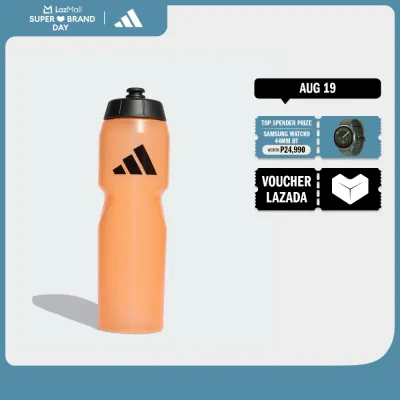
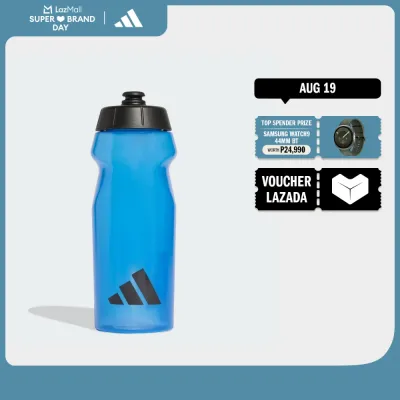
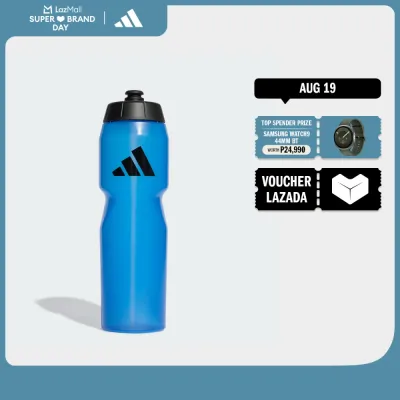
Prices are valid at publication and may change. Please refer to the product page for the latest price.
Capacity and weight present a constant trade-off in sports gear. Water weighs approximately one kilogram per liter. If you choose a large-capacity bottle, such as a 1-liter model, you ensure ample hydration for extended training sessions without needing to stop for frequent refills. However, this convenience comes at the cost of significant physical weight and bulk, which can make the bottle difficult to carry in a standard backpack side pocket or a running vest. On the other hand, smaller capacities like 500ml or 750ml are highly portable and lightweight, making them excellent for short workouts or runs, but they require you to have reliable access to a clean water source for refills.
Insulation is another critical decision point, especially in tropical climates where ambient temperatures can rapidly warm up your drinks. Single-wall bottles, typically made of plastic or single-layer aluminum, offer no thermal protection, meaning your cold water will reach room temperature within an hour or two. However, they are incredibly lightweight, inexpensive, and maximize internal volume relative to their outer dimensions. Double-wall vacuum-insulated bottles, usually constructed from stainless steel, feature an airtight space between two metal walls that prevents heat transfer. This design keeps your water cold for extended periods, preventing the refreshing chill from escaping even in high humidity. The trade-off is that insulated bottles are heavier, more expensive, and cannot be squeezed.
The lid mechanism determines how quickly and safely you can access your water during movement. Straw lids are highly convenient for activities where you need to keep your eyes forward, such as cycling or running on a treadmill, as they allow you to sip upright without tilting your head. Flip-top lids offer rapid, high-flow hydration with a simple one-handed click, making them ideal for quick breaks between intense gym sets. Screw-caps provide the most secure, leak-proof seal, making them the safest choice for transport inside a bag filled with electronics or clothing, though they require two hands to open and close.
Finally, material considerations balance durability against weight and taste. Stainless steel is exceptionally durable, resistant to punctures, and does not retain odors or flavors from previous drinks, making it a long-lasting investment. However, it can dent if dropped on hard gym floors. BPA-free plastics, such as Tritan, are highly impact-resistant, lightweight, and transparent, allowing you to monitor your water intake easily. While modern food-grade plastics are highly safe, they can occasionally retain odors if sports drinks or protein mixes are left inside them for too long without proper cleaning.
Matching Adidas Bottle Types to Your Workout Scenarios
Different physical activities dictate the priority of features like grip, weight, and temperature control. A high-intensity workout requires rapid, one-handed access, while a long outdoor run demands lightweight portability. Let’s look at how to align these features with your specific routine.

High-Intensity Gym Sessions and Weightlifting
For those who spend their workouts in the gym lifting weights, performing cross-training circuits, or participating in high-intensity interval training (HIIT), hydration must be quick and seamless. When you are resting between heavy sets of squats or deadlifts, you do not want to waste precious recovery time unscrewing a tight cap. Prioritize Adidas bottles featuring flip-top or straw lids. These designs allow you to take quick, controlled sips with one hand, keeping your focus entirely on your training rhythm.
Grip is another vital factor in a gym environment. Sweaty hands are common during intense workouts, and dropping a heavy bottle on a concrete floor or a dumbbell rack can damage both the bottle and the surrounding equipment. Look for bottles that feature textured matte finishes, silicone sleeves, or ergonomic contours that provide a secure, non-slip hold even when your palms are damp. Some models also include integrated carry loops, making it easy to hook the bottle onto a finger while carrying other gym gear like straps, chalk, or weight belts.
To minimize interruptions to your workout, consider opting for larger capacities, such as 750ml or 1 liter. Gym water fountains can often have long lines, or they may be located far from your training station. Having a larger volume of water readily available at your bench or squat rack ensures you can stay hydrated throughout your entire session without breaking your momentum to search for a refill station.
Outdoor Running and Cardio
Outdoor running, trail jogging, and high-impact cardio sessions demand a completely different approach to bottle selection. Here, weight and portability are the absolute priorities. Carrying a heavy, rigid stainless steel bottle over several kilometers can cause uneven muscle fatigue, disrupt your natural running stride, and become a major distraction. For these activities, lightweight single-wall plastic bottles or specialized flexible squeeze bottles are highly recommended.
When running, you need a bottle that is easy to hold while in continuous motion. Look for ergonomic shapes that taper in the middle to fit comfortably in the palm of your hand, or models that feature integrated hand-straps. Squeeze capabilities are incredibly beneficial for runners, as they allow you to quickly squirt water into your mouth without needing to suck on a straw or tilt a rigid bottle, which can disrupt your breathing pattern. Ensure that the bottle is sized to fit securely into standard running belts, hydration vests, or bicycle bottle cages.
Spill prevention is critical when you are constantly moving. A bottle that leaks can ruin the contents of your running pack or soak your clothing. Before heading out, ensure the lid features a secure locking mechanism, such as a locking metal bail or a highly secure screw-on cap. This prevents the lid from accidentally popping open due to the continuous vibrations and impacts of running.
Daily Office Hydration and Light Activity
If your daily routine involves sitting at an office desk, attending meetings, or engaging in light activities like yoga and stretching, your hydration needs shift toward temperature retention and convenience. In a warm, tropical climate, having access to ice-cold water throughout the day is not just a luxury; it is a key factor in staying refreshed and focused. Double-wall vacuum-insulated stainless steel bottles are the ideal choice for this environment, as they can keep your water cold for hours.
One of the most significant advantages of using a double-wall insulated bottle in an office setting is the prevention of condensation. Single-wall plastic or metal bottles will quickly begin to “sweat” when filled with cold water in a humid room. This condensation can pool on your desk, potentially damaging expensive electronics, warping wooden surfaces, or soaking important paper documents. An insulated bottle remains completely dry on the outside, eliminating the need for coasters and keeping your workspace clean.
For office use, wide-mouth designs are highly practical. They allow you to easily drop in standard-sized ice cubes from the office freezer to keep your drink extra cold. Furthermore, wide-mouth bottles are much easier to clean at the office sink, as you can easily reach the bottom with a sponge. These bottles also transition perfectly to light evening activities, such as a gentle yoga class, where a refreshing sip of cold water is highly welcome.
Pre-Purchase Checks and Maintenance Guidelines
To ensure your Adidas water bottle remains safe, hygienic, and functional for years to come, you must perform several key checks before purchasing and establish a consistent maintenance routine. Whether you are investing ₱1,000 or ₱2,500 in a premium bottle, taking care of your gear not only protects your investment but also safeguards your health.
First, always verify the material certifications of the bottle before buying. Look for clear “BPA-free” and food-grade material labels on the product packaging or the official online store listing. Bisphenol A (BPA) is a chemical often used in plastics that can leach into beverages, especially when exposed to heat. Ensuring your bottle is certified BPA-free is crucial for long-term health, particularly in warm climates where bottles may be left in warm cars or exposed to direct sunlight.
Next, carefully read the manufacturer’s care instructions regarding dishwasher safety. While some plastic bottles are labeled as top-rack dishwasher safe, the intense heat of a dishwasher’s drying cycle can warp certain plastics, degrade silicone seals, and cause lids to lose their leak-proof fit. For double-wall vacuum-insulated stainless steel bottles, hand washing is almost universally recommended. The high heat and harsh detergents used in dishwashers can damage the exterior powder coating, peel off printed logos, and potentially compromise the vacuum seal, rendering the insulation useless.
Maintaining a clean bottle requires a dedicated routine, especially for complex lid designs that feature straws, bite valves, or sliding parts. These areas are highly susceptible to moisture retention, which can quickly lead to the growth of mold and bacteria in humid environments. To clean these hard-to-reach spots, invest in a set of narrow bottle brushes and straw cleaners. Disassemble the lid completely, removing any removable silicone gaskets, and wash them thoroughly with warm, soapy water at least once a week. Allow all parts to air dry completely before reassembling the bottle.
Finally, know when it is time to replace or service your bottle. If you drop your insulated stainless steel bottle and notice that the exterior becomes hot or cold to the touch when filled with liquid, the vacuum seal has likely failed. In this state, the bottle will no longer insulate your drinks, and you should contact the manufacturer or replace the bottle. For plastic bottles, inspect the interior regularly for deep scratches or cracks. These physical damages can harbor bacteria that are extremely difficult to clean, making the bottle unhygienic for continued use.
Frequently Asked Questions (FAQ)
Are Adidas water bottles dishwasher safe?
Dishwasher safety depends entirely on the specific model’s material and the manufacturer’s explicit instructions. Some single-wall plastic models are safe for the top rack, but the intense heat of a dishwasher can degrade silicone gaskets over time. For double-wall vacuum-insulated stainless steel bottles, hand washing is almost always recommended. The high temperatures and harsh detergents in a dishwasher can damage the exterior powder coating, peel off printed logos, and potentially compromise the vacuum seal that keeps your drinks cold. Always check the base of the bottle or the official product packaging for care symbols before washing.
How long do insulated Adidas bottles keep drinks cold?
The exact duration of temperature retention varies significantly based on several external factors, including the bottle’s size, the lid type, the initial temperature of the liquid, and the ambient conditions of your environment. For instance, a bottle left in a hot car will lose its chill faster than one kept in an air-conditioned office. To find the estimated performance, check the specific product specifications on the official listing or packaging for the manufacturer’s stated retention hours. To maximize this cooling performance, pre-chill your bottle with ice water for a few minutes before filling it, and keep the lid securely closed whenever you are not drinking.
Can I put hot liquids in an Adidas plastic water bottle?
Single-wall plastic water bottles are generally designed exclusively for cold or room-temperature liquids. Pouring hot liquids into these bottles can warp the plastic, compromise the structural integrity of the container, and potentially cause the material to degrade. Furthermore, hot liquids can cause pressure to build up inside a sealed plastic bottle, which may force the lid open unexpectedly and lead to severe burns. If you require heat retention for beverages like coffee or tea, avoid plastic models entirely and select double-wall stainless steel models that are explicitly rated by the manufacturer for hot liquids.
Community discussion
Share your experience or ask a question. Comments are reviewed before publication.