
Selecting the right adult life vest in the Philippines depends entirely on your specific water sport, swimming ability, and environmental conditions. Whether you are paddling through the calm mangroves of Palawan, jet skiing in Subic Bay, or paddleboarding off the coast of La Union, a single generic vest cannot safely cover every activity. Matching your gear to your sport ensures you have the correct balance of buoyancy, impact protection, and range of motion.
To make an informed decision, you must understand how different designs function in the water. Choosing the wrong type can severely restrict your movement or fail to provide adequate protection when you need it most.
Understanding Life Vest Designs and Buoyancy Basics
Adult life vests generally fall into two primary design categories: inherently buoyant (foam) and inflatable. Foam life vests utilize closed-cell flotation panels to provide instant, passive buoyancy the moment you enter the water. They require zero user intervention to function, making them highly reliable in emergencies, though their bulkier profile can retain heat in hot, humid tropical climates.
Products mentioned in this guide
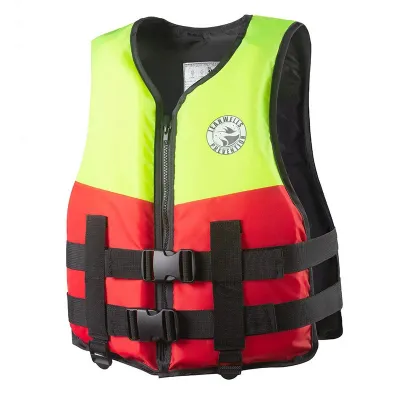
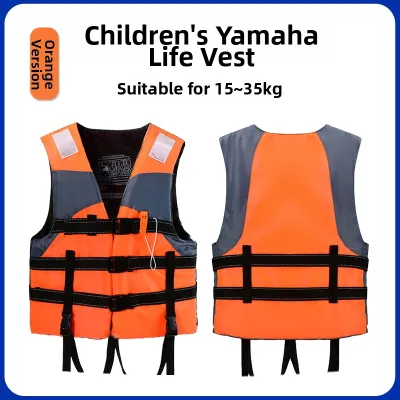
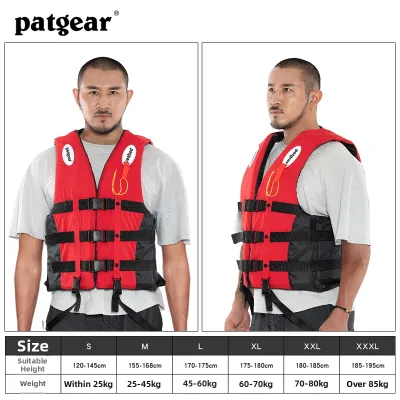
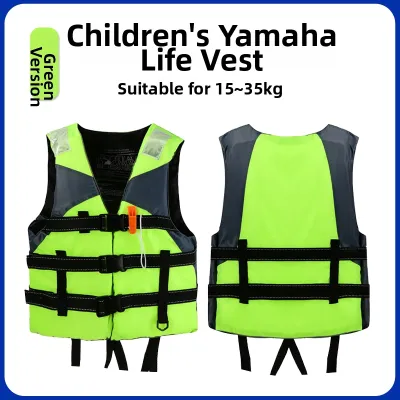
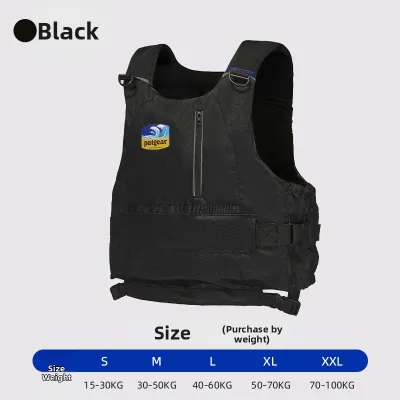
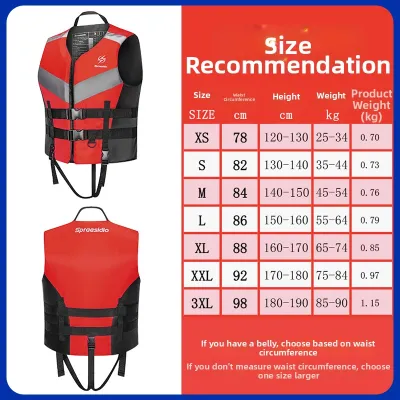
Prices are valid at publication and may change. Please refer to the product page for the latest price.
In contrast, inflatable life vests rely on compressed CO2 cartridges to inflate either automatically upon immersion or manually when you pull a cord. These vests are exceptionally low-profile and lightweight, keeping you cool during active sports, but they demand regular maintenance and active user intervention to deploy. Because of these operational differences, inflatables are not suitable for high-impact activities or weak swimmers.
Buoyancy is the force required to keep your head and chin above water, typically measured in Newtons (N) or pounds of lift. When shopping, always look at the manufacturer’s label printed on the inside of the vest to verify official safety certifications, weight capacity, and chest size. A vest that does not match your chest measurement will either ride up dangerously or restrict your breathing.
Do not rely on brand names, aesthetic designs, or fabric materials as guarantees of safety performance. You must verify the specific product specifications and ensure they comply with local maritime regulations. In the Philippines, the Philippine Coast Guard (PCG) sets safety standards for vessel passengers and water sports participants, so verifying compliance before you head out is a necessary safety step.
Matching the Right Adult Life Vest to Your Water Sport
Each water sport presents unique physical demands, movement patterns, and fall risks. A vest designed for one activity can be uncomfortable or even dangerous if used in another.

Kayaking and Canoeing
Paddling requires repetitive, wide-ranging upper body movements that can easily cause painful chafing if your gear does not fit correctly. If you wear a standard, bulky recreational vest, the thick foam side panels will rub against your inner arms with every stroke. Look for an adult life vest specifically designed for paddlesports, which features exceptionally large armholes and narrow chest panels to allow a full, natural range of motion.
Seating comfort is another critical factor when paddling. Kayaks and canoes typically feature high seat backs that can push a standard life vest upward, forcing the collar against the back of your head. To prevent this, choose a vest with a high-back foam design or a mesh-back lower section. The mesh sits flat against the seat back and provides excellent ventilation in humid conditions, while the flotation foam is concentrated on the upper back, clear of the seat.
Additionally, verify that the vest has highly adjustable shoulder and torso straps. These adjustment points allow you to customize the fit to your body shape, preventing the vest from riding up toward your chin when you sit down or paddle through choppy river currents.
Jet Skiing and Wakeboarding
High-speed water sports expose you to sudden, high-velocity impacts with the water surface. At these speeds, falling off a jet ski or wakeboard can cause significant physical trauma, and the force of the water can easily rip a loose vest right off your body. For these activities, you must prioritize impact protection and structural security over maximum breathability.
Choose an inherently buoyant foam vest constructed with heavy-duty materials, multiple webbed straps with secure buckles (typically three or four), and robust zippers. Many high-speed vests feature segmented foam panels that wrap tightly around your torso, offering a degree of impact resistance to your ribs and back while remaining flexible enough for active riding.
Never use inflatable life vests for jet skiing, wakeboarding, or water skiing. The violent impact of a high-speed fall can damage the inflatable bladder, prevent proper deployment, or cause physical injury if the vest inflates unexpectedly during a fall. A snug, slightly restrictive fit is a critical safety feature in this scenario, not a comfort flaw, as it ensures the vest remains firmly in place to keep your head above water if you are temporarily dazed.
Stand-Up Paddleboarding (SUP) and Surfing
Stand-up paddleboarding and surfing require continuous balance, core twisting, and bending to navigate swells and maintain stability. A bulky, rigid vest can throw off your center of gravity and make it difficult to climb back onto your board after a fall. For these sports, a low-profile, flexible foam vest is ideal, as it hugs the body closely without restricting your core mobility.
For flatwater SUP in calm, sheltered waters like quiet lakes or slow-moving rivers, belt-pack or waist-style inflatable life vests are popular options. These sit out of the way around your waist like a small pack, leaving your upper body completely free. However, before choosing an inflatable option, you must verify local waterway laws and honestly assess your personal swimming competence.
It is vital to establish a clear safety boundary: inflatable vests require manual activation to inflate, making them entirely unsuitable for rough surf, strong coastal currents, or non-swimmers. If you are knocked unconscious or panic in rough water, a manual inflatable vest cannot save you. In challenging ocean conditions or if you are not a strong swimmer, always default to an inherently buoyant foam vest.
Essential Fit Testing and Pre-Water Safety Checks
Once you select an adult life vest, you must verify its fit before entering the water. Put the vest on over the clothing you plan to wear, zip it up, and tighten all straps starting from the waist and moving upward to the shoulders. Once secured, perform the “pull test” by having a partner grasp the shoulder straps of the vest and pull firmly upward, or do it yourself by pulling up from the armholes. If the vest slides up past your nose, chin, or ears, it is too loose or too large; you must tighten the straps further or try a smaller size.
Before every single outing, conduct a thorough physical inspection of your safety gear. Examine all zippers, buckles, and plastic clips to ensure they snap shut securely and do not slip under tension. Inspect the fabric and webbing for signs of UV damage, fraying, or saltwater corrosion, which can severely weaken the structural integrity of the vest. If you notice any tears in the outer fabric that expose the internal foam, or if the straps are brittle, the vest must be retired immediately.
Always keep in mind the fundamental safety boundary: an adult life vest is a flotation aid, not a substitute for swimming proficiency, situational awareness, or sound judgment. No piece of equipment can replace proper training, water safety knowledge, or the common sense to abort an activity when faced with worsening weather, physical fatigue, or equipment malfunctions. Always check local marine forecasts and water conditions before heading out.
Can One Life Vest Work for Multiple Water Sports?
If you participate in several different water activities, you might wonder if a single purchase can do it all. A standard, general-purpose foam vest (often classified as a recreational vest) can indeed suffice for casual, low-intensity activities. If your primary uses are casual boating, calm-water paddleboarding, and occasional light kayaking, a versatile, mid-range foam vest will serve you well across these scenarios.
However, there are hard safety and performance limits to this compromise. A vest optimized for kayaking, with its high-back mesh and open sides, will lack the multi-buckle impact security and rib protection required for high-speed jet skiing. Conversely, a heavy, snug-fitting jet ski vest will quickly exhaust you if you try to paddle a kayak or balance on a paddleboard for several hours, as it lacks the necessary ventilation and arm clearance.
Use a simple decision framework: identify your primary, most frequent water sport. If you jet ski 80% of the time and only occasionally paddle a kayak, purchase a high-quality, impact-rated jet ski vest first, and consider renting a specialized paddling vest when needed. Never compromise your safety in high-risk, high-speed scenarios for the sake of convenience or to save a few pesos.
Frequently Asked Questions (FAQ)
Do I need a different life vest for saltwater versus freshwater?
No, the core buoyancy and safety ratings of an adult life vest remain identical whether you are in saltwater or freshwater. However, saltwater is highly corrosive to zippers, buckles, and fabric fibers over time. After every use in the ocean, you must thoroughly rinse the vest with clean, fresh water and hang it to dry completely in a well-ventilated, shaded area out of direct sunlight to prevent hardware degradation and mold growth.
How do I know when it is time to replace my adult life vest?
Inspect your vest regularly for clear signs of wear and tear. You must replace your vest immediately if you observe compressed, hardened, or waterlogged foam that fails to rebound when squeezed, or if the outer fabric is faded, brittle, or torn. Additionally, if the straps are frayed, the buckles are cracked, or the vest no longer passes the shoulder pull test, it can no longer guarantee your safety and must be replaced.
Community discussion
Share your experience or ask a question. Comments are reviewed before publication.