
Finding the right goggles swimming for adults depends heavily on your specific swimming style, environment, and frequency. A casual dip in a resort pool requires a completely different design than a high-intensity training session in a chlorinated lap pool or a long-distance swim in open coastal waters. Choosing the wrong pair can lead to painful pressure marks, persistent leaks, or fogged lenses that disrupt your rhythm.
The primary trade-off when selecting goggles lies between comfort and hydrodynamics. Larger, cushioned goggles offer a wide field of vision and a soft, pressure-dispersing seal, making them ideal for relaxed swimming. Conversely, low-profile competitive goggles prioritize speed and security during dives and turns, sacrificing long-term comfort for minimal water resistance. Understanding where your routine falls on this spectrum is the first step to a leak-free swim.
| Swim Profile | Ideal Goggle Type | Key Features | Primary Benefit |
|---|---|---|---|
| Casual / Leisure | Recreational | Large silicone gaskets, wide frame, clear lenses | Maximum comfort and easy adjustment |
| Regular Laps / Fitness | Fitness & Lap | Mid-sized frame, durable anti-fog, split strap | Balanced comfort, durability, and secure seal |
| Sprints / Competition | Racing / Technical | Ultra-low profile, rigid or minimal gaskets | Minimum drag and zero slippage during dives |
| Ocean / Lakes / Triathlons | Open Water | Wide-angle curved lenses, polarized/mirrored | High visibility, glare reduction, and sighting |
Assess Your Swimming Habits and Environment
Before browsing different designs, evaluate how often you swim and where you spend most of your time in the water. Occasional swimmers who visit a pool once or twice a month have very different durability and comfort needs than fitness enthusiasts logging several kilometers a week. Regular exposure to pool chemicals or natural elements accelerates wear on goggle components, making material choices critical for frequent swimmers.
Products mentioned in this guide
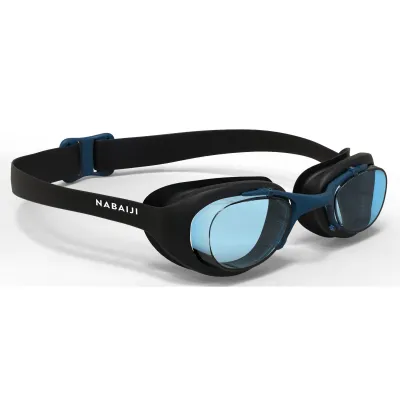
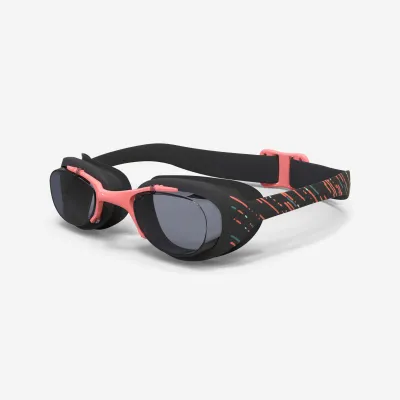
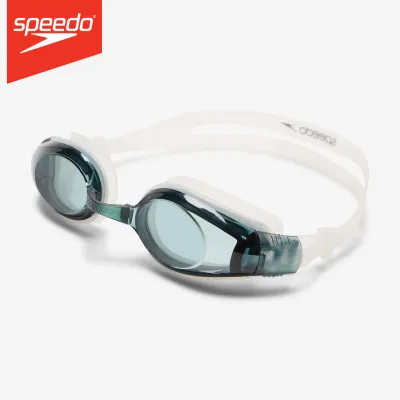
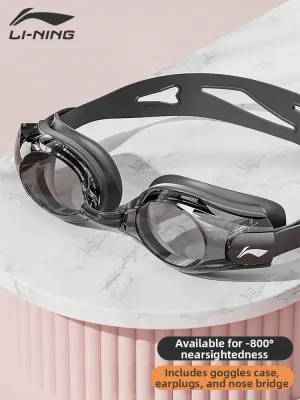
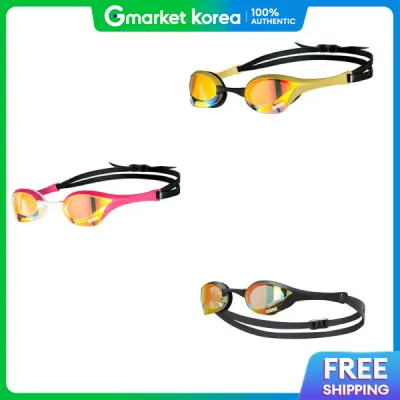
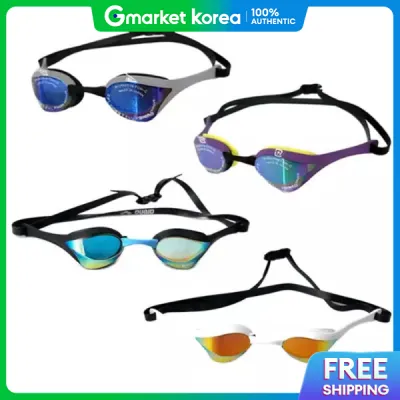
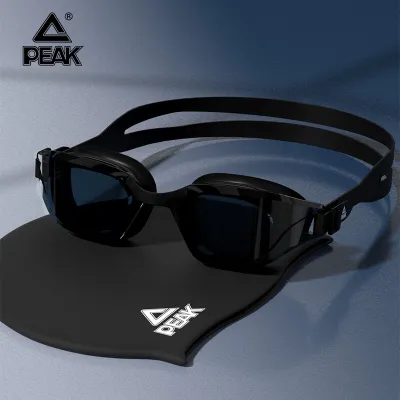
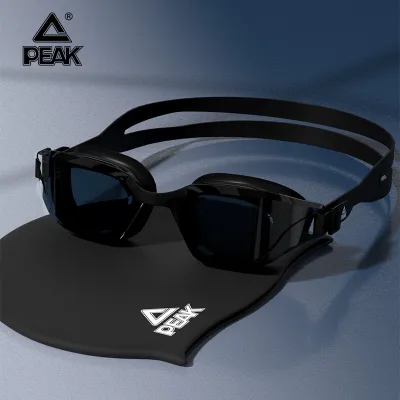
Prices are valid at publication and may change. Please refer to the product page for the latest price.
Your swimming environment dictates your lens and frame requirements. Indoor pools with consistent overhead lighting require clear or lightly tinted lenses to maintain visibility. Outdoor pools exposed to intense tropical sunlight require high UV protection and dark or mirrored lenses to prevent eye strain. If you swim in open water, such as the coastal waters of Batangas or open lakes, you face shifting light, surface glare, and suspended particles, which demand specialized optical features.
Your performance goals also play a major role in your decision. If you swim primarily for cardiovascular fitness or endurance, a stable, comfortable seal that does not need constant adjustment is your top priority. If your goal is speed, shaving off fractions of a second requires a hydrodynamic, low-profile frame that sits tightly within the eye socket. For open-water navigation, peripheral vision is paramount so you can spot buoys, landmarks, or other swimmers without turning your head excessively.
To help identify your primary needs, review this quick self-assessment checklist:
- Frequency Check: Do you swim occasionally (leisurely wading), regularly (1–3 times a week for fitness), or intensely (daily training or racing)?
- Location Check: Is your primary venue an indoor pool, an outdoor pool with high sun exposure, or natural open water?
- Comfort vs. Speed: Do you prioritize a soft, pressure-free fit over a tight, ultra-low-profile design?
- Budget Range: Are you looking for an affordable entry-level pair (typically under ₱500), a durable mid-range training pair (₱800 to ₱1,800), or a premium technical model (₱2,000+)?
Match Your Profile to the Right Goggles Swimming for Adults
Recreational Goggles for Casual Pool Swimmers
Recreational goggles are designed primarily for comfort, ease of use, and short-duration wear. These models feature large eye cups with thick, soft silicone gaskets that sit on the outer fleshy areas of the eye socket. This design distributes suction pressure over a wider surface area, significantly reducing the deep, red ring marks often left by tighter models.

These goggles typically use simple, wide straps with quick-adjust side buckles that can be tightened or loosened with a single touch. While they are highly comfortable for casual wading, light swimming, or water aerobics, they are not built for high-speed activity. The bulky frames create substantial water resistance, meaning they are prone to shifting, leaking, or slipping off entirely during fast push-offs, flip turns, or dives.
Fitness and Lap Goggles for Regular Training
Fitness and lap goggles serve as the versatile middle ground for adult fitness swimmers who log regular weekly laps. They feature mid-sized eye cups that strike a balance between the plush comfort of recreational models and the streamlined shape of racing goggles. The gaskets are typically made of high-grade silicone that conforms reliably to various facial structures without requiring excessive strap tension.
These models are built to withstand the degrading effects of chlorinated water over months of regular use. They feature reliable factory-applied anti-fog coatings and secure split-strap designs that keep the goggles stable during continuous lap swimming. For the average adult swimmer looking for a dependable, leak-free companion for 45-to-60-minute workouts, fitness goggles offer the best performance-to-comfort ratio.
Competitive Racing Goggles for Meets and Sprints
Competitive racing goggles are highly specialized tools engineered to minimize hydrodynamic drag. They feature an ultra-low-profile design, with some traditional models (like Swedish goggles) omitting rubber gaskets entirely, relying instead on a hard plastic rim that sits directly inside the orbital bone. Modern racing models use extremely thin, low-profile silicone gaskets to provide a minimal seal while maintaining a flat profile.
Because they sit deep within the eye socket, racing goggles are exceptionally secure and will not dislodge during high-velocity dive entries or explosive sprint finishes. However, this hydrodynamic security comes at the cost of comfort. The rigid, tight fit can cause eye fatigue and discomfort during prolonged use, which is why coaches generally advise reserving these goggles for competitive meets or high-intensity sprint sets rather than daily, multi-hour endurance training.
Open Water Goggles for Lakes, Oceans, and Triathlons
Open-water swimming presents unique environmental challenges that standard pool goggles cannot resolve. Open-water goggles feature oversized, curved lenses that maximize peripheral vision, allowing swimmers to sight navigation buoys, spot shorelines, and stay aware of nearby swimmers. The frames are robust, often featuring reinforced gaskets to cushion the face against accidental kicks or elbow strikes during crowded triathlon starts.
These goggles prioritize advanced lens technologies, such as polarization, to block the harsh horizontal glare reflecting off the water surface. They also feature heavy-duty, dual-silicone straps and secure locking mechanisms to ensure the goggles are not swept away by ocean waves or choppy currents.
Safety Warning: Open-water swimming carries inherent environmental risks, including unpredictable currents, varying depths, and changing weather conditions. Goggles are designed solely to assist with underwater visibility and eye protection; they do not provide buoyancy, navigation assistance, or safety rescue. Always swim with a partner, use a high-visibility safety buoy, and ensure your swimming competency matches the water conditions before entering open water.
Fine-Tune Your Fit, Seal, and Lens Choice
The Suction Test
Before purchasing any pair of goggles, perform a dry suction test to verify that the frame shape matches your unique facial structure. Press the goggle eye cups firmly against your eye sockets without putting the strap over your head. Gently let go of the frame; if the goggles stick to your face for a few seconds through natural suction alone, the gasket shape is a good match for your orbital bone structure. If they fall off immediately, air is escaping through gaps, meaning the goggles will likely leak once you get into the pool.
Strap Adjustments
Proper strap placement is essential for maintaining a watertight seal without causing headaches or pulling your hair. Split-strap systems should be positioned with one strand high on the crown of the head and the other resting lower, near the middle of the back of the head, to distribute tension evenly. Single-strap systems should sit horizontally at eye level. Avoid overtightening the straps to stop a leak; if you must pull the straps painfully tight to prevent water entry, the frame shape is incorrect for your face, and overtightening will only lead to bruising and eye strain.
Lens Tints and Coatings
Choosing the correct lens tint ensures optimal visibility and eye comfort in your specific swimming venue. Refer to the manufacturer’s lens specifications to match your environment:
- Clear or Light Blue Lenses: Ideal for indoor pools, covered sports complexes, or early morning swims where light levels are low.
- Smoke or Grey Lenses: Provide moderate light reduction, suitable for overcast outdoor pools or bright indoor facilities.
- Mirrored Lenses: Reflect bright light away from the eyes, making them excellent for sunny outdoor pools or midday training sessions.
- Polarized Lenses: Specifically filter out glare from horizontal surfaces, making them the gold standard for open-water navigation and outdoor triathlons.
Prescription Options
Adult swimmers with myopia should avoid wearing standard contact lenses in the water, as pool chemicals and natural water sources can trap harmful bacteria and pathogens against the cornea, increasing the risk of severe eye infections. Instead, look for step-diopter prescription swimming goggles. Many manufacturers offer pre-made optical goggles in standard negative diopters (ranging from -1.5 to -8.0), providing a safe, clear, and highly affordable visual solution for near-sighted swimmers.
Maintain Your Goggles and Know When to Replace
Proper post-swim care is the most effective way to protect your goggles from the damaging effects of chlorine, salt, and body oils. After every swim, rinse your goggles thoroughly in clean, cool tap water to wash away chemical residues or salt crystals. Never use dish soap, alcohol, or abrasive cleaners on the lenses, as these substances will instantly destroy the delicate factory-applied anti-fog coating.
Allow your goggles to air dry completely in a shaded, well-ventilated area before storing them. Never wipe or rub the inside of the lenses with your fingers, towels, or shirts, as even soft microfiber cloths can scratch the anti-fog layer and leave behind lint. Once dry, store your goggles in a hard, breathable protective case to prevent scratches from other gear in your swim bag. Avoid leaving your goggles in direct sunlight, hot cars, or humid bathrooms, as extreme heat and UV exposure will cause the silicone gaskets and straps to become brittle, warp, and lose their sealing ability.
Even with meticulous care, goggle materials degrade over time under regular use. Inspect your gear periodically for diagnostic signs that it is time for a replacement. If your goggles leak persistently despite proper strap adjustments, or if the silicone gaskets feel sticky, hard, or exhibit fine cracks, the material has degraded. Deep scratches that impair your forward or peripheral vision, or an anti-fog coating that no longer responds to temporary anti-fog drops, are clear indicators that you should invest in a new pair to maintain safety and comfort in the water.
Frequently Asked Questions (FAQ)
Why do my swimming goggles leave deep marks around my eyes?
Deep, painful marks around the eyes are typically caused by an improper frame fit or overtightened straps. When the goggle gasket does not match your facial bone structure naturally, swimmers often overtighten the straps to force a seal. This places excessive, concentrated pressure on the delicate skin and blood vessels around the orbital bone. Switching to a goggle with a larger, softer silicone gasket or a different nose bridge width can help distribute the pressure more evenly.
Can I use competitive racing goggles for everyday lap swimming?
While you can use competitive racing goggles for daily lap swimming, it is generally not recommended for long-distance comfort. Racing goggles are designed with rigid, ultra-low-profile frames that sit deep inside the eye socket to minimize drag. Over a long fitness session, this tight, hard fit can cause significant eye fatigue, pressure headaches, and bruising. Most fitness swimmers find that mid-profile training goggles offer a much more comfortable, sustainable seal for daily workouts.
How do I prevent my swimming goggles from fogging up?
To prevent fogging, always rinse your goggles in fresh, cool water after use and avoid touching or wiping the inside of the lenses, which scratches the factory anti-fog coating. If the original coating wears off over time, you can apply a dedicated, manufacturer-approved anti-fog spray or a highly diluted drop of baby shampoo to the inside of the lenses before your swim, rinsing it out gently with pool water just before putting them on. Always follow the manufacturer’s care instructions to avoid damaging the lens materials.
Community discussion
Share your experience or ask a question. Comments are reviewed before publication.