
To choose the right adult swimming goggles, you must match the goggle’s design, lens type, and fit to your specific swimming environment and activity level. Whether you are swimming laps in a chlorinated pool or training in open tropical waters, the right pair prevents leaks, blocks glare, and remains comfortable. Investing a few minutes to understand how different designs accommodate various facial shapes and swimming styles will save you from the frustration of constant adjustments, water leakage, and eye fatigue.
Finding the perfect goggles swimming adult athletes and recreational swimmers rely on is essential for clear vision and comfort. The market offers a wide array of options, ranging from sleek, low-profile racing models to comfortable, mask-like goggles designed for casual lounging. By identifying your primary swimming style first, you can narrow down the choices to the specific features that will support your time in the water.
Identify Your Primary Swimming Style and Environment
Your swimming routine dictates the exact features you need in a pair of goggles. A swimmer focusing on high-intensity lap swimming has vastly different requirements than someone enjoying a relaxed weekend at a resort. Before browsing through different models, evaluate where and how you swim most frequently.
Products mentioned in this guide
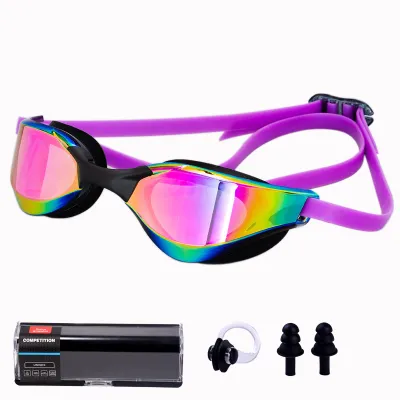
![YUPARD [COD] Anti-Fog and Anti-Leak Swimming Goggles Mirrored Lens UV Protection Easy-Adjust Silicone Strap with EarPlug Adult Men Women](https://img.lazcdn.com/g/p/a09b7a9ee517fc57a6c47f1cbb06e581.jpg_400x400q80.jpg_.webp)
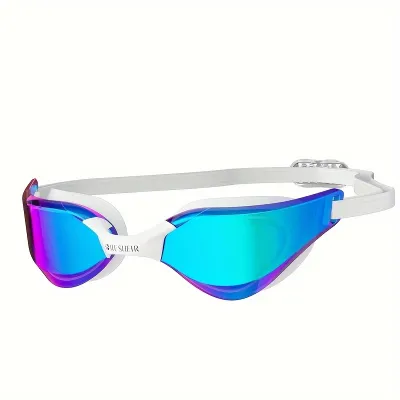
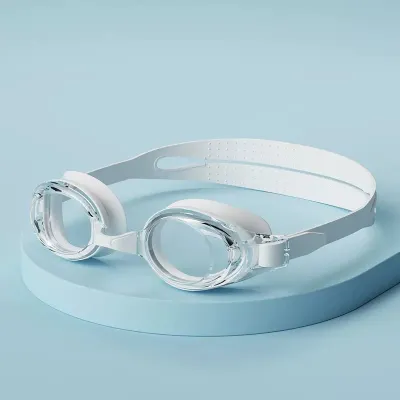
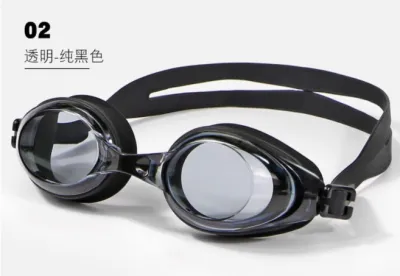
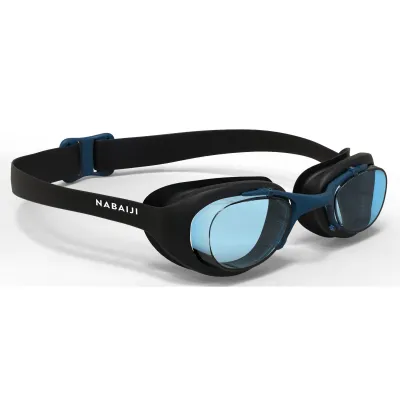
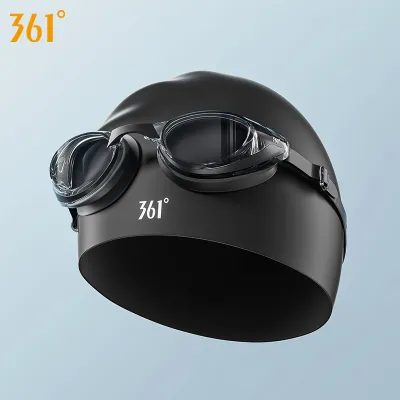
Prices are valid at publication and may change. Please refer to the product page for the latest price.
If your routine consists of structured lap swimming or swim training in a local sports complex, your primary needs will be hydrodynamics, a secure fit during flip turns, and a clear view of the pool lanes. These activities require a snug, low-profile design that minimizes water resistance. Because indoor pools are typically lit by overhead fluorescent lights, the focus is on maximizing clarity rather than blocking sunlight.
For casual or recreational swimmers, comfort is the ultimate priority. If you spend your pool time doing light water aerobics, playing with family, or simply cooling off, you do not need to worry about hydrodynamic drag. Instead, you want a pair of goggles that feels soft on your skin, does not leave deep red marks around your eyes, and is easy to put on and take off.
Swimming outdoors in the tropical climate of the Philippines introduces unique environmental challenges. The intense sunlight, high UV radiation, and harsh glare off the water’s surface require specialized eye protection. Whether you are training in open water or swimming in an outdoor resort pool, your goggles must act like sunglasses, shielding your eyes from harmful rays and reducing glare so you can navigate safely.
Match the Goggles Swimming Adult Users Need to Their Specific Style
Once you have diagnosed your primary swimming style and environment, you can map your needs to one of the three main categories of adult swimming goggles. Each category features distinct design choices tailored to specific aquatic activities.

Low-Profile and Swedish Goggles for Lap and Fitness Swimmers
Competitive and fitness swimmers prioritize speed, stability, and minimal drag. Low-profile training goggles feature a very thin, dense silicone gasket that sits snugly inside the eye socket. This minimalistic design keeps the goggles close to your face, preventing them from catching the water and shifting during fast intervals, dives, or rapid breathing cycles.
Swedish goggles, often referred to as “Swedes,” represent the most classic, ultra-low-profile design. They consist of hard plastic lenses with no rubber or silicone gasket, sitting directly against the orbital bone. While they offer unparalleled hydrodynamics and a highly customizable fit—often requiring you to assemble the nose bridge yourself using a string and a small silicone tube—they can cause discomfort or fatigue during long, slow swimming sessions if your facial structure is not accustomed to the hard plastic.
Comfort and Mask-Style Goggles for Recreational Swimmers
If your priority is a relaxed, pain-free swim, comfort-focused goggles or mask-style designs are the ideal choice. These models feature thick, soft gaskets made of hypoallergenic liquid silicone. Instead of sitting inside the sensitive eye socket, these larger gaskets rest on the outer orbital bones of your face, distributing the pressure over a much wider surface area.
This design significantly reduces the localized pressure that causes post-swim “goggle eyes” or red rings around the face. Additionally, mask-style goggles feature larger, slightly curved lenses that provide a wide, panoramic field of view. This expanded visibility is perfect for casual swimming, snorkeling, or keeping an eye on your surroundings without feeling restricted by narrow lenses.
Open Water and Triathlon Goggles for Outdoor Swimmers
Before heading into open water, it is vital to recognize that specialized gear cannot replace proper open-water training, physical conditioning, or sound judgment. Always assess your swimming ability limits, check local weather and tide forecasts, use a highly visible safety tow float, and never swim alone. If you experience extreme currents, sudden fatigue, or equipment failure, prioritize safety and return to shore immediately.
For those who are prepared for the open sea or outdoor training, specialized open-water and triathlon goggles are indispensable. These goggles feature curved lenses that offer wide peripheral vision, allowing you to sight buoys, navigate currents, and monitor nearby swimmers without constantly turning your head.
To withstand choppy waves and active ocean conditions, open-water goggles utilize robust, split-strap systems made of high-grade silicone that grip your swim cap securely. The frames are typically slightly larger than pool-racing goggles to absorb accidental impacts from other swimmers during crowded mass starts. Crucially, their lenses are optimized with mirrored or polarized coatings to combat the blinding tropical sun.
Check Fit, Seal, and Facial Compatibility
No matter how advanced or expensive a pair of goggles is, it will leak and cause discomfort if it does not match your unique facial anatomy. Because facial structures vary widely in nose bridge height, eye socket depth, and cheekbone prominence, you must verify the fit before committing to a pair.
- The Suction Test: You can easily test the seal of a pair of goggles without even using the strap. Gently press the goggle cups against your eyes, pushing out the air inside to create a light vacuum. Release your hands; if the goggles stick to your face and maintain a suction seal for two to three seconds before falling off, they are a good match for your facial structure. If they pop off instantly, air is leaking through a gap, meaning water will inevitably enter when you swim.
- Nose Bridge Compatibility: The nose bridge plays a critical role in maintaining a leak-free seal. Goggles generally come with either interchangeable nose bridges (usually three to five different plastic pieces of varying lengths) or a flexible, self-adjusting nose bridge. If the nose bridge is too wide, the eye cups will sit too far apart, causing leaks at the outer corners of your eyes. If it is too narrow, the goggles will pinch your nose and cause leaks at the inner corners.
- Pressure Point Check: Wear the goggles with the strap adjusted to a comfortable tension for a few minutes. Pay close attention to any localized pain, pinching, or uneven pressure. The silicone gasket should seal smoothly and evenly across your skin without digging painfully into your orbital bone or the delicate area directly under your eyes.
- Strap Placement and Tension: A common mistake is over-tightening the head strap to force a seal on a poorly fitting pair of goggles. This causes headaches, eye strain, and accelerates the wear of the silicone gaskets. The strap's purpose is simply to keep the goggles in position, not to create the seal. For the most secure fit, split the strap at the back of your head, positioning one band high on the crown and the other lower down to distribute the tension evenly.
Evaluate Lens Options for Visibility and Eye Protection
Selecting the right lens tint and coating is essential for maintaining clear visibility and protecting your eyes from environmental hazards. Your choice should be guided directly by where you plan to swim.
- Clear Lenses: These allow maximum light transmission, making them the best option for indoor pools, covered sports complexes, or early morning and night swims. They provide an unaltered view of your surroundings but offer no protection against bright light or glare.
- Tinted or Smoke Lenses: Acting similarly to sunglasses, tinted lenses reduce overall brightness without distorting colors. They are highly versatile, making them suitable for bright indoor pools with harsh overhead lighting or overcast outdoor days.
- Mirrored Lenses: These lenses feature a reflective coating that bounces light away from your eyes. They are highly recommended for bright, sunny outdoor pools and open-water swimming under the intense midday sun, as they significantly reduce glare and eye strain.
- Polarized Lenses: Polarized lenses contain a special filter that blocks horizontal light waves, eliminating the blinding glare reflected off the water's surface. This is a game-changer for open-water swimmers and triathletes who need to spot distant buoys, landmarks, or underwater obstacles clearly against the shimmering sea.
- Anti-Fog Maintenance: The high relative humidity in tropical environments accelerates fogging due to the temperature difference between your warm face and the cooler water. While most goggles come with a factory-applied anti-fog coating, this coating degrades over time. To preserve it, never touch or wipe the inside of the lenses with your fingers, towels, or clothing. Always rinse your goggles with clean, fresh water after every swim, let them air dry completely in the shade, and store them in a protective, breathable case. If the original coating wears off, you can apply manufacturer-approved anti-fog drops or sprays before your swim.
- Prescription Options: Swimmers who require vision correction can opt for prescription swimming goggles, also known as optical goggles. These are widely available in step-diopter ranges (typically from -1.5 to -8.0). Before purchasing, verify the manufacturer's available diopter options to find a match for your prescription, or consult an eye care professional for custom-made lenses.
When planning your budget, swimming goggles generally fall into three broad price bands: budget-friendly options under ₱500, mid-range performance goggles between ₱800 and ₱1,800, and premium polarized or specialized racing goggles exceeding ₱2,500. Choosing a pair within your budget that matches your specific swimming style and fits your face securely will ensure a comfortable, leak-free, and enjoyable experience in the water.
Frequently Asked Questions (FAQ)
How do I prevent my swimming goggles from fogging up in humid weather?
To prevent fogging in humid climates, rinse your goggles in fresh water before putting them on to balance the temperature. Avoid touching or wiping the inside of the lenses, as this scratches the delicate anti-fog coating. If the factory coating has degraded, apply a drop of commercial anti-fog spray, spread it gently, rinse lightly, and wear.
Should I buy different goggles for indoor and outdoor swimming?
If you swim in both environments regularly, owning two pairs is highly beneficial. Clear or lightly tinted lenses are ideal for indoor pools with artificial lighting. For outdoor swimming under the intense tropical sun, mirrored or polarized lenses are essential to protect your eyes from UV rays and eliminate surface glare.
How often should adult swimming goggles be replaced?
Rather than following a strict timeline, replace your goggles when you observe physical signs of degradation. Look for cracked or brittle silicone gaskets, straps that have lost their elasticity and slip during swims, or heavily scratched lenses that impair your vision. If your goggles consistently leak despite adjustments, the seal has likely degraded and requires replacement.
Community discussion
Share your experience or ask a question. Comments are reviewed before publication.