
Selecting the right Aeroplane shuttlecock model for your badminton sessions depends heavily on where you play. Outdoor barangay courts, often exposed to unpredictable wind and rough concrete, demand a highly durable shuttlecock that can withstand physical impact and maintain a stable path despite crosswinds. Conversely, indoor gymnasiums with controlled airflow allow you to prioritize aerodynamic precision, consistent speed, and delicate control.
To get the most out of your games, you must match the physical specifications of the shuttlecock—such as feather type, cork composition, and speed rating—to the specific environmental challenges of your venue. Choosing the wrong model can lead to rapid feather degradation on outdoor concrete or erratic flight paths indoors, which ultimately increases your gear expenses and disrupts your play.
Assessing Court Conditions and Environmental Factors
Playing badminton in the Philippines presents unique environmental challenges that directly affect how a shuttlecock behaves in the air. Open-air barangay courts are subject to constant atmospheric changes, particularly wind currents and drafts. Even a light breeze can push a lightweight, high-precision shuttlecock off its intended trajectory, forcing players to adjust their shots constantly. Indoor gyms, by contrast, isolate the court from external airflow, allowing the shuttlecock to follow a predictable, clean flight path determined solely by your racket stroke.
Products mentioned in this guide
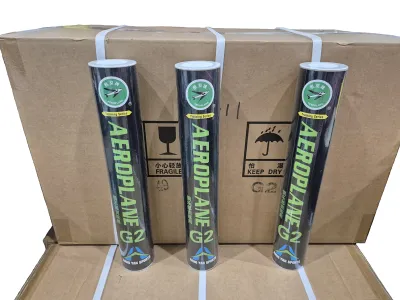


Prices are valid at publication and may change. Please refer to the product page for the latest price.
Humidity and temperature also play a massive role in shuttlecock performance. High tropical humidity adds moisture to the air, which can be absorbed by the feathers, making the shuttlecock heavier and slower over time. Conversely, dry heat can make the feathers brittle, causing them to crack or splinter upon impact. In an indoor setting, air conditioning or ventilation systems help maintain a more stable humidity level, whereas outdoor courts expose the shuttlecock to the full force of daily weather fluctuations.
The playing surface itself dictates how much wear and tear the shuttlecock will endure. Outdoor courts are typically made of rough concrete or asphalt, which acts like sandpaper when the shuttlecock scrapes against the ground during low defensive saves or accidental drops. Indoor courts usually feature smooth wooden floors or synthetic rubber mats. These indoor surfaces minimize abrasive friction, preserving the delicate tips of the feathers and extending the overall lifespan of each shuttlecock during intense rallies.
Decoding Aeroplane Shuttlecock Specifications
Understanding the technical specifications on an Aeroplane shuttlecock tube helps you make an informed purchase. The primary distinction lies in the type of feathers used, typically goose or duck feathers. Goose feathers are generally stronger, stiffer, and offer excellent aerodynamic consistency, making them the standard for competitive play. Duck feathers, while slightly less consistent in flight over long distances, offer excellent flexibility and impact resistance, which can be highly advantageous in casual or high-wear environments.

The cut of the feather also influences how the shuttlecock spins and slows down in flight. Full-round feathers provide a smooth, even surface that catches the air predictably, resulting in a stable deceleration after a hard smash. Modified or square-cut feathers may offer different flight characteristics and are often utilized in models designed to balance cost and durability. Inspecting the feather alignment and shaft thickness on the packaging can give you a clear indication of how the model will handle high-velocity impacts.
The cork head is another critical component that determines the feel of the racket hit and the weight distribution of the shuttlecock. Natural cork, harvested from oak bark, offers high elasticity, giving players a crisp feel and excellent energy transfer. Composite or synthetic cork heads, which combine natural cork particles with synthetic resins or foam, are more uniform and highly durable. These composite options are less prone to cracking when mis-hit, making them a practical choice for recreational games where durability is prioritized over tournament-grade feedback.
Speed ratings, typically marked as numbers like 76, 77, or 78 on the tube, indicate how fast the shuttlecock travels under specific temperature and altitude conditions. Lower numbers like 76 are designed for hot, high-altitude areas where the air is thin and warm, causing the shuttlecock to fly faster naturally. Higher numbers like 78 are suited for cooler, sea-level environments where denser air slows the shuttlecock down. In the warm, humid climate of the Philippines, speed 76 or 77 is commonly preferred to prevent the shuttlecock from flying out of bounds too easily.
Matching Shuttlecock Features to Your Venue
When preparing for a match on an outdoor concrete barangay court, durability should be your primary selection criterion. Look for Aeroplane models that feature thick, sturdy duck feathers and composite cork heads. These materials can absorb the harsh impacts of concrete scrapes and off-center hits without immediately losing their shape. While you may experience a slight reduction in flight precision compared to premium tournament models, the extended lifespan of the shuttlecock makes this a highly cost-effective compromise for casual outdoor recreational play.
For indoor gymnasiums, especially during organized tournaments or competitive club matches, flight consistency and control are paramount. In these controlled environments, selecting premium Aeroplane models crafted from high-grade goose feathers and solid natural cork is highly recommended. The natural cork head ensures that every smash, drop shot, and clear behaves exactly as expected, allowing players to execute advanced techniques with confidence. The absence of wind means you can fully appreciate the aerodynamic design and precise weight distribution of these top-tier models.
When browsing online marketplaces or local sports shops, take the time to read product descriptions and customer feedback regarding real-world durability. Look for comments from local players who specifically mention how well a particular model holds up on outdoor courts or whether the feathers tend to ruffle easily after a few smashes. This practical feedback can help you verify the manufacturer’s claims and avoid purchasing delicate indoor models for rugged outdoor use.
Ultimately, choosing the right shuttlecock involves assessing your budget and playing frequency. If you play daily on an outdoor court, using premium goose-feather shuttlecocks will quickly become expensive as the rough surface and wind wear them down. Reserving your high-end Aeroplane models for indoor sessions and opting for more robust, budget-friendly variations for outdoor games ensures you get optimal value and performance out of every tube you buy.
Maintenance and Preparation for Local Climates
To maximize the lifespan of your Aeroplane shuttlecocks in a tropical climate, proper storage is essential. Keep the shuttlecock tubes stored vertically in a cool, dry place away from direct sunlight, which can dry out the natural oils in the feathers and make them brittle. Avoid leaving your gear bag in the trunk of a car or in hot outdoor sheds, as extreme heat can degrade the glue holding the feathers together and warp the cork head.
Steaming is a traditional and effective method used by players to restore moisture to dry feathers, making them more flexible and less likely to snap during play. To steam your shuttlecocks safely, expose the open end of the tube to gentle steam from a kettle for a few seconds, allowing the warm moisture to penetrate the feathers. Be careful not to over-humidify or get the cork head wet, as excess moisture can make the shuttlecock too heavy and ruin its flight balance. Stop the process immediately if the feathers appear soggy or if the adhesive begins to soften.
Before heading out to the court, perform a quick visual inspection of each shuttlecock. Check for any broken feather shafts, loose threads, or cracked glue joints around the base of the cork. A single damaged feather can cause the shuttlecock to wobble in the air, ruining its flight path and making your practice sessions less productive. Catching these minor defects early allows you to set aside damaged shuttlecocks for casual warm-ups and save your pristine ones for actual matches.
Frequently Asked Questions (FAQ)
Can I use the same Aeroplane model for both indoor and outdoor play?
While it is physically possible to use the same model, doing so involves significant trade-offs. Premium indoor-grade shuttlecocks will degrade very quickly on outdoor concrete courts due to abrasive surfaces and wind resistance, leading to high replacement costs. Conversely, using a heavy, highly durable outdoor shuttlecock indoors can result in a sluggish flight path and reduced control, which may hinder your ability to practice precise shots.
How does high humidity in the Philippines affect shuttlecock speed?
High humidity increases the moisture content in the air, which can be absorbed by the natural feathers of the shuttlecock. This added moisture increases the overall weight of the shuttlecock, causing it to fly slower and feel heavier on the racket. To compensate for this environmental factor, players in highly humid regions often check the speed labels on the tube and select a slightly lower speed rating, such as 76 or 77, to maintain a natural and consistent flight speed.
Community discussion
Share your experience or ask a question. Comments are reviewed before publication.