
Finding that your mountain bike feels twitchy on fast descents, sluggish around tight switchbacks, or causes persistent lower back pain often points to an improperly sized cockpit. Choosing the right alloy MTB stem requires matching the exact physical diameters of your fork’s steerer tube and handlebar clamp, then selecting a length and rise angle that balance your frame’s reach with your preferred riding style and terrain. While upgrading to a high-quality alloy stem can transform your control and comfort, guessing the dimensions can lead to incompatible parts or dangerous component failures. A methodical approach to measuring your current setup and understanding how geometry changes affect handling is the safest path to a dialed-in ride.
What steerer tube and handlebar clamp diameters do you need?
You need to match your stem’s steerer tube clamp to your fork’s steerer tube diameter, and its handlebar clamp to your handlebar’s central diameter exactly. Standard modern mountain bikes typically use a 1-1/8 inch (28.6 mm) steerer tube, while handlebar clamp diameters are almost exclusively 31.8 mm or 35 mm. Attempting to mix incompatible sizes will result in a cockpit that either cannot be assembled or is highly prone to sudden, dangerous slippage on the trail.
Most modern suspension forks feature a tapered steerer tube that measures 1.5 inches at the crown and tapers to 1-1/8 inches at the top where the stem clamps. Consequently, the vast majority of aftermarket alloy stems are designed with a 1-1/8 inch (28.6 mm) steerer clamp. Some older gravity-focused bikes or specific proprietary designs might utilize a straight 1.5-inch steerer tube, which requires a matching 1.5-inch stem. Before purchasing, verify your fork’s upper steerer tube diameter by consulting the manufacturer’s technical specifications or using a digital caliper to measure the exposed tube above your headset spacers.
Products mentioned in this guide
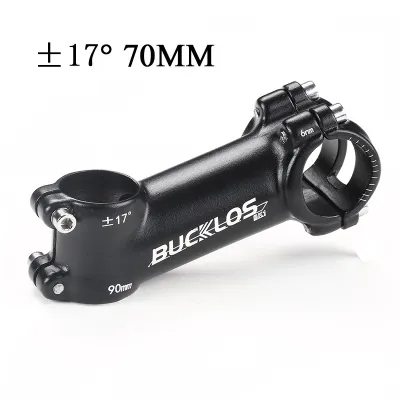
118 Lazada user ratings
it's good actually, it perfectly fits on my mtb great value for the price Durable and lightweight aluminum alloy, Easy to install and adjust…Read full reviewShow less
it's good actually, it perfectly fits on my mtb great value for the price Durable and lightweight aluminum alloy, Easy to install and adjust,
got the items nice and well packed. thank you seller and lazada for the voucher discount. will definitely order again
maluwag po mali po ng nabiling size gusto ko sana mapalitan ito
suoer ganda 5stars
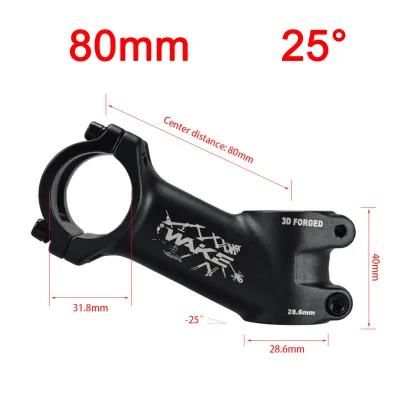
239 Lazada user ratings
Enhanced control and stability, Easy to install and adjust, Improved my riding experience, Perfect fit for my bike, Excellent value for the …Read full reviewShow less
Enhanced control and stability, Easy to install and adjust, Improved my riding experience, Perfect fit for my bike, Excellent value for the price, Durable aluminum alloy material, Sleek and stylish appearance, Lightweight and sturdy stem,
Durable aluminum alloy material, Lightweight and sturdy stem, Great design and build quality, Enhanced control and stability, Sleek and styl…Read full reviewShow less
Durable aluminum alloy material, Lightweight and sturdy stem, Great design and build quality, Enhanced control and stability, Sleek and stylish appearance, Easy to install and adjust,
Perfect fit for my bike, Improved my riding experience, Durable aluminum alloy material, Provides a comfortable riding position,
Easy to install and adjust, Improved my riding experience, Enhanced control and stability, Sleek and stylish appearance,
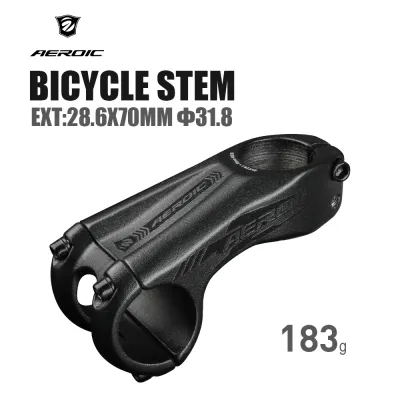
14 Lazada user ratings
Compatibility: For 28.6 - 31.8 fork and handle bars Ease of installation.: smooth as a silk....
🔨Durability:good 🔌Compatibility:compatible
satisfied customer maganda
goods goods gooods
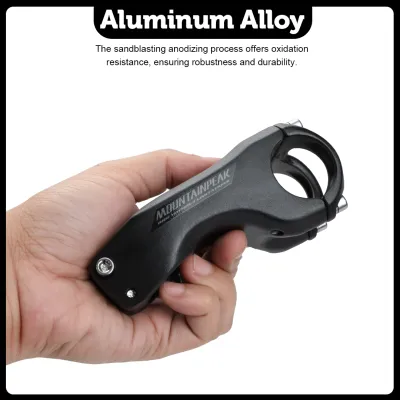
6 Lazada user ratings
Bicycle long stem 100mm Negative 17" Mtb Roadbike Stem Lightweight Alloy. High quality alloy with 3d forging.
all goods nmn medyo mahaba nga lng sa stock kong stem pero ok na din
🔨Durability:goods 🔌Compatibility:goods 🛠️Ease of Installation:goods
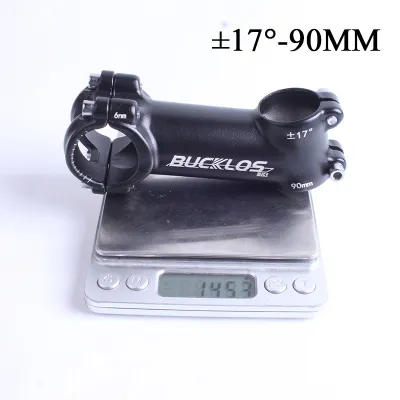
41 Lazada user ratings
Comes with multi-tool for installation, Precise fit for fork steerer tube, Lightweight aluminum alloy stem,
bad trip may sira
🔨Durability:
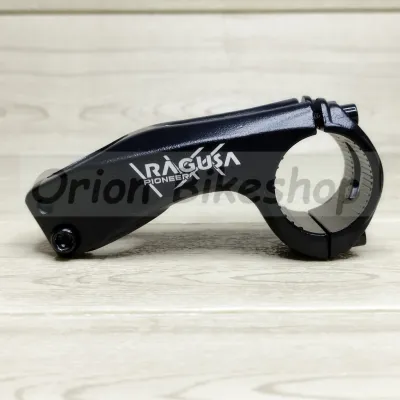
140 Lazada user ratings
Durable alloy material, Easy to install and adjust, Perfect fit for my bike, Improves my bike's performance, Great value for the price, Enha…Read full reviewShow less
Durable alloy material, Easy to install and adjust, Perfect fit for my bike, Improves my bike's performance, Great value for the price, Enhances my mountain biking experience, Provides a comfortable grip, Sleek and stylish design,
Improves my bike's performance, Sleek and stylish design, Durable alloy material, Perfect fit for my bike, Easy to install and adjust, High-…Read full reviewShow less
Improves my bike's performance, Sleek and stylish design, Durable alloy material, Perfect fit for my bike, Easy to install and adjust, High-quality construction,
ok maganda Quality:good
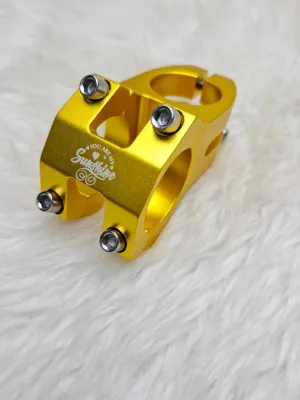
372 Lazada user ratings
Inorder ko kahapon dumating agad ngayon isang gabi lng yung tulog ko sa subrang bilis ng deliver🖒 salamat sa seller na napaka bilis mag reci…Read full reviewShow less
Inorder ko kahapon dumating agad ngayon isang gabi lng yung tulog ko sa subrang bilis ng deliver🖒 salamat sa seller na napaka bilis mag recieved ng order Godbless po sa bussines u☺
Late review: Matibay naman sya at sakto sa handle bar ko matagal lang dumating pero ok naman ang parcel, bagay naman sa bike ko hehe thanks …Read full reviewShow less
Late review: Matibay naman sya at sakto sa handle bar ko matagal lang dumating pero ok naman ang parcel, bagay naman sa bike ko hehe thanks sa rider at seller
panalo tong item na to ang ganda ng kulay order ulit ako ,, mukha naman matibay til next time salamat seller and rider.
Maganda ung stem kaso maliit pala ung handle bar ko😔 Di bale bili na lang ako bagong handle bar… thank you po seller!☺️
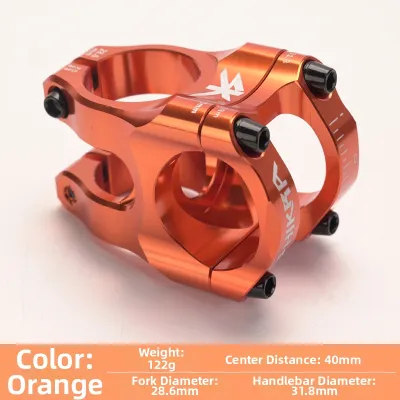
14 Lazada user ratings
ayos na ayo,.ang ganda, bagay na bagay sa bike ko
Amazing, fried tastes even better.
It's cheap and practical.
goods na goods guys
Prices are valid at publication and may change. Please refer to the product page for the latest price.
Handlebar clamp diameters require absolute precision because even a fraction of a millimeter difference prevents secure clamping. The two dominant standards are 31.8 mm and 35 mm. A 31.8 mm handlebar will slip instantly inside a 35 mm stem, regardless of how tightly you torque the faceplate bolts, which can lead to a catastrophic loss of control. Conversely, trying to force a 35 mm handlebar into a 31.8 mm stem will scratch, gouge, or structurally crush the handlebar material. Generally, 31.8 mm handlebars offer a balance of stiffness and vertical compliance, whereas 35 mm handlebars provide increased steering precision and strength, making them common on modern trail, enduro, and downhill bikes.
To verify your current components, look for laser-etched markings on the center of your handlebar or on the body of your existing stem. Manufacturers frequently print the clamp diameter directly onto the metal. If these markings have worn off or are covered, use digital calipers to measure the outer diameter of the handlebar at the exact center where it meets the stem. Avoid using a flexible sewing tape or a standard ruler, as these tools lack the precision required to distinguish between closely sized standards.
How does stem length affect your mountain bike handling?
Stem length directly dictates how quickly your bike responds to steering inputs and how your body weight is distributed over the front wheel. Shorter stems (typically 35 mm to 50 mm) speed up steering response and keep your weight centered, while longer stems (60 mm to 80 mm or more) slow down steering and stretch your body forward for better climbing traction. Selecting the correct length depends heavily on your bike’s frame geometry and the type of trails you ride.

Modern mountain bike design has shifted toward longer frame “reach” measurements, which are specifically engineered to be paired with shorter stems. When you install a short alloy stem, your hands are positioned closer to the steering axis of the fork. This reduces the steering arc, allowing for immediate, highly responsive handling with minimal physical effort. Additionally, a short stem keeps your center of mass further back on the bike, which reduces the risk of being pitched over the handlebars when navigating steep, technical descents or dropping off ledges. This setup is highly suitable for trail, enduro, and downhill riders who prioritize rapid reaction times and downhill stability.
Conversely, longer stems are traditionally utilized on cross-country (XC) bikes or older frames that feature shorter reach measurements. By extending the distance between your saddle and the handlebars, a longer stem stretches your torso into a lower, more aerodynamic riding position. This forward weight bias keeps the front tire firmly planted on steep, technical climbs, preventing the front end of the bike from lifting or wandering. However, the trade-off is a wider steering arc, which can make the bike feel sluggish or slow to react when cornering at high speeds. It also places more of your body weight over the front axle, which can make steep descents feel more intimidating.
To avoid a cramped or overly stretched riding position, always evaluate your bike’s effective top tube length and reach before changing stem lengths. If your frame is already slightly too large for you, a long stem will overextend your back and shoulders, leading to premature fatigue, neck strain, and poor bike control. If your frame is on the smaller side, installing an ultra-short stem may bring the handlebars too close to your body, causing your knees to strike the shifter pods or brake levers during tight, low-speed turns.
Which stem rise angle matches your riding comfort and terrain?
The ideal stem rise angle depends on whether you need to raise your handlebars for steep, technical descents and upright comfort, or lower them for aggressive climbing and aerodynamic efficiency. Stems are designed with either a neutral (0-degree) rise or a specific angular rise (such as 6, 10, or 20 degrees) that can be flipped to run in a positive or negative orientation. Adjusting this angle allows you to fine-tune your cockpit height to match your physical proportions and local trail conditions.
Installing a stem with the angle pointing upward is referred to as a positive rise, which lifts the handlebars higher relative to the ground. Flipping the stem so the angle points downward is a negative rise (or drop), which lowers the handlebar height. Most trail and enduro riders prefer a neutral or low positive rise to maintain an active, balanced stance, while cross-country racers often run a negative rise to keep their front end as low as possible for maximum power transfer on climbs.
If you frequently ride steep, rocky descents, a higher rise helps you maintain an upright posture, keeping your head up and reducing the strain on your neck and wrists. It also makes it easier to lift the front wheel over obstacles. If your local trails consist of long, smooth climbs and fast flat sections, a lower or negative rise helps keep your weight low, improving front-tire traction and reducing wind resistance.
Remember that stem rise is only one part of your cockpit’s total height equation. You must also consider your headset spacer stack height and the rise of your handlebars. Before purchasing a new stem solely for a different angle, try moving your existing headset spacers from below the stem to above it (or vice versa) to see if a simple height adjustment resolves your comfort issues. Additionally, the sweep and roll of your handlebars can be adjusted slightly in the clamp to fine-tune how the grips align with your wrists.
How to measure and verify your current stem before upgrading?
To measure your current stem accurately, use a ruler or caliper to find the distance between the center of the fork steerer tube and the center of the handlebar clamp, measured parallel to the stem body. You must also verify the clamp diameters and rise angle using physical markings or precise measuring tools before selecting a replacement. Taking these measurements prevents compatibility issues and ensures your new alloy stem delivers the exact handling characteristics you desire.
To measure your stem length, park your bike on a flat surface and align the front wheel straight. Place a metric ruler or tape measure on top of the stem. Measure from the exact center of the fork steerer tube (which aligns with the center of your headset top cap bolt) to the exact center of the handlebar clamp area (where the faceplate splits). This distance, measured in millimeters, is your stem’s actual length. Common lengths for modern mountain bikes range from 35 mm to 60 mm, while older or cross-country setups may measure 70 mm to 90 mm or more.
Identifying the rise angle can be more challenging without specialized tools, but many alloy stems have their specifications printed on the underside or near the clamp area. Look for a series of numbers, such as “50mm x 31.8mm x 6°”, which indicates a 50 mm length, a 31.8 mm handlebar clamp, and a 6-degree rise. If no markings are present, you can estimate the angle by placing the stem flat on a table and measuring the height difference between the two clamp centers, or by using a smartphone protractor app aligned with the stem’s body.
Before purchasing a new alloy stem, it is highly recommended to perform a physical simulation of your desired changes. If you are trying to achieve a lower, more aggressive handlebar position, try moving one or two headset spacers from beneath your current stem to the top of the steerer tube. Go for a short test ride on familiar terrain to observe how the lowered height affects your lower back comfort and front-wheel traction. If you are considering a shorter stem to quicken your steering, check if a local riding group or bike shop has a spare stem you can temporarily install to verify the handling before making a final purchase.

Community discussion
Share your experience or ask a question. Comments are reviewed before publication.