
Choosing the right alloy mountain bike (MTB) stem size is one of the most effective ways to fine-tune your bike’s handling, comfort, and control. The stem acts as the critical link between your handlebar and the fork’s steerer tube, directly translating your steering inputs to the front wheel. To find the correct size, you must match the stem’s clamp diameter to your handlebar, select a length that suits your riding style and frame reach, and choose a rise angle that positions your body for balanced weight distribution.
An ill-fitting stem can lead to hand numbness, lower back strain, or twitchy steering on technical descents. Conversely, the correct stem size balances your weight between the front and rear tires, giving you the traction needed to corner confidently and climb without the front wheel lifting. By understanding how stem dimensions interact with your body and bike geometry, you can make an informed decision that enhances your trail experience.
Understand How Stem Dimensions Affect Your Ride
Every mountain bike stem has three primary dimensions that dictate how your bike feels on the trail: length, rise, and clamp diameter. Length, often referred to as reach, is the distance between the center of the steerer tube clamp and the center of the handlebar clamp. A shorter stem speeds up steering response because your hands rotate on a tighter arc relative to the steering axis. A longer stem slows down steering input, providing a more stable feel at high speeds but requiring more physical effort to initiate quick turns.
Products mentioned in this guide
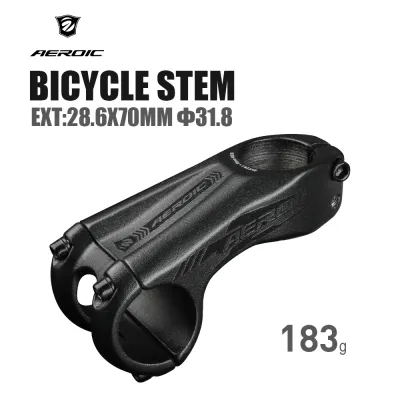
14 Lazada user ratings
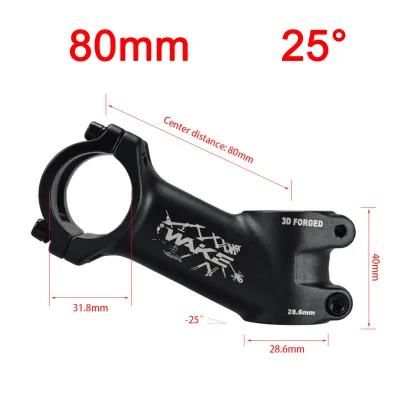
Compatibility: For 28.6 - 31.8 fork and handle bars Ease of installation.: smooth as a silk....
🔨Durability:good 🔌Compatibility:compatible
satisfied customer maganda
goods goods gooods
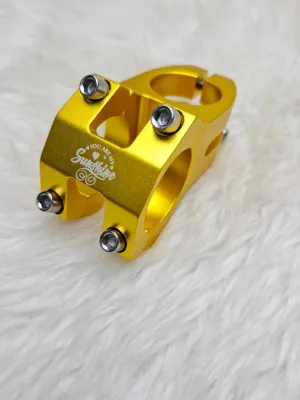
372 Lazada user ratings
Inorder ko kahapon dumating agad ngayon isang gabi lng yung tulog ko sa subrang bilis ng deliver🖒 salamat sa seller na napaka bilis mag reci…Read full reviewShow less
Inorder ko kahapon dumating agad ngayon isang gabi lng yung tulog ko sa subrang bilis ng deliver🖒 salamat sa seller na napaka bilis mag recieved ng order Godbless po sa bussines u☺
Late review: Matibay naman sya at sakto sa handle bar ko matagal lang dumating pero ok naman ang parcel, bagay naman sa bike ko hehe thanks …Read full reviewShow less
Late review: Matibay naman sya at sakto sa handle bar ko matagal lang dumating pero ok naman ang parcel, bagay naman sa bike ko hehe thanks sa rider at seller
panalo tong item na to ang ganda ng kulay order ulit ako ,, mukha naman matibay til next time salamat seller and rider.
Maganda ung stem kaso maliit pala ung handle bar ko😔 Di bale bili na lang ako bagong handle bar… thank you po seller!☺️
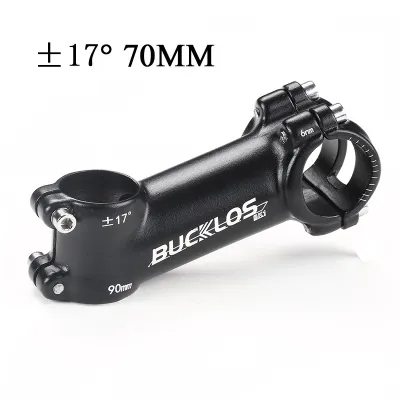
118 Lazada user ratings
it's good actually, it perfectly fits on my mtb great value for the price Durable and lightweight aluminum alloy, Easy to install and adjust…Read full reviewShow less
it's good actually, it perfectly fits on my mtb great value for the price Durable and lightweight aluminum alloy, Easy to install and adjust,
got the items nice and well packed. thank you seller and lazada for the voucher discount. will definitely order again
maluwag po mali po ng nabiling size gusto ko sana mapalitan ito
suoer ganda 5stars
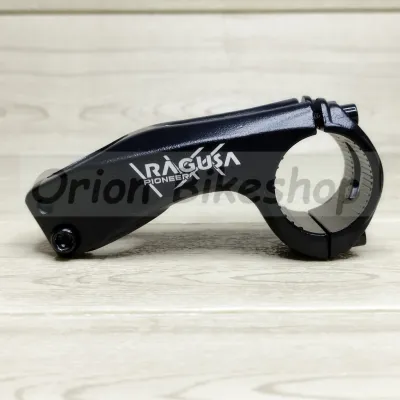
140 Lazada user ratings
Durable alloy material, Easy to install and adjust, Perfect fit for my bike, Improves my bike's performance, Great value for the price, Enha…Read full reviewShow less
Durable alloy material, Easy to install and adjust, Perfect fit for my bike, Improves my bike's performance, Great value for the price, Enhances my mountain biking experience, Provides a comfortable grip, Sleek and stylish design,
Improves my bike's performance, Sleek and stylish design, Durable alloy material, Perfect fit for my bike, Easy to install and adjust, High-…Read full reviewShow less
Improves my bike's performance, Sleek and stylish design, Durable alloy material, Perfect fit for my bike, Easy to install and adjust, High-quality construction,
ok maganda Quality:good
239 Lazada user ratings
Enhanced control and stability, Easy to install and adjust, Improved my riding experience, Perfect fit for my bike, Excellent value for the …Read full reviewShow less
Enhanced control and stability, Easy to install and adjust, Improved my riding experience, Perfect fit for my bike, Excellent value for the price, Durable aluminum alloy material, Sleek and stylish appearance, Lightweight and sturdy stem,
Durable aluminum alloy material, Lightweight and sturdy stem, Great design and build quality, Enhanced control and stability, Sleek and styl…Read full reviewShow less
Durable aluminum alloy material, Lightweight and sturdy stem, Great design and build quality, Enhanced control and stability, Sleek and stylish appearance, Easy to install and adjust,
Perfect fit for my bike, Improved my riding experience, Durable aluminum alloy material, Provides a comfortable riding position,
Easy to install and adjust, Improved my riding experience, Enhanced control and stability, Sleek and stylish appearance,
41 Lazada user ratings
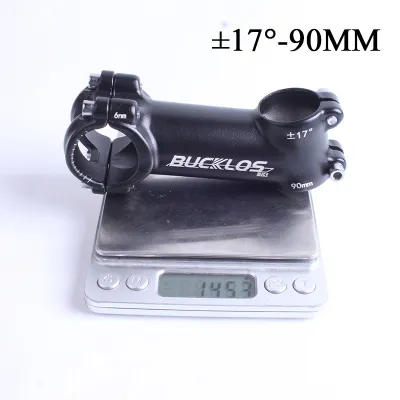
Comes with multi-tool for installation, Precise fit for fork steerer tube, Lightweight aluminum alloy stem,
bad trip may sira
🔨Durability:
6 Lazada user ratings
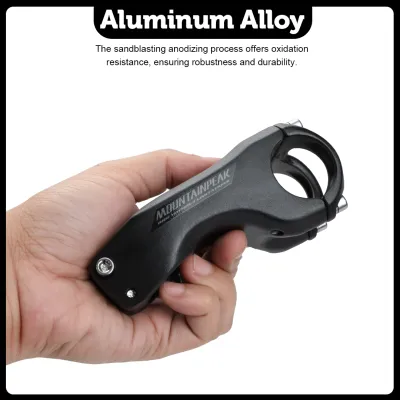
Bicycle long stem 100mm Negative 17" Mtb Roadbike Stem Lightweight Alloy. High quality alloy with 3d forging.
all goods nmn medyo mahaba nga lng sa stock kong stem pero ok na din
🔨Durability:goods 🔌Compatibility:goods 🛠️Ease of Installation:goods
14 Lazada user ratings
ayos na ayo,.ang ganda, bagay na bagay sa bike ko
Amazing, fried tastes even better.
It's cheap and practical.
goods na goods guys
Prices are valid at publication and may change. Please refer to the product page for the latest price.
Stem length also plays a major role in rider weight distribution. A longer stem pulls your torso forward and down, putting more weight over the front tire. This forward bias is highly beneficial for maintaining front-wheel traction during steep climbs, but it can make you feel like you are tipping over the handlebars on steep descents. A shorter stem keeps your weight centered further back, which boosts confidence on steep downhills but can cause the front end to wander or lift when climbing.
Rise angle refers to the angle of the stem body relative to a perpendicular line from the steerer tube. Stems are available in zero-degree options, positive rises that lift the handlebars higher, or negative rises that drop them lower. Adjusting the rise angle directly alters your handlebar height, which affects your riding posture, lower back strain, and your ability to pull up on the front wheel to clear obstacles.
Alloy is the most common material choice for mountain bike stems because high-grade aluminum alloys, such as 6061 or 7075, offer an exceptional balance of stiffness, durability, and weight. Unlike carbon fiber, which can be sensitive to clamping forces and impact damage, alloy stems are highly resilient, making them ideal for the rough-and-tumble nature of trail riding. They provide the necessary stiffness to prevent handlebar twist during hard cornering while remaining affordable and easy to inspect for wear.
Step 1: Verify Handlebar Clamp Diameter Compatibility
Before looking at stem lengths or rise angles, you must ensure the new stem will physically clamp onto your existing handlebar. Mountain bike handlebars and stems must share the exact same clamp diameter to function safely. Attempting to mix incompatible sizes is a severe safety hazard that can lead to sudden handlebar slippage, component failure, or a complete loss of control while riding.

In modern mountain biking, there are two dominant handlebar clamp diameters: 31.8mm and 35mm. The 31.8mm standard has been the industry benchmark for years, offering excellent strength and a degree of vertical compliance that helps absorb trail vibrations. The newer 35mm standard increases the diameter at the clamping area, allowing manufacturers to build wider handlebars and stiffer stems that resist twisting under heavy steering loads, which is particularly useful for aggressive trail, enduro, and downhill riding.
To determine your current handlebar’s clamp diameter, check the graphics printed near the center of the bar, where the stem clamps. Manufacturers often print the diameter, torque specifications, and alignment marks directly on the metal. If the markings have worn off, you can measure the diameter using a pair of digital or vernier calipers. Clamp the calipers around the thickest part of the handlebar directly adjacent to the stem faceplate to get an accurate reading.
Never attempt to use shims to adapt a 31.8mm handlebar to a 35mm stem, or vice versa, unless the components are explicitly designed and certified by the manufacturer for that specific combination. Standard aftermarket shims can slip under the high-torque, high-impact forces of mountain biking. Forcing a stem onto an incompatible handlebar can crush the bar or crack the stem faceplate, leading to catastrophic failure on the trail. If you want to change clamp sizes, you must replace both the stem and the handlebar together.
Step 2: Determine the Ideal Stem Length for Your Discipline
Selecting the right stem length requires balancing your riding style, the terrain you frequent, and your bike’s frame geometry. To establish a baseline, you should first measure your current stem length. Measure the distance from the exact center of the fork steerer tube clamp to the exact center of the handlebar clamp, following the body of the stem. This center-to-center measurement is the standard used by all major manufacturers.
Your riding discipline is the primary guide for choosing a stem length range. Cross-country (XC) riders typically prefer longer stems, ranging from 60mm to 90mm or even longer. A longer stem stretches the rider into an aerodynamic, forward-leaning position that optimizes power transfer and keeps the front wheel firmly planted on steep, technical climbs. XC bikes also have steeper head tube angles, which pair well with longer stems to maintain balanced steering.
Trail and enduro riders generally opt for much shorter stems, typically between 35mm and 50mm. Modern trail and enduro bikes feature progressive geometry, characterized by long frame reaches and slack head tube angles. To prevent the cockpit from feeling excessively stretched out, these bikes are designed specifically to run short stems. A short stem keeps your hands positioned close to the steering axis, delivering immediate steering response and allowing you to easily shift your weight behind the saddle on steep descents.
When changing your stem length, you must consider your bike’s frame reach and top tube length. If your frame is slightly too large, a shorter stem can bring the handlebars closer to you, reducing strain on your back and neck. If your frame is on the smaller side, a slightly longer stem can open up the cockpit and prevent your knees from hitting the handlebars. However, using an extremely long stem on a modern slack bike or an extremely short stem on an older, short-reach bike can severely compromise the bike’s handling balance. Aim for small adjustments of 10mm to 20mm at a time.
Step 3: Select the Appropriate Rise Angle
The rise angle of your stem determines the height of your handlebars relative to your saddle, which directly influences your body position, comfort, and control. Stems are typically offered in zero-degree options, or with positive/negative rises ranging from 5 to 10 degrees. Because stems can be installed upside down, a single stem can offer either a positive rise (sloping upward) or a negative rise (sloping downward) depending on its orientation.
A zero-degree stem keeps the handlebar level with the top of the steerer tube, providing a neutral starting point. A positive rise lifts the handlebars, creating a more upright riding position. This upright posture reduces pressure on your wrists, neck, and lower back, making it a popular choice for long-distance trail riders or those with limited flexibility. A higher handlebar also makes it easier to lift the front wheel over obstacles and provides a more confident stance when riding down steep, technical drop-offs.
Conversely, a negative rise lowers the handlebars, pulling your upper body down into a more aggressive, aerodynamic position. This setup is favored by cross-country racers who want to maximize climbing efficiency and keep weight over the front tire to prevent it from lifting on steep gradients. Lowering the handlebars also sharpens front-wheel traction on flat, fast corners, though it can increase fatigue on long descents and put more strain on your lower back.
Your stem’s rise angle does not work in isolation; it interacts with your headset spacers and your handlebar’s rise. Before buying a new stem with a different angle, try moving your existing headset spacers above or below your stem to see if you can achieve your desired handlebar height. If you have run out of adjustment space on your steerer tube, changing your stem rise or switching to a handlebar with more rise or sweep is the next logical step to optimize your cockpit height.
Step 4: Measure, Verify, and Prepare for Installation
Before purchasing a new alloy stem, you must verify a few final dimensions to help achieve a seamless and safe installation. First, confirm your fork’s steerer tube diameter. The vast majority of modern mountain bikes use a 1 1/8-inch (28.6mm) straight steerer tube at the clamping area, but some older or specialized bikes may use 1 1/4-inch or 1.5-inch steerers. Use your calipers to measure the outer diameter of your fork’s steerer tube to verify compatibility.
Next, check the stem’s stack height, which is the vertical height of the stem’s steerer tube clamp. Different stems require different amounts of space on the steerer tube. If your new stem has a taller stack height than your old one, you may not have enough steerer tube exposed to clamp it safely. The steerer tube should sit no more than 2mm to 3mm below the top edge of the stem or the top spacer to ensure the top cap can preload the headset bearings correctly without bottoming out.
When you are ready to install your new alloy stem, gather the necessary tools: a set of high-quality hex or Torx keys, a clean rag, some bicycle grease or carbon assembly paste, and a calibrated torque wrench. Clean the steerer tube and the handlebar clamping area thoroughly to remove any dirt, grease, or debris. Apply a thin layer of grease to the threads of the stem bolts to ensure smooth tightening and prevent seizing over time.
Always use a torque wrench to tighten all bolts to the manufacturer’s specified torque values, which are typically printed on the stem body and range from 4 to 6 Newton-meters (Nm). Tighten the faceplate bolts in a cross or “X” pattern in small increments to ensure even clamping pressure across the handlebar. An unevenly tightened faceplate can stress the handlebar, leading to sudden failure. Once installed, perform a quick alignment check by standing over the front wheel, ensuring the stem is aligned with the tire, and checking that there is no play in the headset before heading out for a test ride.
Frequently Asked Questions (FAQ)
Can I use a 35mm stem on a 31.8mm handlebar?
No, you cannot safely use a 35mm stem on a 31.8mm handlebar. Because the clamp diameter of the stem is larger than the handlebar, the stem will not be able to grip the bar securely, leading to immediate slippage under riding forces. While some aftermarket shims exist to bridge this gap, they are generally not recommended for modern mountain biking due to the high-stress nature of off-road riding. Slippage can cause a sudden loss of control, resulting in serious injury. To maintain safety, always match the stem clamp diameter precisely to your handlebar diameter, or upgrade both components together.
Does a shorter alloy stem make my MTB more stable?
A shorter alloy stem does not automatically make your mountain bike more stable on its own; rather, it alters how the bike responds to your steering inputs. A shorter stem speeds up steering response by reducing the steering arc, which can make the bike feel more agile and responsive but potentially twitchy at high speeds if paired with narrow handlebars.
Modern mountain bike stability is achieved through a combination of progressive frame geometry—such as a longer frame reach and a slacker head tube angle—paired with a short stem and wide handlebars. The short stem keeps your body weight centered and prevents you from feeling stretched out, while the wide handlebars provide the leverage needed to maintain stability and control through rough terrain. If you install a very short stem on an older bike with a short reach and narrow bars, it may make the steering feel overly sensitive and unstable.
Community discussion
Share your experience or ask a question. Comments are reviewed before publication.