
Choosing the right Alpsport badminton racket depends on aligning its weight, balance point, and shaft flexibility with your current physical conditioning and playing style. Beginners thrive with lightweight, flexible, even-balanced rackets that forgive technical errors, while intermediate players need stiffer, heavier, or head-heavy setups to maximize power and precision.
In the Philippines, where badminton is a highly popular sport played in both indoor sports centers and open-air covered courts, environmental factors also play a key role in your equipment choice. High humidity and warm temperatures can accelerate physical fatigue, making racket weight and grip management critical factors in your decision. Selecting the wrong specifications not only slows down your skill progression but can also lead to joint strain, particularly in the wrist, elbow, and shoulder.
Assess Your Skill Level and Playing Style
Before looking at specific racket models, you must honestly evaluate your current skill level and how you behave on the court. A beginner is typically someone who is still mastering the fundamental strokes, such as the basic overhead clear, drop shots, and low serves. At this stage, contact with the shuttlecock can be inconsistent, and generating deep baseline-to-baseline power is often a challenge. Beginners should focus on keeping the rally alive and developing proper footwork rather than executing high-speed, aggressive smashes.
Products mentioned in this guide
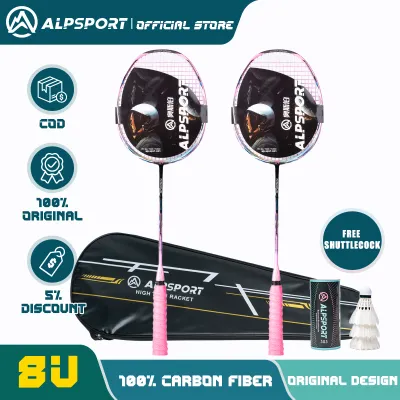
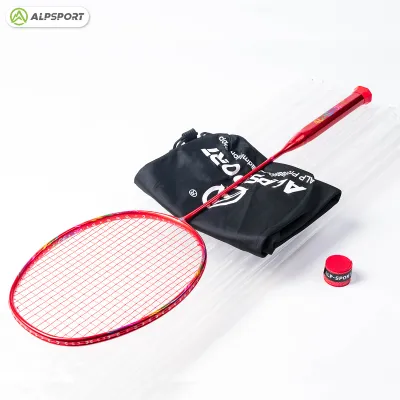
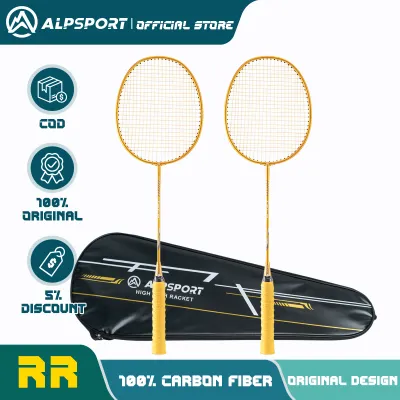
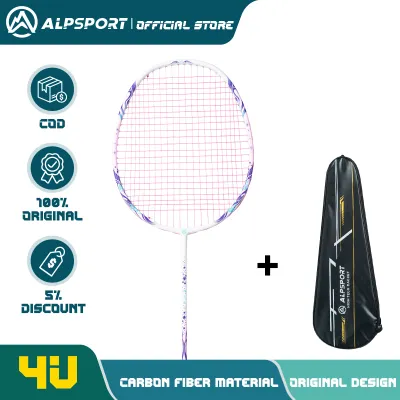

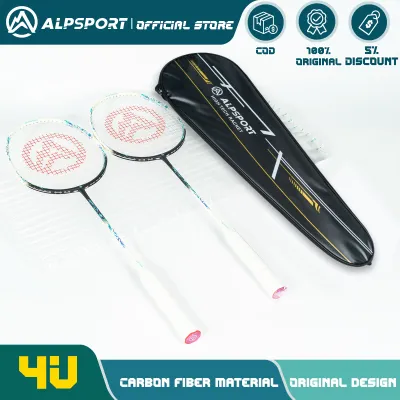
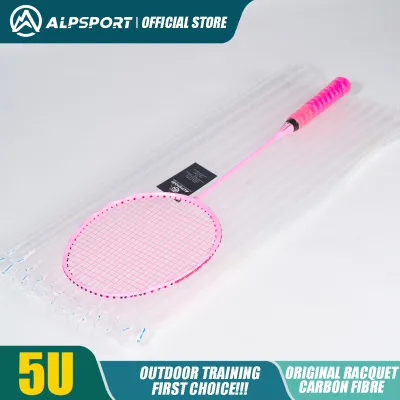
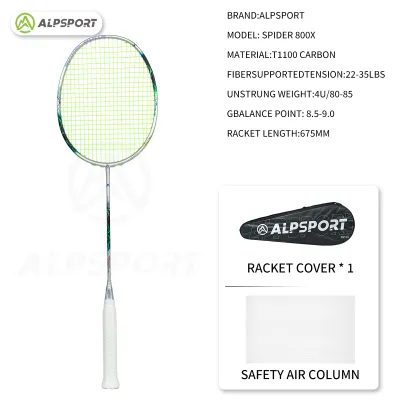
Prices are valid at publication and may change. Please refer to the product page for the latest price.
An intermediate player has moved past basic stroke mechanics and can consistently hit deep clears, execute controlled drop shots, and deliver relatively fast smashes. If you understand court positioning, transition smoothly between offense and defense, and play regular games at local clubs, you fall into this category. Intermediate players often begin to specialize in a specific role, especially in doubles play, which is the most common format in local tournaments and recreational sessions.
Your playing style further refines your equipment needs. Offensive players rely on heavy smashes, steep drop shots, and aggressive overhead pressure to force errors. Defensive players focus on retrieving difficult shots, blocking smashes, and using quick drives to turn the rally around. All-around players prefer a balanced approach, using tactical placement, consistent rallies, and opportunistic attacks to win points.
Matching your racket to your actual skill level and physical capacity is essential for injury prevention. Using a racket that is too heavy or too stiff before your wrist and forearm muscles are properly conditioned can lead to lateral epicondylitis, commonly known as tennis elbow. By selecting a frame that complements your current mechanical efficiency, you allow your body to adapt naturally to the physical demands of the sport while accelerating your learning curve.
Decode Key Racket Specifications Before Buying
Understanding technical specifications is key to navigating the Alpsport catalog. Racket manufacturers use standardized metrics to describe a frame’s physical properties, and learning to read these details will prevent costly purchasing mistakes.

The weight of a badminton racket is designated by the “U” system, which is typically laser-engraved on the shaft or cone. A lower number indicates a heavier racket:
- 3U (85 to 89 grams): Offers excellent momentum and power transfer, making it ideal for players with strong forearms, but it can cause rapid fatigue during long sessions.
- 4U (80 to 84 grams): The industry standard for versatility, offering a balanced mix of speed, maneuverability, and power.
- 5U (75 to 79 grams): Extremely lightweight, designed for rapid defensive reactions, net play, and reducing strain on the joints.
The balance point of a racket determines where the majority of its weight is distributed. This is measured in millimeters from the bottom of the handle to the point where the racket balances perfectly.
- Head-Heavy (above 295mm): Shifts mass toward the top of the frame to act like a hammer, amplifying the force of your smashes but making defensive recovery slower.
- Head-Light (below 285mm): Concentrates weight near the handle, allowing for incredibly fast swing speeds and quick defensive blocks at the net, though it requires more physical effort to clear the shuttle deep.
- Even-Balance (285mm to 295mm): Distributes weight evenly, offering a versatile compromise that supports both defensive maneuvers and controlled offensive shots.
Shaft flexibility dictates how much the racket bends during a swing. A flexible shaft bends easily, creating a “whip” or trampoline effect that assists players with slower swing speeds in generating depth. A stiff shaft barely bends, offering immediate feedback and precise control for players with fast, explosive wrist snaps, but it provides no mechanical assistance for power generation.
When browsing Alpsport options, look closely at the racket cone or shaft. Most models feature printed specifications detailing the weight class, balance point, and flex rating. Verifying these physical markings or checking the manufacturer’s official specifications before purchasing ensures you do not accidentally buy a professional-grade stiff racket when you need a forgiving beginner frame.
Ideal Alpsport Racket Specs for Beginners
For those starting their badminton journey, the primary goal is to find a user-friendly, forgiving racket that minimizes physical strain. Beginners should prioritize maneuverability and ease of power generation over extreme offensive capabilities.
The recommended weight class for a beginner is 4U or 5U. A lightweight frame allows you to practice basic swing mechanics repeatedly without overworking your shoulder and wrist. In warm, humid Philippine sports halls, a lighter racket helps maintain high swing speeds even as physical stamina begins to drop during extended three-set matches.
An even-balance or slightly head-light configuration is highly recommended for beginners. These setups provide excellent control and fast defensive reactions, which are crucial when learning how to return fast serves or defend against smashes. Avoid highly head-heavy rackets, as they can feel sluggish to a beginner and may lead to poor habits, such as using too much shoulder movement instead of correct wrist technique.
A flexible to medium-flex shaft is the best choice for novice players. Because beginners often lack the explosive wrist speed required to flex a stiff frame, a flexible shaft does the heavy lifting by bending and snapping back to launch the shuttlecock deep into the opponent’s court. This mechanical assistance ensures your clears reach the baseline without requiring excessive physical force.
When searching for an Alpsport model, look for product descriptions that emphasize words like “carbon fiber construction,” “flexible shaft,” “lightweight,” or “easy control.” These indicators point toward frames designed to absorb vibrations and provide a large, forgiving sweet spot, helping you build confidence with every stroke.
Ideal Alpsport Racket Specs for Intermediate Players
As your skills develop, your equipment needs will shift. Intermediate players have built the necessary wrist strength and stroke consistency to handle more specialized racket specifications that match their tactical preferences.
If you are an intermediate player, you can choose between a 3U or 4U weight class depending on your physical conditioning and primary playing format. A 3U racket is excellent for single matches or back-court doubles play where maximizing smash power is your main objective. However, if you play fast-paced doubles and require rapid net play, a 4U frame remains the superior choice to keep up with high-speed drives.
Your choice of balance point should align directly with your established playing style. Offensive players looking to maximize their smash speed should transition to a head-heavy Alpsport racket. The extra mass at the top of the frame translates directly into steeper, more powerful smashes. Conversely, if you play an all-around or defensive game, an even-balance frame offers the versatility needed to transition smoothly from defensive blocks to quick counter-attacks.
Intermediate players should seek out medium to medium-stiff shafts. As your swing speed increases, a flexible shaft can actually hinder your performance by causing the racket head to lag behind your wrist movement, resulting in inaccurate shots. A medium-stiff shaft provides a more direct transfer of energy and cleaner feedback, giving you the precision required to place the shuttlecock into tight corners or execute tight net drops.
To transition successfully, evaluate your current on-court limitations. If you find that your defensive returns are solid but your smashes lack finishing power, look for an Alpsport model with a slightly head-heavy balance. If you feel your shots are powerful but lack accuracy, upgrading to a frame with a stiffer shaft will provide the control you need to take your game to the next level.
Final Setup Checks: Grip Size and String Tension
Once you have selected the ideal Alpsport racket frame, the final step is customizing the grip and string setup. These adjustments are highly personal and can drastically alter how the racket performs on the court.
Grip size is measured using the “G” system, where higher numbers represent thinner handles. G5 is the standard size for most players in the Philippines, as it fits average hand sizes comfortably. To check if your grip is correct, hold the handle with your normal playing grip; there should be a gap roughly the width of one finger between your fingertips and the palm of your hand. If the grip is too small, you can easily build it up using an overgrip, which also helps absorb sweat in humid playing conditions. If the grip is too large, it will restrict your wrist mobility and reduce your power.
String tension is measured in pounds (lbs) and directly influences the racket’s sweet spot and control:
- Beginners (20 to 24 lbs): Lower tension allows the strings to stretch more, creating a larger sweet spot and excellent repulsion power, which helps with deep clears.
- Intermediate Players (24 to 26 lbs): Higher tension tightens the string bed, reducing the sweet spot but offering exceptional control and placement accuracy for players who can consistently hit the center of the racket.
Before handing your new Alpsport racket to a professional stringer, perform a quick physical inspection of the frame. Check for any hairline fractures, structural warping, or missing grommets (the plastic eyelets that protect the strings from the sharp edges of the carbon frame). Ensure that your chosen string tension does not exceed the maximum recommended tension limit printed on the racket shaft, as over-tensioning can warp or crack the frame during play.
Frequently Asked Questions (FAQ)
What string tension should I use for my new Alpsport racket?
Your ideal string tension depends on your skill level and how consistently you hit the sweet spot. Beginners should start with a lower tension of 20 to 24 lbs to maximize the trampoline effect, which helps generate deep clears with less effort. Intermediate players should opt for 24 to 26 lbs to gain better shuttle control and placement accuracy. Always check the maximum tension limit printed on your Alpsport racket shaft before stringing; exceeding this limit can warp the frame or cause structural failure under high-impact shots.
How do I know if my badminton grip size is correct?
You can verify your grip size using a simple physical check. When holding the racket with a normal forehand grip, there should be enough space to slide one index finger between your fingertips and the base of your thumb or palm. If your fingertips touch your palm, the grip is too small, which can cause the racket to twist during heavy smashes. It is generally best to choose a smaller base grip (like G5) and wrap it with a high-quality overgrip to achieve the perfect thickness and manage sweat during intense play.
Community discussion
Share your experience or ask a question. Comments are reviewed before publication.