
Selecting the right AQ ankle support is a balance between stabilizing your joint and maintaining the mobility required for your specific activity. Whether you are recovering from a lateral sprain sustained on a local basketball court or looking to prevent injury during high-intensity training, the ideal model depends on your current physical condition, your sport’s movement patterns, and how the brace fits inside your footwear. Rather than choosing a model based on appearance alone, you must evaluate the structural design, the level of compression, and the mechanical limits the support provides to ensure it matches your recovery phase or athletic demands.
Using the wrong type of support can either restrict your natural movement unnecessarily or fail to provide the structural reinforcement your ligaments need. In tropical climates where heat and humidity are constant factors, selecting a brace with the appropriate material composition is also essential for skin health and comfort. By understanding your specific physical requirements and comparing the structural categories of ankle supports, you can make an informed decision that protects your joint without compromising your performance.
Identify Your Ankle Support Needs
Before browsing specific models, you must assess the current state of your ankle joint to determine the level of stabilization required. Ankle supports generally serve three distinct purposes: injury prevention, management of mild instability, and structured post-injury recovery. If you have no history of major injuries but experience occasional fatigue or minor soreness during long runs or court games, your primary need is likely mild compression and proprioceptive feedback. Proprioception refers to your body’s ability to sense its position in space, and even a lightweight support can enhance this awareness, helping you land more securely.
Products mentioned in this guide
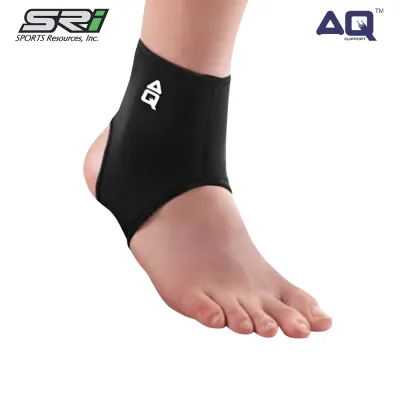
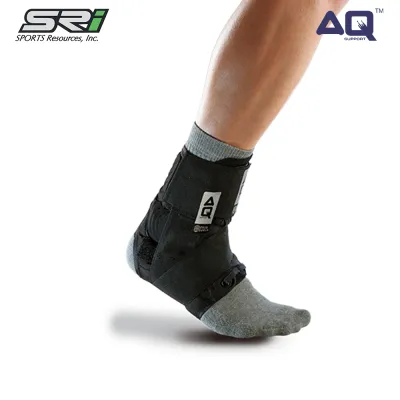
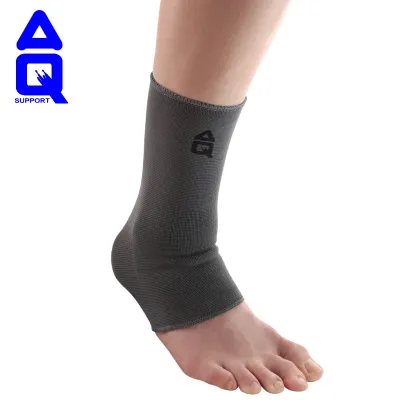
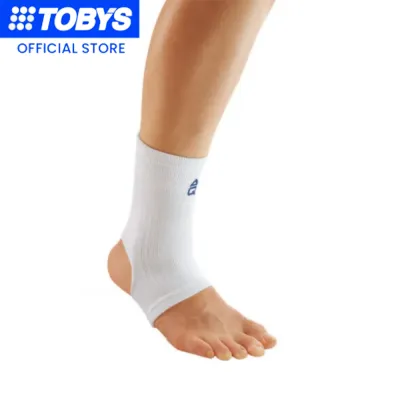
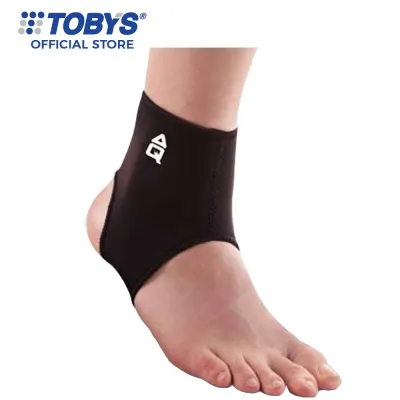
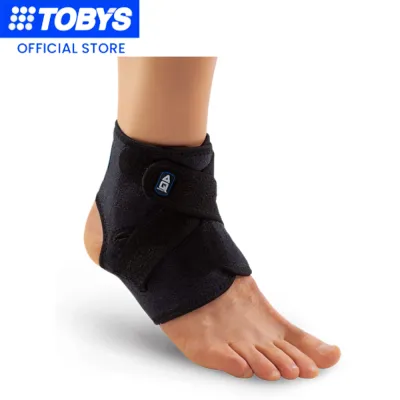
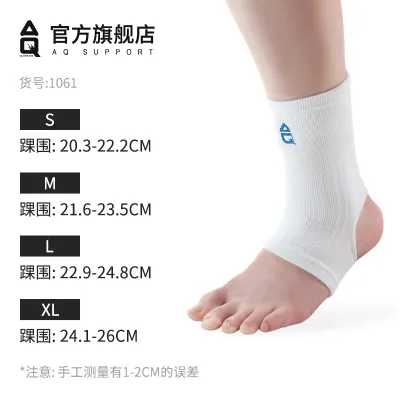
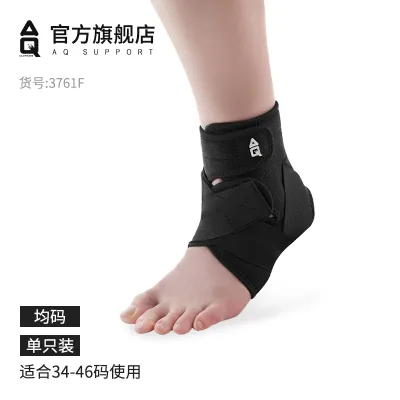
Prices are valid at publication and may change. Please refer to the product page for the latest price.
If you are dealing with mild instability—often characterized by a feeling that your ankle might “give way” during sudden lateral cuts—you require a support that offers physical reinforcement. Observable signals such as localized swelling after exercise, mild pain when changing directions, or a history of recurrent minor sprains indicate that your ligaments need active stabilization. For those recovering from a recent moderate-to-severe sprain, the focus shifts to strict protection. During this phase, the joint must be shielded from extreme ranges of motion, particularly inversion (rolling inward) and eversion (rolling outward), to allow the damaged tissues to heal without being subjected to further micro-trauma.
Establishing this baseline helps you avoid two common mistakes: over-bracing, which can lead to joint stiffness and muscle weakness over time, and under-bracing, which leaves vulnerable ligaments exposed to reinjury. Consider the surface you play on, such as hard concrete outdoor courts or uneven turf, as these environments place higher demands on joint stability and require more robust support configurations.
Compare AQ Ankle Support Models by Protection Level
Ankle supports are engineered with varying structural designs to deliver specific levels of restriction, compression, and mechanical support. As a general rule, there is an inverse relationship between joint mobility and maximum stabilization; the more a brace restricts movement to protect the joint, the less freedom you have to flex and rotate your foot. Understanding these structural trade-offs is key to selecting a model that aligns with your physical needs.

When evaluating different models, always verify the specific features, materials, and intended use listed on the product label or manufacturer specifications. Manufacturers categorize their supports into distinct protection tiers, ranging from basic elastic sleeves to highly structured rigid braces. By matching these tiers to your identified needs, you can narrow down your options to the designs that offer the correct balance of safety and performance.
Compression Sleeves for Mild Support
Compression sleeves represent the most basic level of ankle support and are typically constructed from elasticized knit fabrics or neoprene. These sleeves are best suited for managing minor swelling, keeping the joint warm, and improving proprioception during low-impact activities or daily wear. Because they lack rigid stays or adjustable straps, they do not restrict your natural range of motion, allowing your foot to move freely through its full gait cycle.
However, compression sleeves have clear limitations when it comes to mechanical protection. They cannot prevent lateral rolling or provide physical stops during high-impact landings, making them unsuitable for severe instability or the early stages of recovery from a major sprain. If you choose a neoprene sleeve, keep in mind that it retains heat efficiently, which is beneficial for soothing stiff joints but can lead to excessive sweat buildup in warm, humid environments.
Lace-Up and Strap Models for Active Sports
For moderate stabilization during dynamic movements, lace-up models and designs featuring figure-eight straps offer a highly adjustable solution. These supports are engineered to mimic the protective effects of athletic taping, utilizing tensioned straps that wrap around the ankle in a figure-eight pattern to limit excessive inversion and eversion. The lace-up core allows you to customize the tightness along the entire length of the foot, providing a secure, personalized fit.
These models are highly favored for active sports because they offer substantial lateral support while still fitting comfortably inside standard athletic shoes. However, because the materials can stretch slightly under the stress of intense physical play, they may require periodic readjustment during a game or workout to maintain their original level of tension. Additionally, the multi-strap design adds some bulk, so you must verify that your current footwear can accommodate the extra material without causing discomfort.
Rigid and Hinged Braces for Maximum Protection
Rigid and hinged braces are designed for maximum protection, making them the standard choice for severe joint instability, chronic weakness, or the rehabilitation phases following a significant ligament tear. These braces incorporate rigid plastic or composite stays along the sides of the ankle, often combined with a hinged mechanism that allows natural forward and backward movement (plantar flexion and dorsiflexion) while strictly blocking lateral movement.
By imposing mechanical limits on the joint, these braces protect healing ligaments from reaching extreme, damaging ranges of motion during unexpected slips or landings. The primary trade-off with rigid braces is their bulkiness and weight. They typically require larger or highly adjustable specialized footwear to accommodate the structural frame, and they can alter your natural running or jumping mechanics slightly, which is why they are generally reserved for situations where joint safety is the absolute priority.
Match the Support to Your Sport and Activity
Selecting the right ankle support requires a clear understanding of the physical demands, movement patterns, and footwear associated with your specific sport. Court sports like basketball, badminton, and volleyball involve frequent jumping, rapid lateral shuffling, and sudden stops. These movements place immense stress on the lateral ligaments of the ankle, making lateral support and shock absorption critical. For these activities, a mid-to-high protection model with adjustable figure-eight straps is often ideal, as it helps prevent the ankle from rolling during quick cuts while maintaining enough flexibility for explosive jumps. You must also ensure the brace does not cause heel slippage inside your court shoes, which can compromise your traction and stability.
Field and track sports, such as football or trail running, present a different set of challenges. Athletes in these disciplines require lightweight, low-profile designs that fit securely inside narrow running shoes or soccer cleats without creating painful pressure points. Because field sports often involve running on uneven turf or grass, the support must offer reliable stabilization without adding unnecessary weight that could slow you down or cause early fatigue. A low-profile lace-up brace or a high-tension compression sleeve with targeted strap reinforcement is often preferred in these scenarios.
For weightlifting, powerlifting, or general gym training, the primary requirement is maintaining proper joint alignment and depth during heavy lifts like squats and overhead presses. Ankle mobility—specifically dorsiflexion, or the ability to bend your foot upward toward your shin—is critical for maintaining correct form and preventing your lower back from rounding. In these environments, a heavy, rigid brace is usually counterproductive unless you are recovering from an acute injury. Instead, a flexible compression sleeve is often sufficient, as it provides joint warmth and mild support without restricting the deep ankle flexion needed to execute lifts safely.
Sizing, Fit, and Wearability Checks
Even the most advanced ankle support will fail to protect your joint if it does not fit correctly. To ensure optimal performance, always measure your ankle and foot accurately according to the specific manufacturer’s sizing chart before making a purchase. This process typically involves using a flexible measuring tape to find the circumference of your ankle joint just above the ankle bone, or measuring the distance around your heel and the instep of your foot. Do not rely on your standard shoe size, as brace sizing structures vary significantly between brands and models.
Once you have the support, perform a thorough fit check before wearing it during intense physical activity. Put on the brace along with the socks and athletic shoes you plan to use during your sport. Walk around your living space and monitor your foot for any signs of improper fit. Immediate red flags include numbness, tingling, cold toes, or a pale skin color, all of which indicate that the support is too tight and is restricting your blood flow or compressing nerves. If you experience these symptoms, loosen the straps or laces immediately, or try a larger size.
Additionally, check for localized pressure points, rubbing, or structural conflicts between the brace and your shoe. A brace that chafes against your Achilles tendon or pinches the arch of your foot can cause painful blisters and alter your gait, potentially leading to secondary injuries in your knees or hips. If the brace causes your heel to lift out of your shoe when you walk, you may need to adjust the lacing pattern of your footwear or consider a lower-profile support model.
When to Stop and Consult a Professional
While over-the-counter ankle supports are valuable tools for managing mild instability and aiding recovery, they cannot replace professional medical evaluation, structured rehabilitation, or sound athletic judgment. If you experience severe pain, an inability to bear weight on your foot, visible deformity, or rapid, intense swelling after an injury, do not attempt to self-treat with a brace. These are critical red flags that require immediate medical evaluation by a qualified healthcare professional to rule out fractures, complete ligament tears, or syndesmotic (high ankle) sprains.
Using an ankle support to mask persistent pain during sports is a dangerous practice that can lead to chronic joint laxity and long-term damage. A brace limits joint movement to protect vulnerable tissues, but relying on it continuously without addressing the underlying weakness can cause the surrounding muscles and tendons to atrophy. This reliance alters your natural gait mechanics and transfers stress to other joints, such as your knees and lower back.
Always follow a physical therapist’s or sports physician’s protocol for gradually weaning off an ankle support as your joint regains its natural strength and mobility. A comprehensive recovery plan must include active strengthening exercises, balance training, and flexibility work to restore the joint’s intrinsic stability, ensuring that you do not remain permanently dependent on external bracing.
Frequently Asked Questions (FAQ)
Can I wear an ankle support all day?
Wearing an ankle support continuously throughout the day is generally not recommended unless specifically directed by a healthcare professional during the acute phase of an injury recovery. Prolonged wear can lead to muscle reliance, where the muscles surrounding the joint weaken because the brace is doing the work of stabilizing the ankle. Additionally, in warm and humid climates, continuous wear can trap sweat against the skin, leading to irritation, chafing, or fungal infections. It is best to remove the support during periods of rest, sleep, or low-activity to allow your skin to breathe and to encourage your muscles to engage naturally.
How do I clean and maintain my ankle brace?
To extend the lifespan and maintain the hygiene of your ankle support, always check the manufacturer’s care label for specific washing instructions. Most fabric and neoprene supports should be hand washed in cold water using a mild detergent, as harsh chemicals or bleach can degrade the elastic fibers and weaken the hook-and-loop fasteners. Avoid machine washing and never place the brace in a mechanical dryer, as the high heat can warp plastic stays, melt adhesives, and destroy the elasticity of the fabric. Instead, gently squeeze out excess water without wringing the material, and lay the brace flat to air dry in a well-ventilated area away from direct sunlight.
Community discussion
Share your experience or ask a question. Comments are reviewed before publication.