
Choosing the right aquaflask boot comes down to matching your bottle’s exact base diameter and selecting a style that fits your daily routine. While many assume that bottle capacity alone determines the boot size, some sizes share the same diameter, making physical measurement or consulting a manufacturer size chart essential. Whether you need a simple bumper to prevent dents on your daily commute or a heavy-duty strap boot for weekend hikes, selecting the correct accessory ensures your insulated flask remains protected, quiet, and easy to carry.
Why Your Aquaflask Needs a Protective Boot
An insulated stainless steel water bottle is a significant investment, especially when used daily across various demanding environments. In tropical climates where high humidity causes bottles to sweat and daily commutes involve navigating crowded public transport, offices, and outdoor spaces, your flask faces constant wear and tear. A silicone boot serves as a vital shield against these daily hazards.
The primary benefit of a boot is impact protection. Dropping a full, heavy flask onto hard concrete, tile floors, or public transit steps can easily dent the vacuum-sealed bottom. This type of damage can compromise the bottle’s insulation capabilities permanently, leaving you with lukewarm water instead of an ice-cold drink. A thick silicone boot absorbs the shock of these accidental drops, preserving both the structural integrity and the aesthetic finish of your flask.
Products mentioned in this guide
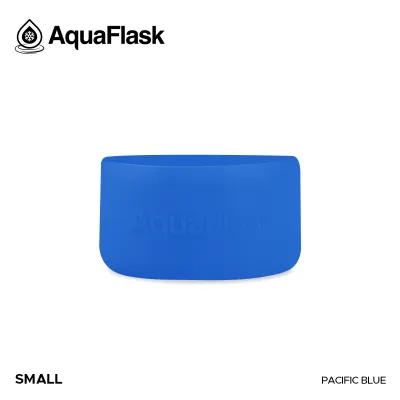
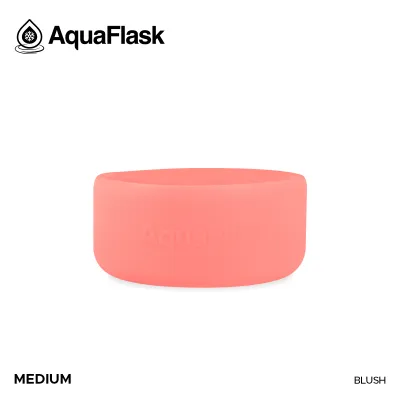
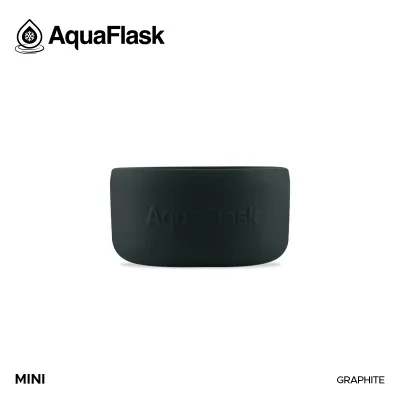
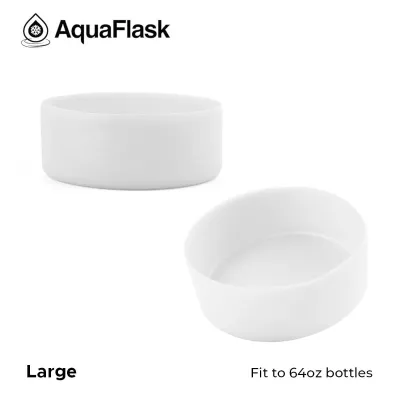
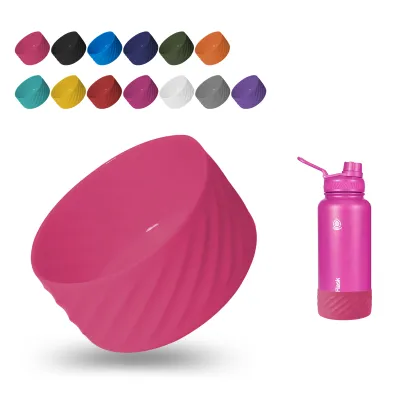
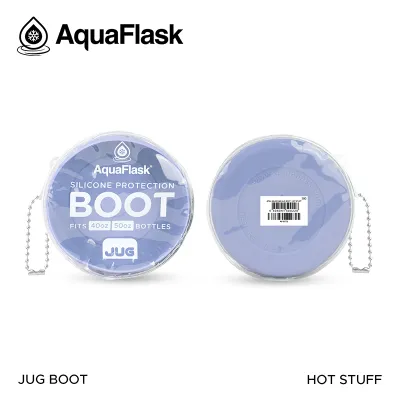
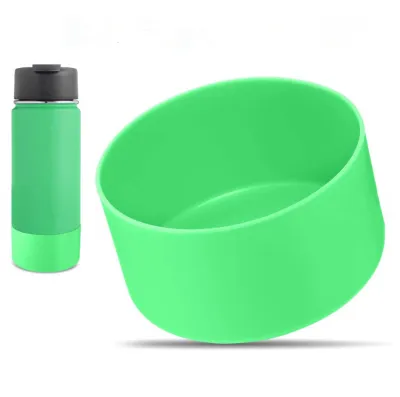

Prices are valid at publication and may change. Please refer to the product page for the latest price.
Beyond physical protection, a boot drastically reduces noise. Placing a bare metal bottle onto a wooden office desk, a glass conference table, or a school library desk produces a loud, disruptive clanking sound. A silicone bumper dampens this noise entirely, allowing you to hydrate quietly in shared spaces.
Additionally, the boot provides a non-slip grip. In warm weather, condensation or wet hands can make a metal bottle slippery. The textured silicone base increases friction, ensuring your flask stays securely upright on smooth, uneven, or wet surfaces.
Furthermore, a dented base can cause your bottle to wobble when placed on a flat surface. This instability increases the risk of the bottle tipping over, which can lead to accidental spills on your laptop, documents, or schoolwork. By installing a protective boot, you ensure that the bottle maintains a flat, stable foundation. From a financial perspective, spending a small amount (typically between ₱100 and ₱300) on a protective boot is a highly cost-effective way to safeguard an expensive insulated flask that costs upwards of ₱1,000.
How to Match Boot Sizes to Your Bottle Capacity
One of the most common mistakes when buying an aquaflask boot is assuming that fluid capacity directly correlates to a unique base size. In reality, multiple capacities often share the same base diameter because manufacturers vary the height of the bottle rather than the width to achieve different volumes.

To find the perfect fit, you must understand how common capacities are grouped. While specific dimensions can vary slightly by manufacturing batch or model series, the standard sizing framework generally falls into three main categories:
- Small Boots (approx. 7.1 cm to 7.5 cm diameter): These typically fit standard-mouth bottles and smaller capacities, such as the 14oz, 18oz, and 22oz models. Because these bottles are designed to be slim and highly portable, the boot is compact and lightweight.
- Medium Boots (approx. 8.5 cm to 9.0 cm diameter): This is the most common size, designed to fit wide-mouth bottles in the 24oz and 32oz range. These bottles have a wider profile to accommodate more ice and liquid, requiring a larger, more stable base protector.
- Large Boots (approx. 9.5 cm to 10.0 cm diameter): Engineered for heavy-duty hydration, these boots fit the massive 40oz and larger flasks. These bottles are significantly heavier when full, meaning the boot must be thicker to absorb greater impact forces.
If you are unsure of your bottle’s exact model or volume, the safest approach is to physically measure the base diameter. To do this, empty your bottle and place it upside down on a flat surface. Use a standard ruler or a vernier caliper to measure the widest part of the circular base from one outer edge directly across to the opposite outer edge. Record this measurement in millimeters or centimeters.
Always cross-reference your physical measurement with the seller’s specific size chart before finalizing your purchase. Do not rely solely on generic labels, as even a 2-millimeter discrepancy can result in a boot that either slips off constantly or is incredibly difficult to stretch onto the bottle.
When a boot is too tight, the constant stretching places immense stress on the silicone material, leading to premature tearing along the seams or bottom edges. Conversely, a boot that is even slightly too loose will trap dirt, sand, and moisture inside, acting like sandpaper against your bottle’s paint every time the bottle is moved. It can also slide off unexpectedly when you lift the bottle out of a backpack side pocket, leaving your flask unprotected when you need it most. Therefore, taking a quick physical measurement is the single best step to guarantee long-term durability and protection.
Which Boot Style Fits Your Daily Routine?
Selecting the right boot style depends heavily on how you carry your bottle and where you spend your day. Different designs offer varying balances of protection, weight, and convenience.
Standard Silicone Bumpers
Standard silicone bumpers are the most popular and minimalist option available. These low-profile sleeves cover only the bottom one to two inches of the bottle, providing essential protection without adding noticeable bulk or weight.
Because of their slim profile, standard bumpers allow your flask to slide easily into the side mesh pockets of backpacks or tote bags. They are incredibly easy to remove, wash, and dry, making them highly practical for students, office workers, and minimalists who prefer a clean, streamlined look. The main trade-off is that they offer no carrying assistance, meaning you must still hold the bottle by its cap loop or body.
Boots with Built-in Handles or Grips
Boots featuring integrated handles or side grips are designed for enhanced ergonomics. These styles extend slightly higher up the body of the bottle and include a molded silicone handle or a textured finger grip, allowing you to carry a heavy, fully filled flask with ease.
This style is highly beneficial for gym-goers, runners, or anyone who carries their bottle during short walks. The built-in handle reduces hand fatigue and provides a secure hold even when your hands are sweaty. However, the added handle increases the overall width of the bottle’s base, which can prevent it from fitting into standard car cup holders or tight backpack pockets.
Boots with Sling or Strap Attachments
For those who need hands-free convenience, boots with integrated sling or strap attachments are an excellent choice. These boots feature reinforced loops molded directly into the silicone, allowing you to clip on an adjustable nylon or paracord shoulder strap.
This setup effectively transforms your water bottle into a crossbody bag, making it ideal for hiking, outdoor commuting, or traveling light. The primary trade-off is the added bulk and weight of the strap hardware. Additionally, users must regularly inspect the attachment loops, as the constant tension of a heavy, full bottle can cause cheap or thin silicone to tear over time.
Decorative and Patterned Boots
If you view your water bottle as a personal accessory, decorative and patterned boots offer endless customization options. These boots come in a wide array of vibrant color gradients, glitter-infused designs, 3D embossed textures, and character shapes.
While they allow you to express your personal style, they require a bit more maintenance. Heavy textures, deep ridges, and glued-on decorations can trap dirt, sweat, and spilled drinks easily. They also require more meticulous hand washing to prevent mold growth in the crevices, and some highly textured designs may slightly compromise the stability of the bottle when placed on uneven surfaces.
Top Aquaflask Boot Styles to Consider by Use Case
To help you make an informed decision, let us look at the best boot configurations tailored to specific lifestyles and use cases. Each style offers unique advantages and minor limitations that you should weigh before buying.
Best for Heavy-Duty Drop Protection
- Ideal Specifications: Look for extra-thick, dual-layered silicone bases (at least 2mm to 3mm thick) with reinforced bottom corners. A textured honeycomb interior pattern is also excellent for absorbing high-impact shocks.
- Limitations: These boots are significantly heavier and bulkier, which almost certainly prevents the bottle from fitting into standard vehicle cup holders.
- Best For: Construction sites, outdoor sports, rugged hiking, and users prone to dropping their bottles on concrete.
Best for Hands-Free Hiking
- Ideal Specifications: Seek out boots with molded-in, steel-reinforced eyelets or thick silicone loops that attach to a wide, adjustable shoulder strap. Quick-release buckles are a major plus for easy detachment.
- Limitations: The strap and buckles add weight and can get wet and soggy in heavy rain, requiring separate washing and drying.
- Best For: Day hikers, tourists, commuters navigating public transit, and parents who need their hands free while managing children.
Best for Kids and School
- Ideal Specifications: Brightly colored, highly flexible, and lightweight standard bumpers with a smooth, non-porous finish that is extremely easy to clean. Look for food-grade silicone that is 100% toxic-free.
- Limitations: Offers moderate drop protection but lacks the heavy-duty shock absorption needed for extreme impacts.
- Best For: Elementary and high school students who need a quiet bottle in the classroom and basic protection against drops from school desks.
Best Minimalist Office Boot
- Ideal Specifications: Ultra-slim, translucent, or solid-color bumpers that blend seamlessly with the bottle’s original paint. A small air release hole at the bottom is crucial for easy application and removal.
- Limitations: Minimal side-wall protection; only protects the very bottom edge of the flask.
- Best For: Corporate professionals, remote workers, and anyone who primarily uses their bottle indoors on desks and tables.
| Boot Style | Protection Level | Portability | Ease of Cleaning | Best Use Case |
|---|---|---|---|---|
| Standard Bumper | Moderate | Excellent | Very Easy | Office, school, daily commuting |
| Heavy-Duty Protective | Maximum | Fair | Easy | Construction, outdoor sports, rugged environments |
| Sling / Strap Boot | Moderate to High | Good (Hands-Free) | Moderate | Hiking, travel, long walking commutes |
| Decorative / Patterned | Moderate | Good | Difficult | Personal customization, gifts |
Before making your final choice, always check the exact dimensions of your flask and verify compatibility on the product page. Some aftermarket boots are designed for other brands and may have slightly different tapers, which can cause slipping.
Final Checklist Before You Buy
Before adding an aquaflask boot to your cart, run through this quick checklist to ensure you are getting a safe, durable, and low-maintenance accessory.
Material Safety Always verify that the boot is made from 100% food-grade, BPA-free silicone. High-quality silicone is flexible, odorless, and highly resistant to heat and tearing. Avoid cheap, rigid plastics or low-grade rubber, which can emit strong chemical odors, scratch your bottle’s powder-coated paint during installation, and degrade quickly under the hot tropical sun.
Drainage and Airflow Look for a boot that features a small air release hole or drainage slot at the base. This hole serves two critical purposes: it allows air to escape so the boot slides on easily without creating a vacuum pocket, and it allows trapped moisture to drain or evaporate. In humid environments, trapped water from washing or condensation can quickly lead to mold and unpleasant odors if there is no airflow.
Cleaning Requirements Consider how much time you are willing to spend maintaining your boot. Smooth, minimalist bumpers can be wiped clean in seconds or tossed into a dishwasher (if rated safe by the manufacturer). In contrast, boots with intricate 3D designs, fabric straps, or metal buckles require detailed hand washing and extended drying times to prevent rust and mildew.
Where to Buy To guarantee a perfect fit and high-quality material, purchase your boot from official brand stores, authorized physical retailers, or highly rated sellers on reputable online marketplaces. Be cautious of extremely cheap, unbranded listings, as they often use inferior, thin silicone that stretches out of shape after only a few weeks of use.
Frequently Asked Questions (FAQ)
Can I use a boot from another brand on my Aquaflask?
Yes, you can often use boots designed for other vacuum-insulated bottle brands, provided the base diameters match exactly. However, keep in mind that even if the nominal capacity (such as 32oz) is the same, different brands may use slightly different bottle tapers or base widths. Always measure your bottle’s base diameter in millimeters and compare it directly to the boot’s specifications rather than relying on brand names alone to avoid a fit that is too loose or too tight.
How do I clean mold or trapped water from under my Aquaflask boot?
To clean trapped moisture or mold, first carefully slide the boot off the bottle. Wash both the bottle’s base and the silicone boot thoroughly using warm water and a mild dishwashing liquid. For stubborn mold spots, use a soft-bristled brush or sponge to scrub the interior of the boot gently. Avoid using harsh chemical bleach or abrasive scouring pads, as these can degrade the silicone and scratch your flask’s paint. Allow both items to air-dry completely in a well-ventilated area before reassembling.
Will a silicone boot stop my bottle from fitting in a car cup holder?
In many cases, yes. Adding a silicone boot increases both the outer diameter and the friction of your bottle’s base. If your 24oz or 32oz bottle already fits snugly in your car or gym equipment cup holder, adding even a slim standard bumper may prevent it from sliding in smoothly. If cup holder compatibility is a priority for your daily commute, measure your cup holder’s width first and look for ultra-thin, tapered boots specifically designed to minimize added bulk.
Community discussion
Share your experience or ask a question. Comments are reviewed before publication.