
Selecting the right pair of fins is essential for safety, comfort, and performance in the water. While Arena is globally recognized for high-performance swim training gear, transitioning these fins to open-water activities requires a clear understanding of design limitations. For casual snorkeling in warm tropical waters, lightweight Arena swim fins offer excellent agility and ease of packing. However, the specialized demands of freediving and scuba diving require very different equipment; freediving demands long, energy-efficient blades for deep vertical descents, while scuba diving requires stiff, wide blades to overcome the drag of heavy gear. Matching the blade length, material flexibility, and pocket style of your fins to your specific water sport ensures you conserve energy and avoid physical strain.
Understanding Fin Mechanics Across Water Sports
Every water sport places unique physical demands on your lower body, requiring specific fin mechanics to optimize movement and manage energy expenditure. When you are swimming at the surface, your primary goal is minimizing drag and maintaining a steady, low-energy flutter kick. In contrast, breath-hold diving or freediving relies on maximizing the glide phase of each kick to conserve precious oxygen, which requires a highly efficient transfer of energy from your hips to the tips of the blades. Scuba diving introduces heavy equipment, exposure suits, and negative buoyancy, demanding a fin that can push through high water resistance without causing muscle fatigue.
To evaluate any fin model, you must check three primary design variables on the product label or manufacturer specification sheet: blade length, material stiffness, and foot pocket type. Short, flexible silicone or rubber blades excel at high-frequency, low-amplitude kicks, making them highly maneuverable in shallow water. Long, rigid composite or plastic blades provide high-displacement thrust per kick but require substantial leg strength to operate. Additionally, the foot pocket must securely transfer your physical effort to the blade; any loose space inside the pocket results in lost energy and painful friction against your skin.
Products mentioned in this guide
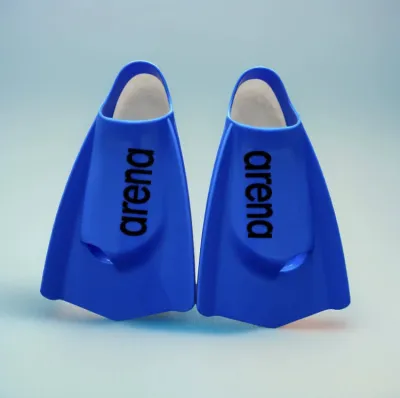
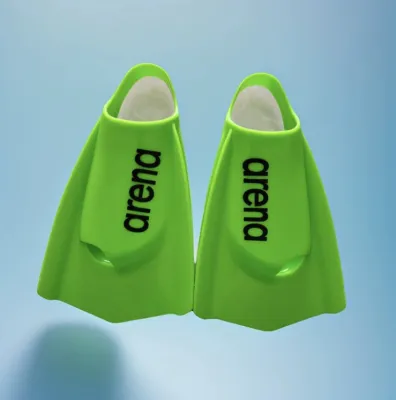
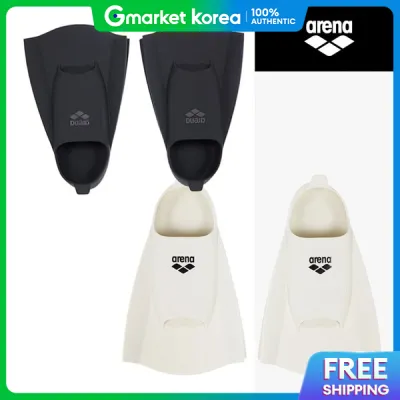
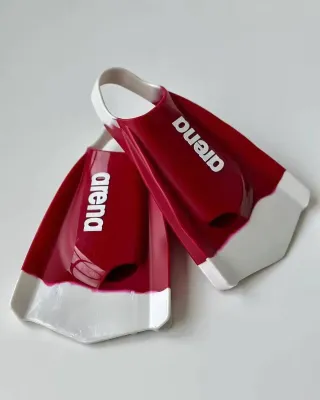
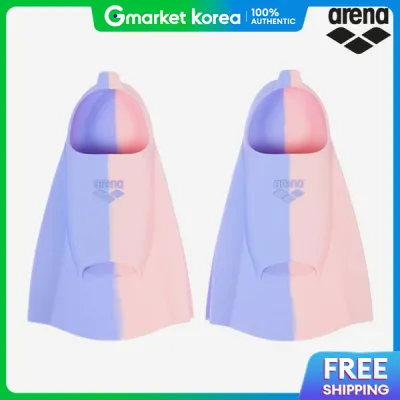
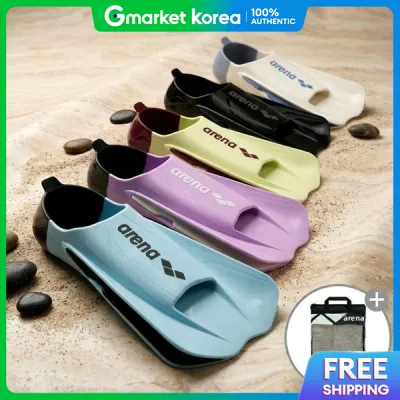
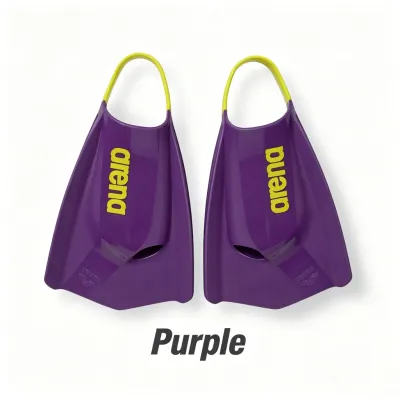
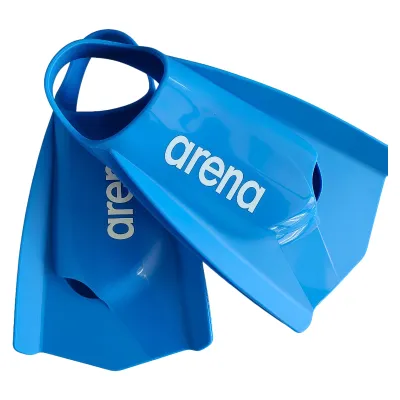
Prices are valid at publication and may change. Please refer to the product page for the latest price.
In warm tropical environments, such as the coastal waters of the Philippines, water temperatures keep muscles relatively relaxed, but high humidity and heat mean dehydration can set in quickly. An inefficient fin that demands excessive physical effort can accelerate dehydration and lead to sudden, painful muscle cramping. Therefore, understanding how water resistance and your equipment load affect your kick style is the first step in selecting the correct gear.
Matching Arena Fins to Snorkeling Needs
Snorkeling in tropical destinations involves hours of relaxed surface exploration, where comfort and endurance are far more important than raw power. For these conditions, shorter and more flexible fins, such as Arena’s swim training models, are highly effective. A shorter blade allows you to maintain a natural, rapid flutter kick without straining your calf muscles or Achilles tendons. This flexibility is especially beneficial when navigating shallow coral gardens, as shorter blades reduce the risk of accidentally kicking and damaging delicate marine life.

When choosing between open-heel and full-foot designs for snorkeling, consider your entry point and water conditions. Full-foot fins are ideal for warm water and boat entries, as they are worn barefoot and offer a seamless, lightweight fit. However, if you plan to enter the water from rocky shores or sandy beaches with hidden debris, an open-heel fin paired with thin neoprene booties is a safer choice. You should also look for travel-friendly features; compact, lightweight Arena models fit easily into standard backpacks or carry-on luggage, saving you from heavy gear bags during domestic flights.
Ultimately, snorkeling is about leisure and observation. If your fins are too stiff or too heavy, you will spend more energy fighting the water than enjoying the marine life. Selecting a flexible, short-to-medium blade ensures you can stay in the water longer without experiencing physical exhaustion.
Matching Arena Fins to Freediving Needs
Freediving is an exercise in extreme energy conservation, where every movement must be calculated to preserve your oxygen supply. To achieve deep descents and controlled ascents along a vertical line, freedivers rely on exceptionally long, rigid blades. These specialized blades store energy during the downstroke and release it during the upstroke, allowing you to glide effortlessly through the water column. Standard short-blade training fins are unsuitable for deep freediving because they lack the surface area needed to generate sufficient vertical thrust, forcing you to kick rapidly and deplete your oxygen.
If you are using Arena fins for basic breath-hold practice or shallow skin diving in a pool, a snug, ergonomic full-foot pocket is absolutely essential. The pocket must fit like a second skin to prevent your heel from slipping during the transition from the downward to the upward kick. Any heel slippage not only wastes energy but also causes painful blisters in warm, salty water. Before purchasing, verify the blade angle and stiffness ratings against your current leg strength; stiffer blades require advanced conditioning, and choosing a blade that is too rigid for your physical limits can lead to severe leg cramps at depth.
While short Arena fins are excellent for pool dynamic apnea training—where you practice horizontal swims to build technique and CO2 tolerance—they should not be used for open-water depth disciplines. For vertical diving, the mechanical advantage of a long blade is irreplaceable for safety and efficiency.
Matching Arena Fins to Scuba Diving Needs
Scuba diving requires moving through the water while carrying a heavy cylinder, a buoyancy compensator device, and potentially thick exposure suits. This bulky gear creates massive hydrodynamic drag, which cannot be overcome by lightweight or highly flexible swim fins. To maintain control and move against strong ocean currents, scuba divers need wide, stiff blades or specialized channel designs that scoop and direct water backward. These designs provide the powerful, deliberate thrust required for the frog kick and modified flutter kick styles commonly used by divers.
For scuba applications, open-heel fins equipped with adjustable straps or spring straps are generally necessary. These pockets are designed to accommodate thick, hard-soled dive boots, which protect your feet from cold water, sharp rocks during shore entries, and chafing from the fin straps. When evaluating fins for scuba, you must also assess their weight and buoyancy characteristics. Heavy, negatively buoyant fins can drag your feet downward, disrupting your horizontal trim and forcing you to work harder to maintain a flat profile in the water, which ultimately increases your air consumption.
Furthermore, scuba divers frequently use the frog kick to avoid stirring up silt from the seabed, which can instantly ruin visibility. Short, flexible swim fins do not support the frog kick well because they spill water off the sides rather than scooping it backward. A wider, stiffer blade with structured side rails is necessary to channel the water properly during the kick cycle.
Assessing Cross-Activity Compatibility and Proper Fit
While specialized fins offer optimal performance for individual sports, many recreational water enthusiasts look for a single pair of hybrid fins that can handle multiple activities. Mid-length fins with moderate stiffness can serve as a practical compromise, offering enough agility for casual snorkeling while providing sufficient thrust for light scuba diving in calm, current-free waters. However, if you plan to pursue deep freediving or technical scuba diving, you should invest in dedicated, discipline-specific gear rather than relying on a single hybrid model.
To ensure a safe and comfortable experience, always perform a systematic fit check before entering the water. Slip your foot into the pocket and sit down, then lift your foot and shake it gently; if the heel slips out or if there is visible space around your ankle, the pocket is too large and will cause chafing. Next, stand up and press your toes forward; if your toes press painfully against the front of the pocket or if your arches begin to cramp, the fins are too small. If you experience any discomfort, stop using the fins immediately and consult the manufacturer’s sizing charts or visit a local dive shop to try a different size or model.
Never attempt to compensate for a loose fin pocket by overtightening straps or wearing thick socks that bunch up inside the pocket. A compromised fit can restrict blood circulation, leading to rapid cramping or numbness while underwater, which poses a serious safety risk.
Frequently Asked Questions (FAQ)
Can I use my scuba diving fins for snorkeling?
Using heavy, stiff scuba diving fins for casual snorkeling is generally uncomfortable and physically exhausting. Scuba fins are engineered to push through high drag while carrying heavy gear, which requires a slow, powerful kick cycle. When you use them at the surface without the weight of scuba equipment, the rigid blades create excessive resistance against the water’s surface, leading to rapid muscle fatigue, ankle strain, and cramping during extended swims.
How do I determine the correct blade stiffness for my leg strength?
To find the right blade stiffness, manually flex the fin blade; it should bend smoothly under moderate hand pressure without feeling completely rigid or overly floppy. Consider your personal history with muscle cramps and your physical conditioning; beginners and those prone to cramping should opt for softer, more flexible materials. Additionally, keep in mind that cooler water temperatures can make certain plastic and composite materials stiffer, increasing the physical effort required to kick.
Community discussion
Share your experience or ask a question. Comments are reviewed before publication.