
Selecting the right Asics knee pad requires matching the specific physical demands of your sport to the protective and structural features of the gear. High-impact court sports demand dense, shock-absorbing padding to cushion hard landings, while high-mobility activities require flexible, low-profile sleeves that support the joint without restricting rapid directional changes. By evaluating your movement patterns and checking product specifications, you can find a model that balances protection, comfort, and mobility.
Identifying Your Sport's Impact and Movement Demands
Every sport places a unique set of physical stressors on your knees. High-impact sports like indoor volleyball require gear designed for sudden, direct contact with hard surfaces, where shock absorption is the primary line of defense. Conversely, high-mobility sports like basketball or trail running demand lateral stability and joint warmth, prioritizing fluid movement over bulky padding.
Repetitive jumping on hard wooden courts or concrete surfaces can lead to chronic joint strain, while diving for a ball introduces the risk of acute impact injuries and painful floor burns. Understanding whether your knees face sudden, heavy impacts or continuous, repetitive motion helps narrow down your choices.
Products mentioned in this guide
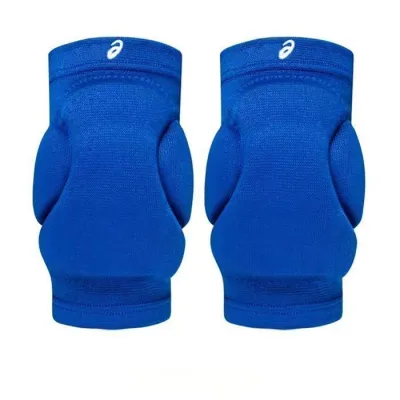
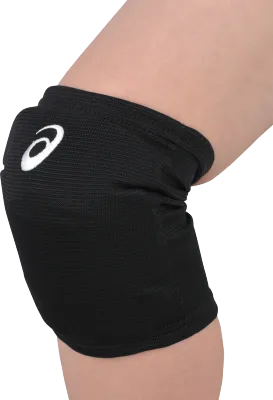
Prices are valid at publication and may change. Please refer to the product page for the latest price.
Before browsing, establish a basic checklist of your physical needs. If your sport involves frequent floor contact, look for heavily padded guards with reinforced outer shells. If your activity centers on continuous running, quick cuts, or agility drills, a lightweight, flexible compression sleeve is generally more appropriate to maintain joint alignment and warmth.
Matching Asics Knee Pad Features to Specific Sports
To find the right match, you must look beyond the brand name and carefully evaluate the technical specifications listed on the product packaging or manufacturer’s website. Pay close attention to the padding material, sleeve length, and fabric composition to ensure they align with your athletic environment.

Volleyball: Cushioning for Hard Court Dives
When playing volleyball on hard indoor courts, your knees require substantial protection against direct floor impacts. Look for product labels that specify thick foam or specialized gel padding designed to absorb and disperse shock during defensive dives.
The coverage area is equally critical; verify that the pad features extended side panels or a wrap-around design to protect the lateral sides of your knees from friction and floor burns.
Given the intense nature of indoor play, especially in warm, humid tropical climates, check the packaging for moisture-wicking fabric technologies. Breathable materials help manage sweat, keeping the pads from slipping down your legs during critical plays.
Basketball: Mobility and Lateral Support
Basketball players require a balance of moderate impact protection and maximum freedom of movement for quick cuts, crossovers, and explosive jumps. Prioritize ergonomic, pre-curved designs on the product specification sheet that mimic the natural bend of the knee joint.
To prevent the gear from sliding down during intense sprints, check for built-in silicone grippers or robust anti-slip elastic bands along the upper and lower hems.
Evaluate the compression level indicated on the packaging. A supportive compression fit helps maintain joint warmth and muscle stability throughout the game, without restricting your ability to bend deeply or sprint down the court.
Running and Trail: Lightweight Compression
For runners and trail athletes, heavy padding is unnecessary and can actively interfere with your natural stride. Instead, focus on verifying lightweight, highly breathable compression sleeves that offer mild support and joint warmth.
Check the product description for targeted compression zones, which are designed to support blood flow and aid muscle recovery during long-distance runs.
Examine the seam construction and fabric texture to ensure they are flat-locked or seamless. This prevents painful chafing and irritation during the thousands of repetitive stride cycles of a typical run.
Verifying Fit, Sizing, and Material Specifications
Even the most advanced knee pad will fail to protect you if the fit is incorrect. To find your size, use a flexible measuring tape to measure the circumference of your leg at the specific points indicated on the manufacturer’s sizing chart—typically around the center of the kneecap, as well as a few inches above and below it.
Material composition is another vital factor to check, particularly in hot and humid environments where skin irritation is common. Compare the fabric labels; while neoprene blends offer excellent structural support and heat retention, synthetic nylon and spandex blends generally provide superior breathability and moisture management for sensitive skin.
Once you receive the gear, perform a physical trial before heading to the court or trail. Put the pads on and perform a series of deep squats, lunges, and lateral steps. Ensure the material does not pinch the sensitive skin behind your knee, restrict your circulation, or slide down during movement.
Maintenance, Washing, and Replacement Signals
Proper care is essential to maintain the elasticity, grip, and protective qualities of your knee pads over time. Always check the manufacturer’s care label for specific washing instructions; hand washing in cool water with a mild detergent and air drying away from direct sunlight is generally recommended to prevent the degradation of elastic fibers and silicone grippers.
Regularly inspect your gear for physical and tactile signs of wear. Look for permanently compressed or shifting padding, stretched-out elastic bands that no longer hold their shape, and pilling or tearing fabric.
Replace your knee pads immediately if you notice a significant loss of compression, if the padding no longer rebounds after an impact, or if the inner lining becomes rough and causes skin irritation. Consistent joint protection and hygiene depend on replacing worn-out gear promptly.
Frequently Asked Questions (FAQ)
Can I use a volleyball knee pad for basketball?
While it is physically possible, it is generally not recommended due to the design differences. Volleyball pads feature thick, bulky cushioning optimized for direct floor impacts, which can restrict the deep knee bends and rapid lateral movements required in basketball. For basketball, a more flexible, low-profile pad or compression sleeve is preferred to maintain agility and ventilation.
How tight should an Asics knee sleeve feel?
An Asics knee sleeve should feel snug and supportive, applying even pressure around the joint without causing discomfort. It should not pinch the skin behind your knee, leave deep red marks, or cause numbness or tingling in your lower leg or foot. Test the fit by performing a few squats to ensure it stays in place while allowing full circulation.
Do knee pads prevent all knee injuries in sports?
No, knee pads and sleeves do not prevent all knee injuries. They are designed to absorb impact, protect against abrasions, and provide mild joint support and warmth, but they cannot protect against severe structural injuries like ligament tears. Protective gear should always be paired with proper athletic training, strength conditioning, and correct movement techniques. If you experience persistent knee pain or instability, consult a medical professional.
Community discussion
Share your experience or ask a question. Comments are reviewed before publication.