
Selecting the right tennis racket is the most critical decision you can make to protect your arm, develop proper swing mechanics, and enjoy your time on the court. The Babolat Boost series is specifically engineered to bridge the gap between heavy, demanding professional frames and cheap, vibrating recreational rackets. By offering a full-graphite construction at an accessible price point, this lineup provides the perfect foundation for players who want to transition from casual hitting to structured club play or local league matches.
Finding the ideal Boost model for your specific game requires balancing your physical strength, swing speed, and current skill level. Rather than choosing a racket based solely on aesthetics or professional player endorsements, you must evaluate how each model’s head size, weight, and balance align with your physical capabilities. This guide will walk you through the decision-making process, helping you identify the exact frame that will support your development on the court.
Quick Guide: Matching Your Skill Level to the Right Babolat Boost Model
Your current playing ability and physical comfort should dictate which Babolat Boost model you select. The Boost lineup is divided into distinct variants, each tailored to address specific player needs, from effortless power generation to enhanced control and spin.
Products mentioned in this guide
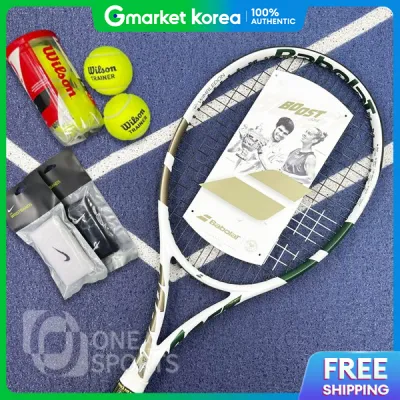
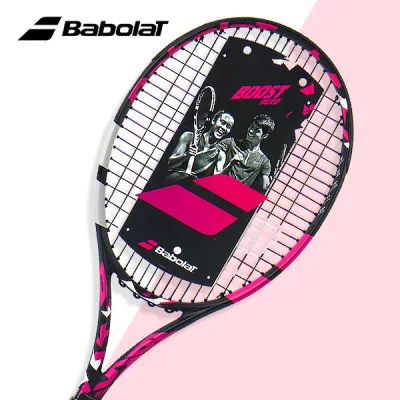
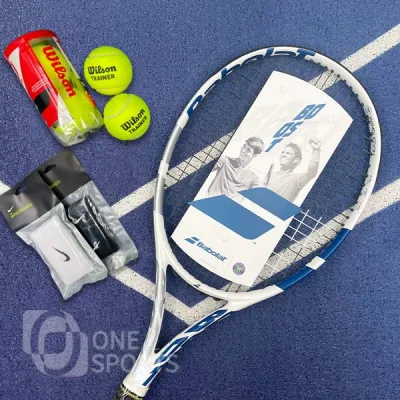
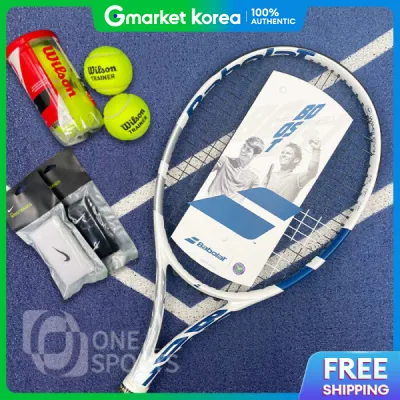
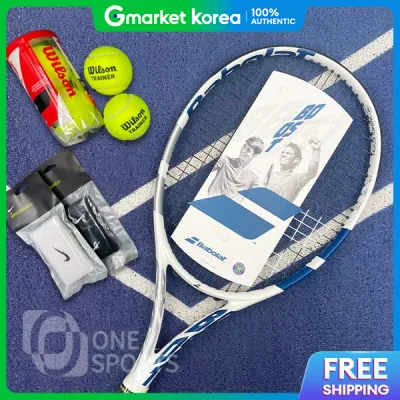
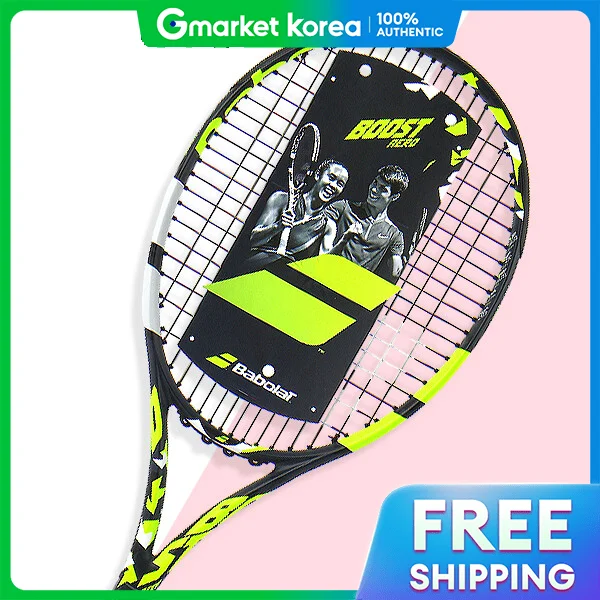
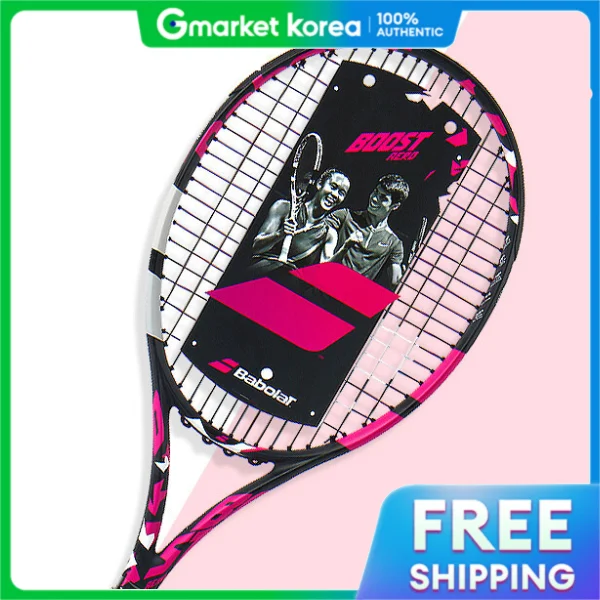
Prices are valid at publication and may change. Please refer to the product page for the latest price.
- Beginner to Early Intermediate Players: If you are still developing clean contact with the ball and require a forgiving frame, look for models with larger head sizes and lighter static weights. These variants, often designated as the "Drive" or "D" models, feature a generous sweet spot that minimizes the penalty for off-center hits and helps you push the ball deep into the opponent's court with minimal effort.
- Developing Intermediates and Spin Seekers: If you have established a consistent swing path and want to start shaping your shots with topspin, look toward the "Aero" or "A" variants. These frames utilize aerodynamic frame geometry to help you increase your swing speed, making it easier to generate the upward brush required for spin.
- Control-Oriented Club Players: If you naturally swing fast and find that your shots frequently fly past the baseline, you need a frame that prioritizes precision over raw power. The "Strike" or "S" variants feature slightly narrower beam widths and standard head sizes, offering a more connected feel and greater directional control.
To interpret the manufacturer’s skill-level indicators on official product pages, look closely at the designated weight and head size categories. Babolat typically positions the Boost line as an “easy-to-play” range, but checking the specific letter suffixes on the frame will tell you whether a particular model leans toward power, spin, or control.
Understanding the Babolat Boost Lineup and Model Variants
The core design philosophy behind the Babolat Boost series is accessibility without compromising structural integrity. Unlike cheap recreational rackets that rely on heavy, stiff aluminum or composite materials, every racket in the Boost family is constructed from 100% graphite. This material choice is crucial because graphite absorbs harsh vibrations far better than aluminum, significantly reducing the risk of developing tennis elbow during long practice sessions.

Within the broader tennis ecosystem, the Boost series sits comfortably between entry-level recreational frames and the heavier, stiffer performance lines like the Pure Drive or Pure Aero. It is designed specifically for players who do not yet possess the explosive physical strength or highly developed technique required to swing a 300-gram professional frame for two hours, yet still want a high-quality racket that responds predictably.
When comparing the different variants within the Boost family, you will encounter distinct trade-offs between power-oriented and control-oriented designs:
- Power-Oriented Frames (e.g., Boost Drive): These models feature wider frame profiles (beams) and larger head sizes. The wider beam makes the racket stiffer, meaning less energy is lost when the ball impacts the string bed, resulting in effortless depth on your shots.
- Control-Oriented Frames (e.g., Boost Strike): These models utilize a thinner, more flexible beam. When you strike the ball, the frame flexes slightly more, absorbing some of the ball's energy and keeping it on the strings a fraction of a second longer, which gives you more control over the direction and depth of your shot.
Choosing between these variants requires an honest assessment of your physical strength. If you struggle to hit the ball past the service line, a power-oriented frame will make the game much more enjoyable. If you are naturally athletic and find yourself holding back your swing to keep the ball in play, a control-oriented frame will allow you to swing fully with confidence.
Key Racket Specifications to Check Before You Buy
Before finalizing your purchase, you must verify several technical specifications on the product label or the manufacturer’s official website. These metrics directly influence how the racket feels in your hand and how it behaves during a swing.
Head Size and Sweet Spot
The head size of a racket is measured in square inches. Standard performance rackets typically feature a 100-square-inch head, which offers a balanced mix of control and power. Several Boost models offer larger head sizes, such as 102 or 105 square inches. A larger head size directly translates to a larger sweet spot, providing more forgiveness when you misjudge the ball’s bounce. However, as head size increases, directional precision decreases slightly, making it highly suitable for beginners but less ideal for advanced players targeting small corners of the court.
Weight and Balance
Static weight refers to how much the racket weighs when it is not being swung, typically measured in grams unstrung. Boost rackets generally range from 260 to 280 grams, making them highly maneuverable. In the tropical climate of the Philippines, where high heat and humidity can accelerate physical fatigue, a lighter racket is highly advantageous. It allows you to maintain a fast swing speed during long afternoon sessions on outdoor concrete or shell courts without putting excessive strain on your shoulder and wrist.
String Pattern and Beam Width
Most Boost models utilize an open 16×19 string pattern, meaning there are 16 main (vertical) strings and 19 cross (horizontal) strings. This open spacing allows the strings to deflect and snap back during impact, generating easy spin and a higher launch angle. The beam width, or thickness of the frame’s edge, should also be verified. A thicker beam (above 23mm) provides a stiffer response and more power, while a thinner beam (21-22mm) offers more flexibility and feel.
Grip Size Selection
Selecting the correct grip size is essential to prevent the racket from twisting in your hand, especially when sweating heavily in humid conditions. You can determine your grip size using a simple hand measurement technique:
- The Index Finger Test: Hold the racket handle in your dominant hand using a continental grip (as if you were holding a hammer). Attempt to slide the index finger of your non-dominant hand into the space between your ring finger and the palm of your gripping hand. If there is not enough room for your finger, the grip is too small. If there is a large gap, the grip is too large.
- The Ruler Test: Align a ruler with the middle crease of your palm and measure to the tip of your ring finger. This measurement in inches or millimeters corresponds directly to standard grip sizes (typically ranging from Grip 1/4 1/8 inches to Grip 4 1/2 inches).
How to Test and Validate Your Racket Choice
Once you have narrowed down your choices based on specifications, you should take active steps to validate your decision before committing to a purchase. This ensures the racket fits your physical profile and playing style in real-world conditions.
Whenever possible, take advantage of demo or rental programs. Many local tennis clubs, sports complexes, and pro shops in major metropolitan areas across the Philippines offer racket rental services. For a small fee, which is often deductible from the final purchase price, you can take a Boost model onto the court for a few sets. Pay close attention to how your arm feels after thirty minutes of play; if you experience any tingling or soreness in your elbow, the frame may be too stiff or the grip size may be incorrect.
Because counterfeit tennis equipment is common on unverified online marketplaces, you must inspect any delivered racket thoroughly for authenticity markers. Genuine Babolat rackets feature clean, crisp paint finishes with no overlapping decals or smudges. Look for the official holographic security sticker on the throat or handle of the frame, which displays a unique serial number. Additionally, verify that the racket comes with an official warranty card from an authorized distributor, ensuring you are protected against manufacturing defects.
Finalizing Your Purchase and Racket Setup
After selecting your Babolat Boost model, the final step is configuring the racket setup to complement your playing style and local environmental conditions.
Many Boost models are sold pre-strung from the factory with a basic synthetic gut string. While this is highly convenient for absolute beginners, intermediate players will benefit greatly from customizing their string setup. If you decide to restring your racket, you must select an appropriate string material and tension range:
- String Material: Synthetic gut or multifilament strings are highly recommended for the Boost series. These materials are soft and elastic, enhancing the arm-friendly nature of the graphite frame. Avoid stiff polyester strings unless you are an advanced intermediate player who frequently breaks strings, as polyester can make the lightweight frame feel harsh and unforgiving.
- Tension Selection: Rackets have a recommended tension range printed on the inside of the throat (typically between 50 and 59 pounds). In the hot, humid climate of the Philippines, tennis strings lose tension much faster due to heat exposure. If you play primarily on outdoor courts, consider stringing your racket near the middle or slightly above the middle of the recommended range (e.g., 54 to 55 pounds) to compensate for this rapid tension loss over time.
To guarantee you receive a genuine product and reliable after-sales support, always purchase your racket from authorized sports retailers, official brand stores, or verified specialty tennis shops. Avoid purchasing from unverified third-party sellers on general ecommerce platforms, as these products often lack warranty coverage and may not meet the manufacturer’s strict quality control standards.
Frequently Asked Questions (FAQ)
Is the Babolat Boost series suitable for competitive tournament play?
The Babolat Boost series is highly suitable for recreational tournaments, club ladders, and junior competitive play. However, it is not designed for high-level, open-category competitive tournaments or advanced collegiate play. As your swing speed increases and you face opponents who hit with heavy pace, you will eventually reach a physical milestone where the lightweight frame of the Boost series begins to twist or flutter upon impact. When you find yourself consistently struggling to control heavy incoming balls, or if you feel the racket vibrating excessively against powerful shots, it is time to upgrade to a heavier performance frame like the Pure Drive or Pure Aero.
How often should I restring my Babolat Boost racket?
A reliable rule of thumb is to restring your racket as many times per year as you play per week. For example, if you play twice a week, you should aim to restring your racket at least twice a year. However, because the high humidity and temperature in the Philippines accelerate the degradation of string elasticity, you should also monitor your equipment for physical signs of wear. If you notice the strings shifting out of place constantly, fraying along the sweet spot, or producing a dull, hollow sound upon impact, the strings have lost their tension and should be replaced to maintain consistent performance and protect your arm.
Community discussion
Share your experience or ask a question. Comments are reviewed before publication.