
Choosing the right badminton bag capacity depends on your weekly playing frequency, how you travel to the court, and the exact amount of gear you need to protect from tropical humidity. While a casual player might only need to carry one or two rackets, regular club players often require space for multiple frames, court shoes, a change of clothes, and hydration. Finding the balance between carrying too much bulk and running out of space is key to keeping your gear organized and protected.
Assessing Your Gear: What Do You Actually Carry?
Before looking at bag sizes, you must take a realistic inventory of the equipment you bring to every session. Rackets are fragile, and carrying at least one spare is a smart strategy because strings can snap unexpectedly mid-game. If you carry two or three rackets, they need dedicated slots or dividers so they do not clash against each other during transit, which can scratch the paint or damage the graphite frames.
Shoes are another major space consumer that many players underestimate when choosing a bag. Court shoes have specialized rubber soles designed to grip wooden or vinyl court mats, meaning they must stay clean and free of outdoor dirt. Storing them in the same compartment as your clean clothes or rackets is a recipe for transferring dirt, moisture, and odors, making a dedicated shoe compartment essential.
Products mentioned in this guide
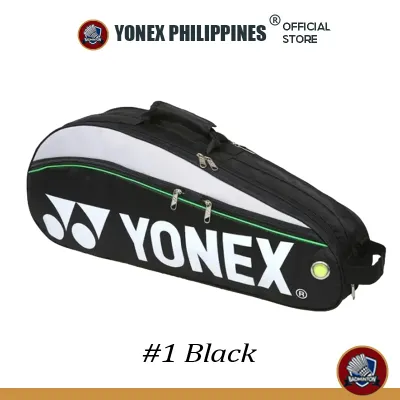
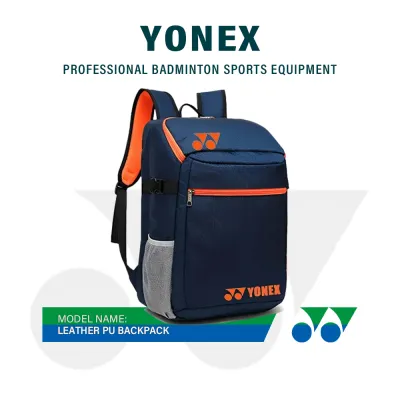
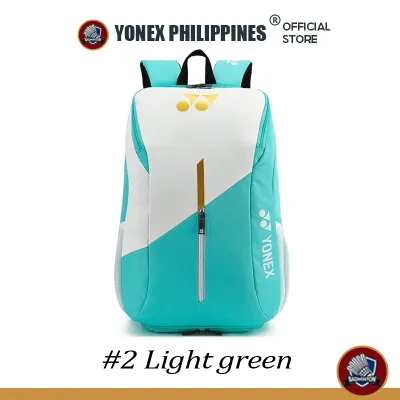
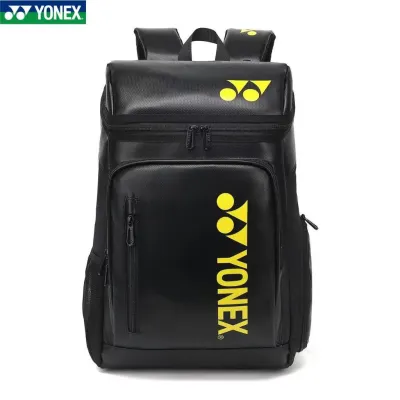
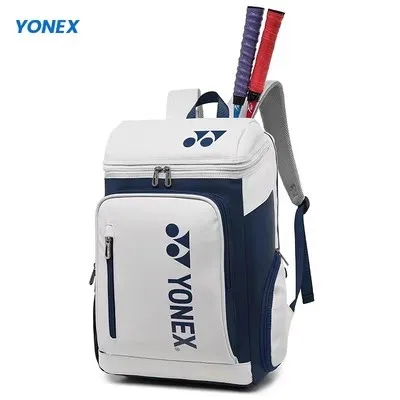
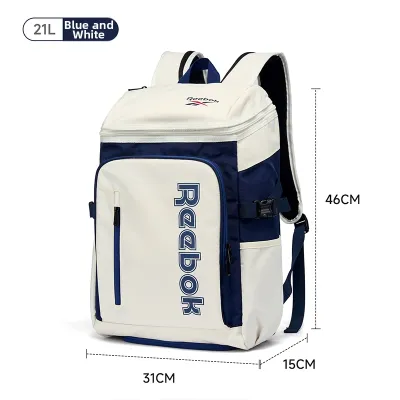
Prices are valid at publication and may change. Please refer to the product page for the latest price.
Consumables and accessories also add up quickly and require organized storage. A tube of shuttlecocks is bulky and rigid, requiring a long, cylindrical space that can easily crush other items if forced into a tight spot. You also need to pack extra grip tapes, scissors, sports towels, wristbands, and a large water bottle to stay hydrated in hot indoor sports centers.
Finally, consider your post-game routine and personal items. Playing in a humid climate means you will likely sweat through your shirt and shorts, requiring a complete change of clothes and toiletries. Your daily essentials like keys, phone, wallet, and motorcycle keys also need secure, dry pockets where they will not get damp or scratched by loose gear.
Understanding Badminton Bag Capacity Measurements
Manufacturers typically label bags using two different systems: total volume in liters or the maximum number of rackets the bag can theoretically hold. Understanding the difference prevents buying a bag that is too small for your actual gear loadout. A bag’s advertised racket capacity does not mean you should pack it to the brim solely with rackets.

Racket-count ratings, such as a “6-racket bag,” assume you are only packing rackets in those compartments. If you plan to pack shoes, clothing, and a shuttlecock tube, a 6-racket bag will realistically only hold two or three rackets alongside your other gear. The remaining space is taken up by the bulk of your non-racket equipment.
Standard capacity tiers generally fall into three categories. Small bags or backpacks are designed for 1 to 2 rackets and are ideal for quick sessions. Medium-sized rectangular or shoulder bags are rated for 3 to 6 rackets, offering a balanced mix of gear storage and portability. Large tournament bags are built for 9 or more rackets, offering massive storage for serious competitors who carry multiple setups.
Internal design features also affect how much you can actually fit inside. Thick foam padding, structural dividers, and thermal foil linings protect your frames but consume valuable physical space, reducing the overall volume available for loose items. When evaluating a bag, consider how these protective layers impact the usable space for your shoes and apparel.
Matching Bag Size to Your Playing Routine
Your choice of bag should align with how often you play and how you travel to the venue. Casual players who visit the court once a week or bi-weekly generally do well with a lightweight badminton backpack. These bags hold one or two rackets with the handles sticking out, leaving just enough room for shoes, a shirt, and a water bottle.
Regular club players who play multiple times a week usually benefit from a 3-to-6-racket bag. This size provides dedicated compartments to isolate sweaty gear, protect multiple rackets from high temperatures, and store extra grip accessories without crushing them. It offers a practical balance of storage and portability for the dedicated recreational player.
Coaches, advanced players, and tournament competitors require the maximum capacity of a 9-racket bag or a wheeled duffel. These users must carry multiple backup rackets with different string tensions, several tubes of shuttlecocks, first-aid kits, resistance bands, and extra footwear. The massive volume ensures they are prepared for long tournament days.
Commuting methods play a massive role in choosing bag dimensions. If you travel by motorcycle or squeeze into public transit like jeepneys and trains, a massive, rigid 9-racket bag can be incredibly cumbersome and unsafe. A streamlined backpack or a compact, soft-sided 3-racket shoulder bag is much easier to manage in tight spaces and crowded commutes.
Key Features to Check Beyond Total Capacity
Capacity is only part of the equation; how the bag protects your gear in tropical conditions is equally important. Look for racket compartments equipped with thermal lining insulation. High heat inside car trunks or sunny staging areas can weaken racket strings and warp graphite frames over time, making thermal protection a crucial feature.
Ventilation is critical for managing moisture and odor. A dedicated shoe compartment should feature mesh grommets or breathable vents to let air circulate, preventing mold from developing on damp court shoes. Similarly, a lined, water-resistant pocket keeps wet jerseys isolated from dry gear, preventing dampness from spreading throughout the bag.
A heavy bag requires an ergonomic carrying system to prevent shoulder and back strain. Check for thick, adjustable shoulder straps with breathable mesh padding that won’t dig into your shoulders. Chest straps help distribute weight evenly, which is especially helpful if you walk or ride a bike to the sports center.
Material durability determines how well the bag withstands daily wear. Verify that the exterior fabric has a water-resistant coating to protect your gear during sudden monsoon downpours. Look for reinforced double-stitching at high-stress points and heavy-duty zippers that won’t split under tension when the bag is fully packed.
Common Capacity Mistakes to Avoid
One of the most common errors is overbuying capacity. Purchasing a massive tournament bag when you only carry two rackets results in a floppy, unstructured bag that is awkward to carry and takes up too much space on court benches. It is always better to match the bag size to your actual gear list.
Conversely, ignoring the internal layout can ruin your gear. A large bag with only one giant compartment forces your rackets, dirty shoes, and heavy water bottles to jumble together, risking scratched frames, broken strings, or soiled clothing. Always look for bags with dedicated dividers to keep items separated.
Always remember to factor in the fully loaded weight of your bag. A bag that feels light when empty can become incredibly heavy once you add a liter of water, a pair of shoes, and multiple rackets. Test how the straps feel when the bag is fully packed to ensure it remains comfortable to carry during your commute.
Frequently Asked Questions (FAQ)
Can I use a regular backpack instead of a dedicated badminton bag?
Yes, a standard school or laptop backpack can work for casual sessions if you only need to carry one racket. However, standard backpacks lack the specialized shape to fully cover racket frames, leaving the handles exposed to weather and accidental impacts. They also lack thermal lining to protect strings from heat and rarely feature isolated, ventilated compartments to keep dirty shoes away from clean clothes.
How do I clean and maintain my badminton bag to make it last longer?
To maintain your bag, start by emptying all compartments after every session and shaking out loose dirt, grip dust, or broken shuttlecock feathers. Wipe down both the interior and exterior surfaces using a soft cloth dampened with water and mild soap, avoiding harsh chemical detergents. Always allow the bag to air dry completely in a shaded, well-ventilated indoor area before storing it to prevent mold, mildew, and unpleasant odors from building up.
Community discussion
Share your experience or ask a question. Comments are reviewed before publication.