
Finding the right badminton racket bag capacity depends on your playing frequency, the number of rackets you carry, and the extra gear required for your sessions. Casual weekly players usually only need a compact bag holding one to three rackets. However, regular club players and tournament competitors require six-racket or nine-racket bags to accommodate spare frames, court shoes, and fresh apparel. Selecting the wrong size can leave you struggling with cramped compartments or carrying unnecessary bulk during your daily commute.
Assess Your Playing Frequency and Gear Load
Before browsing bag designs, evaluate your weekly routine and the specific items you must bring to the court. Casual players who play once a week for recreation generally require fewer backups. In contrast, regular club players or those training for local tournaments often need multiple rackets ready. Having at least one backup racket is highly recommended because strings can snap unexpectedly during intense rallies, especially in warm, humid climates.
Your gear load extends far beyond the rackets themselves. Playing badminton in tropical conditions means dealing with heavy perspiration, making a change of clothes, a quick-dry towel, and extra grip tape absolute necessities. You also need space for a dedicated pair of court shoes, a water bottle, and a tube of shuttlecocks. If you carry all of these items to every session, a basic single-racket sleeve will quickly prove insufficient.
Products mentioned in this guide
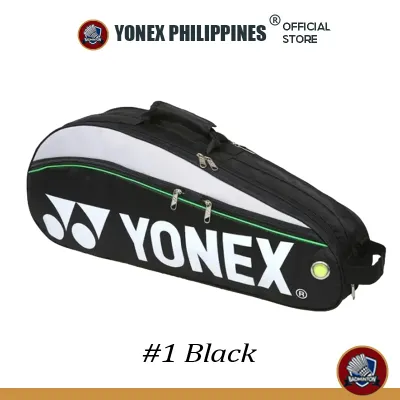
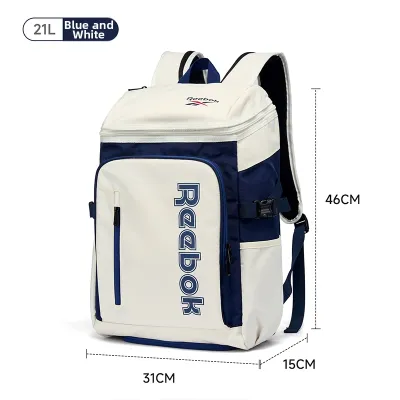

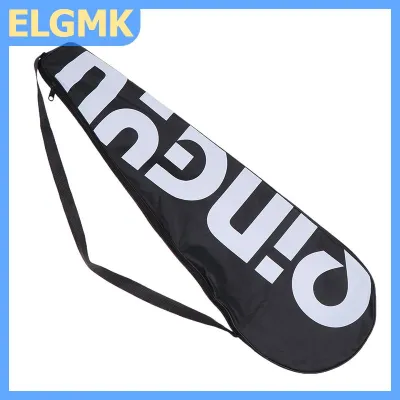
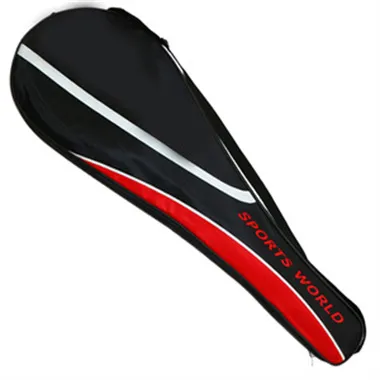
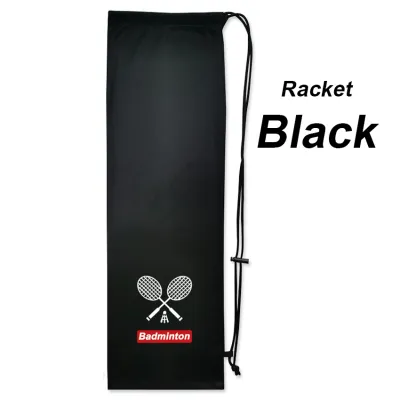
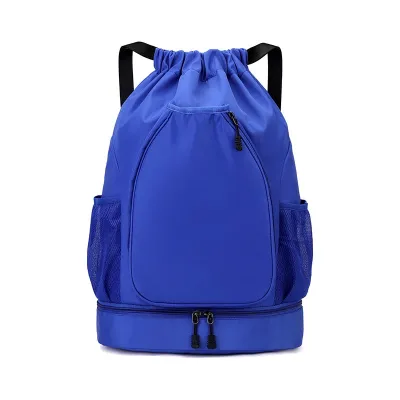
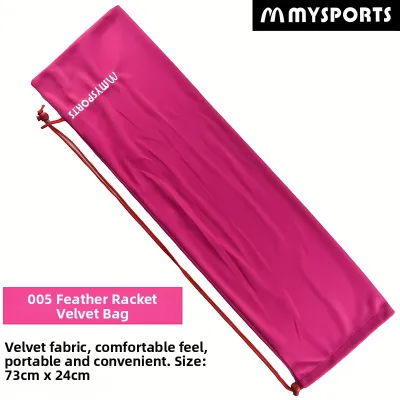
Prices are valid at publication and may change. Please refer to the product page for the latest price.
Your daily commute also plays a significant role in determining the ideal bag size. If you rely on public transportation, such as jeepneys, tricycles, or crowded commuter trains, a massive rectangular tournament bag can be highly cumbersome to manage. On the other hand, if you travel by private vehicle, you have the luxury of choosing a larger bag that can remain in your trunk. Balancing your transport limitations with your gear requirements is the first step toward making a practical choice.
Matching Bag Capacity to Your Routine
Badminton bags are universally categorized by the maximum number of rackets they can hold, typically ranging from single-sleeve designs to three, six, and nine-racket configurations. However, these industry-standard ratings assume you are filling the compartments exclusively with rackets. In practice, most players use these designated spaces to store a mix of rackets, apparel, and personal items.

Understanding this dual-purpose design allows you to utilize your bag more efficiently. For example, a compartment rated for three rackets can easily hold one racket alongside a rolled-up shirt and a small towel. As you move up in size, the flexibility of these compartments increases, allowing you to organize your gear more systematically.
While larger bags offer superior organization, they also demand more physical effort to carry. A fully loaded multi-compartment bag can become surprisingly heavy, putting unnecessary strain on your shoulders before you even step onto the court. Finding the sweet spot means choosing a capacity that accommodates your essential gear without adding excess bulk to your routine.
1-Racket and 3-Racket Bags for Casual Play
Single-racket covers and three-racket bags are the go-to options for beginners, recreational players, and those who prefer to travel light. These bags are designed for simplicity, offering just enough space for the absolute essentials. If you only own one or two rackets and play occasionally with friends, this compact size keeps your gear organized without taking up much space at home.
In terms of storage, a three-racket bag typically features one main compartment and a small side pocket for accessories. You can comfortably pack your rackets, a replacement grip, a small wallet, and a phone. Some players also manage to squeeze in a thin hand towel, making it a highly efficient choice for quick, low-intensity sessions.
However, these smaller bags come with clear limitations. They rarely feature dedicated shoe compartments, meaning you must wear your court shoes to the venue or carry them in a separate plastic bag. Additionally, fitting a full, rigid tube of shuttlecocks alongside your rackets can stretch the zippers to their limits, risking damage to both the bag and your gear.
6-Racket Bags for Regular and Club Players
For dedicated club players who step onto the court two to four times a week, a six-racket bag is often the most versatile and balanced choice. This mid-sized option is designed to handle a more demanding routine, providing separate compartments that keep your clean gear isolated from dirty items. It offers the ideal compromise between storage capacity and portability.
One of the most significant advantages of a six-racket bag is the inclusion of specialized compartments. Many models feature a dedicated, ventilated shoe pocket, allowing you to keep your dusty court shoes away from your clean shirts and towels. Additionally, some compartments may feature thermal lining, which helps protect your racket strings from extreme temperature fluctuations that can cause tension loss.
With a six-racket capacity, you can easily carry three rackets on one side while utilizing the remaining space for a full tube of shuttlecocks, a change of clothes, and your toiletries. This layout ensures that everything you need for a multi-hour session is neatly organized and easily accessible, making your transition from work or school to the court seamless.
9-Racket Bags for Tournaments and Heavy Loadouts
Advanced players, coaches, and competitive athletes who participate in weekend tournaments usually require the extensive storage of a nine-racket bag. These large, rectangular bags are built to accommodate heavy loadouts, ensuring you have multiple backup rackets with different string tensions to adapt to varying court conditions.
A typical nine-racket bag features three large main compartments, along with multiple external pockets for accessories like scissors, grip powder, and medical tape. This spacious design allows you to pack multiple changes of clothes, large bath towels, and even a portable foam roller or stretching bands. The dedicated shoe compartment is often larger, easily accommodating bulkier court shoes.
Before choosing a nine-racket bag, it is crucial to consider its physical footprint. These bags are highly bulky and can be difficult to maneuver in tight spaces or on public transit. Furthermore, if you travel frequently for regional tournaments, you must verify the bag’s dimensions against airline carry-on limits, as some oversized tournament bags may need to be checked in, risking damage to your valuable rackets.
Essential Storage and Protection Features to Verify
When selecting a badminton bag, looking beyond the raw racket capacity is essential to ensure your gear remains protected. One of the most critical features to verify is thermal protection. High temperatures can cause racket frames to warp and strings to lose tension rapidly; checking manufacturer specifications for silver or foil-lined thermal compartments is highly recommended to shield your equipment from ambient heat.
Ventilated shoe storage is another feature that directly impacts the longevity of your gear. Storing damp, sweaty court shoes in an unventilated compartment creates a breeding ground for bacteria and unpleasant odors. Look for bags that feature mesh vents or dedicated external zippers for the shoe pocket, allowing air to circulate and dry out your footwear after a grueling match.
The overall durability of the bag relies heavily on the quality of its materials and construction. Inspect the zippers to ensure they are robust and glide smoothly, as cheap zippers are often the first component to fail under the pressure of a packed bag. Water-resistant outer coatings are also valuable, protecting your expensive rackets and dry clothes from sudden tropical downpours during your commute.
Finally, evaluate the ergonomics of the carrying system. Backpack-style straps with thick, breathable padding are ideal for longer commutes or walking distances, as they distribute the weight evenly across both shoulders. If you primarily travel by car, a simple single shoulder strap or heavy-duty grab handles may be sufficient, but comfort should always be a priority to prevent pre-match fatigue.
Signs It Is Time to Upgrade or Downsize Your Current Bag
Your badminton bag should adapt to your evolving journey as a player. If you find yourself struggling to zip your bag closed, or if your racket handles are constantly protruding and exposed to the elements, it is a clear sign that your current bag is too small. Forcing zippers shut over packed gear leads to premature wear and can bend your racket frames.
Conversely, carrying a massive, mostly empty bag can be highly inefficient. If you only bring two rackets and a water bottle to the court but carry a nine-racket bag, the empty space allows your gear to shift around violently during transit, potentially causing scratches. Downsizing to a more compact, snug bag can reduce shoulder strain and make your commute much more comfortable.
Regular maintenance checks can also help you decide whether to keep or replace your bag. Inspect the interior seams for fraying, check the strap padding for degradation, and sniff the compartments for persistent mold or mildew odors that refuse to wash out. In humid climates, moisture buildup can ruin the inner lining over time, making a replacement necessary for hygienic reasons.
If your bag is still structurally sound but no longer fits your badminton routine, consider repurposing it for general travel or gym use. However, if the zippers are broken, the thermal lining is peeling, or the straps are torn, investing in a new, specialized badminton bag will ensure your expensive rackets remain safe, dry, and ready for your next match.
Frequently Asked Questions (FAQ)
Can I use a regular backpack instead of a specialized badminton racket bag?
While you can use a standard backpack for casual play, it exposes your rackets to several risks. Standard backpacks rarely have compartments long enough to cover the entire racket, leaving the fragile handle protruding out of the zipper where it can easily get bumped or exposed to rain. Furthermore, generic backpacks lack thermal insulation to protect your strings from heat and do not have isolated, ventilated compartments to keep dirty court shoes away from your clean clothes. A standard backpack is only acceptable if you are carrying a single, inexpensive racket for a very brief, casual session and have a separate bag for your shoes.
How should I clean and maintain my badminton bag to extend its lifespan?
To keep your badminton bag in top condition, always start by checking the manufacturer’s care label for specific washing instructions. Empty all compartments completely after every session, leaving the zippers open to allow trapped moisture and sweat to evaporate. Wipe down the interior and exterior surfaces with a damp microfiber cloth and a mild soap solution, then hang the bag to air-dry completely in a shaded, well-ventilated area away from direct sunlight. Avoid using harsh chemical detergents or putting the bag in a washing machine unless explicitly permitted by the manufacturer, and consult a professional cleaner if your bag is made of premium, specialized materials.
Community discussion
Share your experience or ask a question. Comments are reviewed before publication.