
Selecting the right badminton racket bag is one of the most practical decisions a player can make to protect their equipment and streamline their court commutes. Whether you are navigating busy city transits, riding a motorcycle to a local sports complex, or walking to a neighborhood court, your bag serves as the primary shield for your rackets, shoes, and accessories. A mismatched bag can lead to damaged string tension, warped frames, and disorganized gear that slows you down before a match.
To find the ideal bag, you must evaluate three core dimensions: gear capacity, carrying style, and climate protection. The right choice ensures your expensive carbon fiber rackets remain safe from physical impacts and extreme tropical heat, while keeping your damp apparel and court shoes hygienically separated. By aligning your typical gear volume with your daily commute habits, you can select a bag that offers both long-term durability and effortless portability.
Quick Guide: Match Your Gear to the Right Bag Category
To make an immediate decision, you must map your current gear inventory and transport habits to the appropriate bag design. Players who carry only one or two rackets without extra footwear can easily manage with a minimalist sling bag. However, once your routine expands to include dedicated court shoes, multiple tubes of shuttlecocks, change of clothes, and hydration bottles, upgrading to a dedicated backpack or a multi-compartment tournament bag becomes essential.
Products mentioned in this guide
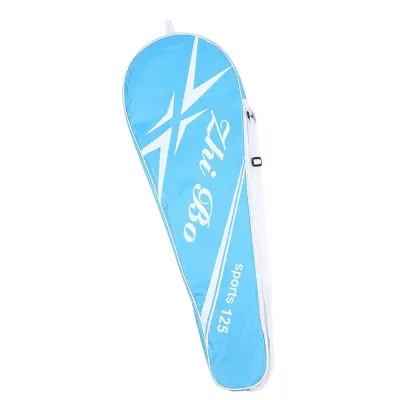
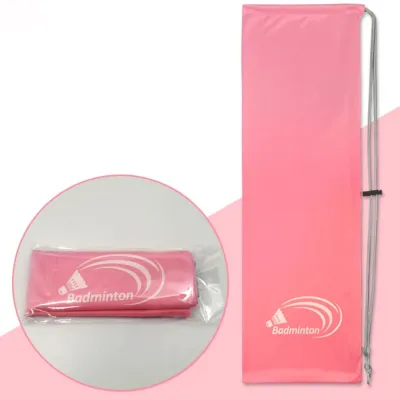
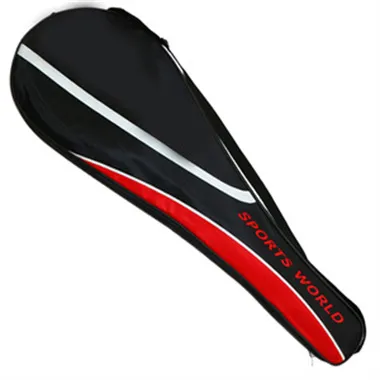
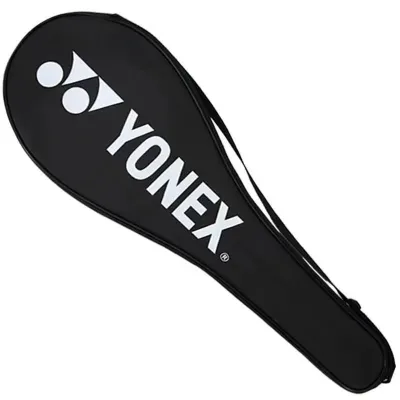
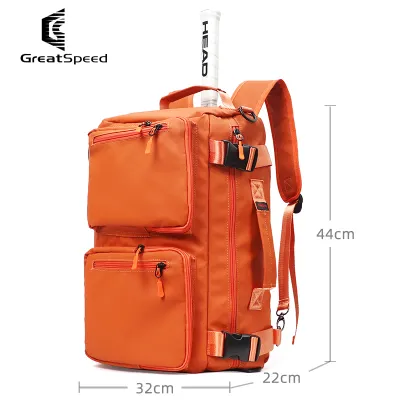
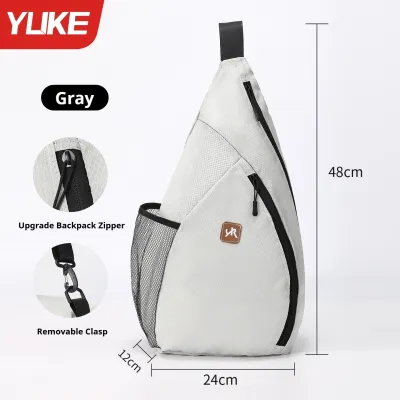
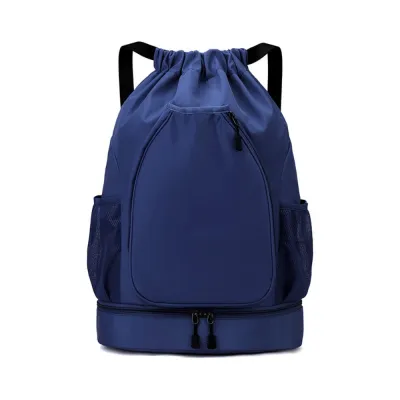
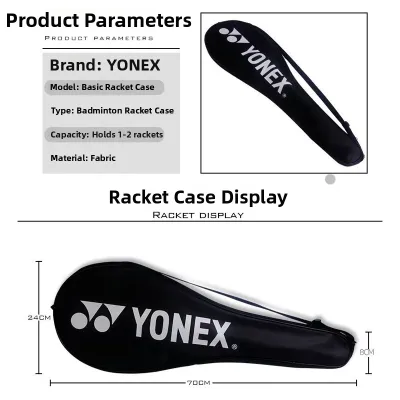
Prices are valid at publication and may change. Please refer to the product page for the latest price.
| Bag Category | Racket Capacity | Best Commute Method | Key Features | Price Band |
|---|---|---|---|---|
| Sling / Cover | 1–2 Rackets | Walking, Ride-sharing | Ultra-lightweight, compact | Budget (Under ₱800) |
| Backpack | 3–6 Rackets | Motorcycle, Public Transit | Dedicated shoe pocket, laptop sleeve | Mid-range (₱1,000–₱2,500) |
| Tournament Bag | 9–12+ Rackets | Private Car, Team Travel | Thermal lining, rigid structure | Premium (₱2,500–₱6,000+) |
Knowing when to upgrade your bag capacity is key to preventing gear damage. If you find yourself squeezing your court shoes into the same compartment as your rackets, or if your racket handles are constantly exposed to sudden rain during your commute, it is time to transition to a larger, more structured storage solution. Upgrading ensures that your rackets are not subjected to crushing forces or moisture, preserving both the frame integrity and string tension.
Recommended Bag Categories Based on Player Profiles
Every badminton player has a unique routine, from the casual weekend player to the dedicated tournament competitor. Choosing a bag category that aligns with your specific profile prevents you from carrying unnecessary bulk or, conversely, running out of space for essential gear.

1 to 2 Rackets: Sling Bags and Racket Covers
Minimalist sling bags and single-racket covers are designed specifically for casual players, beginners, or those who play infrequently. If you only need to carry a single racket and a phone, these lightweight options offer the ultimate convenience. They allow you to travel light, making them perfect for quick trips to a nearby court where you do not need to bring a massive collection of spare gear.
These bags typically feature a single, adjustable shoulder strap designed to be worn across the back or over one shoulder. Because of their slim profile, they are incredibly easy to store in small spaces at home or next to the court bench. They provide a basic layer of defense against dust, minor scratches, and light scuffs during transport.
However, minimalist covers have significant limitations that active players quickly outgrow. They offer virtually no space for dedicated badminton shoes, meaning you must either wear your court shoes during your commute or carry them in a separate plastic bag. Additionally, these covers lack physical padding, leaving your racket frame vulnerable to structural damage if dropped or bumped against hard surfaces.
Buying Checklist for Sling Bags:
- Strap Comfort: Look for a strap with adjustable lengths and a sliding shoulder pad to prevent the webbing from digging into your neck.
- Fabric Thickness: Verify that the material is made of at least 600D polyester to ensure basic tear resistance.
- Handle Enclosures: Ensure the zipper path fully encloses the racket head and features a secure collar or Velcro tab to keep the handle from sliding around.
3 to 6 Rackets: Dedicated Badminton Backpacks
Dedicated badminton backpacks are the most versatile and popular choice for regular club players, students, and daily commuters. If you travel to courts using public transportation, active walking, or a motorcycle, a backpack keeps your hands completely free. It balances the weight evenly across both shoulders, reducing fatigue during long journeys.
These backpacks are highly organized, featuring specialized vertical compartments that keep your rackets secure and separated from other items. Many models include dedicated laptop sleeves, side mesh pockets for water bottles, and small zippered compartments for keys, wallets, grip tape, and scissors. This multi-functional design makes them excellent dual-use bags for school, work, or gym sessions.
Despite their versatility, backpacks are more compact than professional tournament bags. If you carry more than three rackets, a change of clothes, a towel, and a tube of shuttlecocks, a backpack can quickly become overstuffed. Overloading a backpack can put pressure on the racket handles, potentially bending them or damaging the zippers if the bag is forced shut.
Buying Checklist for Backpacks:
- Back Panel Ergonomics: Look for thick, molded back padding with integrated air channels to promote ventilation and reduce sweat build-up.
- Racket Handle Straps: Ensure there is an internal velcro strap or a locking zipper system at the top of the racket compartment to prevent the handles from swaying side to side.
- Chest Stabilizers: Verify if the backpack includes an adjustable sternum strap, which is highly beneficial for stabilizing heavy loads during active commutes.
9 to 12+ Rackets: Square and Rectangular Tournament Bags
Square and rectangular tournament bags are the gold standard for competitive players, coaches, and club organizers who need to carry a complete arsenal of gear. If you regularly play in tournaments where you must bring multiple rackets with different string tensions, spare apparel, towels, and training equipment, these high-capacity bags are indispensable.
These bags feature a rigid, structured design with two or three large, independent main compartments. This layout allows you to organize your gear systematically: one compartment dedicated solely to rackets, another for clean clothing and shuttlecocks, and a third for damp gear or training aids. The rigid frame prevents the bag from collapsing, ensuring that your rackets are never crushed under the weight of other luggage.
On the downside, tournament bags are bulky, heavy when fully loaded, and awkward to transport on public transit or motorcycles. They also carry a higher price point, with premium models ranging from ₱2,500 to over ₱6,000. Additionally, their large footprint means they will not fit into standard-sized gym or sports club lockers, requiring you to keep them courtside.
Buying Checklist for Tournament Bags:
- Rigid Frame Piping: Check for thick perimeter piping or molded plastic side panels that help the bag maintain its shape even when completely empty.
- Dual Backpack Straps: Ensure the bag features two heavily padded, adjustable shoulder straps with rotating buckles that allow you to carry it comfortably as a backpack.
- Reinforced Base: Look for a bottom panel lined with heavy-duty, waterproof tarpaulin or rubberized material to protect against wet court floors and rough concrete.
Essential Features for Tropical Climates and Court Commutes
Playing badminton in tropical environments like the Philippines introduces specific challenges, such as high humidity, intense heat, and sudden heavy rainfall. Your bag must do more than just hold your gear; it must actively protect it from these harsh environmental factors.
Thermal Insulation for Racket Protection
Extreme heat is a silent enemy of badminton gear. When exposed to high temperatures—such as inside a parked car, a metal locker, or a non-air-conditioned sports hall—badminton strings rapidly lose their tension. High heat can also soften the carbon fiber resin of high-end racket frames, making them susceptible to warping under the high tension of the strings.
To combat this, look for bags equipped with thermal insulation compartments. These compartments are lined with a reflective foil material (often labeled as “Thermo,” “CCT,” or thermal lining by major manufacturers) that acts as a radiant barrier. This lining helps maintain a stable internal temperature, preserving your string tension and protecting the structural integrity of your frames.
Standard polyester or nylon compartments offer zero thermal protection. If you regularly play in hot indoor courts or commute during the middle of the day, verify the manufacturer’s specifications to confirm that at least one main compartment features a genuine thermal lining. Do not rely on basic silver-colored fabric, which may look like foil but lacks actual insulating properties.
Separate Shoe Compartments and Ventilation
Court hygiene is critical, especially in humid climates where sweat-soaked gear can quickly become a breeding ground for bacteria and mold. Dedicated badminton court shoes feature specialized rubber soles designed for maximum grip on wooden or vinyl court mats. Keeping these shoes clean and free of dirt is essential for maintaining on-court traction and preventing slips.
A separate shoe compartment isolates your dusty, damp shoes from your clean apparel, towels, and rackets. This prevents dirt from transferring to your grip wrap or clothing. Some bags feature bottom-entry shoe pockets, while others use side-entry designs. Bottom pockets keep the weight centered but can compress other gear, whereas side pockets offer easier access but can slightly alter the bag’s balance.
Proper ventilation is equally important to control odor and moisture buildup. Look for shoe compartments equipped with mesh inserts, metal eyelets, or dedicated air vents. These features allow air to circulate freely, helping your damp shoes dry out during your commute home and preventing the development of persistent, unpleasant odors inside the bag.
Water-Resistant Materials and Zippers
During the tropical monsoon season, sudden downpours are common. If you commute on foot, by tricycle, or on a motorcycle, your bag must be capable of keeping your expensive rackets and dry clothes completely safe from water ingress. Understanding the difference between water-resistant and waterproof materials is key to protecting your investment.
Most high-quality badminton bags are constructed from water-resistant materials, such as high-denier polyester with a polyurethane (PU) backing, thermoplastic polyurethane (TPU), or heavy-duty tarpaulin. These fabrics naturally repel water droplets, allowing rain to slide off the surface. However, they are not fully waterproof, meaning they should not be submerged in water or left exposed to torrential rain for extended periods.
Zippers are the most common entry points for water. When evaluating a bag, check if the zippers feature rubberized weather-resistant coatings, or if they are protected by fabric storm flaps that fold over the zipper track. To maintain the water repellency of your bag over time, wipe it down with a dry cloth immediately after exposure to rain, and occasionally apply a fabric-safe water-repellent spray to the exterior seams.
How to Evaluate Build Quality and Comfort Before Buying
Before finalizing your purchase, you should perform a physical or visual inspection of the bag’s structural components. High-quality hardware and ergonomic design elements ensure that your bag remains comfortable to carry and lasts for years of regular play.
- Shoulder Straps: Assess the width and density of the shoulder straps. For backpacks and tournament bags, the straps should be at least 2.5 inches wide and filled with high-density EVA foam to distribute weight evenly across your shoulders. Look for adjustable buckles that allow you to customize the fit based on your height and body shape.
- Base Padding: The bottom of your bag will frequently come into contact with rough concrete, dusty benches, and damp court floors. Ensure the base features thick foam padding and a reinforced exterior layer—such as molded plastic feet or a tarpaulin panel—to absorb shocks and resist abrasion when setting the bag down.
- Hardware and Stitching: Examine the zippers and pulls. Heavy-duty, self-lubricating nylon zippers with molded plastic or thick metal pulls are less likely to split under tension. Check the high-stress areas, such as the strap attachment points and handle seams, to ensure they feature reinforced double-stitching or box-stitch patterns.
- Warranty and Returns: Always verify the manufacturer's warranty policies and the retailer's return terms. A reputable brand typically offers protection against manufacturing defects, such as broken zippers or split seams, within a specified period after purchase. Keeping your receipt and warranty card safe ensures you can seek assistance if any structural issues arise early on.
Frequently Asked Questions (FAQ)
Can I use a regular backpack instead of a dedicated badminton bag?
You can use a regular backpack for casual, short-distance trips, but it is not recommended for regular play or high-end gear. Regular backpacks lack dedicated racket compartments, meaning your racket handles will stick out of the main zipper, exposing them to rain, dust, and physical impacts. Furthermore, packing rackets tightly alongside books, laptops, or shoes places uneven pressure on the frames, which can warp carbon fiber or snap strings. A dedicated badminton bag features specialized compartments that isolate and secure your rackets, protecting them from structural damage and environmental wear.
How do I clean and maintain my badminton racket bag?
To clean your badminton bag safely, first empty all compartments completely and shake out any loose dirt or debris. Wipe down the exterior fabrics using a soft microfiber cloth dampened with warm water and a small amount of mild dish soap. For stubborn dirt on the base, use a soft-bristled brush to gently scrub the surface. Never machine wash, tumble dry, or use harsh chemical solvents like bleach or acetone on your bag. These methods will permanently ruin the thermal foil lining, degrade the water-resistant PU coatings, and warp any internal plastic structural frames.
Should I leave my rackets in the bag after playing?
No, you should never leave your rackets in a closed bag immediately after a strenuous playing session. Sweat-soaked grips, damp towels, and humid court air trapped inside a sealed bag create a high-moisture environment. This moisture accelerates string tension loss, degrades the polyurethane material of synthetic grips, and promotes mold and bacterial growth on fabric towel grips. As a best practice, remove your rackets from the bag once you return home. Wipe down the grips with a dry cloth, open all the bag compartments, and allow both your rackets and the bag to air dry in a cool, well-ventilated indoor space away from direct sunlight.
Community discussion
Share your experience or ask a question. Comments are reviewed before publication.