
Choosing the right badminton racket is a highly personal decision that directly impacts your performance, comfort, and safety on the court. To find the ideal match, you must align the racket’s physical characteristics—specifically its balance point, weight, and shaft flexibility—with your current skill level and dominant playing style.
Quick Diagnosis: Matching Racket Profiles to Playing Styles
Your playing style is the most reliable indicator of the racket specifications you will need. Attacking players who rely on powerful overhead smashes generally perform best with head-heavy rackets that maximize momentum. Conversely, defensive players and doubles specialists who prioritize rapid net play and quick reflex drives benefit most from head-light rackets that offer superior maneuverability.
If you are an all-around player who transitions frequently between offense and defense, an even-balance racket provides a versatile middle ground. Beginners and intermediate players should typically look for rackets with medium or flexible shafts to assist with power generation, while advanced players often require stiffer shafts for maximum control.
Products mentioned in this guide
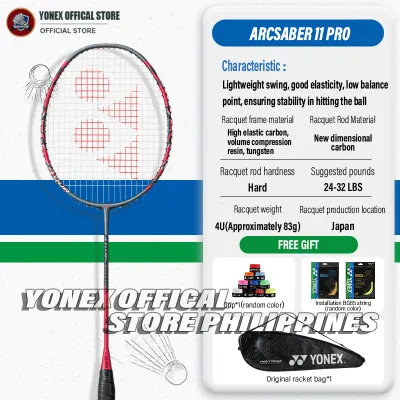
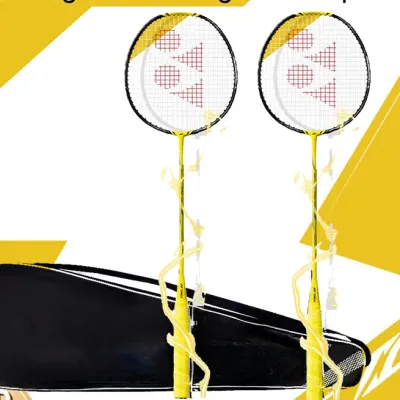
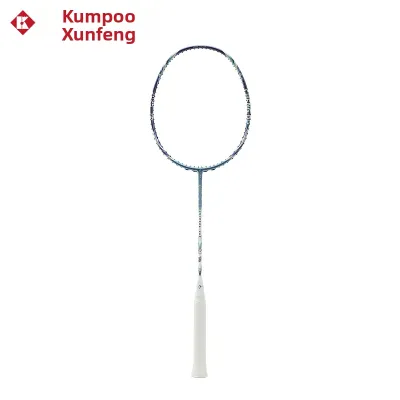
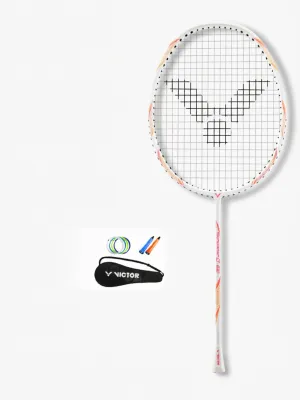
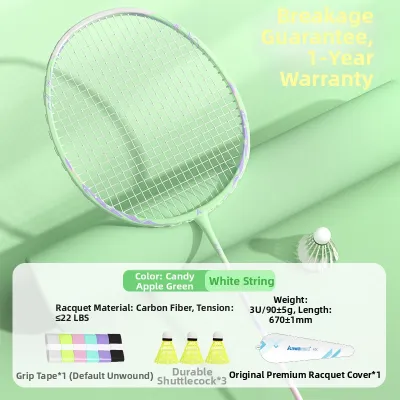
Prices are valid at publication and may change. Please refer to the product page for the latest price.
While these general categories offer an excellent starting point, your personal comfort and physical conditioning must always take precedence. A racket that looks perfect on paper but causes wrist fatigue or shoulder discomfort during a match is not the right choice for you.
Assess Your Court Behavior and Skill Level
Before browsing online marketplaces or visiting a local sports shop, take time to evaluate how you actually behave on the court. If you find yourself constantly aiming for deep clears and steep smashes from the back of the court, your style leans heavily toward attacking. If you prefer long rallies, drop shots, and lifting the shuttlecock to wait for an opponent’s error, your style is primarily defensive.

In doubles play, which is highly popular in local indoor sports centers across the Philippines, your preferred position also dictates your equipment needs. Front-court players require lightning-fast reactions to intercept shots at the net, making a quick, agile frame essential. Back-court players, on the other hand, need the leverage and weight distribution that help generate deep, powerful clears.
Be honest about your current swing speed and wrist strength rather than buying for the player you hope to become. A fast, explosive swing can utilize a stiffer frame, whereas a slower, more deliberate swing requires a flexible shaft to help propel the shuttlecock effectively.
Do not ignore physical limitations, fatigue patterns, or past injuries. If you regularly experience shoulder tightness or elbow soreness after a couple of sets in a humid, non-airconditioned sports center, a heavy or overly stiff racket will likely worsen these issues. Choosing a lighter frame can help reduce joint strain and keep you playing safely.
Understand Racket Balance and Weight Categories
A racket’s balance point is measured from the bottom of the handle upward, determining where the bulk of the weight sits. Head-heavy rackets concentrate weight at the top of the frame, acting like a hammer to generate massive momentum during overhead smashes. However, this extra weight at the head increases the physical demand on your wrist and shoulder, making quick defensive recoveries more tiring.
Head-light rackets shift the weight toward the handle, making the frame feel incredibly agile. This design allows you to react instantly to fast drives and execute delicate net play, though you will have to work harder and use more physical effort to generate deep clears from the back of the court.
Even-balance rackets distribute weight uniformly, offering a middle ground that transitions smoothly between offense and defense. This makes them highly suitable for developing players who are still refining their technique and have not yet committed to a specific playing style.
Racket weight is categorized using standard “U” ratings, which you can find printed on the cone or shaft of the frame. A higher U number indicates a lighter racket; for example, a 4U racket is lighter than a 3U racket. When a light weight is paired with a head-heavy balance, it can offer a comfortable compromise of speed and power, so always look at how these two specifications interact.
Match Shaft Flexibility and Grip to Your Technique
Shaft flexibility dictates how much the racket bends and whips during a swing. Flexible shafts bend easily, storing energy during your backswing and releasing it as you strike the shuttlecock. This built-in whip effect is highly beneficial for beginners and intermediate players with slower swing speeds, as it provides extra depth on clears with less physical effort.
Stiff shafts do not bend easily, meaning they require a fast, explosive swing and precise timing to generate power. For advanced players with highly developed technique, a stiff shaft offers unmatched control and placement because the frame does not twist or flex during high-speed impacts. However, using a stiff shaft with improper technique can lead to poor shot depth and transfer harmful vibrations directly to your elbow joint.
Grip size is another critical factor, usually designated by “G” ratings where a higher number represents a thinner handle. In the tropical climate of the Philippines, high humidity leads to sweaty hands, making grip selection vital. Many players prefer to buy a smaller grip size (such as G5) and customize it by wrapping an absorbent overgrip on top.
Be mindful that adding thick overgrips or towel grips will slightly increase the weight of the handle. This modification can subtly shift a racket’s balance point, making a head-heavy racket feel slightly more even-balanced.
Test and Verify Your Choice Before Buying
Never rely solely on product descriptions or online reviews before making a purchase. If possible, visit a local badminton club or sports center and ask to borrow or demo different rackets from friends or coaches. Playing a few rallies will give you an immediate, practical understanding of how a specific weight and balance point affect your timing.
Pay close attention to how your body reacts during a test session. If you experience immediate wrist fatigue, shoulder strain, or find yourself consistently swinging too late to meet the shuttlecock, these are clear signals to stop and try a lighter or more flexible model.
Always verify the official specifications directly on the racket frame or the manufacturer’s official documentation. Counterfeit rackets are common on unauthorized online platforms, so checking for engraved serial numbers and purchasing from reputable local dealers is essential for safety and durability.
Set a realistic budget before shopping, keeping in mind that a reliable intermediate racket in the Philippines typically ranges from ₱1,500 to ₱4,000. Prioritize finding the correct weight, balance, and flexibility over expensive cosmetic designs or high-end professional branding that may not suit your current skill level.
Frequently Asked Questions (FAQ)
Does a more expensive racket automatically improve my game?
No, a higher price tag does not guarantee better performance on the court. Premium rackets are often designed with very stiff shafts and extreme balance profiles tailored for elite athletes with flawless technique. If a beginner or intermediate player uses these advanced models, they may struggle to generate power and risk injury due to the lack of shaft flex.
How often should I reassess my racket choice as my skills improve?
You should reassess your equipment when you notice consistent limitations in your gameplay that technique adjustments cannot fix. For instance, if your swing speed has increased and your shots are starting to feel imprecise or laggy, it may be time to transition to a stiffer shaft. Conversely, if you experience recurring fatigue or joint pain, switching to a lighter frame or a more flexible shaft is a wise adjustment.
Community discussion
Share your experience or ask a question. Comments are reviewed before publication.