
Choosing the right ballet leotard is a key decision that impacts your comfort, confidence, and even your technical feedback. The best style for you depends entirely on where you’ll be wearing it—be it for daily classes, a stage performance, or a formal competition—and your current level of training. Understanding the unique demands of each scenario will help you select a leotard that feels like a second skin and supports your journey as a dancer.
While there are countless designs, most fall into four main categories. By familiarizing yourself with these core styles, you can make a more informed choice that suits both your body and your specific needs in the studio and on stage.
A Quick Guide to the Four Main Ballet Leotard Styles
Before diving into which leotard to wear for different occasions, it helps to know the basic styles you’ll encounter. Each one offers a distinct look and feel, largely defined by its straps and sleeve length.
Products mentioned in this guide
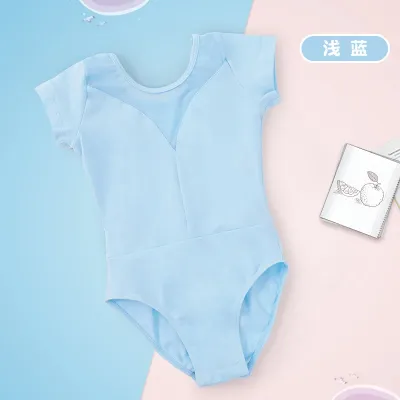
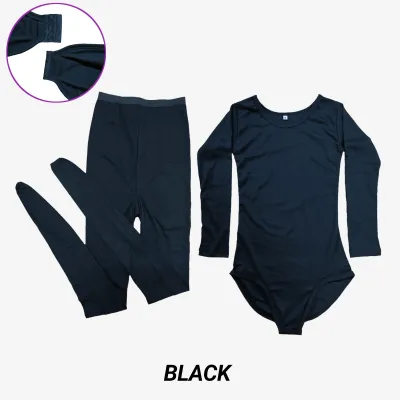
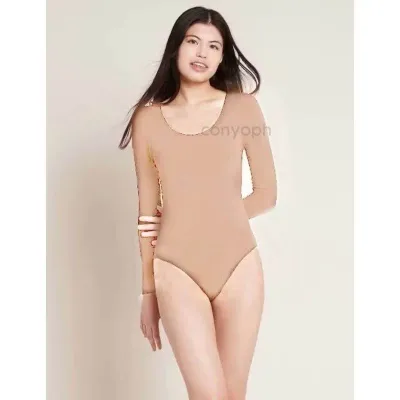
Prices are valid at publication and may change. Please refer to the product page for the latest price.
- Tank Style: This is a classic, sleeveless leotard with wide straps that sit comfortably on the shoulders, similar to a tank top. It offers excellent support and coverage for the chest and back, making it a reliable staple for dancers of all levels.
- Short Sleeve Style: Offering more coverage than a tank, this style features a cap or short sleeve that covers the top of the shoulder. It provides a modest, traditional look often required in ballet school dress codes for younger students.
- Long Sleeve Style: As the name suggests, this leotard has full-length sleeves. It creates a clean, uninterrupted line from the fingertips to the torso, often used for specific choreographic aesthetics or for warmth in cooler, air-conditioned studios.
- Camisole Style: This style features thin spaghetti straps, similar to a camisole top. It offers the least amount of coverage across the shoulders and back, which is ideal for showcasing a dancer's upper body musculature and lines.
In the Philippines, the tropical and humid weather makes sleeveless options like tank and camisole leotards particularly practical for daily classes to maximize breathability. However, long-sleeved leotards remain essential for specific performance roles, maintaining warmth in heavily air-conditioned rehearsal spaces, or adhering to certain examination standards.
Matching Leotard Styles to Your Specific Activity
The perfect leotard isn’t just about personal preference; it’s about function. The demands of a casual class are very different from those of a high-stakes competition. Here’s how to match the style to the activity.

Regular Classes and Daily Studio Training
For daily practice and repetitive barre work, your primary concerns are comfort, breathability, and durability. You need a leotard that moves with you without distraction and can withstand the rigors of frequent use and washing.
Tank and short sleeve styles are excellent choices for everyday training. Their structure provides reliable support and complete freedom of movement for your arms and shoulders, which is crucial when drilling exercises. Look for leotards made from durable, sweat-wicking fabrics with secure stitching and reinforced seams. These features ensure your garment holds its shape and integrity through countless classes and laundry cycles.
Stage Performances and Recitals
When you step onto the stage, your leotard becomes part of a costume. The choice is driven by aesthetics, character, and the overall vision of the choreography. The goal is to enhance the performance, not just facilitate movement.
Camisole and long sleeve styles are often selected for their visual impact. A delicate camisole can convey vulnerability or elegance, while a long sleeve leotard can create a sleek, dramatic silhouette. The decision will likely be made by your instructor or choreographer to align with a specific theme. It’s also important to consider how the leotard will work with other costume elements. It should allow for seamless layering with skirts, tutus, or other garments without creating visible lines or bulk. Finally, think about how the material and color will appear under bright stage lights.
Competitions and Formal Examinations
In a competition or examination setting, your technique is under a microscope. The priority is to present a clean, clear line that allows judges and examiners to see every detail of your posture, alignment, and muscle engagement. Your leotard should be an unobtrusive frame for your artistry.
Tank and classic short sleeve styles are the standard for this environment. They keep the shoulders, arms, and back clearly visible, which is essential for evaluating port de bras and epaulement. The fit must be flawless—snug against the body with no gapping, wrinkling, or riding up. Loose straps or bunched fabric can be distracting and may obscure your lines. Furthermore, many competitions and examination bodies enforce strict dress codes, often requiring solid, conservative colors like black, navy, or a specific pastel shade to ensure uniformity and focus on the dancer’s technique.
How Your Training Level Changes the Ideal Fit and Style
As you progress from a beginner to an advanced dancer, your needs change. A leotard that was perfect for your first pliés might not be the best choice for complex adagios or grand allegro combinations years later. Your training level directly influences the ideal style and fit.
Beginners and Young Dancers
If you are new to ballet, the focus should be on comfort and building confidence. A distracting or ill-fitting leotard can pull your attention away from learning fundamental techniques and posture.
Short sleeve and wide-strap tank leotards are highly recommended for beginners. They provide ample coverage and are less likely to have straps that slip off the shoulders during movement. This security allows you to concentrate fully on your instructor’s guidance. Look for leotards made from soft, stretchy, and forgiving fabrics like cotton blends. These materials are gentle on the skin and won’t feel restrictive as you learn to hold and move your body in new ways.
Intermediate and Advanced Dancers
As you become more advanced, your instructors will provide more detailed feedback on your musculature and alignment. Your leotard should facilitate this process, allowing for clear observation of your back, shoulders, and core engagement.
This is why many intermediate and advanced dancers gravitate towards camisole styles or tank leotards with a lower or more open back design. These styles expose the scapulae (shoulder blades) and spinal muscles, making it easier for a teacher to spot and correct subtle alignment issues. Dancers at this level may also prefer high-performance technical fabrics with greater compression. These materials support the muscles during intense work, offer superior moisture-wicking, and maintain a sleek, second-skin fit through demanding choreography.
Maximizing Versatility: Cross-Scenario Use and Care
Building a dance wardrobe can be an investment, so choosing versatile pieces is a smart strategy. With proper care, a good leotard can serve you well across different settings and last for years.
The classic tank leotard is arguably the most versatile style you can own. A well-fitting black tank leotard is appropriate for most daily classes, can be easily layered for performances, and often meets the requirements for examinations and auditions. It’s a foundational piece that provides a reliable starting point for any dancer’s collection.
To ensure any leotard serves you well, perform a quick fit check before committing:
- Check the Torso Length: The leotard should feel snug but not pull at the shoulders or ride up uncomfortably at the leg line. Do a few pliés and tendus to see how it moves.
- Verify the Neckline: Bend forward. The neckline should lie flat against your chest without gaping.
- Test the Straps: Raise your arms. The straps should not dig into your shoulders or feel like they are about to slip off.
To keep your leotards in top condition, especially in a humid climate, proper care is essential. Rinse your leotard in cool water immediately after class to remove sweat, which can degrade elastic fibers. When washing, use a mild detergent and wash on a gentle cycle, preferably in a mesh bag. Always hang or lay your leotard flat to air-dry away from direct sunlight, as high heat from a dryer or the sun can damage the fabric’s elasticity and fade its color.
Frequently Asked Questions (FAQ)
Do most ballet studios enforce strict dress codes for leotard styles?
Yes, many do. Traditional ballet schools often have a required uniform to promote discipline and create a sense of unity in the classroom. This usually involves a specific color and style of leotard for each class level, such as a black tank leotard or a pink short-sleeve one. However, some contemporary or adult open-class studios may offer more flexibility. Always check your studio’s handbook or ask your instructor about the dress code before purchasing a new leotard.
How tight should a competition leotard fit compared to a practice one?
Both a practice leotard and a competition leotard should fit snugly, like a second skin, without restricting your movement, breathing, or circulation. The key difference is the margin for error. For a competition leotard, the fit needs to be absolutely perfect and distraction-free. It should lie completely flat against your body with no wrinkles, gaps, or shifting fabric that could obscure your lines or draw a judge’s eye away from your technique.
Community discussion
Share your experience or ask a question. Comments are reviewed before publication.