
Building a home gym in the Philippines requires balancing space, budget, and training goals. The ideal barbell and dumbbell set depends on your current strength level, your long-term fitness aspirations, and the physical constraints of your home. By understanding the technical specifications of fitness equipment and matching them to your environment, you can make an investment that lasts for years.
Assessing Your Space and Training Needs
Before browsing online marketplaces, measure your designated workout area. A standard Olympic barbell is 7.2 feet long, requiring at least 9 feet of lateral clearance to allow safe plate loading without hitting walls or furniture. Overhead movements like the shoulder press or clean and press demand sufficient ceiling height, which can be a major constraint in typical Philippine homes with low ceilings or prominent ceiling fans.
Your primary training goals dictate the type of equipment you should prioritize. If your focus is powerlifting or Olympic weightlifting, a high-quality barbell and a robust set of weight plates are essential. For general fitness, bodybuilding, or high-intensity interval training, a versatile set of dumbbells might offer better utility and take up significantly less space.
Products mentioned in this guide
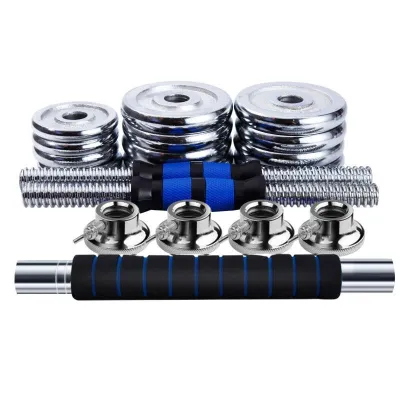
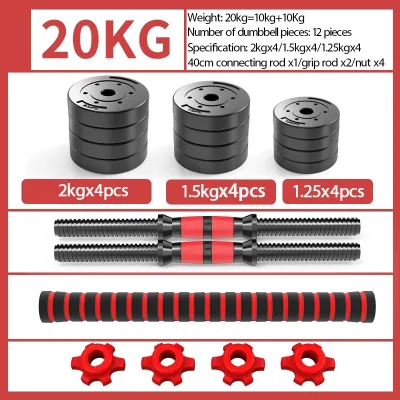
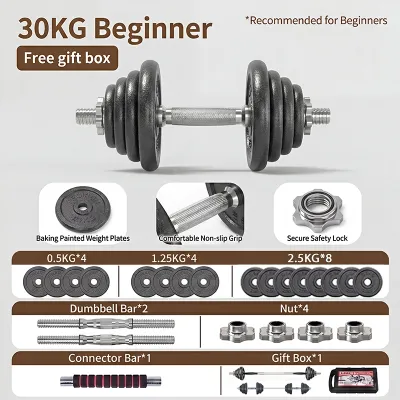
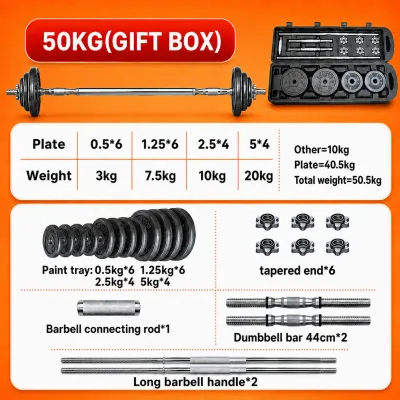
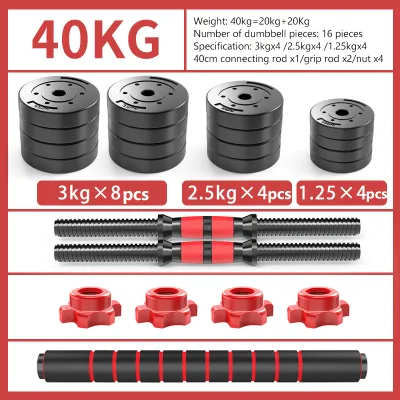
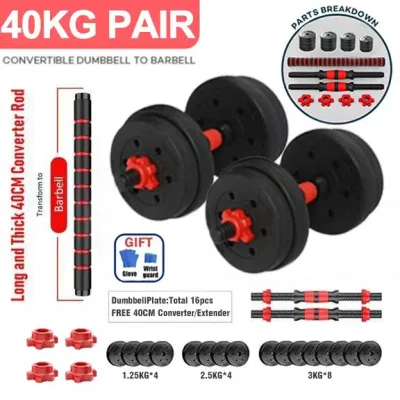
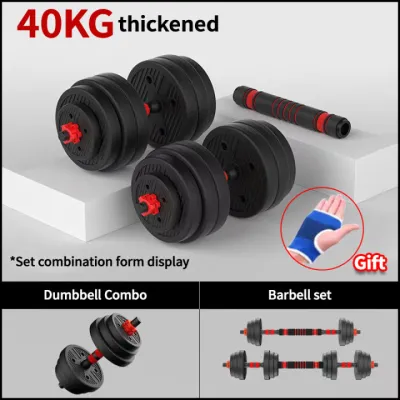
Prices are valid at publication and may change. Please refer to the product page for the latest price.
Consider the structural integrity of your floor. Dropping heavy iron weights on bare concrete can crack tiles, damage the subfloor, and create disruptive noise for your family or neighbors. Installing high-density rubber floor mats is crucial for protecting your home, dampening sound, and providing a stable, non-slip surface for your lifts.
In the Philippines, many residential structures, especially multi-story townhouses or second-floor bedrooms, use wooden joists or thinner concrete slabs that may not be engineered to support sudden, high-impact drops of 100 kg or more. If you plan to lift heavy, setting up your gym on the ground floor on a solid concrete slab is highly recommended.
Key Selection Criteria for Barbells and Dumbbells
When evaluating barbells, pay close attention to the shaft diameter, tensile strength, and sleeve rotation mechanism. A standard shaft diameter of 28mm to 29mm is ideal for most lifts, providing a comfortable grip and natural hand placement. Tensile strength, measured in pounds per square inch (PSI), indicates how much load the bar can handle before permanently bending; look for a rating of at least 150,000 PSI for serious lifting.

Sleeve rotation is another critical factor, especially for dynamic movements like cleans and snatches. Barbells use either bushings or bearings inside the sleeves to allow the weight plates to spin freely. Bushings are generally more durable and cost-effective, making them perfect for slow, controlled powerlifts like squats and deadlifts. Bearings offer a faster, smoother spin, which reduces rotational force on your wrists during fast Olympic lifts.
Dumbbell configurations generally fall into two categories: fixed-weight sets and adjustable systems. Fixed dumbbells are incredibly durable and ready to use instantly, but they require a dedicated storage rack and a larger footprint. Adjustable dumbbells use dials, pins, or spin-lock collars to change weights, offering a compact solution that replaces multiple pairs of traditional dumbbells.
The material of your weight plates affects durability, noise levels, and maintenance. Cast iron plates are classic and highly durable, but they are noisy and prone to rusting in humid environments. Rubber-coated or urethane plates provide excellent floor protection and noise reduction, though cheap rubber can sometimes emit a strong, unpleasant odor when first unboxed.
Knurling—the cross-hatched pattern cut into the barbell shaft—provides the friction necessary to maintain a secure grip. In a tropical climate where sweat is inevitable, a moderate to aggressive knurling pattern is beneficial, though beginners may prefer a passive knurling to avoid tearing calluses. For dumbbells, knurled steel handles offer a more secure grip than smooth plastic handles when your hands get sweaty.
Barbell Specifications and Plate Compatibility
Understanding the difference between Olympic and standard barbells is vital for ensuring compatibility across your entire setup. Olympic barbells feature 2-inch (50mm) diameter sleeves and are designed to handle heavy loads, often rated for 500 to 1,000 pounds or more. Standard barbells have 1-inch (25mm) diameter sleeves, are lighter, and typically have much lower weight capacities, making them suitable only for light, recreational lifting.
Barbell length should match both your physical space and your support equipment, such as a power rack or squat stand. A standard 7-foot bar is the industry norm and fits perfectly on standard-width racks, allowing you to perform wide-grip bench presses and squats safely. Shorter bars, such as 5-foot or 6-foot options, are excellent for tight spaces but may have shorter sleeves, limiting the amount of weight you can load, and might not fit on standard power racks.
Always verify that the inner hole diameter of your weight plates matches your barbell sleeves. Olympic plates have a 2-inch center hole that slides smoothly onto Olympic sleeves with minimal play. Standard plates have a 1-inch hole and will not fit on an Olympic bar, while using Olympic plates on a standard bar creates a highly unstable and dangerous lifting setup.
Standard Olympic barbells for men typically weigh 20 kg (44 pounds) and measure 7.2 feet, while women’s Olympic bars weigh 15 kg (33 pounds) and are slightly shorter at 6.6 feet with a thinner 25mm shaft. Choosing the correct bar weight is essential for accurate tracking of your lifts, as the bar itself constitutes a significant portion of your starting weight.
Dumbbell Configurations: Fixed vs. Adjustable
For home gyms with limited square footage, adjustable dumbbells are often the most practical choice. They pack an entire rack of weights into a single pair, saving valuable floor space in a bedroom, garage, or balcony. While the initial cost of a high-quality adjustable set can be significant, it is often more economical on a cost-per-pound basis than buying a full run of individual fixed dumbbells.
Fixed dumbbells, particularly those with hexagonal rubber heads, excel in durability and ease of use. Because they have no moving parts or selector pins, you can drop them safely on protective mats without worrying about damaging internal mechanisms. The hexagonal shape also prevents the dumbbells from rolling across the floor, making them ideal for floor-based exercises like push-ups or renegade rows.
The main drawback of manual adjustable dumbbells is the transition time required to change weights between sets. If your training routine relies heavily on supersets, drop sets, or fast-paced circuits, stopping to unscrew spin-lock collars or adjust selector pins can disrupt your momentum. In contrast, fixed dumbbells allow you to quickly swap weights, keeping your heart rate up and your workout flowing smoothly.
Dial-based adjustable dumbbells use intricate internal gears to select weight plates. While highly convenient, these mechanisms are sensitive to impacts; dropping them from even a short height can crack the plastic dials or misalign the selector pins, rendering the dumbbell unusable. If your training style involves dropping weights at the end of a heavy set, traditional fixed dumbbells or heavy-duty steel adjustable blocks are a much safer investment.
Matching Equipment to Your Fitness Level
Selecting the right weight range requires a realistic assessment of your current strength and your long-term progression plans. A set that is too light will quickly become obsolete as your muscles adapt, forcing you to purchase additional plates sooner than expected. Conversely, buying an excessively heavy set can strain your budget and leave expensive equipment unused for months or years.
To ensure steady progress, look for sets that offer small, manageable weight increments. Progressive overload—gradually increasing the resistance over time—is the cornerstone of strength training. Having access to small fractional plates, such as 1.25 kg or 2.5 kg increments, allows you to make consistent, safe jumps in weight, particularly on challenging upper-body exercises like the overhead press and bench press.
When planning your purchase, consider how easily you can expand your set in the future. Opting for a standard Olympic system allows you to buy additional plates from various brands as your strength increases, as the 2-inch standard is universally supported. Proprietary adjustable systems may have strict weight limits that cannot be upgraded, meaning you will eventually need to replace the entire unit.
When selecting weight plates, you must also choose between bumper plates and cast iron plates. Bumper plates are made of dense rubber, allowing them to be dropped safely from overhead during Olympic lifts without damaging the floor or the bar. Cast iron plates are thinner, allowing you to fit more weight on the barbell sleeve, but they must be lowered under control to prevent damage.
Beginner Setups
If you are new to strength training, a basic standard or entry-level Olympic barbell set paired with a modest selection of plates is an excellent starting point. A total weight package of around 50 kg to 70 kg, including the bar, provides ample resistance for learning fundamental movements like squats, deadlifts, and rows. Look for a set that includes spring collars or quick-release clamps to keep the plates securely in place during your workouts.
For dumbbells, a manual spin-lock adjustable set is highly recommended for beginners. These sets typically feature threaded steel bars and a collection of small plates that can be secured with star collars. They are highly affordable, virtually indestructible, and allow you to experiment with different weights as you establish your baseline strength and perfect your lifting form.
Prioritize safety and usability by ensuring your setup is compatible with a sturdy, adjustable utility bench. A reliable bench opens up a wide range of exercises, from chest presses to seated shoulder presses, while keeping you in a stable, supported position. Always read the manufacturer’s instructions regarding weight limits and assembly to ensure a safe training environment.
Safety should always be your primary concern when starting a home strength training routine. Never perform heavy bench presses or squats without safety spotter arms or a reliable partner nearby. Ensure that your collars are tightly secured before every lift, as even a minor tilt can cause plates to slide off one side, resulting in a violent imbalance that can cause severe injury.
Intermediate and Advanced Setups
As you transition to heavier loads and more complex lifting styles, your equipment must meet higher performance standards. Intermediate and advanced lifters should invest in a high-tensile strength Olympic barbell with a minimum rating of 190,000 PSI to prevent bending under heavy loads. Pair this with heavy-duty bumper plates made of high-density rubber, which can withstand repeated drops during deadlifts or Olympic lifts.
For dumbbell training, advanced lifters often require heavy-duty adjustable systems with a high weight ceiling, such as 32 kg to 40 kg per dumbbell. Alternatively, a dedicated rack of fixed rubber hex dumbbells in 2.5 kg or 5 kg increments offers unmatched durability and speed during intense training sessions. These setups require more space but provide the stability and reliability needed for high-level performance.
Do not overlook the importance of high-quality accessories to support your heavier lifts. Heavy-duty collar clamps, such as lock-jaw or aluminum collars, are essential for keeping heavy plates from shifting on the barbell sleeve. Additionally, investing in dedicated storage trees for your plates and a vertical barbell holder will keep your workout space organized, safe, and free of tripping hazards.
Advanced lifters may also want to explore specialized barbells, such as trap bars (hex bars) for deadlifts or safety squat bars to reduce shoulder strain. These specialized bars can help break through strength plateaus and add variety to your training, but they should only be considered after you have established a solid foundation with a standard straight barbell.
Navigating Online Purchases and Delivery in the Philippines
Purchasing heavy fitness equipment online in the Philippines requires careful planning to ensure a smooth transaction and avoid hidden costs. Always verify the credibility of the seller on your chosen ecommerce platform by checking their overall rating, response rate, and customer reviews. Look for detailed reviews that include photos or videos of the actual product to confirm the quality of the welds, knurling, and finish.
Shipping fees can significantly impact the total cost of your purchase, as barbells and weight plates are exceptionally heavy items. When ordering from major hubs like Metro Manila, shipping to provinces in Luzon, Visayas, or Mindanao can sometimes equal or exceed the price of the equipment itself. Compare different shipping options, look for promotional shipping vouchers, and calculate the total landed cost in ₱ before finalizing your order.
The tropical climate of the Philippines, characterized by high humidity and ambient salt air in coastal regions, can accelerate rust and wear on fitness equipment. Check the warranty terms of your chosen set, paying close attention to what is covered under normal home use. Look for rust-resistant finishes like black phosphate, chrome, or zinc on barbells, and ensure that adjustable dumbbell mechanisms are sealed or easy to lubricate to prevent moisture damage.
When purchasing heavy items, communication with the courier is vital. Many standard delivery services in the Philippines will only deliver to the ground floor or the curb. If you live in a high-rise condominium or a multi-story home, you may need to coordinate with the delivery personnel or arrange for additional help to transport hundreds of kilograms of iron up to your workout space.
Frequently Asked Questions (FAQ)
Can I use standard plates on an Olympic barbell?
No, standard plates cannot be used on an Olympic barbell. Standard plates have a 1-inch (25mm) center hole, whereas Olympic barbell sleeves have a 2-inch (50mm) diameter. The physical opening of a standard plate is too small to slide onto an Olympic bar. While adapter sleeves exist to convert a 1-inch standard barbell to accept 2-inch Olympic plates, there is no safe or practical way to modify a 1-inch plate to fit a 2-inch Olympic sleeve.
How do I maintain cast iron weights in a humid climate?
To prevent rust in the humid Philippine climate, keep your cast iron weights indoors in a dry, well-ventilated area. After every workout, wipe down the barbell and plates with a dry microfiber cloth to remove sweat and moisture. Periodically apply a very light coat of 3-in-One oil or mineral oil to the metal surfaces, especially the knurling, and brush it in with a nylon bristle brush to create a protective barrier against moisture.
Is a 5-foot barbell sufficient for a home gym?
A 5-foot barbell can be highly beneficial for tight spaces or specific exercises like bicep curls and overhead presses, but it has notable limitations. Shorter bars have shorter sleeves, which significantly reduces the number of weight plates you can load. Additionally, a 5-foot bar is typically too narrow to fit on standard squat racks or power cages, meaning you cannot safely use it for heavy squats or bench presses.
Community discussion
Share your experience or ask a question. Comments are reviewed before publication.