
Building a home gym in the Philippines requires balancing your fitness goals with the physical realities of your living space, local climate, and budget. The type of barbell plates you select is one of the most critical decisions in this process, as it directly impacts your training safety, equipment lifespan, and relationship with your neighbors. Choosing between cast iron, rubber-coated, and bumper plates depends on your primary exercise style, where your gym is located, and how much maintenance you are willing to perform.
To make the right investment, you must evaluate how your training space handles drop impacts, manage the acoustic challenges of your neighborhood, and protect your gear from the country’s relentless tropical humidity. By matching your equipment to your environment and training style, you can build a highly functional strength setup that lasts for years.
Assess Your Home Gym Space, Flooring, and Environment
Before purchasing any weight plates, you must evaluate the structural integrity and layout of your training area. Philippine homes are commonly built with concrete slabs, ceramic tiles, or polished cement floors. Dropping heavy barbells on unprotected ceramic tiles will inevitably cause cracking, while repeated impacts on bare concrete can lead to subfloor pitting and structural micro-fractures. If you plan to perform lifts that finish on the floor, installing high-density rubber tiles of at least 15mm to 20mm in thickness is essential to distribute the kinetic energy safely.
Products mentioned in this guide
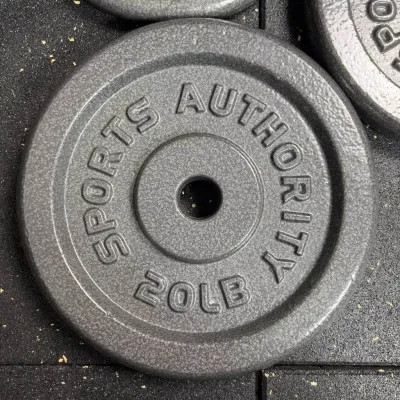
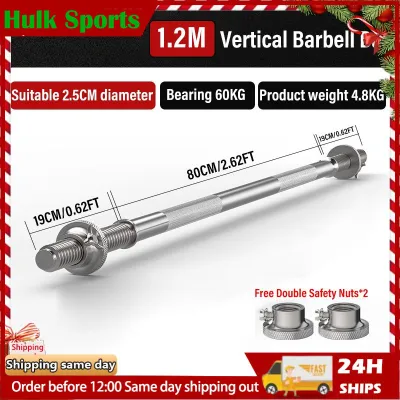
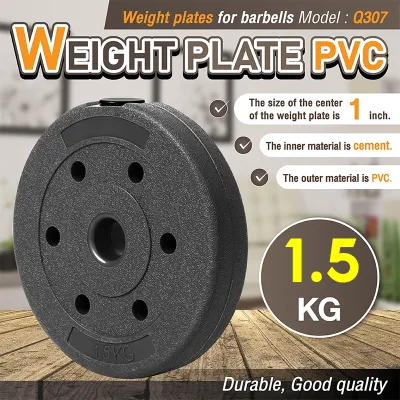
Prices are valid at publication and may change. Please refer to the product page for the latest price.
Noise management is another primary concern, particularly in high-density residential areas, townhouses, or condominiums across Metro Manila. The sharp, metallic clanging of cast iron plates can easily travel through shared walls and concrete floors, leading to neighborhood disturbances. If you train in an apartment or a second-floor room, minimizing acoustic transfer is a priority. Conversely, if you are setting up your gym in a detached garage, a ground-floor spare room, or an open-air backyard patio, you have more flexibility regarding noise levels.
Our tropical climate presents a unique challenge for fitness equipment due to high humidity levels, especially during the monsoon season from June to November. Bare cast iron plates are highly susceptible to oxidation, which leads to rapid rusting if they are left unprotected. If your home gym is located in a non-air-conditioned space, an open garage, or an outdoor veranda, you must choose plates with protective coatings like rubber, urethane, or high-quality powder coat. Otherwise, you must commit to a rigorous routine of wiping down and oiling your equipment to prevent decay.
Match Barbell Plate Types to Your Training Goals
Your training methodology dictates the physical construction of the plates you need. Different lifts exert different forces on your equipment and flooring when the barbell returns to the ground. Using the wrong plate type for dynamic movements can damage the barbell sleeves, crack the plates themselves, or compromise your lifting safety.

Bumper Plates for Olympic Weightlifting and Dynamic Drops
If your training program centers on Olympic weightlifting, CrossFit, or any style of training that involves dropping the barbell from shoulder height or overhead, bumper plates are highly recommended.
- Applicable lifts: Snatches, clean and jerks, overhead presses, and heavy deadlifts where a controlled lowering is impractical or unsafe.
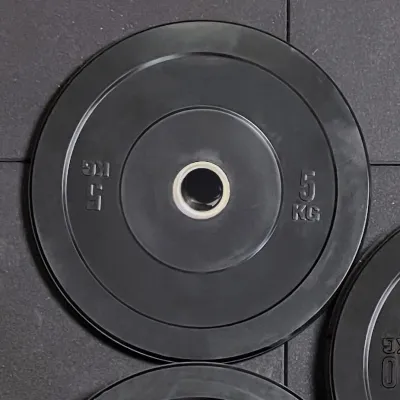
- Design advantages: Bumper plates are constructed from dense vulcanized rubber or high-grade urethane with a central steel hub. They feature a uniform outer diameter of 450mm across all weight increments, which ensures that when the barbell is dropped, the impact is distributed evenly across the entire surface area of the plates rather than concentrated on a single point or bending the barbell shaft.
- Limitations: Because rubber is less dense than iron, bumper plates are significantly thicker. This thickness limits the total amount of weight you can load onto a standard barbell sleeve, often capping the maximum load at around 200kg to 240kg. They also carry a higher initial cost per kilogram due to the manufacturing complexity of bonding rubber to steel.
Cast Iron and Rubber-Coated Plates for Powerlifting and General Fitness
For lifters focused on traditional strength training where the barbell is kept under strict control throughout the movement, metal plates offer distinct advantages.
- Applicable lifts: Squats, bench presses, overhead presses, and general hypertrophy exercises where the barbell is returned to a rack or lowered gently to the floor.
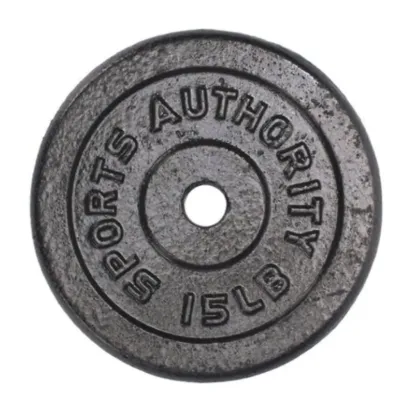
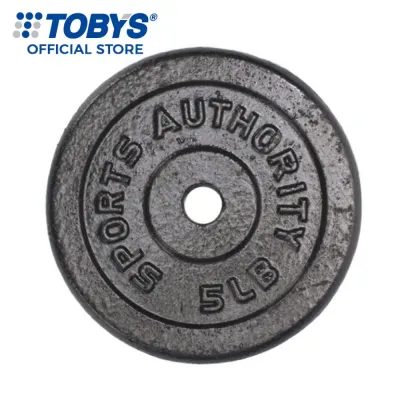
- Design advantages: Cast iron plates are much thinner than bumper plates, allowing you to stack significantly more weight onto the barbell sleeve. This thin profile keeps the center of gravity closer to the middle of the bar, reducing whip and instability during heavy squats or deadlifts. They are also highly cost-effective, offering the lowest price per kilogram.
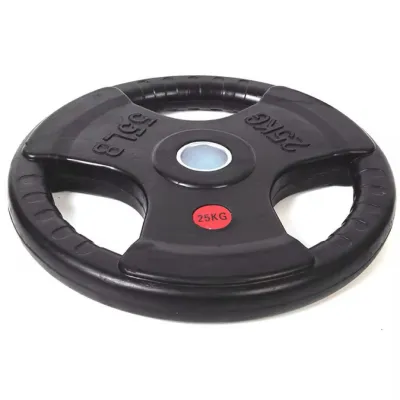
- Safety boundaries: You must never drop cast iron or standard rubber-coated tri-grip plates from any height. Dropping metal plates can cause them to crack or shatter, damage the barbell's internal sleeve bearings, and ruin your flooring, even if you are using protective rubber mats.
Competition and Calibrated Plates for Precision Lifters
Dedicated competitive lifters often require equipment that matches the exact standards of sanctioned athletic organizations.
- Applicable use case: Powerlifters or weightlifters preparing for official, sanctioned meets where every gram counts toward a personal record or qualifying total.
- Cost-to-benefit analysis: Calibrated plates are machined to extremely tight tolerances, often within 10 grams of their stated weight, and are color-coded to international standards. However, they are highly expensive and lack protective rubber cushioning. For the vast majority of home gym owners in the Philippines, standard commercial-grade plates are more than accurate enough for progressive overload, making calibrated plates an unnecessary luxury unless you are a competitive athlete.
Compare Durability, Maintenance, and Budget Constraints
Choosing the right plates requires balancing your immediate budget against the long-term durability and maintenance requirements of each material type.
Cost Tiers
Weight plates are generally priced by weight, and in the local market, they fall into three broad pricing categories:
- Budget (₱100 to ₱170 per kg): Standard bare cast iron and basic painted plates. These are highly economical but offer no protection against rust or impact.
- Mid-Range (₱180 to ₱320 per kg): Rubber-coated tri-grip plates and entry-level crumb or solid rubber bumper plates. This tier represents the best balance of protection, noise reduction, and value for most home lifters.
- Premium (₱350 to ₱600+ per kg): High-density urethane bumper plates, competition bumpers, and calibrated steel powerlifting plates. These are designed for heavy commercial use or specialized competitive training.
Maintenance Routines
To preserve your investment in a humid tropical climate, you must implement localized care steps based on the materials you choose:
- For Cast Iron Plates: Wipe away sweat and condensation immediately after your workout using a dry microfiber cloth. Periodically apply a very thin layer of mineral oil or a rust-inhibiting spray to the surface, especially on non-painted areas or chips, to seal the metal against moisture.
- For Rubber and Bumper Plates: New rubber plates often emit a strong chemical odor due to off-gassing. To manage this in enclosed indoor spaces, let the plates sit in a well-ventilated garage or shaded outdoor area for a few days before bringing them inside. Avoid exposing rubber plates to direct midday sunlight, as UV rays can degrade the rubber compound over time.
- For Steel Hubs: Periodically inspect the central steel rings or brass inserts of your bumper plates. If they become loose or begin to separate from the rubber body, stop dropping them immediately to prevent permanent damage to the plate and your barbell.
Decision Pathways
To finalize your purchase, match your living situation and goals to these practical configurations:
- The Condo Lifter: If you live in a shared building and focus on general fitness, choose low-odor, high-density rubber bumper plates paired with a minimum of 20mm thick rubber floor tiles. Keep your lifts controlled to keep noise complaints to a minimum.
- The Garage Powerlifter: If you have a ground-floor garage with a solid concrete slab and focus on heavy squats and deadlifts, opt for rubber-coated tri-grip iron plates. They allow for heavy loading, protect your hands during plate handling, and offer excellent value, provided you wipe them down regularly to prevent rust.
- The Backyard Olympic Athlete: If you train outdoors or in an open-air pavilion and practice explosive lifts, invest in high-quality urethane bumper plates. Urethane resists moisture degradation much better than standard rubber and can withstand repeated drops on a dedicated lifting platform.
Frequently Asked Questions (FAQ)
Can I mix bumper plates and iron plates on the same barbell?
Mixing bumper plates and iron plates on the same barbell for exercises where the bar is dropped is highly discouraged. When a mixed barbell hits the floor, the larger-diameter bumper plates absorb the entire force of the drop, while the smaller iron plates hang suspended. This concentrated stress can quickly warp or bend your barbell sleeves and cause the rubber bumper plates to split or crack prematurely. The only safe exception is adding small iron fractional or change plates (such as 1.25kg or 2.5kg) to the outside of your bumper plates, provided the main bumper plates remain the primary contact point with the floor.
How do I prevent cast iron plates from rusting in a humid climate?
To prevent rust in the humid Philippine climate, never store cast iron plates directly on bare concrete or damp floors, as concrete holds moisture that accelerates oxidation. Always store your plates on an elevated plate tree, wooden rack, or rubber matting. After training, wipe down the plates to remove sweat, which contains corrosive salts. For uncoated or painted iron plates, applying a thin coat of mineral oil or 3-in-1 oil with a rag every few months creates a protective barrier that keeps moisture from contacting the metal.
Do I need a lifting platform if I buy bumper plates?
Yes, buying bumper plates does not eliminate the need for floor protection. While bumper plates protect the barbell and the plates themselves from damage during drops, they still transfer a massive amount of kinetic energy directly into the ground. Over time, repeated drops from shoulder or overhead height can crack concrete slabs, shatter subfloor tiles, or cause structural vibrations throughout your home. To safeguard your property, you should always use a dedicated lifting platform or a layer of high-density rubber mats at least 20mm thick to absorb and dissipate the impact energy safely.
Community discussion
Share your experience or ask a question. Comments are reviewed before publication.