
Why Bat Size and Weight Matter for Beginners
To hit a baseball consistently, you need a bat that feels like an extension of your own arms. For first-time buyers in the Philippines, stepping into a sporting goods store or browsing online marketplaces can be overwhelming due to the sheer variety of lengths, weights, and materials. Choosing the wrong size is one of the most common reasons beginners struggle to make contact with the ball, lose confidence, or even develop poor swing habits that can lead to physical strain.
A baseball bat that is too heavy or too long forces your body to compensate. You will likely drag the barrel through the hitting zone, drop your hands, and struggle to react to fast pitches. Conversely, a bat that is too light or too short might feel easy to swing, but it will severely limit your reach and reduce the momentum needed to drive the ball past the infield.
Finding the sweet spot between control and power is essential for building proper swing mechanics, ensuring safety, and making your early experiences on the field rewarding. Selecting the correct size and weight builds good habits from day one and makes the learning process much more enjoyable for beginners.
Products mentioned in this guide
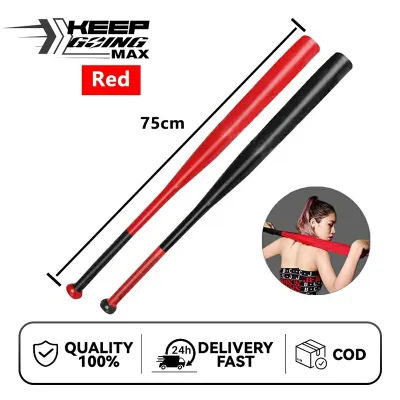
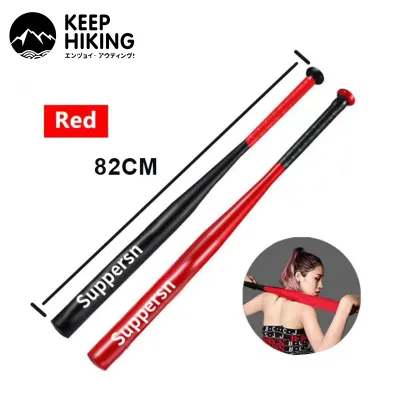
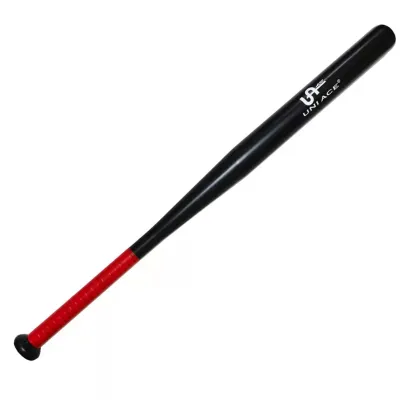
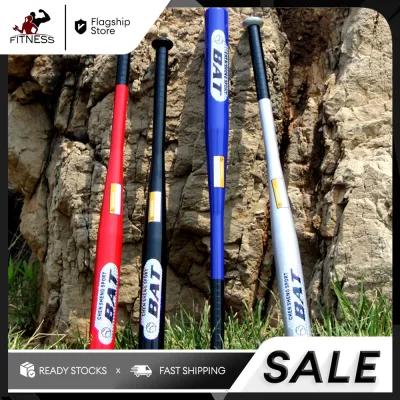
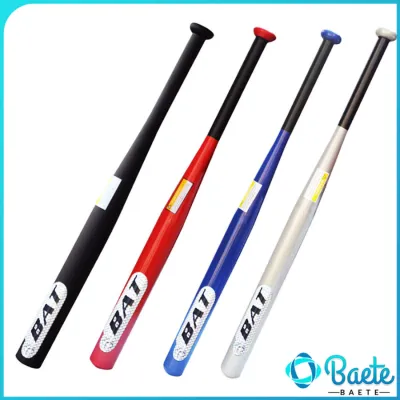
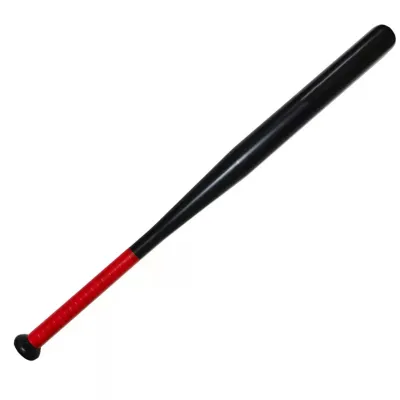
Prices are valid at publication and may change. Please refer to the product page for the latest price.
Step 1: Determine the Correct Bat Length
Finding the right length is the first logical step in your purchasing journey. The correct length ensures that you can comfortably cover the entire hitting zone—especially the outer edge of the plate—without having to lean forward or compromise your batting stance.

Measuring by Height and Age
Your physical height and age serve as the primary baseline for selecting a bat’s length. Generally, younger and shorter players require shorter bats to maintain control over the barrel, while taller players need longer bats to maximize their reach. For example, a youth player under 4 feet tall will typically perform best with a bat between 26 and 28 inches, whereas an adult standing over 5 feet 9 inches will usually require a bat of 31 to 33 inches.
Rather than guessing or buying a longer bat with the intention of growing into it, always consult the manufacturer’s official sizing chart as your starting point. These charts break down recommended lengths based on precise height and weight brackets. Keep in mind that these charts are guidelines; individual body proportions, such as arm span, can influence which length feels most natural during a game.
The Arm Extension Test
To verify if a specific bat length is appropriate without relying solely on charts, you can perform a quick physical check known as the arm extension test. This is highly useful when shopping in person at a local sports store.
To perform this test, stand up straight and place the round knob at the bottom of the bat handle directly against the center of your chest. Extend your dominant arm straight out parallel to the bat. If your fingertips can comfortably touch or rest on the very end of the bat’s barrel, the length is generally appropriate for your reach.
If your fingers cannot reach the end of the barrel, the bat is too long and will likely be difficult to control. If your hand wraps completely around the sides of the barrel, the bat is too short, meaning you will sacrifice valuable coverage over the plate.
Step 2: Find the Ideal Bat Weight and Drop
Once you have narrowed down the correct length, the next step is determining how heavy the bat should be. This involves understanding the relationship between length and weight, which is expressed through a unique industry term known as “drop.”
Understanding Bat Drop (Length-to-Weight Ratio)
In baseball, a bat’s weight is not measured in isolation; instead, it is viewed in relation to its length. This relationship is called the “drop” or the length-to-weight ratio, and it is always written as a negative number (such as -10, -5, or -3). The formula is straightforward: subtract the weight of the bat in ounces from the length of the bat in inches. For example, a bat that is 30 inches long and weighs 20 ounces has a drop of -10 (30 – 20 = 10).
A higher drop number indicates a lighter bat, while a lower drop number indicates a heavier bat. Beginners often find this counterintuitive at first. A -10 bat is significantly lighter and easier to swing than a -5 or -3 bat of the exact same length.
Youth leagues typically require lighter bats with higher drops (ranging from -10 to -13) to help developing players build speed. As players transition to high school, college, or adult leagues, regulations require heavier bats, culminating in the standard -3 drop required for older players.
Matching Weight to Age and Strength Level
Choosing the right weight is a balance between your age group and your personal physical strength. While general guidelines exist, individual athletic ability and swing speed must guide your final decision.
- Tee-Ball and Early Youth (Ages 4–7): Players in this bracket benefit most from ultra-light bats, typically featuring a drop of -11 to -13. The focus here is entirely on contact and learning the basic motion of the swing.
- Junior Youth and Little League (Ages 8–12): Most players in this range use bats with a drop of -10 or -8. A naturally stronger child might comfortably handle a -8 bat, while a smaller or less experienced player should stick to a lighter -10 to maintain quick hand speed through the zone.
- Senior Youth and Prep (Ages 13–15): This is a transition phase where players move toward heavier equipment, often using a -5 drop to prepare their muscles for adult regulations.
- High School, College, and Adult (Ages 14+): Standard league rules generally mandate a drop of -3. Because these bats are heavy, beginners in this category must focus heavily on upper body and core strength to prevent the bat from dragging.
Step 3: Test the Bat's Swing Weight and Balance
Static weight—the number printed on the scale—only tells part of the story. How the bat feels when it is in motion, known as its swing weight, is what truly determines whether it is a good match for your current strength level.
The Wrist Test for Strength
Before committing to a purchase, you can perform a simple, reliable strength test to ensure the static weight of the bat is manageable. This test helps identify if a bat will cause premature fatigue during a long practice session or a multi-inning game.
Hold the bat by the handle knob using only your dominant hand. Extend your arm straight out to your side, parallel to the ground, so that the bat is pointing directly away from you. Try to hold this position steadily for 20 to 30 seconds.
If your wrist begins to shake, the barrel drops toward the floor, or you feel a straining sensation in your forearm, the bat is too heavy for your current strength level. A proper fit allows you to hold the bat level without significant physical strain, ensuring you can maintain control during a real game.
Checking the Swing Mechanics
After passing the static wrist test, the final validation comes from analyzing your dynamic movement during a series of practice swings. If possible, find a safe, open space to take several dry swings at moderate speed.
Pay close attention to how your body reacts as the bat moves through the hitting zone. If the bat is too heavy, you will notice your hands dropping early, your torso leaning backward to compensate for the weight, or your swing path dragging behind your natural timing.
If the bat is too light, the swing might feel overly “whippy” or unstable, making it difficult to keep your hands inside the ball and maintain a consistent path. A well-balanced bat allows for a smooth, controlled motion where you can stop the swing comfortably at any point without losing your footing.
Quick Guide to League Certifications for First-Time Buyers
You can find a bat with the perfect length, weight, and feel, but it will be useless if local league officials do not allow it on the field. Different leagues enforce strict rules regarding bat materials, barrel diameters, and performance standards to ensure player safety and fair play.
Before buying, look for the specific certification stamp printed clearly on the barrel or taper of the bat:
- USA Baseball: This stamp is required for most standard youth leagues, including Little League and PONY. These bats are designed to perform similarly to wood, keeping ball exit speeds at a safe level for younger players.
- USSSA (United States Specialty Sports Association): Often used in competitive travel ball leagues. These bats have a higher performance ceiling, allowing the ball to jump off the barrel with more speed.
- BBCOR (Batted Ball Coefficient of Restitution): This is the mandatory standard for high school, college, and senior adult leagues. All BBCOR bats must have a -3 drop and a 2 5/8-inch barrel diameter, designed to mimic the performance of traditional wood bats.
In the Philippines, local school tournaments, community leagues, and regional meets (such as Palarong Pambansa or local club associations) follow specific rulebooks that dictate which stamps are permitted. Always consult your coach, team captain, or league organizer to confirm the exact certification requirements before spending your budget.
Common Mistakes to Avoid When Buying Your First Bat
When purchasing your very first baseball bat, avoiding common retail pitfalls can save you money and protect you from unnecessary frustration on the field.
First, never buy a bat that is too large with the expectation that you or your child will “grow into” it. Playing with an oversized, heavy bat ruins swing mechanics, slows down muscle development, and often leads to frustration when the player cannot make contact with the pitch. It is far better to buy a less expensive, perfectly sized bat that fits right now, and then upgrade later as physical size and strength increase.
Second, do not assume that a higher price tag automatically translates to better performance for a beginner. High-end composite bats often require a specific break-in period and can be sensitive to extreme weather or improper storage. For a first purchase, a standard one-piece aluminum alloy bat is highly recommended. Alloy bats are durable, affordable, require zero break-in time, and perform consistently in the warm, humid climate of the Philippines without the risk of moisture absorption or warping that can affect wood bats.
Finally, do not buy a bat based solely on aesthetic designs or because it is endorsed by your favorite professional player. A professional-grade wood bat or a high-end adult model is useless to a beginner if the length, weight, and league certification do not match your personal physical dimensions and local league rules.
Frequently Asked Questions (FAQ)
Can I use a softball bat for baseball?
No, you should never use a softball bat for baseball. Softball bats are engineered with different barrel diameters, thinner walls, and weight distributions specifically designed for hitting larger, softer balls. Using a softball bat against a dense, hard baseball can cause the bat to dent, crack, or shatter, posing a serious safety hazard to the batter and nearby players. Additionally, doing so violates the safety regulations of virtually all organized baseball leagues.
Does a more expensive bat make a beginner hit better?
No, a premium price tag does not make up for poor swing mechanics or an incorrect fit. For beginners, the physical dimensions of the bat—proper length, manageable weight, and correct balance—influence hitting success far more than advanced composite materials. A standard, budget-friendly aluminum alloy bat is highly durable and provides immediate, reliable performance, allowing you to focus your energy and resources on practice and coaching.
How often should I re-evaluate my child's bat size?
You should re-evaluate your child’s bat size at the start of every new playing season or immediately following a significant growth spurt. Children grow rapidly, and a bat that fit perfectly six months ago may now be too short or too light, causing them to lose reach or swing too quickly. Regular physical checks using the arm extension test and the wrist test will ensure they are always playing with equipment that supports their physical development.
Community discussion
Share your experience or ask a question. Comments are reviewed before publication.