
Choosing your first baseball bat is a critical decision that directly shapes your swing mechanics, comfort at the plate, and overall development as a player. A bat that is too heavy will drag your hands down and slow your reaction time, while one that is too light or short will limit your reach and power. To find the right fit, you must balance three key dimensions: length, weight, and material.
In the Philippines, where baseball is a popular school and recreational sport, players must also consider local playing conditions. High tropical humidity and sudden rain showers can affect how certain materials perform and wear over time, making your initial choice even more important. By taking the time to measure your body and test different options, you can select a bat that feels like a natural extension of your arms.
Understand Baseball Bat Anatomy and Key Terms
Before comparing sizes, you must understand the basic anatomy of a baseball bat. This knowledge helps you decode manufacturer specifications and product labels when shopping.
Products mentioned in this guide
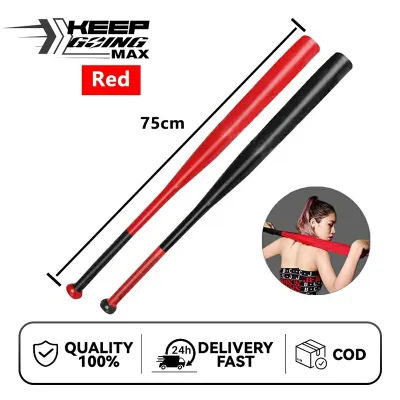
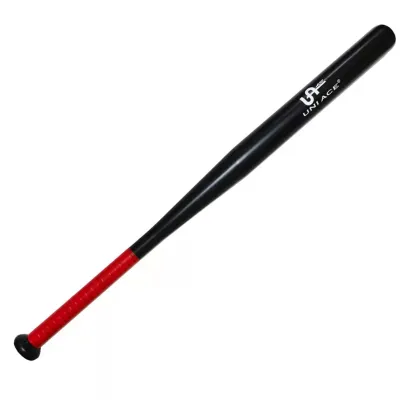
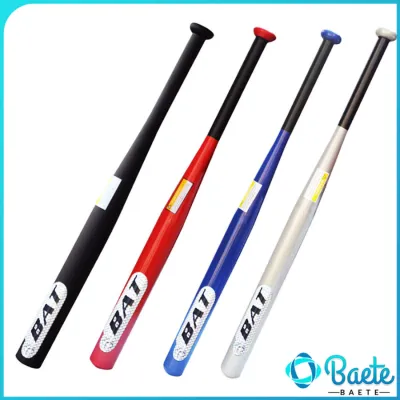
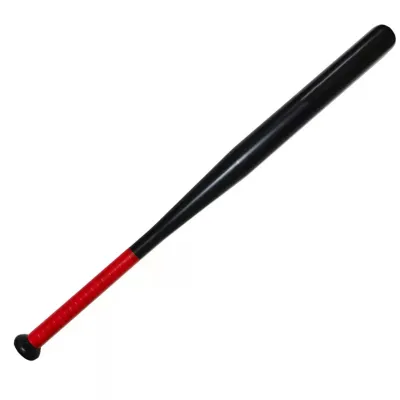
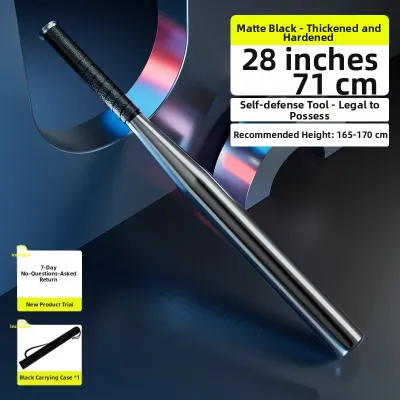
Prices are valid at publication and may change. Please refer to the product page for the latest price.
- The Barrel: This is the thickest part of the bat used to strike the ball. It contains the "sweet spot," which is the optimal hitting area that maximizes energy transfer and minimizes hand vibration.
- The Taper and Handle: The taper is the sloping section where the wide barrel narrows down to the thin handle. The handle is where you place your hands; it is typically wrapped in a grip tape to prevent slipping.
- The Knob: Located at the very bottom of the handle, this flared piece keeps your hands from sliding off the bat during a high-speed swing.
- The End Cap: This seals the top of the barrel. High-quality end caps help balance the bat's weight distribution and can improve the sound and feel of contact.
Understanding “drop weight” is equally essential. The drop weight is a negative number printed on the bat (such as -3, -8, or -10) that represents the difference between the bat’s length in inches and its weight in ounces. For example, a 30-inch bat that weighs 20 ounces has a drop weight of -10.
A higher drop weight number indicates a lighter bat. Beginners, younger players, and those developing their swing speed generally benefit from a lighter bat (higher drop weight, like -10 or -11). Older teens and adult players transitioning to competitive leagues typically use heavier bats (lower drop weight, like -5 or -3).
Step 1: Determine the Correct Bat Length for Your Height
Finding the right bat length is your first priority because it dictates your coverage of the strike zone. If your bat is too long, the extra length adds unnecessary weight and leverage, forcing your hands to work harder and slowing your reaction time. Conversely, a bat that is too short leaves you unable to reach pitches on the outer edge of the plate, forcing you to lunge or compromise your posture.

To find your ideal length without a complex measuring tape, you can perform two simple, reliable physical tests at home or in a sporting goods store.
- The Chest and Arm Test: Stand up straight and place the knob of the bat in the very center of your chest, pointing the barrel straight out to the side, parallel to your extended arm. If you can comfortably touch the very tip of the end cap with your fingertips, the bat is an appropriate length. If your fingers cannot reach the cap, or if the barrel extends past your palm, the length is incorrect.
- The Stand and Reach Test: Place the bat vertically on the ground next to your leg, with the end cap resting on the floor and the knob pointing upward. Stand flat-footed and let your arm hang naturally at your side. The knob of the bat should reach the crease of your wrist or the center of your palm. If you have to bend over to touch the knob, or if the knob reaches up to your hip, the bat is either too short or too long.
While these physical tests are excellent for capturing your unique body proportions and wingspan, you should also consult manufacturer height-to-length sizing charts. These charts provide a reliable baseline based on average player statistics. If your physical test results differ slightly from a chart, prioritize personal comfort and your physical test results, as individual arm length and stance variation play a major role in a proper fit.
Step 2: Find the Ideal Bat Weight and Drop Weight
Once you have determined the correct length, you must select the appropriate weight. A common misconception among beginners is that a heavier bat automatically translates to more power. In reality, hitting power is a product of both bat mass and swing speed. For a beginner, maintaining a high swing speed and clean mechanics is far more valuable than swinging a heavy piece of metal that slows down your hands.
To check if a bat’s weight is suitable for your current strength, use the horizontal hold test.
- The Horizontal Hold Test: Extend your dominant arm straight out to your side, parallel to the ground. Grip the bat by the handle with only that hand and hold it completely horizontal. Attempt to hold this position steady for 20 to 30 seconds. If your wrist begins to shake, the barrel dips downward, or you feel strain in your shoulder, the bat is too heavy for you.
Many beginners make the mistake of “sizing up” to a heavier bat because they want to use the same specifications as professional players or older peers. This decision almost always backfires. A bat that is too heavy causes your hands to drop during the initiation of the swing, leading to an upward, looping swing path. This makes it incredibly difficult to connect with fast pitches and often results in weak pop-ups or complete misses.
As a general starting point, youth players should look for a light drop weight of -10 or -8. Older teenagers and casual adult players should start with a drop weight of -5, while competitive high school and college players are typically required by rules to use a -3 drop weight. Always start lighter to master your swing mechanics first; you can always transition to a heavier model as your strength and coordination improve.
Step 3: Select the Best Bat Material for Your Skill Level
The material of your baseball bat affects its durability, price, feel, and performance. For beginners, choosing the right material is about balancing your budget with how the bat responds to mis-hit balls.
- Alloy (Aluminum): Alloy bats are constructed from aluminum blends. They are highly durable, relatively affordable, and ready for immediate use right out of the box—often referred to as being "hot out of the wrapper." Alloy bats perform consistently in all weather conditions, including the high heat and humidity of the Philippines. Furthermore, alloy bats provide immediate physical feedback; if you hit the ball off the handle or the end cap, you will feel a distinct sting in your hands. This feedback is incredibly useful for beginners because it teaches you to identify when you have made contact on the sweet spot.
- Composite: Made from carbon fiber polymer materials, composite bats feature a lighter swing weight and a larger, more forgiving sweet spot. They also absorb vibrations, meaning you will feel very little hand sting on mis-hits. However, composite bats are significantly more expensive and require a dedicated break-in period before they reach their peak performance. Because of the high cost and the care required to maintain them, composite bats are generally recommended for advancing players rather than absolute beginners.
- Wood: Wood bats, typically crafted from maple, ash, or birch, offer a classic, traditional feel and sound. They require highly precise contact on the sweet spot to drive the ball effectively. While wood bats are excellent training tools for refining your swing and are mandatory in professional and advanced amateur leagues, they are less forgiving than metal bats and can break easily on inside pitches. For a casual beginner, a wood bat is best kept as a secondary practice tool rather than your primary game-day bat.
Step 4: Check League Rules and Certification Requirements
Before you finalize any purchase, you must verify the specific rules of the league or tournament where you plan to play. Buying a high-quality bat is of no use if it is deemed illegal by league officials. Different age groups, school athletic associations, and recreational leagues enforce strict safety and performance standards.
These regulations are designed to limit how fast the ball leaves the bat (known as bat-exit velocity) to protect defensive players and ensure fair competition.
- Identify the Required Standard: Common certification standards include USA Baseball (for youth recreational leagues), USSSA (often used in competitive travel ball), and BBCOR (Batted Ball Coefficient of Restitution, mandatory for high school and college play).
- Consult League Resources: Before shopping, check your league's official handbook, website, or contact your coach directly to ask for the exact bat specifications and certification stamps allowed.
- Locate the Stamp: When inspecting a bat, look closely at the barrel or just above the grip taper. The required certification logo must be permanently stamped or printed onto the bat. If you are purchasing a second-hand bat or buying online, always verify that this stamp is clearly visible and undamaged, as referees and umpires will inspect bats before games.
How to Test and Verify Your Bat Fit Before Buying
Even if a bat meets all your calculated measurements on paper, it must feel right in motion. Before making a final purchase, take the time to physically test the bat to ensure it supports proper hitting mechanics.
Start by taking several full, controlled practice swings in a safe space. Do not just hold the bat statically; swing it to feel how the weight shifts through the hitting zone. Some bats are “end-loaded,” meaning more weight is concentrated near the end cap, while others are “balanced,” with the weight distributed evenly. Beginners almost always perform better with a balanced bat, as it is much easier to control.
If you plan to wear batting gloves during your games, put them on while testing the bat. The thickness of the gloves can alter how the handle grip feels in your palms and can affect your control over the bat.
Pay close attention to your follow-through at the end of your swing. If you feel the momentum of the bat pulling your body off-balance, dragging your hands downward, or forcing you to bend your knees excessively to stay upright, the bat is too heavy or too long.
A properly fitted bat should feel like a natural extension of your arms. It should allow you to maintain a level gaze, keep your hands high and tight to your body during the load phase, and execute a smooth, level swing path from start to finish.
Frequently Asked Questions (FAQ)
How do I know if a baseball bat is too heavy for me?
You can quickly diagnose a heavy bat using the horizontal hold test or by analyzing your performance during practice. If you cannot hold the bat straight out at shoulder height with one hand for 20 seconds, it is too heavy. On the field, warning signs include consistently hitting the ball late (driving it to the opposite field), hitting the ball off the very end of the bat, or experiencing severe hand vibration and soreness after contact. A slow, dragging swing path is a clear indicator that you need to drop down in weight.
What is the difference between a baseball bat and a softball bat?
While they look similar, baseball and softball bats are engineered differently to match their respective sports. Softball bats generally have longer, narrower barrels and a thinner handle to accommodate the larger diameter of a softball and the unique underhand pitching angles. Baseball bats have thicker handles and a more tapered barrel designed for overhand pitching speeds and smaller baseballs. Using a baseball bat in a softball league—or vice versa—is highly inefficient, can damage the equipment, and is strictly prohibited by almost all league rulebooks.
Do I need to break in a new baseball bat?
Whether you need to break in your bat depends entirely on the material. Alloy (aluminum) and wood bats do not require any break-in process and are ready to use immediately. However, composite bats require a structured break-in period to compress the carbon fibers and allow the barrel to reach its full responsiveness. To break in a composite bat, you should hit a stationary ball off a batting tee or take light practice swings with a real baseball, rotating the bat a quarter-turn after every hit. Always refer to the manufacturer’s specific care instructions, as improper break-in methods can void your warranty.
Community discussion
Share your experience or ask a question. Comments are reviewed before publication.