
Choosing the right baseball ball is the first and most critical step in introducing a child or beginner to the sport. The choice directly impacts safety, confidence, and skill development. In a tropical environment like the Philippines, where high humidity and sudden downpours are common, selecting the appropriate ball also means considering how materials withstand local weather. A ball that is too hard can cause injury and create a lasting fear of the sport, while a ball that is too soft or light might not provide the realistic feedback needed to learn proper throwing and catching mechanics. By understanding the differences in hardness, core construction, and cover materials, parents and coaches can create a safe, encouraging environment for new players.
Understanding Baseball Types: Soft, RIF, and Hard Balls
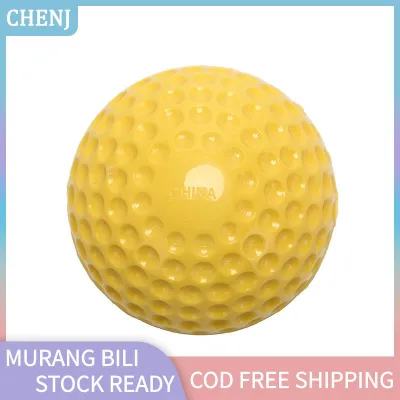
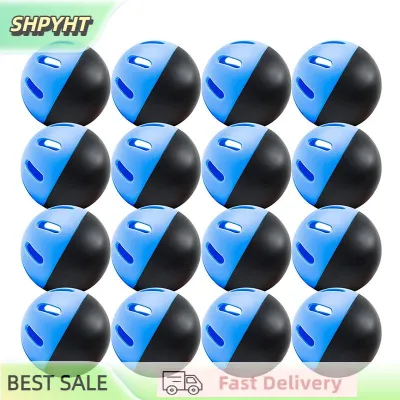
Soft baseballs are designed for absolute beginners, toddlers, and indoor practice. They typically feature foam, sponge, or soft-core constructions that weigh significantly less than standard balls and compress completely when squeezed. This soft construction eliminates the fear of impact, allowing young players to focus on tracking the ball and closing their glove without worrying about painful misses. They are also ideal for indoor drills when rainy weather keeps practice inside.
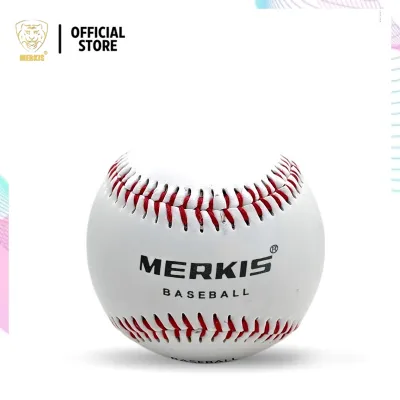
RIF (Reduced Injury Factor) or safety baseballs serve as a crucial middle ground. They look and feel remarkably like standard baseballs but feature a polyurethane or rubberized core instead of a solid cork-and-rubber center. This core is engineered to compress upon impact, absorbing a significant portion of the force and reducing the sting or injury risk if a player is hit. RIF balls are categorized by safety levels, with lower numbers indicating softer construction.
Products mentioned in this guide
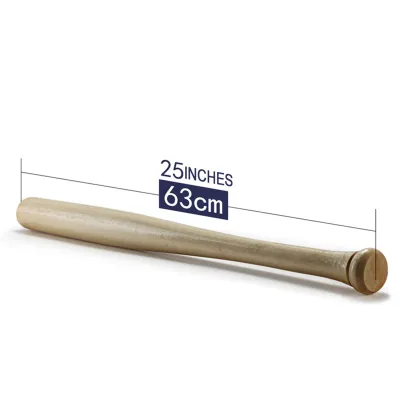
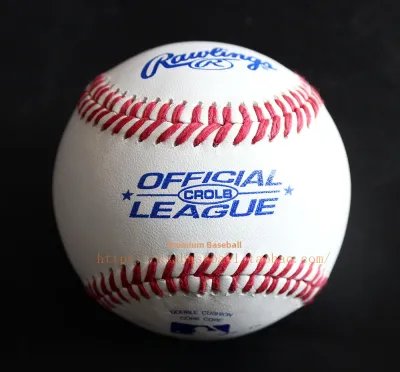
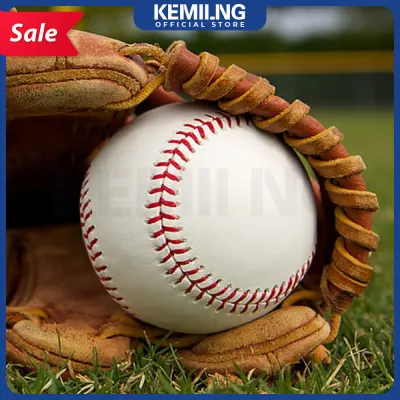
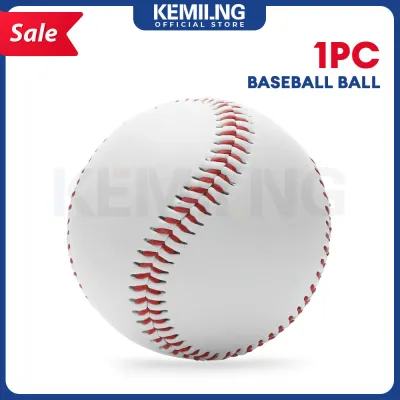
Prices are valid at publication and may change. Please refer to the product page for the latest price.
Standard hard baseballs are the traditional balls used in competitive play. They feature a solid cork and rubber core, wrapped tightly in wool yarn and covered in leather. Youth-specific hard balls are slightly lighter and smaller than adult versions to fit smaller hands, but they still possess a solid, unyielding structure. These are only appropriate once a player has developed reliable catching, fielding, and defensive reflexes to protect themselves from fast-moving balls.
Do not rely solely on the visual appearance of a baseball ball. Many safety balls are designed to look identical to professional hardballs, complete with red stitching. Always check the manufacturer’s packaging for age recommendations, skill levels, and intended use cases. If the packaging does not explicitly state the hardness or safety rating, treat the ball as a standard hardball and verify its specifications before allowing a beginner to use it.
Matching the Baseball to Age and Skill Level
Toddlers and Early Beginners (Ages 4-7)
At this developmental stage, the primary goals are building basic hand-eye coordination, learning how to hold a glove, and enjoying the game. For these players, soft, lightweight foam or sponge balls are the best choice. These balls are highly forgiving and do not cause pain upon impact, which is essential for preventing the natural flinch response that can ruin a child’s confidence early on.

Using oversized or ultra-soft options can make catching much easier, helping young players experience early success and stay motivated. Avoid any ball with a solid core, as toddlers do not yet have the physical coordination or reaction time to protect themselves.
Little League and Intermediate Players (Ages 8-12)
As players transition into organized youth leagues, they begin facing faster throws, pitching machines, and harder hits. This is the stage to transition to RIF/safety baseballs or youth-specific hard balls with slightly reduced weight or softer cores. These balls provide a realistic bounce and flight path while maintaining a safety margin.
When purchasing balls for this age group, it is critical to check local league regulations. Many youth leagues in the Philippines, including local Little League chapters and school athletic associations, mandate specific RIF balls for official games and practices to prevent injuries.
Advanced Youth and Teens (Ages 13+)
By the age of 13, most players have established proper batting, pitching, and fielding mechanics. They have the reaction time and physical strength to handle standard hard baseballs safely. Transitioning to standard balls is necessary at this stage to prepare players for high school or competitive club play, where the true speed, rebound, and flight characteristics of a hardball are standard.
Before buying, verify that the baseball ball meets the official weight, size, and performance specifications required by the specific league or tournament authority.
Key Features to Inspect Before Purchasing
Seams: The seams of a baseball ball play a major role in grip and aerodynamics. Raised seams stand higher off the cover, providing more friction. This makes them much easier for beginners and young players to grip, throw accurately, and learn basic pitching finger placements. Flat seams, on the other hand, are stitched flush with the cover. They offer less wind resistance and are typically reserved for advanced play, high-velocity pitching, and pitching machines where raised seams might cause mechanical jams or inconsistent pitches.
Weight and Size: Never rely on visual estimates when choosing a baseball ball. A ball that looks correct might be too heavy or too large for a young player’s hands, leading to poor throwing mechanics or shoulder strain. Always check the product label or the official league rulebook to verify the exact circumference and weight limits. Standard youth baseballs are typically 9 inches in circumference and weigh between 4 to 5 ounces, but safety variations may weigh slightly less.
Cover Material: The choice between synthetic leather and genuine leather depends on your budget, practice environment, and skill level. Synthetic covers (often made of polyurethane or PVC) are highly durable, resistant to scuffs, and perform exceptionally well in humid or wet conditions. They are ideal for casual backyard practice, playing on concrete or rough dirt fields, and budget-friendly setups. In the local market, synthetic baseballs are highly accessible, with budget options starting around ₱150 to ₱300, while high-quality RIF or genuine leather balls can range from ₱400 to over ₱1,000 each. Genuine leather covers offer a superior grip, a traditional feel, and better break-in potential, making them the preferred choice for advanced training and official games, though they require more care to prevent moisture damage.
Labels and Markings: When shopping, look closely at the markings printed directly on the ball or its packaging. Reputable manufacturers print clear age recommendations, safety certifications, and league approval stamps (such as Little League, Pony, or USSSA). These stamps serve as a guarantee that the ball has been tested and meets specific safety and performance standards. Avoid unbranded balls that lack these markings, as their internal construction and safety limits are unverified.
Step-by-Step Selection and Verification Process
Step 1: Identify the player’s current age, physical strength, skill level, and primary use case. Determine whether the ball will be used for casual backyard catch, batting cage training, or official league games.
Step 2: Consult the player’s coach or review the local league’s official rulebook. Confirm if there are any mandatory ball types, specific weight limits, or RIF requirements for their age bracket.
Step 3: Select the appropriate material category (Soft, RIF, or Hard) based on the player’s needs and league rules. For absolute beginners, prioritize soft or RIF options to build confidence safely.
Step 4: Inspect the physical ball or online product specifications. Check the seam type (raised vs. flat), cover material (synthetic vs. leather), and look for official league approval stamps or safety certifications.
Step 5: Test the grip and weight in-store if possible, ensuring the ball fits comfortably in the child’s hand. If buying online from an online marketplace, verify the seller’s return policies so you can exchange the ball if it arrives and feels too heavy or large for your child.
Safety Boundaries and Maintenance in Humid Climates
It is important to remember that no baseball ball, including RIF and soft variations, completely eliminates the risk of injury. Proper protective gear—such as batting helmets with face guards, chest protectors, and athletic cups—is mandatory during active play. Always teach beginners correct defensive techniques, such as turning away from wild pitches. Inspect equipment regularly and stop using any ball that becomes misshapen, excessively hard, or has exposed, frayed seams.
The tropical climate of the Philippines presents unique challenges for sports equipment. High humidity, intense heat, and sudden rain showers can quickly degrade baseballs. Moisture can seep into genuine leather covers, causing them to stretch, rot, or lose their grip. Furthermore, water absorption can weaken the internal stitching and significantly alter the ball’s weight and hardness, turning a safe practice ball into a heavy, unpredictable hazard.
To maximize the lifespan of your baseballs, store them in a cool, dry place indoors, away from direct sunlight and high-humidity areas like outdoor storage sheds. After playing on damp grass or dusty fields, wipe off dirt and moisture immediately using a dry or slightly damp cloth. Never soak a baseball in water or use harsh chemical cleaners, as this will ruin the internal core and shrink the cover material. Always refer to the manufacturer’s care instructions for specific cleaning guidelines.
Regularly inspect your baseballs for signs of wear. Discard and replace any balls that have become waterlogged, lost their round shape, or show signs of split stitching. A compromised ball can behave unpredictably when thrown or hit, increasing the risk of injury to players and damage to bats.
Frequently Asked Questions (FAQ)
Can I use a regular hard baseball for a 10-year-old beginner?
Using a standard hard baseball ball for a 10-year-old beginner is not recommended. At this stage, players are still developing their catching and fielding reflexes. A hardball can cause painful injuries upon impact, which often leads to a persistent fear of the ball (flinching) and hinders skill development. It is much safer to start with a RIF (Reduced Injury Factor) ball or a soft-core youth ball until they have mastered basic catching and defensive mechanics.
Do RIF baseballs feel exactly like regular baseballs?
RIF baseballs are designed to mimic the weight, size, and appearance of standard hard baseballs very closely, but they do not feel exactly the same upon impact. Because of their polyurethane or rubberized cores, RIF balls have more compression and a slightly softer feel when squeezed or hit. They may also exhibit a slightly different bounce and flight distance. While they are excellent for safe skill development, players transitioning to competitive high school leagues will eventually need to practice with standard hardballs to adapt to their true speed and rebound.
How do I clean a muddy baseball after playing outside?
To clean a muddy baseball ball, gently wipe the surface with a dry cloth to remove loose dirt, then use a slightly damp microfiber cloth to clean off stubborn mud. Allow the ball to air dry completely at room temperature in a well-ventilated area. Never soak the ball in water, wash it under a running faucet, or use direct heat sources like hair dryers or ovens. Soaking will ruin the internal core and stitching, while direct heat can shrink and crack the leather or synthetic cover.
Community discussion
Share your experience or ask a question. Comments are reviewed before publication.