
Choosing the right knee pad for basketball requires balancing your specific on-court role, the level of impact protection your knees require, and the compression needed to support your joints without restricting your vertical leap or lateral quickness. Basketball involves constant deceleration, jumping, and physical contact, making joint protection a priority for players of all levels. Whether you are playing on concrete outdoor courts or polished indoor hardwood, selecting gear that manages sweat while staying securely in place is essential for maintaining peak performance and avoiding painful floor burns or joint strains.
To find the ideal match, you must evaluate how different padding materials absorb shock, how compression levels influence your circulation, and how the overall fit accommodates your natural movement patterns. Investing in the wrong gear can lead to constant slippage, restricted mobility, or skin irritation, which distracts you from the game. By understanding your personal protection needs and verifying key product specifications, you can select a knee pad that feels like a second skin and supports your longevity on the court.
Assess Your On-Court Protection Needs
Your position and playing style dictate the type of physical contact you encounter, which directly influences the level of knee protection you need. Interior players, such as power forwards and centers, spend most of their time battling in the paint, where they face frequent physical contact, box-outs, and floor dives. These players generally require robust impact protection with thicker padding to shield the patella from bony contact against opponents’ knees or elbows.
Products mentioned in this guide
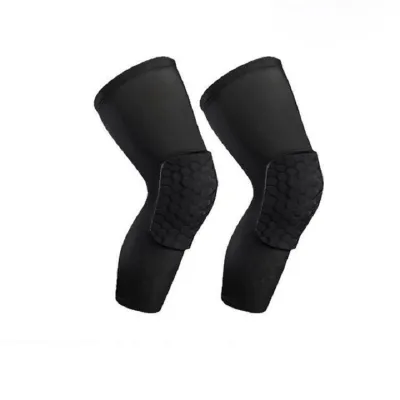
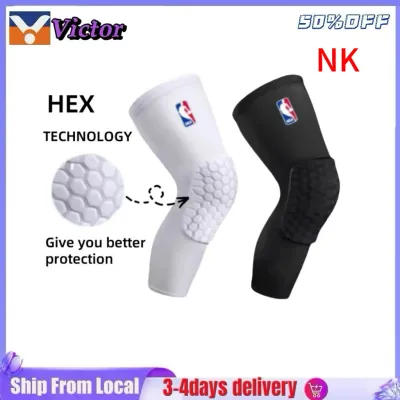
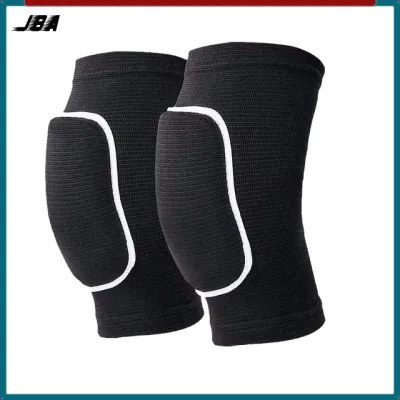
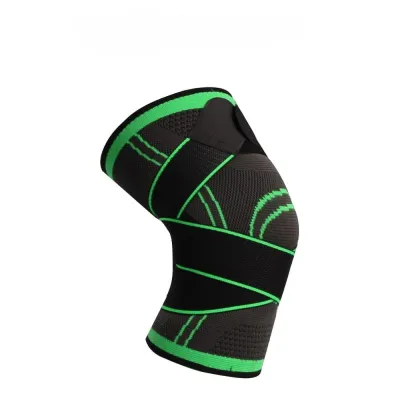
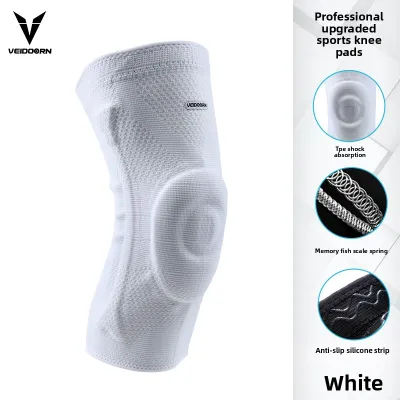
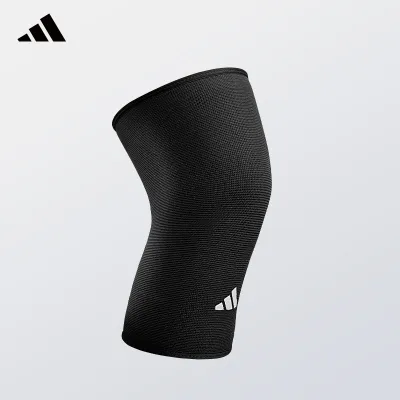
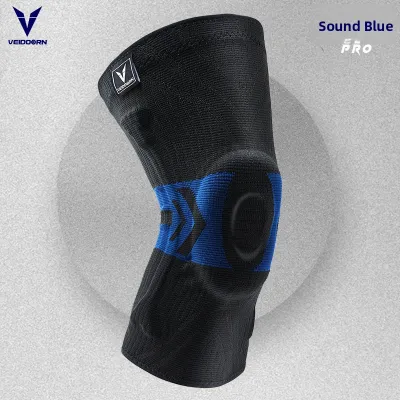
Prices are valid at publication and may change. Please refer to the product page for the latest price.
Conversely, perimeter players like point guards and shooting guards rely heavily on rapid lateral cuts, crossovers, and fast breaks. For these roles, lightweight mobility is the priority, making slim, highly flexible sleeves with targeted padding the preferred choice. If your game involves frequent driving to the basket and diving for loose balls, prioritizing abrasion resistance and shock absorption will help prevent painful floor burns and contusions.
It is also important to distinguish between preventive wear and post-injury support. Preventive wear focuses on keeping the joint warm, improving proprioception, and offering light scratch protection during routine play. Post-injury wear, however, requires structured support to manage joint tracking and reduce minor swelling. If you are recovering from a major structural injury, such as a ligament tear or severe meniscus damage, over-the-counter sports sleeves cannot replace a custom medical brace. Always consult a physical therapist or orthopedic specialist to determine if your knee is stable enough for competitive play and to obtain a recommendation for specialized medical gear.
Evaluate Padding Types for Impact Absorption
Padding materials vary significantly in how they disperse impact energy and conform to your joint. Ethylene-vinyl acetate (EVA) foam is highly popular because it is lightweight and can be molded into segmented, hexagonal patterns that wrap smoothly around the curve of the knee. This segmented design allows the pad to flex naturally with your leg while maintaining a protective barrier over the patella. Gel inserts provide dense, localized cushioning that offers excellent shock absorption directly over the kneecap, though they can feel slightly heavier than foam alternatives. High-density sponge is highly flexible and soft, but it may compress permanently over long-term use, reducing its protective capacity.

Beyond the material, you must evaluate the coverage area of the pad. Patella-only pads focus protection directly on the front of the kneecap, which is ideal for players who primarily want to guard against direct frontal impacts. Full-wrap sleeves extend protection to the surrounding soft tissues and the sides of the joint, offering a broader shield against lateral bumps. Some advanced designs feature lateral bumpers, which are particularly useful for players who frequently take side-impact hits during screens or crowded rebounds.
When shopping, check product labels for thickness and density specifications. While thicker padding might seem to offer better protection, excessively thick pads can restrict deep knee flexion, altering your natural shooting pocket or defensive stance. Look for a balance where the padding is thick enough to cushion a hard fall on hardwood or concrete, yet flexible enough to allow you to bend your knees fully without resistance.
Determine the Right Compression and Support Level
Compression is a key feature of modern basketball knee sleeves, as it helps balance muscle support, joint stability, and healthy blood circulation during intense gameplay. Mild compression, typically found in thin elastic sleeves, promotes local blood flow and keeps the joint warm during bench rests, which helps prevent stiffness. Moderate compression, offered by thicker knit or neoprene sleeves, helps reduce muscle oscillation and minor swelling during long games. Firm compression provides maximum joint stabilization, but it must be monitored closely to ensure it does not restrict your movement or blood flow.
Some knee pads feature integrated support structures, such as flexible side spring stays or circular patellar gel stabilizers. These components help guide the kneecap along its proper path and prevent lateral shifting during sudden changes of direction. While these features are highly beneficial for players seeking extra joint stability, they do add weight and can slightly limit extreme flexion. If you prioritize raw speed and jumping height, a simpler compression sleeve without rigid side stays may be more suitable.
To ensure the compression is beneficial rather than restrictive, you must select the correct size. Never guess your size or assume it matches your standard apparel size. Use a flexible measuring tape to measure your thigh circumference (typically 10 to 15 centimeters above the kneecap) and calf circumference (10 to 15 centimeters below the kneecap) while standing. Compare these exact measurements against the manufacturer’s sizing chart to find a secure, supportive fit that does not pinch your blood vessels.
Check Fit, Mobility, and Breathability
An ill-fitting knee pad can quickly become a liability on the court, sliding down your leg or bunching up and causing painful chafing. When evaluating a knee pad, verify how the material behaves during deep knee flexion. The fabric behind the knee should not bunch up excessively or pinch the skin, as this can restrict your ability to explode upward for rebounds or stay low in a defensive stance. The sleeve should feel snug but allow a full, unrestricted range of motion.
Playing basketball in tropical climates, such as the high-humidity environments found in the Philippines, involves heavy sweating whether you are playing in an air-conditioned indoor gym or an open-air community court. Look for moisture-wicking synthetic blends, such as nylon-spandex or polyester, which channel sweat away from the skin. Highly breathable fabrics prevent the sleeve from becoming waterlogged, heavy, and loose during the game, while also reducing the risk of skin irritation and bacterial buildup.
To keep the sleeve in place during high-intensity sprints and jumps, high-quality basketball knee pads feature anti-slip elements, such as silicone grip strips along the upper and lower hems. These strips grip the skin gently to prevent the sleeve from sliding down. If you have sensitive skin, verify that the silicone is hypoallergenic, as the combination of friction, heat, and sweat can sometimes cause localized rashes. If irritation occurs, you may need to look for sleeves that use textured elastic bands instead of silicone for retention.
Step-by-Step Fitting and On-Court Testing
Before wearing a new knee pad in a competitive game, perform a systematic fitting and testing routine to validate its suitability. Start by gathering the sleeve like a sock, pulling it over your foot, and sliding it up your calf. Align the central padding precisely over your patella, ensuring the edges of the pad cup the kneecap evenly. Smooth out any wrinkles or folds from the bottom up to ensure the compression is distributed uniformly across your leg.
Once the pad is on, conduct a series of static and dynamic testing movements to observe how it behaves under load. Begin with five deep bodyweight squats, paying close attention to whether the fabric pinches behind your knee or if the padding shifts away from the center. Follow this with three vertical jumps, landing softly to check if the upper band slips down your thigh. Finally, execute several rapid lateral defensive slides; the pad must remain centered and secure without requiring manual adjustment.
During this testing phase, observe strict stop conditions to protect your health. If you experience numbness, tingling in your lower leg, cold toes, or deep, painful red indentations that persist after removal, the pad is too tight and is restricting your circulation. Remove the pad immediately and seek a larger size or a more flexible design. Playing through circulatory restriction can lead to muscle cramping and temporary nerve issues.
Care and Maintenance for Longevity
Proper cleaning and storage practices are essential to maintain the elasticity, compression, and protective qualities of your basketball knee pads. Always consult the manufacturer’s care label for specific instructions. Generally, hand washing your knee pads in cool water with a mild detergent is the safest way to remove sweat salts, body oils, and bacteria without damaging the synthetic fibers. If you prefer machine washing, place the sleeves inside a mesh laundry bag and use a delicate cycle with cool water to prevent the elastic fibers from stretching or snagging on other garments.
After washing, air-dry the knee pads flat in a well-ventilated indoor area. Never use a high-heat tumble dryer or leave them under direct, harsh tropical sunlight. Extreme heat degrades the elastic spandex fibers, causing them to lose their recovery stretch, and can cause silicone grip strips to melt, crack, or peel away from the fabric. Proper drying also prevents the development of persistent odors and mold in the damp padding material.
Regularly inspect your gear for observable wear signals that indicate it is time for a replacement. Look for thinning fabric, loose threads, a loss of compression rebound (where the sleeve feels loose or fails to snap back), or peeling anti-slip strips. If you find that you are constantly pulling the sleeve up during games, or if the padding has become permanently compressed and flat, the gear can no longer provide adequate protection. Replacing your knee pads when they show these signs ensures your joints remain properly supported on the court.
Frequently Asked Questions (FAQ)
Should I wear knee pads on both knees or just one?
Wearing knee pads on both knees helps maintain symmetrical proprioception, which is your body’s natural awareness of joint position, and ensures even warmth across both joints during play. Symmetrical wear is highly recommended for preventive care, especially if you play a high-impact style on hard surfaces. However, if you are managing a specific minor injury or recovery process on one leg, wearing a single pad is acceptable to protect that side while maximizing lightweight mobility on the healthy leg.
Can basketball knee pads prevent serious ligament tears?
No, standard padded basketball sleeves are designed primarily for impact protection against floor burns and collisions, alongside mild compression for muscle warmth. They do not provide the mechanical joint locking or rigid structural support required to prevent severe ligament injuries like ACL or MCL tears. Preventing these serious injuries relies on targeted strength training, proper landing mechanics, and specialized, rigid medical braces prescribed by a healthcare professional.
How do I know if my basketball knee pads are too tight?
Your knee pads are too tight if you experience immediate warning signs such as calf swelling, numbness or tingling in your toes, or cold feet, which indicate restricted blood circulation. Additionally, if you notice deep, painful red welts or severe skin irritation behind the knee after a short testing period, the fit is too restrictive. You should size up immediately to ensure safe, comfortable play and to prevent muscle cramping on the court.
Community discussion
Share your experience or ask a question. Comments are reviewed before publication.