
Selecting the right basketball ring for kids with a board involves balancing safety, durability, and your child’s physical development. In the Philippines, where basketball is a deeply ingrained part of daily life, finding a setup that fits your home space while surviving the tropical climate requires careful planning. Whether you are setting up a play area in a garage, a subdivision driveway, or an indoor bedroom, the right equipment keeps children active and helps them build fundamental motor skills.
To make a smart investment, you must look beyond bright colors and appealing packaging. A quality youth basketball system should grow with your child, offer reliable stability during active play, and withstand local weather conditions like high humidity and heavy seasonal rains. This guide provides a practical framework to help you evaluate materials, structural designs, and safety features before making a purchase.
Key Features to Look for in a Kids' Basketball Hoop
When browsing online marketplaces or local sporting goods stores, the technical specifications of a basketball hoop can feel overwhelming. Focusing on three core components—the backboard material, the rim design, and the base stability—will simplify your decision and ensure you choose a system built to last.
Products mentioned in this guide
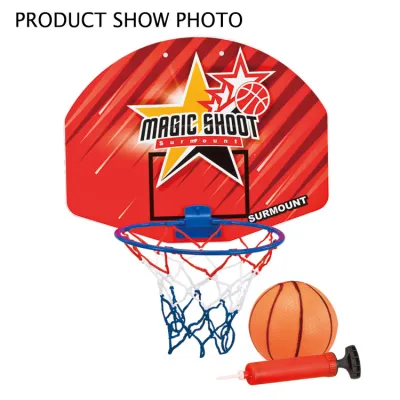
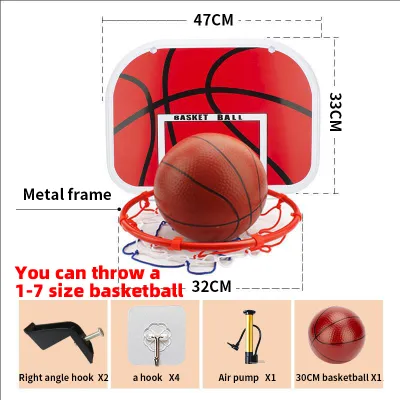
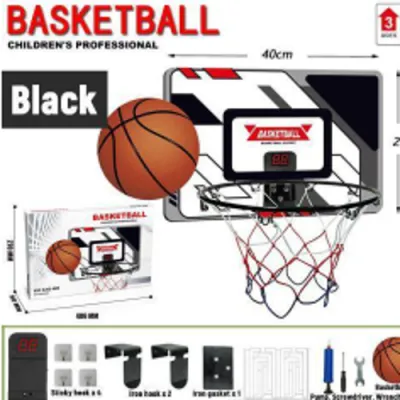
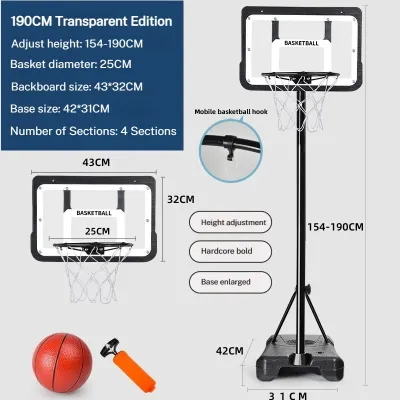
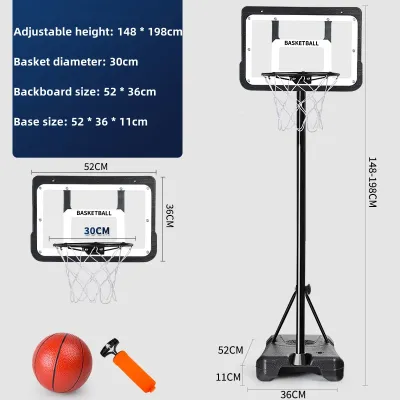
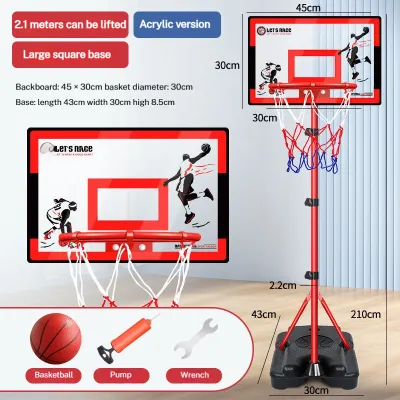
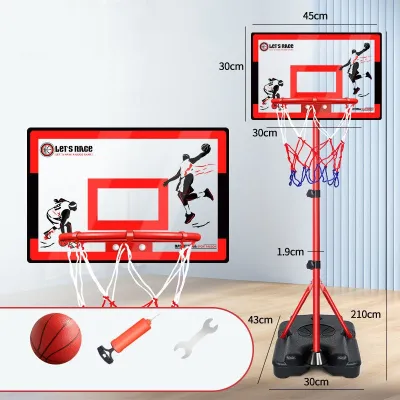
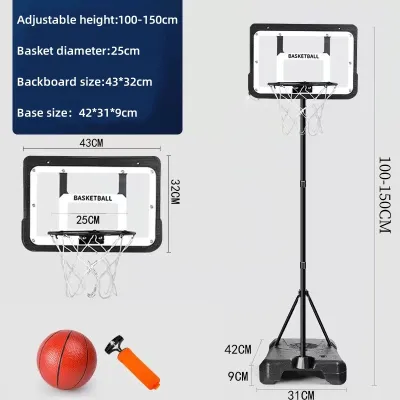
Prices are valid at publication and may change. Please refer to the product page for the latest price.
Backboard materials directly influence both the rebound performance and the overall durability of the system. Molded polyethylene or high-density plastic boards are common in entry-level toddler sets because they are lightweight, highly weather-resistant, and budget-friendly. For older children who require a more realistic bounce, look for polycarbonate or acrylic backboards. Polycarbonate is highly shatterproof and impact-resistant, making it an excellent choice for active outdoor play, though you should verify if the product description specifies a UV-resistant coating to prevent yellowing under the intense Philippine sun.
The rim is another critical point of contact that affects both safety and product lifespan. Standard fixed rims are bolted directly to the backboard or support pole, which is perfectly adequate for light shooting practice. However, if your child attempts to dunk or hang on the rim, a fixed design transfers all the impact force directly to the backboard, increasing the risk of cracking or structural failure. For older or more aggressive players, look for a spring-loaded breakaway rim that flexes downward under pressure to absorb impact and protect the backboard.
Base stability is the most crucial safety factor for freestanding, portable systems. These hoops rely on a hollow plastic base that must be filled with ballast to prevent tipping during play or high winds. When evaluating a hoop, check the manufacturer’s specifications for the base’s water or sand capacity. A larger capacity generally indicates a more stable system, but it also means the unit will be heavier and harder to move once filled.
Types of Basketball Rings with Backboards for Kids
The physical layout of your home is the primary factor in determining which structural design is most practical. Matching the hoop’s mounting style to your available playing area ensures safe clearance and maximizes the usability of the system.

Portable and Rollaway Hoops
Portable basketball systems feature a wheeled base connected to a support pole and backboard, offering excellent flexibility for households with shared driveways or multi-purpose outdoor spaces. These systems can be rolled out for an afternoon game and then wheeled back into a garage or carport for secure storage. This mobility is particularly useful in residential areas where keeping a permanent fixture on the street or sidewalk is not permitted.
Despite their convenience, portable hoops require a significant ground footprint to accommodate the ballast base. You must ensure you have a flat, level concrete surface for setup, as uneven ground can compromise stability. Additionally, you must strictly follow the manufacturer’s instructions regarding base weighting; leaving a portable base empty or partially filled poses a severe tipping hazard that can lead to injury or property damage.
Wall-Mounted and Door-Mounted Hoops
For homes with limited floor space or no driveway, wall-mounted and door-mounted systems offer a compact alternative. Door-mounted hoops are designed for indoor use, typically hanging over a standard bedroom or closet door. They are excellent for toddlers and young children, especially during the rainy season when outdoor play is limited. When choosing an over-the-door model, look for dense foam padding on the back of the mounting brackets to protect your door paint and reduce noise during play.
Wall-mounted hoops are more permanent fixtures that can be bolted to exterior concrete walls, garage beams, or sturdy wooden posts. These systems provide a highly stable playing experience because they eliminate the need for a bulky base. However, before installation, you must verify the structural integrity of the mounting surface. Bolting a heavy hoop to weak drywall or thin wooden panels can cause severe structural damage, so concrete or solid wood studs are highly recommended.
Adjustable vs. Fixed Height Systems
Children grow rapidly, and their basketball equipment should ideally grow with them. Adjustable height systems feature telescoping support poles or crank mechanisms that allow you to raise or lower the rim as your child develops. This adjustability ensures that the hoop remains challenging and fun for several years, offering better long-term value than a fixed-height model.
When comparing adjustable systems, look closely at the adjustment mechanism. Telescoping poles often require you to remove a knob or pin, slide the pole to the desired height, and reinsert the pin—a process that usually requires two adults or basic tools. More advanced systems utilize a counterbalanced handle or crank mechanism that allows for easy, one-handed adjustments. While fixed-height systems are generally more affordable and simpler to assemble, they are quickly outgrown and may limit your child’s skill progression.
Matching the Hoop to Your Child's Age and Skill Level
To keep your child engaged and prevent frustration, the size and height of the basketball system must align with their physical capabilities. A hoop that is too high can lead to poor shooting form, while a hoop that is too small for an older child will quickly lose its appeal.
For toddlers aged two to four, focus on lightweight, all-plastic systems with a rim height ranging from 3 to 5 feet. These sets typically use oversized, lightweight plastic balls that are easy for small hands to grip and throw. At this stage, the primary goal is developing basic hand-eye coordination in a safe, low-impact environment.
As children enter early elementary school (ages five to seven), they can transition to systems with a rim height of 5 to 7 feet and a backboard width of approximately 32 to 44 inches. This size allows them to practice with smaller, size-3 or size-5 youth basketballs. The larger backboard introduces the concept of bank shots and helps children understand rebound angles.
For pre-teens aged eight to eleven, look for adjustable systems that can reach 7 to 9 feet. At this stage, children are developing more realistic shooting forms and require a sturdier backboard, preferably made of polycarbonate or acrylic, measuring 44 to 48 inches. This setup prepares them for the transition to standard court dimensions while keeping the game accessible and fun.
Always cross-reference the manufacturer’s recommended age and height ranges printed on the product packaging. These guidelines are established not only for skill development but also to ensure that the physical weight and scale of the product are safe for children of that specific developmental stage.
Safety, Installation, and Maintenance Checks
Ensuring a safe playing environment requires careful attention during assembly and consistent maintenance over the product’s lifespan. Because basketball involves active, high-energy movement, a structural failure can lead to serious accidents.
Before beginning assembly, lay out all the included hardware and components to verify that nothing is missing. Inspect plastic parts for sharp edges or molding defects that could scratch a child’s hands. During assembly, ensure all bolts are tightened securely according to the instruction manual, but avoid over-tightening plastic components, which can cause them to crack and weaken over time.
Once the system is assembled, establish a routine maintenance checklist to perform every few weeks. For portable systems, check the base water level regularly; in hot tropical climates, water can slowly evaporate, or small hairline cracks can develop, leading to gradual leaks. If you use sand as ballast, inspect the base plug to ensure it remains tightly sealed. Periodically check all metal bolts and pole connections for signs of rust, and tighten any hardware that has loosened from the vibrations of play.
Outdoor setups in the Philippines face unique environmental challenges, including intense UV exposure, high humidity, and severe weather. To protect your investment, look for steel poles with powder-coated finishes that resist rust. During the typhoon season, do not leave portable hoops standing upright; strong winds can easily blow them over, shattering the backboard or bending the frame. Instead, lay the system flat on the ground in a protected area, or wheel it inside a garage or carport until the storm passes.
Where to Buy and What to Verify Before Checkout
Finding a basketball ring for kids with a board in the Philippines is relatively easy, with options ranging from local sporting goods stores in major malls to popular online marketplaces. However, navigating these listings requires a discerning eye to ensure you receive a genuine, high-quality product.
When shopping on e-commerce platforms, prioritize official brand stores or highly rated sellers with positive customer feedback. Read through the user reviews specifically looking for comments regarding assembly difficulty, packaging quality, and long-term durability. Be cautious of listings with generic descriptions and no clear brand name, as these products may lack proper safety testing or replacement parts.
Before finalizing your purchase, pay close attention to the shipping dimensions and estimated freight costs. Because basketball systems are bulky and heavy, shipping fees can add a significant amount to the total cost, especially if you live outside Metro Manila. Additionally, verify whether the product comes with a warranty or a clear return policy in case of manufacturing defects or missing parts.
Finally, consider the value of bundled deals versus standalone purchases. Some hoops are sold as complete packages that include a youth-sized basketball, a hand pump, and mounting hardware. If you do not already own these accessories, a bundle can save you time and money. However, if you choose a bundle, verify that the included ball is the correct size for the rim diameter, as using an oversized or overly heavy ball can damage a youth-sized hoop.
Frequently Asked Questions (FAQ)
What is the standard rim height for a 10-year-old?
For a 10-year-old child, the recommended rim height is typically 8 to 9 feet. While the standard regulation height for adult basketball is 10 feet, younger players often lack the physical strength to shoot with proper form at that height. Using an adjustable system set to 8 or 9 feet allows pre-teens to practice correct shooting mechanics without straining, which helps prevent the development of bad habits that are difficult to correct later.
Can I leave a portable basketball hoop outside during the rainy season?
Yes, you can leave a portable hoop outside, provided it is designed for outdoor use with rust-resistant powder coating on the metal poles and UV protection on the plastic parts. However, the high humidity and heavy rainfall of the Philippine wet season will accelerate wear and tear. To extend the lifespan of the hoop, inspect the metal components regularly for rust, apply a rust-inhibiting spray if necessary, and always lay the system down or move it indoors during severe storms and typhoons.
Is a glass backboard necessary for kids' basketball hoops?
No, a tempered glass backboard is not necessary for a kids’ basketball setup, and it is generally not recommended for safety reasons. Glass backboards are heavy, expensive, and require highly rigid professional support structures. For youth play, polycarbonate or acrylic backboards are much safer and more practical alternatives. They are lightweight, highly shatter-resistant, and provide more than enough rebound performance for children learning the game.
Community discussion
Share your experience or ask a question. Comments are reviewed before publication.