
To choose the right basketball supporter, you must first identify whether your goal is to prevent fatigue and minor strains or to stabilize an injured joint. For prevention and mild soreness, flexible compression sleeves are ideal, while stabilizing joint injuries requires structured braces with straps, stays, or hinges. You must match the supporter to your specific target area—such as the knee, ankle, wrist, or calf—and select breathable, moisture-wicking materials that can withstand the intense heat and humidity of local playing environments.
In the Philippines, basketball is played everywhere, from polished indoor hardwood courts to rugged, concrete barangay courts. The hard impact of concrete, combined with high tropical humidity, puts immense stress on your joints and muscles. Selecting the correct supporter helps you manage these physical demands, but it requires understanding the structural differences between various gear options. This guide will help you navigate compression levels, materials, and sizing steps to find the exact support your game demands.
Assess Your Needs: Prevention vs. Recovery
Before purchasing any supporter, you must determine your primary objective. Prophylactic, or preventative, use is focused on minimizing muscle fatigue, reducing micro-vibrations during explosive movements, and keeping joints warm during active play. If you are playing multiple games a week on hard outdoor courts, a lightweight compression sleeve can help manage general soreness and keep you on the court longer by promoting local blood flow.
Products mentioned in this guide
Prices are valid at publication and may change. Please refer to the product page for the latest price.
Rehabilitative use, on the other hand, is designed to protect a joint that is recovering from an injury. If you are returning to play after a sprain or strain, your joint requires external structural support to prevent movements that could re-injure the weak ligaments. These supporters feature mechanical elements like straps, plastic stays, or metal hinges that physically restrict extreme ranges of motion while allowing normal basketball movements.
You must establish clear safety boundaries before using any supportive gear. Supporters are excellent for managing mild discomfort, minor swelling, or assisting in post-clearance recovery after an injury. However, they are not a cure for structural damage. If you experience severe pain, immediate and acute swelling, or suspect a ligament tear, you must consult a medical professional for a proper diagnosis before attempting to play with a supporter.
Match the Supporter Type to Your Target Area
Different joints perform distinct mechanical roles on the basketball court, meaning a supporter designed for your knee will have completely different structural properties than one built for your ankle or wrist. You must match the specific design of the supporter to the movement patterns and vulnerabilities of the target joint.

Knee Braces and Sleeves
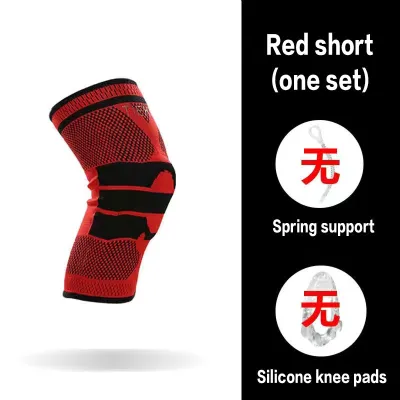
The knee is subjected to constant pounding, sudden deceleration, and lateral cutting on the court. Knee sleeves are pull-on elastic garments that provide continuous compression, warmth, and mild support. They are highly effective for managing diffuse knee pain, keeping the joint lubricated, and easing conditions like patellar tendonitis, commonly known as jumper’s knee. The compression increases proprioception, which is your brain’s awareness of the joint’s position, helping you move more efficiently.
If your knee requires structural stability due to a past ligament injury, such as an MCL or ACL strain, a simple sleeve is insufficient. You should look for structured knee braces that feature side stabilizers, patella tracking rings, or dual-axis hinges. These braces physically prevent the knee from buckling or shifting laterally during hard cuts. Additionally, patellar straps can be worn directly below the kneecap to apply targeted pressure to the patellar tendon, reducing strain during high-jumping activities.
Ankle Supports and Braces
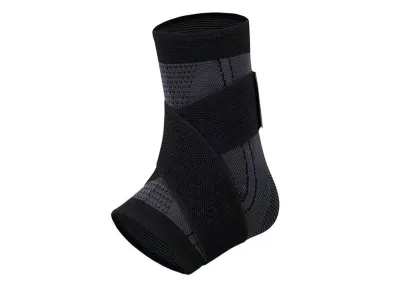
Ankle sprains are the most frequent injury in basketball, often occurring when a player lands on an opponent’s foot after a rebound or rolls the joint during a quick crossover. To protect this vulnerable area, you can choose between flexible lace-up braces and rigid stirrup braces. Lace-up braces mimic the protective effect of athletic taping, utilizing heavy-duty nylon fabric and figure-eight straps to secure the heel and ankle. They offer customizable tightness and excellent lateral support while still fitting comfortably inside your basketball shoes.
Rigid stirrup braces feature hard plastic guards on either side of the ankle, specifically designed to limit inversion (rolling inward) and eversion (rolling outward). These are typically reserved for active recovery phases when you are transitioning back into training but still require maximum protection against re-injury. When selecting an ankle brace, verify that it fits securely without forcing you to wear an oversized shoe, which could compromise your overall foot stability on the court.
Wrist Guards and Sleeves
Your wrists and hands are crucial for shooting, passing, and dribbling, but they are also highly exposed to impact when contesting rebounds or breaking a fall. Wrist wraps are designed to prevent hyperextension by wrapping firmly around the joint, using adjustable hook-and-loop straps to lock the wrist in a neutral position. These are highly beneficial for players who frequently play physical defense or battle for loose balls under the rim.
If you are dealing with mild wrist tendonitis or general stiffness from repetitive shooting practice, a lightweight compression wrist sleeve is a better option. Unlike rigid wraps, a compression sleeve allows a full range of motion while keeping the joint warm and encouraging blood circulation. This helps maintain your natural shooting mechanics while offering just enough support to manage low-grade discomfort.
Arm and Calf Compression Sleeves
Arm and calf sleeves do not cross or stabilize major joints, meaning they do not provide structural support for ligaments. Instead, their primary function is to manage muscle vibration during high-impact movements, such as sprinting and jumping. By wrapping the muscle belly tightly, these sleeves reduce the micro-tears in muscle fibers that contribute to post-game soreness and cramping.
In addition to muscle management, compression sleeves offer valuable physical protection. When playing on dusty outdoor concrete courts in the Philippines, falling can easily lead to painful floor burns and abrasions. Wearing arm and calf sleeves creates a durable barrier against the court surface, preventing minor scratches and infections. They also help manage sweat, keeping moisture from running down your arms onto your hands, which preserves your grip on the basketball.
Understand Compression Levels and Materials
Choosing the right supporter requires a balance between the level of compression and the materials used in its construction. Compression levels generally range from mild to firm. Mild compression is best suited for general recovery, daily comfort, and keeping muscles warm during warm-ups. Firm, targeted compression is engineered for active play, offering deep tissue stimulation that improves joint stability and spatial awareness during high-velocity movements.
Because of the tropical climate in the Philippines, material selection is a critical factor in your overall comfort and skin health. You should prioritize moisture-wicking, highly breathable fabrics such as nylon-spandex blends or engineered knit materials. These fabrics draw sweat away from your skin and allow air to circulate, which is essential for preventing overheating during intense midday games. Avoid thick, non-breathable neoprene supporters for extended wear, as they trap heat and moisture, creating an ideal environment for skin irritation, chafing, and fungal infections.
You should also look for functional design details that keep the supporter secure during dynamic movements. High-quality basketball supporters often feature integrated silicone wave strips along the inner cuffs or specialized ergonomic knitting patterns. These features prevent the supporter from sliding down your leg or arm when you are sweating heavily, eliminating the need to constantly adjust your gear during a game.
Step-by-Step Guide to Sizing and Fitting
An improperly fitted supporter is either ineffective or dangerous. If it is too loose, it will not provide the necessary compression or stability; if it is too tight, it can restrict blood flow and impair your performance. Follow these sequential steps to ensure a safe and accurate fit:
- Step 1: Measure your exact dimensions. Do not rely on your general clothing size or generic S/M/L labels, as sizing standards vary significantly between different brands. Use a flexible tape measure to find the exact circumference of the target area. For a knee supporter, measure the circumference of your thigh approximately 10 to 15 centimeters above the center of your kneecap, as specified by the manufacturer. For ankle supporters, measure around your heel and the ankle joint. Write down the exact measurements in centimeters and compare them directly to the manufacturer's specific sizing chart.
- Step 2: Put on the supporter and test mobility. Once you have the supporter, slide it on and perform basketball-specific movements in a controlled environment. Practice lateral shuffles, light jumping, and mimic your shooting form or defensive stance. Pay close attention to whether the supporter bunches up, slides down, or restricts your ability to bend your joints naturally.
- Step 3: Verify the fit and circulation. A properly fitting supporter should feel snug and highly supportive, like a firm second skin, but it must never cause pain or restrict circulation. Check for warning signs of an overly tight fit, such as numbness, a tingling sensation, coldness in your fingers or toes, or deep red indentations and pinching in the skin creases behind your joints. If you experience any of these symptoms, you must transition to a larger size immediately.
Common Mistakes and When to Stop Using a Supporter
One of the most common mistakes players make is treating a supporter as a permanent cure-all. Relying on a knee brace or ankle support to play through sharp, acute pain can mask serious injuries and lead to long-term joint degradation. A supporter should never be used as a substitute for a proper strength training, flexibility, and physical rehabilitation program. Over time, constant reliance on rigid braces can lead to muscle atrophy, as the surrounding muscles become dependent on the brace to stabilize the joint.
You must monitor your body closely and stop using the supporter immediately if you experience any adverse physical reactions. Immediate stopping conditions include increased swelling after play, the development of skin rashes or hives, persistent numbness, or pain that radiates outward from the supported area. These signs indicate that the supporter is either fitted incorrectly, causing an allergic reaction, or exacerbating an underlying injury.
To maintain the efficacy and hygiene of your gear, you must wash your supporters regularly. Sweat, body oils, and outdoor dust accumulate rapidly in the fabric, especially in humid climates. This buildup can break down the elastic fibers over time, reducing the supporter’s compressive strength. Wash your gear by hand using mild soap and cool water, then allow it to air dry completely in a well-ventilated area away from direct sunlight, which can warp synthetic materials.
Frequently Asked Questions (FAQ)
Can I wear a basketball supporter all day?
You should not wear rigid braces or highly restrictive supporters all day. While lightweight, mild compression sleeves can be worn for extended periods to manage swelling and promote recovery, structural braces with tight straps or metal hinges are designed strictly for active use. Keeping them on for prolonged periods when inactive can restrict natural blood circulation and cause the surrounding stabilizing muscles to weaken over time. Remove these braces immediately after your game or practice session is finished.
Do compression sleeves actually improve shooting accuracy?
Compression sleeves do not mechanically correct or alter your shooting form, meaning they cannot guarantee a higher shooting percentage. However, they can indirectly support consistency by keeping your arm muscles warm, reducing muscle fatigue during long training sessions, and managing sweat so it does not interfere with your grip on the ball. The improved proprioception from the compression can also help you maintain a consistent release point, but muscle memory and proper practice remain the primary drivers of shooting accuracy.
Community discussion
Share your experience or ask a question. Comments are reviewed before publication.